Ibuprofen Oral Suspension 100 mg (Children’s ibuprofen) – Pediatric Pain/Fevers
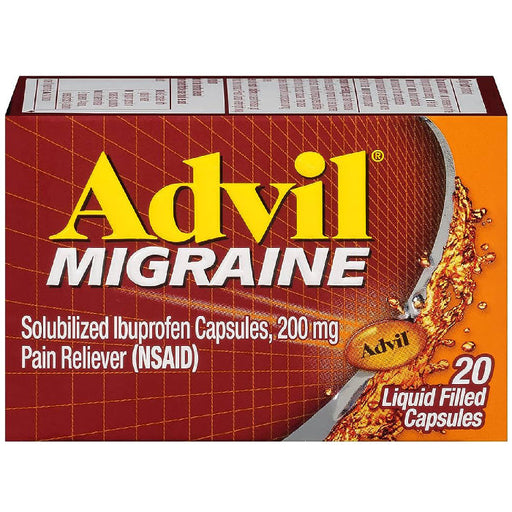
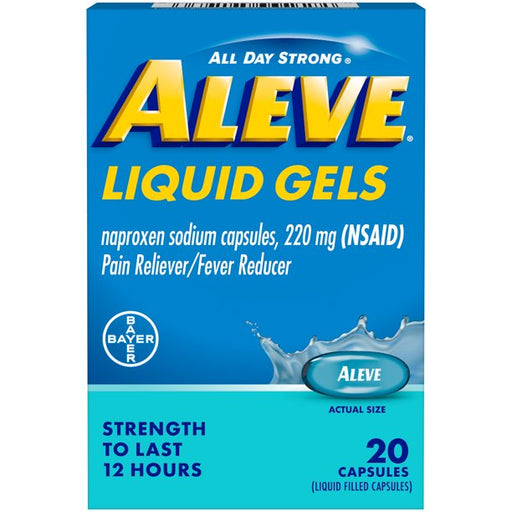
Ibuprofen 100 mg oral suspension is a prescription-free NSAID (nonsteroidal anti-inflammatory drug) formulated for children. In this liquid form (often strawberry or orange flavored), each 5 mL contains 100 mg of ibuprofen. It works by blocking pain- and inflammation-causing chemicals (prostaglandins) in the body. It is commonly used in children to reduce fever and relieve mild to moderate pain
Ibuprofen Oral Suspension Liquid is a liquid form of the medication ibuprofen, which is a nonsteroidal anti-inflammatory drug (NSAID). It is commonly used for children but can also be used for adults who prefer liquid formulations.
Ibuprofen Oral Suspension USP 100 mg per 5 mL is a trusted, over-the-counter nonsteroidal anti-inflammatory drug (NSAID) formulated for effective relief of fever and mild to moderate pain in children and adults. This easy-to-administer liquid suspension features a pleasant taste, accurate dosing, and fast-acting relief, making it a preferred choice for families and caregivers.
Uses
It temporarily treats common childhood aches and fevers. For example, it relieves minor pain from teething, earaches, sore throat, headaches, colds/flu, toothaches, muscle aches, sprains, or mild injuries. It also effectively reduces fevers in sick children. (It does not treat infections themselves, only the symptoms.)
Ibuprofen oral suspension is primarily used for:
-
Reducing fever (antipyretic)
-
Relieving mild to moderate pain including:
- Headaches
- Toothaches
- Sore throat pain
- Muscle aches
- Minor arthritis and joint pain
- Backache
- Pain due to common cold or flu
-
Alleviating minor aches and pains due to the common cold or infections
Administration: Shake the bottle well before use. The dose is given by measuring device (usually by weight or age per label instructions). It can be given every 6–8 hours as needed, but no more than 4 doses in 24 hours. Always follow age/weight dosing guidelines on the label or as advised by a doctor.
Details & Features
-
Strength: 100 mg of ibuprofen per 5 mL (teaspoon)
-
Size: 16 fl oz (473 mL) bottle, ideal for families or frequent use
-
Flavor: Child-friendly, palatable taste for easier administration
-
NSAID: Provides powerful anti-inflammatory, analgesic, and antipyretic effects
-
Accurate Dosing: Includes a dosage cup or oral syringe for precise measurement
-
Manufactured by: Aurobindo Pharma USA – a leader in high-quality pharmaceuticals
-
Dye-free and sugar-free options may be available
Directions for Use
- Shake well before each use.
-
Measure the dose carefully using the supplied dosing cup, syringe, or dropper.
-
Can be given with food or milk to minimize stomach upset.
- Use only as directed by your healthcare provider or as indicated on the package.
For Children (please check the chart on packaging or consult your doctor for precise dosing):
-
Infants under 6 months: Do not use unless directed by a physician.
-
Children 6 months to 11 years: Dose is based on child’s weight and age.
- Usual dosing: 5 mg/kg every 6–8 hours as needed. Do not exceed 4 doses in 24 hours.
-
Adults and children 12 years and older: 10 mL (200 mg) to 20 mL (400 mg) every 4–6 hours as needed. Do not exceed 40 mL (800 mg) in 24 hours.
Read all instructions or consult your healthcare provider for proper dosing.
Allergies
Do not use if:
- You have known allergy to ibuprofen, aspirin, or other NSAIDs (may trigger hives, asthma, or anaphylactic reactions).
- You have experienced allergic reactions to similar drugs in the past.
Ibuprofen may interact with:
- Blood thinners (Warfarin, Coumadin)
- Other NSAIDs or high-dose aspirin
- Blood pressure medications (ACE inhibitors, diuretics)
- Corticosteroids
- Lithium and Methotrexate
- Certain antidepressants (SSRIs/SNRIs)
Consult your doctor or pharmacist before combining with other over-the-counter or prescription medications.
Side Effects or Warnings
Common Side Effects:
- Upset stomach, nausea, vomiting
- Diarrhea or constipation
- Headache, dizziness
Serious Side Effects:
- Severe allergic reactions (rash, swelling, difficulty breathing)
- Gastrointestinal bleeding or ulcers (black or bloody stools, vomiting blood)
- Kidney problems (change in urine, swelling in feet/ankles)
- Increased blood pressure
Warnings:
- Do not give to children under 6 months unless directed by a doctor.
- Use with caution if you have a history of ulcers, gastrointestinal bleeding, kidney disease, liver disease, asthma, or high blood pressure.
- Do not exceed recommended dose—risk of potentially fatal stomach bleeding increases with higher doses, prolonged use, or combining with other NSAIDs.
- Do not use right before or after heart surgery.
Ibuprofen Oral Suspension USP 100 mg per 5 mL – Trusted Pain and Fever Relief for the Whole Family.
Ibuprofen 100mg Dosage by Weight Child
Ibuprofen in children is dosed by weight. The usual recommendation is 5–10 mg per kg of body weight per dose, given every 6–8 hours as needed (but no more than about 40 mg/kg in 24 hours). In practice many doctors use 10 mg/kg/dose for fever or pain, up to 4 times a day. For example, a 10 kg child would get about a 100 mg dose, a 15 kg child about 150 mg, a 20 kg child about 200 mg, and so on (since 10 mg/kg×15 kg = 150 mg). Commercial children’s ibuprofen liquid often contains 100 mg per 5 mL; using that strength, a 100 mg dose is 5 mL of liquid. A 20 kg child at 10 mg/kg would need 200 mg, which is 10 mL of a 100 mg/5 mL suspension. Be sure to measure carefully with the dosing syringe or cup provided and not to exceed the prescribed dose or frequency. (Do not give ibuprofen to infants under 6 months unless a doctor advises it.)
Ibuprofen Oral Suspension 100 mg (Children’s Ibuprofen) Uses
Children’s ibuprofen (100 mg/5 mL suspension) is a pediatric NSAID (nonsteroidal anti-inflammatory drug) used as a pain reliever and fever reducer in young children. It is indicated to temporarily alleviate minor aches/pains and lower fever in infants and children. For example, the official Drug Facts label notes that children’s ibuprofen “relieves minor aches and pains due to the common cold, flu, sore throat, headache and toothache” and “reduces fever”. In pediatric dosing (age ≥6 months), ibuprofen suspension is used to reduce fever and relieve mild-to-moderate pain.
- Pain relief: Temporarily eases mild-to-moderate pain in children. This includes discomfort from common childhood illnesses (e.g. cold or flu symptoms), sore throat, headache, toothache, and other minor aches.
- Fever reduction: Lowers elevated body temperature (fever) in infants and young children. (Ibuprofen is often used at the first sign of fever to help the child feel better and avoid very high fever.)
- Juvenile arthritis: Alleviates pain and inflammation associated with juvenile idiopathic (rheumatoid) arthritis in pediatric patients. Children’s ibuprofen (like other NSAIDs) is indicated to help reduce joint pain and stiffness in juvenile arthritis.
In practice, parents and doctors use children’s ibuprofen suspension for any child (generally over 6 months old, once approved for that age group) who has painful symptoms or fever. Common scenarios include using it for teething pain, earaches, vaccine-related fever/pain, sore muscles, or simply to bring down fever from an infection. (Safety note: ibuprofen suspension should be given according to age/weight dosing instructions and not used in infants under 6 months without doctor guidance.)