Skip to content

Added to your cart:

Cart subtotal

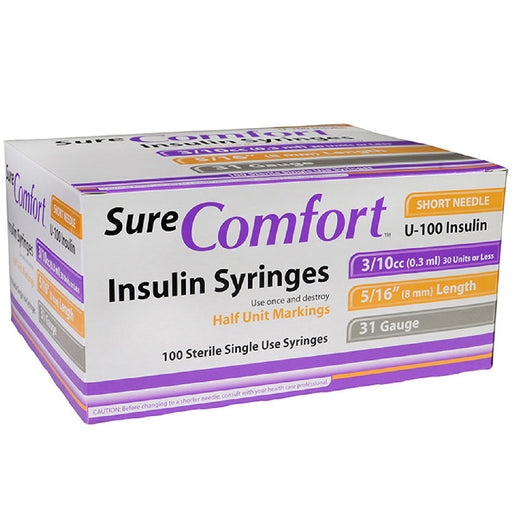
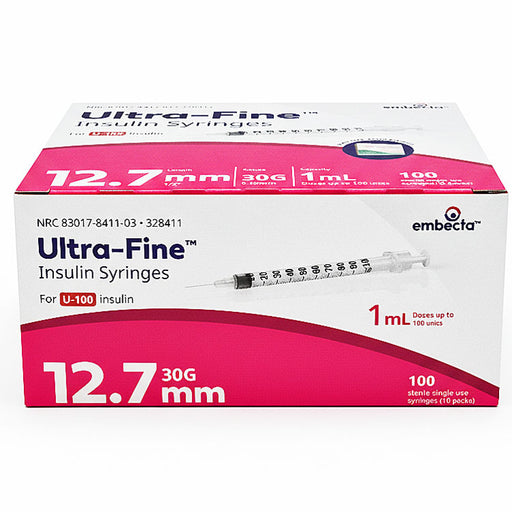
Insulin Syringes 31 gauge x 5/16" Needle (8mm) 100 Unit Markings (100/Box)

SKU 86227-0651-05
Sale 39%
Original price $ 44.00
Current price $ 27.00
In stock
Fast Delivery
Fast Delivery
24/7 Support
24/7 Support
Easy Returns
Easy Returns
Hospital Grade
Hospital Grade
Free Shipping on orders above $100
Returns 30-day return / replacement
Payment Secure transaction
Packaging Ships in product packaging
Service-Disabled Veteran-Owned Small Business
Located in Adirondack Mountains in NY
Family Owned Business 2002
Sale 39%
Original price $ 44.00
Current price $ 27.00
Free Shipping on orders above $100
Returns 30-day return / replacement
Payment Secure transaction
Packaging Ships in product packaging
Insulin Syringes 31 gauge x 5/16" Needle (8mm) 100 Unit Markings (100/Box)
$ 44.00 $ 27.00
Description

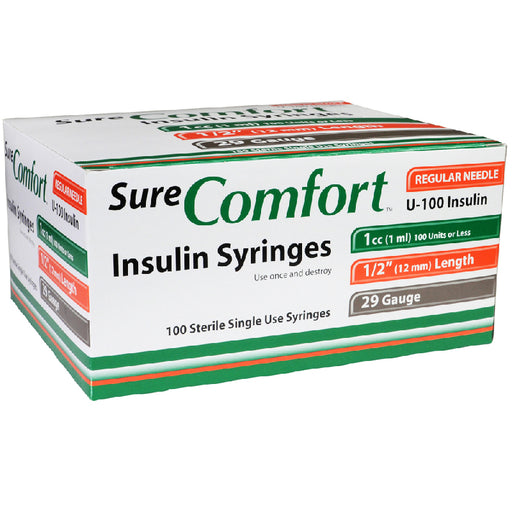
SureComfort Insulin Syringe (31G × 5/16″ (8 mm)

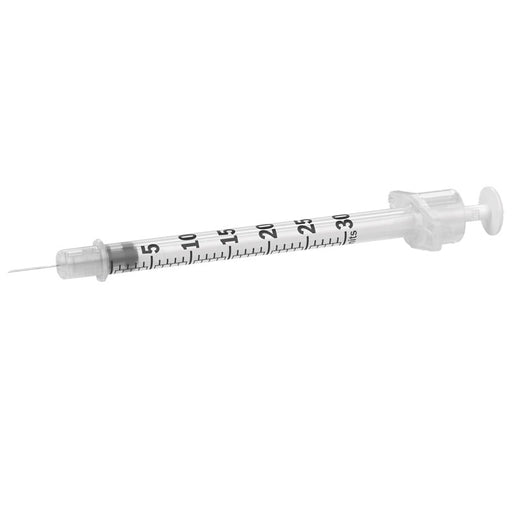
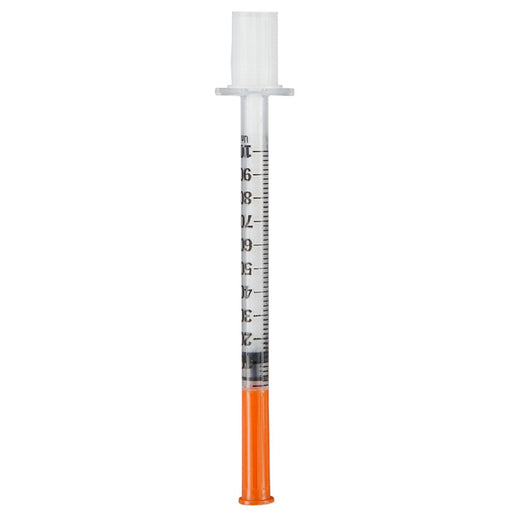
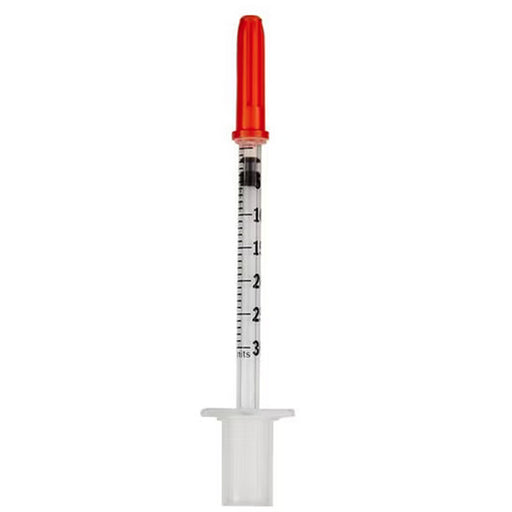
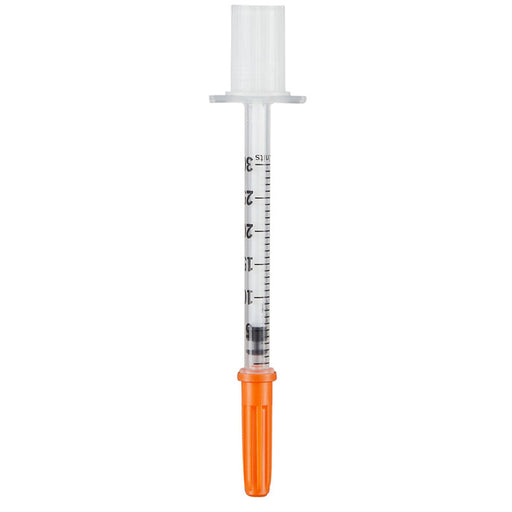
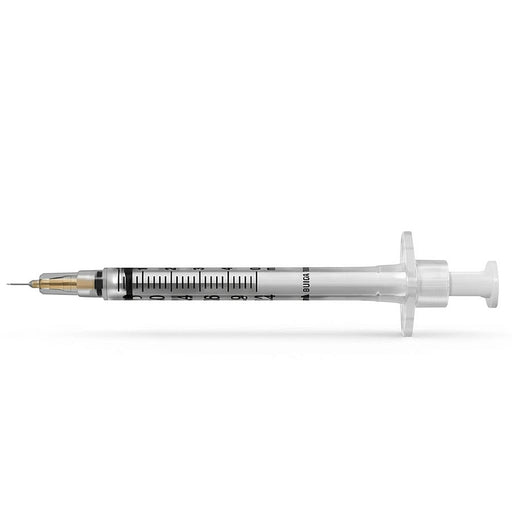
The SureComfort (Allison Medical) 31-gauge × 5/16″ (8 mm) insulin syringe is a single-use, U-100 insulin syringe with 1 mL (1 cc) capacity (100 units). It is sterile and individually wrapped. The ultra-fine 31G needle (≈0.25 mm diameter) and short 8 mm length are specifically chosen for comfortable subcutaneous insulin injections – thin and short enough to reduce insertion pain and avoid muscle penetration in most adults. Manufacturer literature emphasizes patient comfort and consistent quality: each SureComfort needle is carefully lubricated and checked for imperfections, and the syringe plunger has bold, permanent markings for accurate dosing.

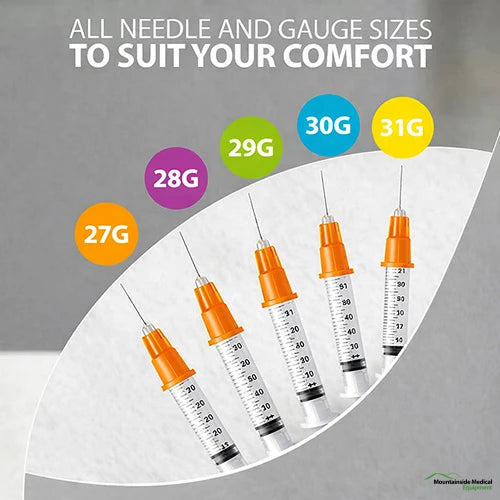
  • Gauge & Diameter: 31G (about 0.25 mm diameter). Ultra-fine gauge helps minimize injection pain.
  • Needle Length: 5/16″ (8.0 mm). This short length is ideal for subcutaneous (fatty tissue) injections in most adults. Short needles greatly reduce the risk of inadvertent intramuscular injection. (Indeed, one clinical review notes that no needle longer than 8 mm is generally needed; if longer needles are used, techniques like pinching a skin fold or angled insertion are recommended.)
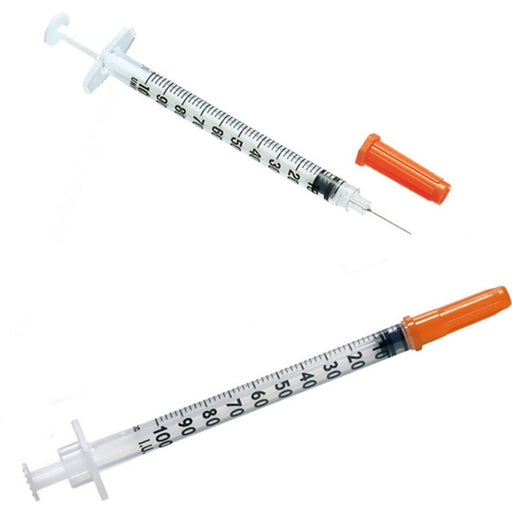
  • Volume & Calibration: 1 mL (1 cc) total capacity (U-100 insulin scale, 100 units max). Clear graduation marks on the barrel allow precise dosing).
  • Packaging: Comes sterile and individually sealed. Typically sold 100 syringes per box (5 boxes per case).
  • Brand/Quality: Sold under the SureComfort brand (Allison Medical). SureComfort syringes are ISO-compliant and quality-controlled, with a focus on patient comfort and dependable performance. Marketing materials boast that these are among the thinnest, shortest insulin syringes available – “reducing pain and discomfort” during injection. For example, one retailer notes the 31G × 6 mm version is “the thinnest insulin syringe available” and that short needles “reduce the risk of a painful injection in the muscle”; the 8 mm variant is described similarly.

Comfort and Ease of Use

The SureComfort syringe is designed for ease of injection. Manufacturer literature highlights that each needle is siliconized for smooth injection and inspected for defects. Permanent, high-contrast dose markings on the barrel help ensure an accurate dose every time. Because the needle is ultra-fine and short, patients often report less fear and pain. In fact, marketing for SureComfort emphasizes comfort: for example, product descriptions call these “ultra-fine 31G needle[s]” and “short needle injection syringes” to reduce discomfort. In practice, users find that reliable, smooth injections with minimal pain support better adherence to daily insulin therapy.

Administration and Injection Technique

These syringes are intended for subcutaneous insulin injections. Common injection sites include the abdomen, thighs, buttocks, or upper arms, where there is ample fat. Proper technique is important: for an 8 mm needle, many guidelines recommend a 90° injection angle with a pinched skinfold, or a 45° angle without pinching, to ensure the insulin goes into fat (not muscle). (For example, Diabetes care’s injection guides advise that 6 mm and 8 mm needles be inserted at 90° with a skin fold or at 45° without one.) In general, studies show that short needles (4–6 mm) work well for most patients, and if an 8 mm needle is used, pinching up or angling is often recommended to avoid intramuscular injection. Rotating injection sites and following the manufacturer’s instructions (allowing skin to dry after disinfecting, inserting and holding the syringe for a few seconds) will help ensure proper insulin absorption. Always follow a healthcare provider’s advice and the included instructions for injection technique.

Safety, Storage, and Disposal

  • Single-use Only: Each syringe is sterile and intended for one-time use. The manufacturer’s instructions explicitly state they are for “single patient use only” and should be discarded after use. Do not reuse or share syringes between people.
  • Sterility: Do not use if the cap is missing, broken, or the package is opened. Store syringes in a clean, dry place, and use before the expiration date (if provided).
  • Needle Handling: Keep the protective cap on until just before injection to maintain sterility. After injecting, immediately recap (if safe) and dispose of the needle.
  • Sharps Disposal: Used syringes and needles should go into a proper FDA-approved sharps container immediately after use. This is crucial to prevent needlestick injuries and bloodborne infections in others. Public health authorities (e.g. CDC) strongly advise that patients use FDA-cleared sharps containers for all used insulin needles/syringes. Never throw loose needles into the trash or recycling.
  • General Cautions: Check labels to ensure you have the correct syringe strength for your insulin (these are U-100 syringes). Do not mix medications in this syringe unless instructed by a healthcare provider. Safety studies and product inserts also warn patients not to change the prescribed order of mixing insulins or to switch syringe brands without consulting a doctor (mixing insulin types or switching syringes can affect dosing).

Allison Medical 22-6510 Insulin Syringes 31 gauge x 5/16" Needle (8mm) 1 mL.

Description

SureComfort Insulin Syringe (31G × 5/16″ (8 mm)

The SureComfort (Allison Medical) 31-gauge × 5/16″ (8 mm) insulin syringe is a single-use, U-100 insulin syringe with 1 mL (1 cc) capacity (100 units). It is sterile and individually wrapped. The ultra-fine 31G needle (≈0.25 mm diameter) and short 8 mm length are specifically chosen for comfortable subcutaneous insulin injections – thin and short enough to reduce insertion pain and avoid muscle penetration in most adults. Manufacturer literature emphasizes patient comfort and consistent quality: each SureComfort needle is carefully lubricated and checked for imperfections, and the syringe plunger has bold, permanent markings for accurate dosing.
  • Gauge & Diameter: 31G (about 0.25 mm diameter). Ultra-fine gauge helps minimize injection pain.
  • Needle Length: 5/16″ (8.0 mm). This short length is ideal for subcutaneous (fatty tissue) injections in most adults. Short needles greatly reduce the risk of inadvertent intramuscular injection. (Indeed, one clinical review notes that no needle longer than 8 mm is generally needed; if longer needles are used, techniques like pinching a skin fold or angled insertion are recommended.)
  • Volume & Calibration: 1 mL (1 cc) total capacity (U-100 insulin scale, 100 units max). Clear graduation marks on the barrel allow precise dosing).
  • Packaging: Comes sterile and individually sealed. Typically sold 100 syringes per box (5 boxes per case).
  • Brand/Quality: Sold under the SureComfort brand (Allison Medical). SureComfort syringes are ISO-compliant and quality-controlled, with a focus on patient comfort and dependable performance. Marketing materials boast that these are among the thinnest, shortest insulin syringes available – “reducing pain and discomfort” during injection. For example, one retailer notes the 31G × 6 mm version is “the thinnest insulin syringe available” and that short needles “reduce the risk of a painful injection in the muscle”; the 8 mm variant is described similarly.

Comfort and Ease of Use

The SureComfort syringe is designed for ease of injection. Manufacturer literature highlights that each needle is siliconized for smooth injection and inspected for defects. Permanent, high-contrast dose markings on the barrel help ensure an accurate dose every time. Because the needle is ultra-fine and short, patients often report less fear and pain. In fact, marketing for SureComfort emphasizes comfort: for example, product descriptions call these “ultra-fine 31G needle[s]” and “short needle injection syringes” to reduce discomfort. In practice, users find that reliable, smooth injections with minimal pain support better adherence to daily insulin therapy.

Administration and Injection Technique

These syringes are intended for subcutaneous insulin injections. Common injection sites include the abdomen, thighs, buttocks, or upper arms, where there is ample fat. Proper technique is important: for an 8 mm needle, many guidelines recommend a 90° injection angle with a pinched skinfold, or a 45° angle without pinching, to ensure the insulin goes into fat (not muscle). (For example, Diabetes care’s injection guides advise that 6 mm and 8 mm needles be inserted at 90° with a skin fold or at 45° without one.) In general, studies show that short needles (4–6 mm) work well for most patients, and if an 8 mm needle is used, pinching up or angling is often recommended to avoid intramuscular injection. Rotating injection sites and following the manufacturer’s instructions (allowing skin to dry after disinfecting, inserting and holding the syringe for a few seconds) will help ensure proper insulin absorption. Always follow a healthcare provider’s advice and the included instructions for injection technique.

Safety, Storage, and Disposal

  • Single-use Only: Each syringe is sterile and intended for one-time use. The manufacturer’s instructions explicitly state they are for “single patient use only” and should be discarded after use. Do not reuse or share syringes between people.
  • Sterility: Do not use if the cap is missing, broken, or the package is opened. Store syringes in a clean, dry place, and use before the expiration date (if provided).
  • Needle Handling: Keep the protective cap on until just before injection to maintain sterility. After injecting, immediately recap (if safe) and dispose of the needle.
  • Sharps Disposal: Used syringes and needles should go into a proper FDA-approved sharps container immediately after use. This is crucial to prevent needlestick injuries and bloodborne infections in others. Public health authorities (e.g. CDC) strongly advise that patients use FDA-cleared sharps containers for all used insulin needles/syringes. Never throw loose needles into the trash or recycling.
  • General Cautions: Check labels to ensure you have the correct syringe strength for your insulin (these are U-100 syringes). Do not mix medications in this syringe unless instructed by a healthcare provider. Safety studies and product inserts also warn patients not to change the prescribed order of mixing insulins or to switch syringe brands without consulting a doctor (mixing insulin types or switching syringes can affect dosing).

Allison Medical 22-6510 Insulin Syringes 31 gauge x 5/16" Needle (8mm) 1 mL.

Get Notified When Back in Stock