IV Bags (Intravenous) IV Fluid Solutions
Intravenous (IV) fluids are sterile solutions given directly into a vein to replace water, electrolytes, and nutrients, or to deliver medications. They are used in many medical situations – for example, to restore blood volume in bleeding, shock or dehydration, to correct electrolyte imbalances, to replace ongoing fluid losses, or to provide maintenance fluids when oral intake is not possible. IV fluids fall into two main categories: crystalloids (water with small solutes like salts or dextrose) and colloids (water with large molecules like proteins or starches). Crystalloids are by far the most common because they are inexpensive and safe.
-
Crystalloids: These are aqueous electrolyte solutions. Common examples are sodium chloride (saline) and “balanced” solutions (which include buffers/minerals). They are further classified by osmolarity/tonicity:
-
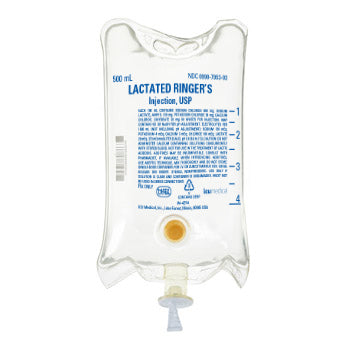
Isotonic solutions: e.g. 0.9% Normal Saline (NS) and Lactated Ringer’s (LR) or Plasma-Lyte. These have an osmolarity close to blood (~275–310 mOsm/L) and tend to stay in the extracellular space (blood + interstitial fluid). NS contains ~154 mEq/L of Na⁺ and Cl⁻ (308 mOsm), whereas LR contains Na⁺~130, Cl⁻~109, K⁺~4, Ca²⁺
1.5, and lactate28 mEq/L (osm ~273). The lactate in LR is metabolized to bicarbonate, making LR more “buffered” (less acidifying) than NS. Isotonic crystalloids are preferred for fluid resuscitation (e.g. rapid IV boluses in shock). Mixed isotonic solutions that include dextrose (see below) are often used for maintenance fluids.
-
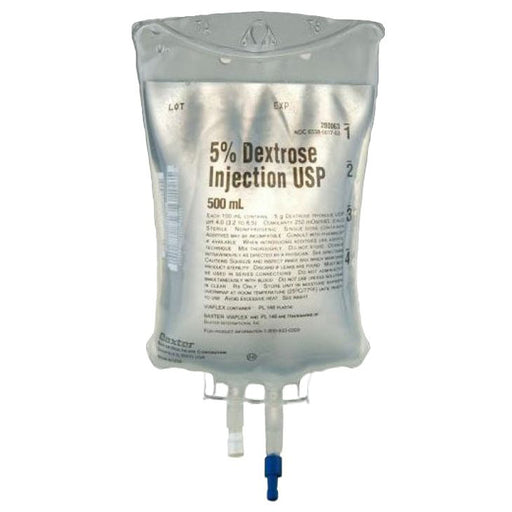
Hypotonic solutions: e.g. 5% dextrose in water (D5W) and half-normal saline (0.45% NaCl). D5W starts out isotonic (252 mOsm) but, once the glucose is taken up by cells, it effectively behaves like free water, distributing equally throughout total body water (including intracellular fluid). Half-normal saline (77 mEq/L Na/Cl, 154 mOsm) provides both water and some salt; it slowly shifts fluid into cells. These hypotonic fluids are used to correct free-water deficits (e.g. hypernatremia) or for gentle maintenance hydration. They must be used cautiously to avoid hyponatremia or cellular swelling.
-
Hypertonic solutions: e.g. 3% or 5% NaCl. These very high-sodium fluids draw water from cells into the bloodstream. They are used only in critical situations (severe hyponatremia or cerebral edema). Such fluids require extreme caution and frequent monitoring (rapid shifts in serum sodium can cause osmotic demyelination).
-
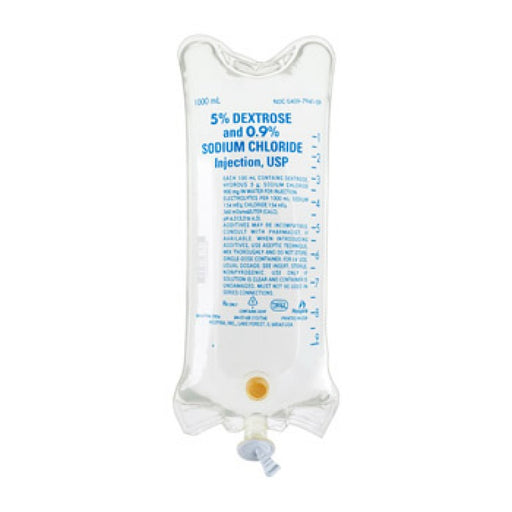
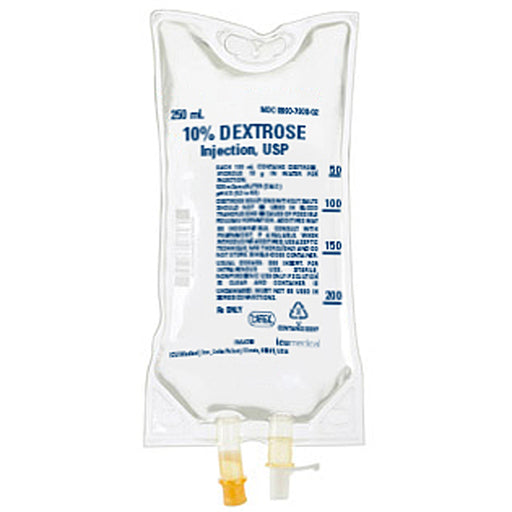
Dextrose (sugar) solutions: e.g. D5W, D10W (5% or 10% dextrose in water) or mixed fluids like D5NSS (5% dextrose in NS). D5W serves as an isotonic volume expander initially but quickly becomes hypotonic after glucose is metabolized, providing calories (~170 kcal/L) and free water. Higher dextrose percentages (e.g. D50W) are used for acute hypoglycemia boluses, not routine fluid maintenance.
-
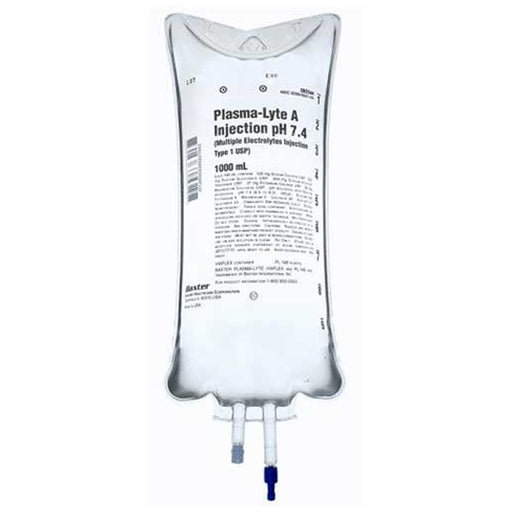
Other crystalloids: Specialized balanced fluids include Plasma-Lyte and Normosol (contain acetate or gluconate buffers), and Ringer’s acetate. These are similar to LR but use different buffers; all aim to approximate plasma electrolyte composition. (E.g. Plasma-Lyte A has Na 140, K 5, Cl 98, Mg 1.5, acetate/gluconate buffer).
-
Colloids: These contain large molecules that stay in the bloodstream. Examples include albumin (a natural plasma protein, used as 5% or 25% solution), dextran, hydroxyethyl starch (Hes), and gelatins. Colloids pull fluid into vessels by raising oncotic pressure. In theory, they expand intravascular volume more efficiently than crystalloids. In practice, however, colloids are rarely used today because of cost and side effects (allergy, kidney injury). (E.g. human 5% albumin has similar volume effect to saline but with plasma proteins.) Colloid solutions are reserved for special cases (e.g. very low serum protein levels).
How They Work in the Body
When an IV fluid is infused, it rapidly mixes with blood and flows through the circulatory system. Body water is distributed roughly 60% of body weight (about 42 L in a 70 kg person): ~40% intracellular fluid (inside cells) and ~20% extracellular fluid (outside cells). Of that extracellular fluid, most is in tissues (interstitial, ~75–80%) and only about 20–25% is in blood vessels. Thus, isotonic crystalloids primarily expand the extracellular compartment – they enter the bloodstream but then distribute between blood and tissues. In fact, only about 1 in 4 liters of an isotonic crystalloid stays in the circulation. For example, 1 liter of IV normal saline or Ringer’s lactate typically expands blood volume by only ~250 mL, the rest filtering into the tissues. This is why large volumes (e.g. 2–3 liters) are often needed for resuscitation.
Hypotonic solutions (like 0.45% saline or D5W) will draw water into cells, increasing intracellular volume as well as extracellular. Hypertonic solutions (like 3% NaCl) do the opposite, pulling fluid out of cells into the bloodstream. Electrolytes and buffers in the fluids also have effects: for instance, intravenous lactate (in LR) is metabolized by the liver into bicarbonate, which can help correct acidosis. Dextrose provides calories (metabolized by cells) and results in free water distribution.
Key effects: In general, an isotonic crystalloid will raise blood pressure and blood volume transiently, improve tissue perfusion (“fill the tank” of circulation) and dilute blood electrolytes. Because it disperses quickly, its effect is relatively short-lived unless you continue infusion. Balanced solutions like LR act as a buffer. D5W after metabolism effectively provides free water (which can dilute serum sodium). Colloids, by contrast, tend to hold fluid intravascularly and expand plasma volume more relative to interstitial volume, although this benefit is now considered marginal in most patients.
Types of IV Fluids
-
Normal Saline (0.9% NaCl): The classic “IV salt water.” Used for resuscitation, IV medications, or fluid boluses. Downloads into extracellular fluid (about 25% intravascular). Pitfall: large volumes can cause hyperchloremic metabolic acidosis and increased interstitial edema.
-
Lactated Ringer’s (LR, Hartmann’s solution): A balanced isotonic fluid. Contains Na, Cl, K, Ca, and lactate (a buffer). Because its composition is closer to plasma, LR is often gentler on the kidneys and acid-base balance than saline. Commonly used in surgery, trauma, burns, and dehydration.
-
Plasma-Lyte/Normosol: Similar to LR (contain multiple electrolytes and acetate/gluconate buffers, no Ca), with osmolarity ~295 mOsm/L. Used as another balanced alternative to saline. (Often used in transplant and critical care.)
-
Dextrose solutions: 5% dextrose in water (D5W) is used when free water is needed (it becomes hypotonic after infusion). It also provides ~170 kcal/L (useful as IV nutrition source). Dextrose solutions may be used alone or mixed with saline (e.g. D5-½NS) to combine hydration and calories.
-
½ Normal Saline (0.45% NaCl): A hypotonic salt solution, typically used as part of maintenance fluid orders. Frequently given with added dextrose.
-
Hypertonic saline: 3% or 5% NaCl. Used only in ICU for severe hyponatremia or cerebral edema. These are very potent; Amboss warns “extreme caution” due to risk of rapid osmotic changes.
-
Colloid solutions: (Less common) 5% Albumin (iso-oncotic protein solution) or 25% Albumin (two-time oncotic pull). Also synthetic colloids like hetastarch (Hes) or dextran. These expand intravascular volume but must be used cautiously (risk of coagulopathy or kidney injury). Because of safety concerns, crystalloids are usually chosen first.
Volumes, Containers, and Brands
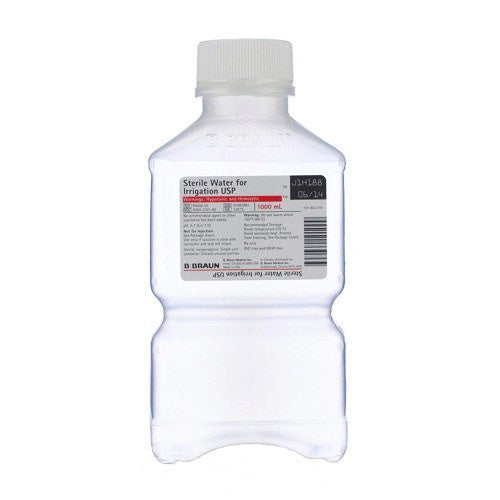
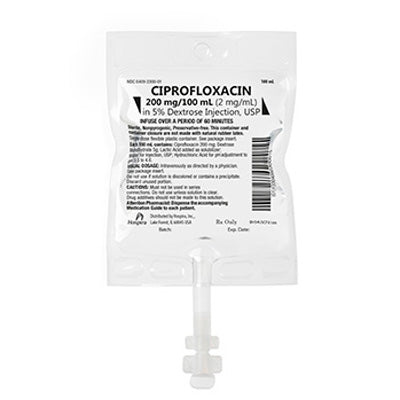
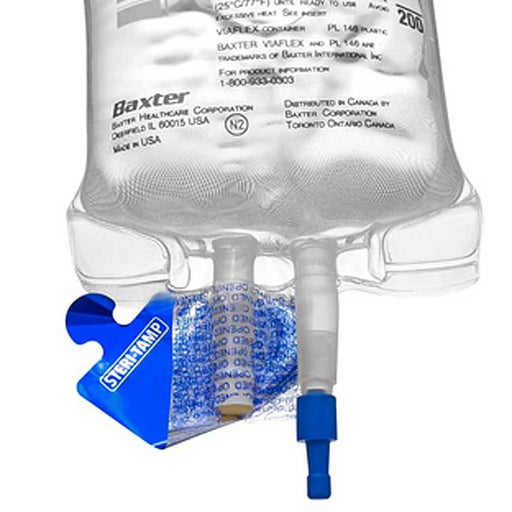
IV fluids are supplied in sterile plastic (or rarely glass) containers called IV bags or bottles. Typical bag volumes include 10 mL (tubing flushes), 50–100 mL (minibags for pediatric or TB inserts), 250 mL, 500 mL, and 1000 mL (1 L). The bag is connected to tubing and a drip/infusion pump. For example, Baxter’s “Viaflex” flexible plastic bags are widely used for 0.9% saline, LR, etc. Other major manufacturers include B. Braun, ICU Medical (Hospira), Fresenius Kabi, and Avanos, all of which make branded bags of NS, LR, dextrose solutions, etc. Bags often have ports to add medications or electrolytes before infusion.
Sizes/brands example: A common product is Baxter 0.9% NaCl in a 500 mL Viaflex bag. Providers order fluids by volume and type (e.g. “NS 1000 mL IV”).
What Happens When a Fluid Enters the Bloodstream
Once infused, the IV solution mixes with blood. The tonicity and composition determine fluid shifts:
-
Fluid shifts: An isotonic fluid (NS or LR) stays mainly in the extracellular space. Rapid water movement maintains osmotic balance, so water distributes 3:1 to interstitial:intravascular. A hypotonic fluid adds water to all compartments (especially inside cells). A hypertonic fluid pulls water out of cells into plasma.
-
Electrolyte and buffer effects: All electrolytes in the bag immediately enter blood. For example, IV potassium (added to fluids in mEq/L) quickly raises serum K⁺ if infused in large amount. Chloride load from NS may lower blood pH. LR’s lactate is metabolized by liver into bicarbonate, helping neutralize acid. Dextrose is rapidly taken up by cells, so the remaining water distributes freely.
-
Volume effect: Because of these shifts, the actual increase in blood volume is less than the infused volume (except colloids). As noted, only ~20–25% of an isotonic crystalloid bolus remains as plasma volume. The rest moves into tissues. Colloids, by contrast, remain intravascular, so their volume-expanding effect can be greater (roughly a 1:1 effect with 25% albumin) but with risk of reactions.
-
Physiological effects: By expanding blood volume, IV fluids raise blood pressure and improve perfusion (the key goal in shock) Infused water and electrolytes also address deficits (rehydrate tissues, correct Na, K, etc.). Since IV fluids don’t carry oxygen or nutrients like red cells, large hemorrhages require blood transfusions in addition to fluids.
Monitoring: Any patient on IV fluids is closely monitored. Frequent checks of vital signs, intake/output, and labs (electrolytes, kidney function) are needed. Infusion sites must be observed for redness or infiltration (fluid leaking into tissues). Too-fast or excessive IV fluids can cause fluid overload, pulmonary edema, or heart failure, so rates are adjusted accordingly.
Key Points and Precautions
-
Composition matters: Different IV fluids have different ions and osmolarities. They must be chosen to match the clinical need. For example, LR or Plasma-Lyte are preferred over plain saline for large resuscitations because they are more “physiologic”.
-
Administration: IV fluids should only be administered by trained medical staff. The type and rate depend on the patient’s condition, weight, and lab tests. Electrolytes (especially K⁺, Ca²⁺) are often added per protocol.
-
Major risk – Overload: Because crystalloids largely leave the vasculature, large volumes can rapidly accumulate as edema. Monitor for signs of fluid overload. (StatPearls notes a 3:1 distribution: “administering 1 L of RL results in only ~250 mL in the intravascular compartment”.)
-
Specific cautions: Don’t give IV fluids to someone who is actively bleeding without correcting the bleed. Use hypertonic saline only in ICU with monitoring (rapid Na shifts can be dangerous. Avoid dextrose solutions in patients with uncontrolled hyperglycemia (they raise blood sugar). Avoid LR or Plasma-Lyte in patients with severe liver failure (impaired lactate or acetate metabolism).
-
Compatibility: Some drugs and blood transfusions are not compatible with certain fluids (e.g. calcium-containing fluids like LR cannot be mixed with blood or certain antibiotics). Always use the correct fluid for the ordered medication.
Summary: IV fluid “bags” contain crystalloid or colloid solutions used in healthcare to manage hydration, electrolytes, and volume status. They come in various standard sizes (250–1000 mL bags) from manufacturers like Baxter (Viaflex), B. Braun, etc. Common fluids include normal saline, lactated Ringer’s, dextrose solutions, and albumin. These solutions work by shifting into the bloodstream and then redistributing according to osmotic gradients. Patients on IV fluids must be watched closely, since overuse can cause edema and electrolyte disturbances. Always double-check fluid type and volume before giving an IV infusion, and report any adverse reactions immediately.
Disclaimer: The information below is for general knowledge and not medical advice. Always follow healthcare professionals’ instructions and drug labels.
What Are IV Bags and Why Are They Critical to Patient Care?
Intravenous (IV) bags deliver fluids, medications, and nutrients directly into a patient's bloodstream through a vein. These sterile solutions serve as the foundation of modern medical treatment across hospitals, emergency departments, clinics, surgical suites, and long-term care facilities. Whether managing acute dehydration, administering life-saving medications, or providing nutritional support, IV solutions represent one of the most essential tools in clinical practice.
IV therapy works through a simple but precise mechanism: sterile fluid in a sealed bag flows through tubing into a catheter placed in a patient's vein. From there, the solution enters the circulatory system directly, bypassing the gastrointestinal tract entirely. This bypass matters enormously. It ensures rapid absorption—critical in emergencies—and allows precise dosing of medications that would be ineffective if taken by mouth.
The Core Functions of Intravenous Solutions
Every IV solution serves one or more of these fundamental purposes:
- Fluid replacement — restoring volume lost through dehydration, vomiting, diarrhoea, or excessive sweating
- Electrolyte balance — correcting sodium, potassium, chloride, and other mineral imbalances that affect heart rhythm, muscle function, and nerve signalling
- Medication administration — delivering antibiotics, antivirals, chemotherapy, pain management, and other medications that require IV routes for efficacy or safety
- Nutritional support — providing glucose, amino acids, and lipids to patients unable to eat (total parenteral nutrition or TPN)
- Blood transfusion access — using IV lines as the pathway for emergency blood products
- Hemodynamic support — administering vasopressors and inotropes to patients in shock
This product is intended for use by qualified healthcare professionals or under the guidance of a licensed medical provider. It is not a substitute for professional medical advice, diagnosis, or treatment.
Why Fluid Type Matters: The Science of IV Solutions
Not all IV fluids are interchangeable. The human body maintains a delicate balance of water and electrolytes across two main fluid compartments: the space inside cells (intracellular) and the space outside cells (extracellular, which includes blood plasma). When this balance is disrupted—by illness, injury, or certain treatments—the wrong IV fluid can worsen the problem rather than solve it.
IV solutions fall into two major categories based on their osmolality (concentration of dissolved particles):
Crystalloid Solutions — The Standard of Care
Crystalloids contain small molecules—salts, glucose, and water—that flow easily between the bloodstream and cells. They represent the first-line fluid for most patients and account for the vast majority of IV therapy in clinical practice. Three types address different clinical scenarios:
Isotonic crystalloids have osmolality matching that of blood plasma. Lactated Ringer's solution and 0.9% sodium chloride (normal saline) are the two most commonly used. These fluids stay in the bloodstream longer, making them ideal for resuscitation and fluid challenges. Isotonic solutions don't cause fluid shifts between compartments, preserving cellular function.
Hypotonic crystalloids have lower osmolality than plasma, causing fluid to move from the bloodstream into cells. Half-normal saline (0.45% sodium chloride) is a common example. Clinicians use hypotonic fluids carefully and typically after initial isotonic resuscitation—they lower blood sodium concentration and can cause cellular swelling if infused too rapidly.
Hypertonic crystalloids (such as 3% sodium chloride) have higher osmolality than plasma, pulling fluid from cells into the bloodstream. These are reserved for severe hyponatremia or specific neurological emergencies where rapid sodium correction is critical. Their use demands close monitoring and careful titration.
Colloid Solutions — Specialised Support
Colloids are large protein or starch molecules that stay in the bloodstream longer than crystalloids, drawing fluid from surrounding tissue spaces into the vasculature. Examples include albumin, fresh frozen plasma, hetastarch, and dextran. While sometimes used for severe blood loss or burns when crystalloid alone is insufficient, colloids carry a greater cost and infection risk, limiting their routine use.
This product is intended for use by qualified healthcare professionals or under the guidance of a licensed medical provider. It is not a substitute for professional medical advice, diagnosis, or treatment.
Sterility, Safety, and Clinical Reliability
IV bags must be manufactured under strict sterile conditions to prevent bacterial, fungal, and viral contamination. Contaminated IV fluid can cause life-threatening bloodstream infections, sepsis, and multi-organ failure. Mountainside Medical's IV bag solutions are manufactured according to USP (United States Pharmacopoeia) and FDA standards, ensuring sterility and purity across all formulations.
The sealed, single-use design of IV bags prevents recontamination before administration. Once the bag enters a patient, clinical staff can deliver precise volumes and control infusion rates, optimising therapeutic outcomes while minimising complications like hypervolemia (fluid overload) or infiltration (leakage into surrounding tissue).
IV Bag Solution Formulations Available
| Solution Name |
Osmolality Classification |
Key Electrolytes |
Primary Clinical Uses |
| 0.9% Sodium Chloride (Normal Saline) |
Isotonic |
Sodium 154 mEq/L, Chloride 154 mEq/L |
Initial resuscitation, shock, hyponatremia, blood transfusions, and fluid challenges |
| 0.45% Sodium Chloride (Half-Normal Saline) |
Hypotonic |
Sodium 77 mEq/L, Chloride 77 mEq/L |
Water replacement, maintenance fluids, DKA (after normal saline), hypertonic dehydration |
| Lactated Ringer's Solution (LR) |
Isotonic |
Sodium 130 mEq/L, Potassium 4 mEq/L, Calcium 3 mEq/L, Chloride 109 mEq/L, Lactate 28 mEq/L |
Dehydration, burns, acute blood loss, lower GI tract fluid loss, hypovolemia from third-space shifting |
| Dextrose 5% in Water (D5W) |
Hypotonic (becomes hypotonic after glucose metabolism) |
Glucose 50 g/L |
Fluid loss, dehydration, hypernatremia, maintenance fluids |
| Dextrose 5% with 0.45% Sodium Chloride (D5 + ½NS) |
Hypotonic |
Dextrose 50 g/L, Sodium 77 mEq/L, Chloride 77 mEq/L |
DKA after initial normal saline and half-normal saline (prevents hypoglycemia and cerebral oedema) |
| Dextrose 5% with 0.9% Sodium Chloride (D5 + NS) |
Hypertonic |
Dextrose 50 g/L, Sodium 154 mEq/L, Chloride 154 mEq/L |
Hypotonic dehydration, temporary circulatory support if plasma expanders are unavailable, SIADH, Addisonian crisis |
| 3% Sodium Chloride |
Hypertonic |
Sodium 513 mEq/L, Chloride 513 mEq/L |
Severe dilutional hyponatremia, severe sodium depletion |
| Dextrose 10% in Water (D10W) |
Hypertonic |
Glucose 100 g/L |
Significant hypoglycemia correction, prevention of hypoglycemia when TPN is discontinued abruptly |
Technical Specifications
Not specified in the provided data. For specific bag volumes (250 mL, 500 mL, 1 L, 2 L), expiration dating, storage temperature requirements, and detailed product specifications by manufacturer, don't hesitate to get in touch with our sales team at +1 (888) 687-4334 or sales@mountainside-medical.com.
Regulatory and Manufacturing Standards
Not specified in the provided data. For certification details, FDA clearance numbers, GMP compliance documentation, and country of manufacture, don't hesitate to get in touch with our sales team.
Matching IV Solutions to Clinical Conditions: A Decision Framework
Selecting the correct IV fluid for a specific patient requires understanding the underlying problem and how each solution affects fluid distribution and electrolyte balance. Below is a clinical guide organized by scenario.
Dehydration and Fluid Loss
Normal dehydration (mild-to-moderate volume loss without electrolyte disturbance) — Crystalloid solutions address volume deficit. Start with isotonic solutions (0.9% normal saline or lactated Ringer's). Lactated Ringer's is often preferred because its electrolyte composition more closely matches plasma and includes lactate, which buffers metabolic acidosis in severely ill patients.
Hypernatremic dehydration (high serum sodium) — This occurs when fluid loss exceeds sodium loss, concentrating serum sodium. Correction requires hypotonic fluid to lower serum sodium gradually. 0.45% sodium chloride (half-normal saline) or D5W can achieve this, though correction must be gradual to prevent cerebral oedema from osmotic fluid shifts into brain cells.
This product is intended for use by qualified healthcare professionals or under the guidance of a licensed medical provider. It is not a substitute for professional medical advice, diagnosis, or treatment.
Electrolyte Imbalances
Hyponatremia (low serum sodium) — Severity determines approach. Symptomatic hyponatremia with seizures or altered mental status requires cautious hypertonic saline (3% sodium chloride) to raise serum sodium rapidly enough to stop neurological symptoms, but not so fast that overshoot causes osmotic demyelination syndrome. Asymptomatic or mild hyponatremia typically requires fluid restriction rather than IV therapy.
Hyperkalemia (high serum potassium) — While potassium-containing fluids (lactated Ringer's) are contraindicated, some isotonic solutions like normal saline dilute serum potassium and promote urinary loss. Concurrent insulin, glucose, and sometimes calcium gluconate are used alongside IV fluid support.
Metabolic alkalosis — Often caused by volume depletion (vomiting, nasogastric suctioning) and chloride loss. Normal saline replaces lost chloride and volume, correcting the alkalosis without the potassium risk of lactated Ringer's.
Acute Blood Loss and Shock
Hemorrhagic shock — Massive transfusion protocols pair rapid isotonic crystalloid infusion (normal saline or lactated Ringer's) with blood products. Lactated Ringer's is often preferred for trauma because it has less chloride than normal saline, reducing the risk of hyperchloremic metabolic acidosis in large-volume resuscitation.
Septic shock — Early aggressive fluid resuscitation with isotonic crystalloid (typically 30 mL/kg in the first 3 hours) is a core sepsis bundle component. Lactated Ringer's is preferred over normal saline in some protocols.
This product is intended for use by qualified healthcare professionals or under the guidance of a licensed medical provider. It is not a substitute for professional medical advice, diagnosis, or treatment.
Burn Injuries
Burn patients lose massive volumes of fluid through damaged skin. The Parkland formula calculates IV fluid needs based on body surface area burned and time since injury. Lactated Ringer's is the standard resuscitation fluid for burns because its electrolyte composition best matches the physiological fluid losses in this population. Normal saline alone can cause hyperchloremic acidosis if used exclusively for large-volume burns.
Diabetic Ketoacidosis (DKA)
DKA requires a staged fluid approach. Phase 1: Initial resuscitation with normal saline to restore circulating volume and lower blood glucose through dilution. Phase 2: Transition to half-normal saline (0.45%) or D5 + half-normal saline as serum glucose approaches 200 mg/dL. The dextrose prevents hypoglycemia and supports CNS function, while continued saline corrects the underlying sodium deficit. Rapid sodium correction can cause cerebral oedema; gradual correction (reducing serum sodium by no more than 10 mEq/L per 24 hours) prevents this complication.
Surgical and Perioperative Fluids
Perioperative patients lose fluid through perspiration, blood loss, and "third spacing" (fluid shifts into tissue spaces). Intraoperative fluid management typically uses isotonic crystalloid. For extensive surgery with significant blood loss, a balanced isotonic solution like lactated Ringer's is often preferred over normal saline to reduce metabolic acidosis risk.
Nutritional Support (Total Parenteral Nutrition)
Patients who cannot eat require IV nutrition. TPN formulations combine dextrose (glucose source), amino acids (protein), and lipids delivered through a central IV line. D5W or higher dextrose concentrations provide the glucose base. When TPN is discontinued abruptly, D10W prevents reactive hypoglycemia by providing glucose during the transition back to oral or enteral nutrition.
This product is intended for use by qualified healthcare professionals or under the guidance of a licensed medical provider. It is not a substitute for professional medical advice, diagnosis, or treatment.
Intravenous Access Sites and Anatomy
IV bags deliver fluid through various veins depending on clinical need, catheter type, and patient factors:
- Cephalic vein — Forearm; suitable for peripheral IV (PIV) lines and PICC (peripherally inserted central catheter) lines
- Basilic vein — Inner arm; commonly used for PIV and PICC placement due to its size
- Median cubital vein — Inner elbow; excellent for blood draws and IV insertion
- Accessory cephalic vein — Upper arm; an alternative for peripheral access
- Medial antebrachial vein — Inner forearm; option for difficult access patients
- Dorsal venous network, dorsal metacarpal veins — Back of hand; small calibre, used for short-term therapy or paediatrics
- Great saphenous vein — Leg; emergency access or when the upper extremity is unavailable
- Central lines — Inserted into larger central vessels (internal jugular, subclavian, or femoral) for power infusion, long-term therapy, or vasoactive medications
Choice of vein depends on fluid type, anticipated duration, need for power infusion, and patient factors. Central lines are required for hypertonic solutions, irritant medications, or long-term TPN because peripheral veins cannot tolerate these solutions.
Monitoring and Documentation Requirements
Clinicians administering IV fluids must document:
- Date and time of catheter insertion
- Catheter type and gauge
- Insertion site location and appearance
- IV solution type and concentration
- Volume infused and infusion rate
- Patient response and tolerance (vital signs, electrolytes, urine output, any complications)
This documentation ensures continuity of care and provides evidence that IV therapy is meeting clinical goals and causing no harm.
Safe IV Fluid Administration
IV therapy carries inherent risks. Proper selection, preparation, infusion technique, and monitoring minimise complications and maximise safety.
Critical Monitoring During IV Infusion
Vital sign changes — Blood pressure, heart rate, respiratory rate, and oxygen saturation must be assessed before, during, and after IV infusion. Rising blood pressure and heart rate may signal hypervolemia (fluid overload); dropping blood pressure may indicate inadequate resuscitation or fluid extravasation (leakage into surrounding tissue).
Intake and output tracking — Documenting IV fluids given and urine output reveals whether kidneys are responding appropriately. Oliguria (low urine output) despite adequate fluid input may signal acute kidney injury or shock.
Serum electrolytes and osmolality — Lab values confirm that IV fluid choice is correcting rather than worsening electrolyte balance. Hyponatremia correction must be monitored closely to ensure gradual change (not more than 10 mEq/L per 24 hours) and prevent cerebral edema.
Catheter site inspection — Redness, swelling, warmth, or patient pain at the IV site suggests infiltration (fluid leaking into tissue), phlebitis (vein inflammation), or early infection. Sites must be assessed at least every 8 hours and immediately if the patient reports pain.
Colloid infusions require special attention — Patients receiving albumin, hetastarch, or dextran must be monitored for increased blood pressure, dyspnea (shortness of breath), and bounding pulse, which signal hypervolemia. These solutions stay in the bloodstream longer than crystalloids and can cause fluid overload if infused too rapidly.
This product is intended for use by qualified healthcare professionals or under the guidance of a licensed medical provider. It is not a substitute for professional medical advice, diagnosis, or treatment.
Contraindications and Cautions by Solution Type
Hypotonic Solutions (0.45% Saline, D5W, Half-Normal Saline)
Contraindicated in:
- Hemorrhagic shock — hypotonic fluid worsens hypovolemia and reduces oxygen delivery
- Head injury or altered mental status — hypotonic fluid can worsen cerebral edema
- Hyperglycemia (in the case of D5W) — dextrose worsens blood glucose in diabetic patients
- Uncontrolled rapid serum sodium correction — can cause osmotic demyelination syndrome
Use with caution in: Patients with SIADH (syndrome of inappropriate antidiuretic hormone) on free water restriction, as hypotonic fluid can dangerously lower serum sodium further.
Hypertonic Solutions (3% Saline, D10W)
Contraindicated in:
- Hypernatremia — worsens serum sodium elevation
- Peripheral IV lines — hypertonic fluid is vesicant and causes tissue necrosis if extravasated; requires central line placement
- Rapid infusion in patients without careful sodium monitoring — can overshoot sodium correction and cause osmotic demyelination
Requires: Central line placement and frequent lab monitoring (every 2–4 hours during active correction). Infusion rates must be controlled to prevent sodium overcorrection.
Lactated Ringer's Solution
Contraindicated or used with caution in:
- Severe hyperkalemia — lactate contains potassium (4 mEq/L) and should not be used as primary resuscitation fluid in patients with dangerously elevated serum potassium
- Hepatic failure — lactate metabolism depends on liver function; accumulation can worsen lactic acidosis
- Severe acidosis or certain medications — calcium in LR can precipitate with certain drugs; incompatibility should be checked
Generally preferred for: Trauma, burns, and sepsis where its balanced electrolyte composition and lactate buffering provide advantages over normal saline.
Normal Saline (0.9%)
Contraindicated or used with caution in:
- Hyperchloremic acidosis or chloride-restricted patients — normal saline has high chloride (154 mEq/L) and can worsen metabolic acidosis in large-volume resuscitation
- Patients with baseline metabolic alkalosis — normal saline hyperchloremia can perpetuate alkalosis
Generally safe for: Initial resuscitation, blood transfusions, hyponatremia, and most general IV therapy.
This product is intended for use by qualified healthcare professionals or under the guidance of a licensed medical provider. It is not a substitute for professional medical advice, diagnosis, or treatment.
Common IV Therapy Complications
Infiltration — IV catheter punctures the vein wall, and fluid enters surrounding tissue. Signs: swelling, coolness, and pain at the site. Management: stop infusion immediately, remove catheter, elevate extremity, and apply warm compresses. Extravasation of irritant solutions (potassium, calcium, hypertonic dextrose) can cause tissue necrosis and requires urgent intervention.
Phlebitis — Vein becomes inflamed from mechanical irritation, chemical irritation (acidic or alkaline solutions), or infection. Signs: pain, redness, warmth along the vein. Management: remove catheter, elevate extremity, apply warm compresses. Septic phlebitis (bacteria-caused) requires catheter removal and antibiotics.
Hypervolemia (fluid overload) — Excessive IV fluid causes elevated blood pressure, weight gain, crackles on lung exam, and risk of pulmonary edema (fluid in lungs). Management: slow or stop infusion, elevate head of bed, consider diuretics.
Hypovolemia (inadequate fluid resuscitation) — Insufficient IV fluid leaves the patient in ongoing shock. Signs: tachycardia (fast heart rate), hypotension, altered mental status, decreased urine output. Management: increase infusion rate or switch to more aggressive fluid boluses.
Central line complications — Insertion of central lines carries risks of pneumothorax (collapsed lung), hemothorax (blood in chest cavity), arrhythmias, and catheter-related bloodstream infection (CRBSI). Careful insertion technique, sterile dressing maintenance, and prompt removal when no longer needed reduce risk.
Prevention of Infection and Contamination
IV bags are manufactured as sterile, single-use products. To prevent infection:
- Inspect IV bags for cracks, cloudiness, or particulates before use; discard if damaged
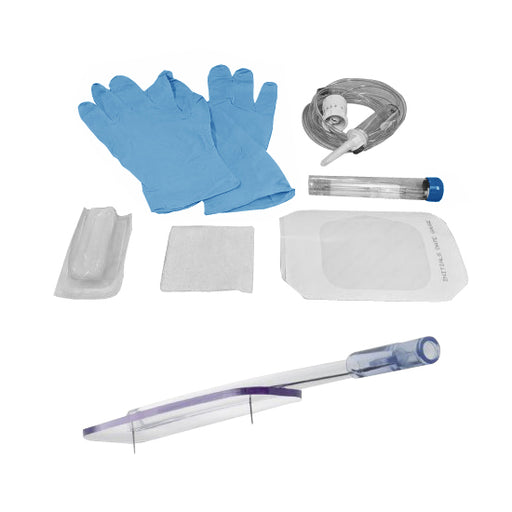
- Use aseptic technique when inserting the IV catheter: hand hygiene, skin antisepsis (alcohol or chlorhexidine), and sterile dressing
- Replace IV dressings if wet, soiled, or loose every 7 days (or per facility protocol)
- Replace peripheral IV catheters every 96 hours to reduce infection risk (though clinical judgment may support earlier replacement if needed)
- Document catheter insertion date and inspect sites regularly for signs of infection
- Remove catheters as soon as no longer needed
Bloodstream infections from contaminated IV fluids or poor catheter care can be life-threatening; prevention through proper technique and monitoring is essential.
Who Can Order IV Bag Solutions from Mountainside Medical
IV bag solutions are prescription-only (Rx) medical products. Mountainside Medical distributes to qualified healthcare professionals and licensed facilities only.
Eligible Buyers Include
- Licensed physicians, nurses, physician assistants, and nurse practitioners
- Registered hospitals, clinics, and surgical centres
- Emergency medical services (EMS) agencies and paramedic services
- Licensed dental and veterinary practices
- Medical spas and aesthetic clinics (with appropriate licensing)
- Visiting nurse services and home healthcare agencies
- Law enforcement and fire department medical units
- Durable medical equipment (DME) suppliers holding appropriate medical distribution licenses
- Institutional bulk buyers with valid healthcare facility credentials
Credential Verification
Mountainside Medical verifies that buyers hold active licenses or facility credentials before processing orders. You will need to provide:
- State medical or nursing license number (for individual practitioners)
- Federal Employer Identification Number (EIN) and facility accreditation documentation (for institutions)
- DEA registration (if ordering controlled substances)
- Proof of professional liability insurance (for some buyer types)
Not specified in provided data: Specific credential verification timelines or documentation requirements. Please contact our sales team for detailed onboarding procedures.
This product is intended for use by qualified healthcare professionals or under the guidance of a licensed medical provider. It is not a substitute for professional medical advice, diagnosis, or treatment.
Placing an Order
Contact Information
Phone: +1 (888) 687-4334
Email: sales@mountainside-medical.com
Website: https://www.mountainside-medical.com/
How to Order
Complete the online order form or call our sales team to discuss your facility's needs. Provide your IV solution requirements (formulations, quantities, delivery preferences). Our team will confirm product availability, volume-based pricing, and delivery timeline.
Bulk Purchasing Benefits
Mountainside Medical specialises in wholesale distribution. Bulk orders receive volume discounts and priority fulfilment. Not specified in provided data: specific discount tiers, minimum order quantities, or volume pricing structure. Please contact our sales team for a custom quote.
Shipping and Delivery
Coverage Area
Mountainside Medical ships throughout the United States. Free shipping on orders over $100.
Delivery Timeline
Not specified in provided data: specific delivery timeframes (same-day, next-day, 2-3 business days). Please contact our sales team at the number above for expected delivery windows for your location and order type.
Product Handling and Compliance
All IV bags are packaged to maintain sterility and integrity during transit. Shipments comply with FDA regulations for medical product transportation and storage. Upon receipt, inspect packages for damage. If an IV bag box is crushed, wet, or visibly compromised, contact our customer service team immediately for replacement.
Storage and Shelf Life
Not specified in provided data: specific storage temperature, humidity requirements, or shelf life for IV bag products. For detailed storage and stability information, please contact our sales team or consult the package insert included with your order.
Returns and Quality Assurance
Not specified in the provided data: return policy, damage claims procedures, or quality guarantee terms. Please contact sales@mountainside-medical.com or call +1 (888) 687-4334 to report any product quality concerns or to initiate a return.
First-Time Customer Offer
New customers receive 5% off their first purchase at Mountainside Medical. Mention this offer when placing your initial order.
Important Medical and Legal Disclaimer
Medical Professional Use Only
IV bag solutions sold by Mountainside Medical are prescription-only (Rx) medical products intended for use by qualified healthcare professionals only. These products are not available for self-administration by the general public and require a valid medical license, healthcare facility credential, or appropriate professional authorisation to purchase and use.
This product is not intended for use outside of professional medical settings and is not a substitute for professional medical advice, diagnosis, or treatment.
Clinical Decision Authority
The information provided on this page is educational in nature and is designed to support healthcare professionals' understanding of IV fluid therapy principles and formulations. It is not a substitute for professional clinical judgment. Mountainside Medical is a medical product distributor only. Clinical decisions regarding patient treatment, IV fluid selection, infusion rates, monitoring, and management of complications remain the sole responsibility of the treating healthcare provider—including physicians, advanced practice providers, nurses, and other licensed clinical staff.
Every patient presents unique clinical circumstances. Healthcare professionals must assess individual patient factors (age, weight, kidney function, electrolyte status, underlying diseases, medications) and clinical context (emergency vs. routine care, severity of illness) when selecting IV solutions. What is appropriate for one patient may be harmful for another.
Regulatory and Manufacturing Standards
All IV bag solutions distributed by Mountainside Medical are manufactured according to applicable regulatory standards for sterile pharmaceutical products. Not specified in provided data: Specific FDA clearance numbers, GMP certifications, ISO standards, or country of manufacture for individual products. For detailed regulatory and manufacturing information, please contact our sales team at +1 (888) 687-4334 or sales@mountainside-medical.com.
Not a Guarantee of Specific Outcomes
While IV fluid therapy is a cornerstone of medical treatment, the efficacy and safety of IV solutions depend on proper selection, preparation, administration technique, patient monitoring, and management of complications. Mountainside Medical makes no guarantee of specific clinical outcomes. IV therapy carries inherent risks (infiltration, infection, electrolyte disturbance, fluid overload) that must be managed by qualified healthcare professionals.
Limitation of Liability
Mountainside Medical is a product distributor. We are not responsible for:
- Clinical outcomes or adverse events resulting from the use of IV solutions, as clinical decisions and patient management remain the responsibility of the treating healthcare provider
- Misuse, mishandling, or improper administration of IV solutions by purchasers or their staff
- Failure to verify product integrity or appropriateness before use
- Complications arising from storage, transport, or handling after delivery
Healthcare facilities and professionals purchasing IV solutions assume responsibility for compliance with all applicable laws, regulations, and professional standards governing their use.
Product Integrity and Storage
IV bags must be inspected before use for signs of damage, contamination, or compromise. Discard any bag showing cracks, leakage, cloudiness, particulates, or other abnormalities. Proper storage conditions are essential to maintaining sterility and product integrity. Not specified in provided data: Specific storage temperature, humidity, or shelf-life requirements. Follow manufacturer's instructions included with your order or contact our team for storage guidance.
Infection Control and Safety
IV therapy must be administered using aseptic technique to prevent bloodstream infection and sepsis. Responsibility for infection prevention—including catheter insertion technique, dressing maintenance, catheter site monitoring, and timely catheter removal—rests with the healthcare facility and treating clinicians, not with Mountainside Medical as a product supplier.
Intellectual Property and Information Use
The clinical information, tables, and educational content on this page are provided for healthcare professionals' reference. Reproduction, modification, or distribution of this content for commercial purposes without permission is prohibited. Educational use by healthcare professionals and students is permitted.
Third-Party Links
This page may contain links to external resources, professional organisations, or clinical reference databases. Mountainside Medical does not endorse and is not responsible for the accuracy, completeness, or safety of external content. Healthcare professionals should verify clinical information through primary authoritative sources.
Changes to Information
Mountainside Medical reserves the right to update product information, specifications, and clinical guidance as regulatory requirements, manufacturing standards, or clinical evidence evolve. Healthcare professionals are responsible for staying current with product information and clinical best practices relevant to their practice.
Governing Law
This disclaimer is governed by the laws of the United States and applicable state law where Mountainside Medical conducts business. Any disputes arising from the use of IV bag solutions or this educational content shall be resolved according to applicable law.
Questions or Concerns
If you have questions about IV bag products, clinical applications, regulatory compliance, or any aspect of this information, please contact Mountainside Medical:
Phone: +1 (888) 687-4334
Email: sales@mountainside-medical.com
Website: https://www.mountainside-medical.com/
Last Updated: Not specified in the provided data
Frequently Asked Questions About IV Bag Solutions
What is the difference between normal saline and lactated Ringer's?
Both are isotonic crystalloids, but they differ in electrolyte composition. Normal saline (0.9%) contains only sodium chloride. Lactated Ringer's includes sodium, potassium, calcium, chloride, and lactate—making it closer to plasma composition. In large-volume resuscitation (trauma, burns, sepsis), lactated Ringer's is often preferred because its balanced electrolytes reduce the risk of hyperchloremic metabolic acidosis that can occur with normal saline alone. However, normal saline is used first-line in hemorrhagic shock and for blood transfusions. Your clinical scenario determines the best choice.
When should I use dextrose-containing solutions instead of saline alone?
Dextrose solutions (D5W, D5 + saline combinations) serve two main purposes: providing glucose for nutrition and preventing hypoglycemia. D5W is used for maintenance fluids and mild dehydration when electrolyte supplementation is not needed. D5 + half-normal saline is used in DKA after initial normal saline resuscitation—it provides glucose to prevent hypoglycemia and prevents cerebral oedema by avoiding overly rapid sodium correction. Avoid dextrose-containing solutions in hyperglycemic patients (diabetes, stress hyperglycemia) where glucose worsens blood sugar control.
What does \"hypotonic\" or \"hypertonic\" mean?
These terms describe the concentration of dissolved particles (osmolality) in the fluid compared to blood plasma. Isotonic fluids have the same osmolality as plasma and stay in the bloodstream. Hypotonic fluids have lower osmolality and move into cells, potentially causing cellular swelling. Hypertonic fluids have higher osmolality and pull fluid from cells into the bloodstream, causing cell shrinkage. The clinical scenario determines which type is appropriate—do not switch solution types without clear clinical reasoning, as the wrong choice can harm the patient.
Can I use any IV bag solution through a peripheral IV line?
Most isotonic crystalloids (normal saline, lactated Ringer's, D5W) and dilute electrolyte solutions are safe for peripheral IV placement. However, hypertonic solutions (3% saline, concentrated dextrose) are vesicants—if extravasated, they cause tissue damage and necrosis. Hypertonic solutions require central line placement. Irritant medications, high-dose potassium, and calcium also require central access. Always check solution osmolality and verify peripheral vs. central line appropriateness before infusion.
How do I know if an IV bag has been contaminated or damaged?
Inspect the bag before use. Do not use if you observe: cracks or holes in the bag, cloudiness or discoloration of the fluid (should be clear), visible particles or debris, leakage from the bag, or an expiration date that has passed. If the bag appears compromised, discard it and contact Mountainside Medical for replacement. Using contaminated IV fluid risks bloodstream infection and sepsis.
What is the maximum infusion rate for IV fluids?
Infusion rates depend on clinical need, the type of catheter, and patient tolerance. Emergency resuscitation may require rapid wide-open infusion through large-bore central lines. Routine maintenance fluids run much slower (typically 50–100 mL/hour). Hypertonic solutions must infuse slowly (usually 1–2 mL/kg/hour) to prevent osmotic complications. Always infuse at a rate appropriate for the clinical scenario and monitor patient response.
Why do IV fluids need to be sterile?
IV therapy bypasses the body's natural defense mechanisms (skin, mucous membranes, gastric acid). Contaminated IV fluid enters directly into the bloodstream, risking life-threatening bloodstream infection, sepsis, and organ failure. Sterile manufacturing, sealed single-use bags, and aseptic insertion and maintenance techniques are critical to preventing infection. Never reuse IV bags or add medications to them without strict aseptic technique.
Can I switch IV solutions mid-infusion if the patient's condition changes?
Yes, but with caution. Verify that the new solution is compatible with any medications running through the same line. Check for drug-drug or drug-solution incompatibilities (e.g., calcium and phosphate precipitate together; certain antibiotics are incompatible with certain electrolytes). When changing solutions, briefly flush the line with compatible fluid to clear the old solution and prevent incompatibility reactions. Document the time of solution change and clinical reason.
How long can a patient stay on the same IV bag?
IV bags are for single use only. Once infusion begins, the bag should be discarded after 24 hours, whether or not it is empty. This prevents bacterial overgrowth and contamination. If a bag becomes contaminated or disconnected from the line, discard it. Do not reuse partially filled bags.
What should I do if the IV bag is leaking or the seal is broken before use?
Do not use the bag. Discard it immediately and contact Mountainside Medical to report the defect and request a replacement. Provide the product lot number and expiration date if possible. We can track manufacturing issues and ensure product quality.
Are there any drug interactions I should know about with IV solutions?
Certain medications are incompatible with certain IV solutions. For example, potassium supplementation should not be infused through the same line as calcium (precipitates); some antibiotics are incompatible with normal saline but compatible with dextrose; hypertonic dextrose can precipitate when mixed with certain electrolytes. Always consult a pharmacist or the drug package insert before mixing medications with IV fluids. When in doubt, use separate IV lines or flush thoroughly between infusions.
Can IV bags be used for animals?
Yes, veterinary practices can order IV solutions from Mountainside Medical. IV fluids are essential in veterinary medicine for fluid resuscitation, anaesthesia support, and medication delivery in animals. Formulations used are similar to human products, though dosing and monitoring protocols differ by species. Licensed veterinarians should determine appropriate solutions for their patients.