Skip to content

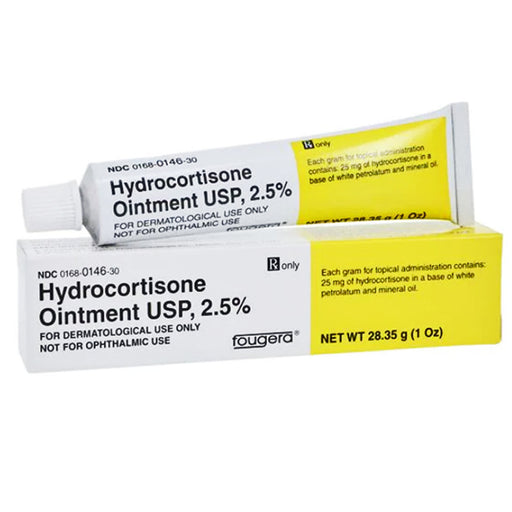
Pramoxine Hydrocortisone Acetate 2.5% & Pramoxine Hydrochloride 1% Ointment 28.4 gram (RX)

SKU: 54766-0777-04
Sale 27%
Original price $ 550.00
Current price $ 399.95
Free Shipping on orders above $120
Fast Delivery
Fast Delivery
24/7 Support
24/7 Support
No Returns
No Returns
Hospital Grade
Hospital Grade
Payment Secure transaction
Packaging Ships in product packaging
Pramoxine Hydrocortisone Acetate 2.5% & Pramoxine Hydrochloride 1% Ointment 28.4 gram (RX)
Sale 27%
Original price $ 550.00
Current price $ 399.95
Free Shipping on orders above $120
Fast Delivery
Fast Delivery
24/7 Support
24/7 Support
No Returns
No Returns
Hospital Grade
Hospital Grade
Payment Secure transaction
Packaging Ships in product packaging
Pramoxine Hydrocortisone Acetate 2.5% & Pramoxine Hydrochloride 1% Ointment 28.4 gram (RX)
$ 550.00 $ 399.95
šŸ”’ Medical License Required
Description

Pramoxine Hydrochloride 1% / Hydrocortisone Acetate 2.5% Ointment, 28.4 g

Pramoxine Hydrochloride 1% and Hydrocortisone Acetate 2.5% Ointment is a prescription topical medication used to relieve itching, redness, inflammation, burning, and discomfort associated with certain inflammatory and itchy skin conditions. The 28.4-gram tube is approximately 1 ounce of ointment.

It combines:

  • Hydrocortisone acetate 2.5% — a topical corticosteroid that reduces inflammation, redness, swelling, and itching.
  • Pramoxine hydrochloride 1% — a topical local anesthetic/anti-itch agent that temporarily numbs irritated skin and helps relieve itching, burning, stinging, and pain.

Active ingredients and strengths

In each gram of ointment, the product generally contains:

Active ingredient Strength Purpose
Hydrocortisone acetate 2.5% (25 mg per gram) Corticosteroid; decreases inflammation and itching
Pramoxine hydrochloride 1% (10 mg per gram) Local anesthetic/antipruritic; relieves itching and discomfort

A 28.4 g tube contains approximately:

  • 710 mg hydrocortisone acetate total
  • 284 mg pramoxine hydrochloride total

What it is used for

This ointment is commonly prescribed for corticosteroid-responsive, pruritic (itchy) inflammatory skin conditions, particularly when rapid symptom relief is needed. Depending on the specific product labeling and clinician instructions, it may be used for conditions such as:

  • Eczema or atopic dermatitis
  • Contact dermatitis, including reactions to irritants or allergens
  • Allergic skin reactions
  • Insect-bite reactions
  • Mild inflammatory rashes
  • Itching related to certain dry or irritated skin conditions
  • Pruritus (itching) associated with inflammatory dermatoses
  • Perianal irritation or itching in some cases, if specifically directed by a clinician and supported by the product labeling

It may also be used in other situations determined by a prescriber.

Important distinction

This is not an antifungal, antibiotic, antiviral, or scabies treatment. It may reduce redness and itch from a rash without treating an underlying infection. A fungal rash, bacterial infection, herpes infection, or parasitic condition can worsen or become masked if a steroid-containing ointment is used without the correct diagnosis.

How each ingredient works

Hydrocortisone acetate 2.5%

Hydrocortisone is a relatively low-potency topical corticosteroid, although 2.5% hydrocortisone is stronger than many nonprescription 1% hydrocortisone products. It works by suppressing inflammatory chemical signals in the skin. This reduces:

  • Redness
  • Swelling
  • Irritation
  • Itching
  • Burning
  • Rash-related discomfort

The ā€œacetateā€ form is an ester of hydrocortisone designed for topical use in the skin.

Pramoxine hydrochloride 1%

Pramoxine is a local anesthetic and antipruritic agent. It helps interrupt nerve signals that contribute to:

  • Itching
  • Burning
  • Stinging
  • Mild pain or soreness

Pramoxine provides symptom relief but does not address the underlying cause of inflammation or infection.

Dosage form: ointment

This medication is supplied as an ointment, not a cream or lotion. Ointments are generally more occlusive and moisturizing than creams, making them useful for:

  • Dry, scaly, cracked, or thickened skin
  • Areas where a protective barrier is helpful
  • Conditions worsened by dryness

However, because ointments are occlusive, they can increase medication absorption—especially when used on damaged skin, large areas, skin folds, or under bandages. This is one reason it should be used only as directed.

General directions for use

Use the medication exactly as prescribed. Typical topical corticosteroid directions often involve applying a thin film to the affected external skin area one to several times daily, but the exact frequency and duration must come from the prescribing label.

General application principles:

  1. Wash hands before and after use, unless the hands are the treatment area.
  2. Clean and gently dry the affected area.
  3. Apply only a thin layer of ointment.
  4. Rub in gently unless directed otherwise.
  5. Do not use more often, in larger quantities, or for a longer period than prescribed.
  6. Do not cover with an airtight dressing, plastic wrap, diaper, or tight bandage unless specifically instructed.

If used in the diaper area of an infant or child, do not use tight-fitting diapers or plastic pants as occlusive dressings, unless the prescriber specifically directs this. Occlusion can significantly increase steroid absorption.

Areas to avoid unless specifically instructed

Do not apply this ointment to the following unless the prescriber has specifically advised it:

  • Eyes, eyelids, or inside the eye
  • Mouth or inside the nose
  • Genitals, rectum, or internal body surfaces unless the product is specifically labeled and prescribed for that use
  • Broken, severely damaged, ulcerated, or infected skin
  • Large areas of the body
  • Under occlusive dressings
  • Face, groin, armpits, or skin folds for prolonged periods

Topical corticosteroids can cause side effects more readily on the face, groin, underarms, genital/perianal region, and skin folds because those areas absorb medication more easily.

Important warnings and precautions

1. Do not use for an undiagnosed rash indefinitely

If symptoms do not improve, worsen, spread, recur quickly, or are accompanied by pain, pus, fever, crusting, blisters, or open sores, contact a clinician. These findings may suggest infection or another condition that requires a different treatment.

2. Steroid absorption can occur

Although it is used on the skin, hydrocortisone can be absorbed into the body, especially with:

  • Prolonged use
  • Large treatment areas
  • Use under bandages or occlusive coverings
  • Use on inflamed, broken, or thin skin
  • Use in children
  • Use in skin folds, diaper areas, or genital/perianal areas

Excess systemic corticosteroid absorption can rarely suppress normal adrenal gland function, particularly in children or with high exposure.

3. Use caution in children

Children have a greater body-surface-area-to-weight ratio and may absorb proportionally more topical corticosteroid than adults. Use should be limited to the smallest amount for the shortest appropriate duration. It should be used in pediatric patients only under appropriate medical direction.

4. Existing skin infections

Steroids can reduce the visible signs of infection and may allow certain infections to worsen. If there is a bacterial, fungal, viral, or parasitic infection, appropriate anti-infective treatment may be necessary.

5. Allergy or irritation

Stop use and seek medical advice if the product causes severe burning, swelling, rash, blistering, worsening irritation, or signs of an allergic reaction.

Possible side effects

Many people use this medication without major problems when it is applied correctly for a limited time. Possible local effects include:

  • Mild temporary burning, stinging, or itching after application
  • Dryness
  • Skin irritation
  • Redness
  • Folliculitis (inflamed hair follicles)
  • Acne-like eruptions
  • Changes in skin color
  • Skin thinning/atrophy with prolonged or excessive use
  • Stretch marks (striae)
  • Visible small blood vessels (telangiectasia)
  • Increased hair growth in the treated area
  • Contact dermatitis or sensitivity to the medication or base ingredients

Rare but more serious effects with excessive absorption may include signs of corticosteroid excess or adrenal suppression. Seek medical advice if there are unusual systemic symptoms, particularly after prolonged use over large areas.

Drug interactions

Because this is primarily a topical medication, major drug interactions are less common than with oral corticosteroids. However, tell the prescriber and pharmacist about:

  • Other corticosteroid products, including inhaled, oral, injected, nasal, or topical steroids
  • Other creams, ointments, anesthetics, medicated wipes, hemorrhoid products, or anti-itch products being used on the same area
  • Any history of allergy to local anesthetics or topical products

Avoid layering multiple topical medications on the same area unless a clinician has instructed you to do so.

Pregnancy and breastfeeding

Topical corticosteroids are often used cautiously during pregnancy when needed, but prolonged use, high-potency use, large-area application, and occlusion should generally be avoided unless medically necessary.

For breastfeeding:

  • Do not apply this medication to the nipple or breast area immediately before feeding unless specifically directed.
  • Avoid infant contact with treated skin.
  • Discuss use with a healthcare professional if treating large areas or using it for an extended period.

Storage and handling

Store the tube according to its pharmacy label and package insert. In general:

  • Keep tightly closed when not in use.
  • Store at controlled room temperature unless labeled otherwise.
  • Protect from excessive heat and freezing.
  • Keep out of reach of children and pets.
  • Do not share prescription topical medications with others.
  • Do not use after the expiration date.

Pramoxine HCl 1% / Hydrocortisone acetate 2.5% ointment, 28.4 g is a prescription topical anti-inflammatory and anti-itch medication. Hydrocortisone reduces the inflammatory skin reaction, while pramoxine provides localized relief from itching, burning, and discomfort. It is most appropriate for short-term, clinician-directed treatment of itchy inflammatory skin conditions. It should be applied in a thin layer, used only for the prescribed duration, and avoided on the eyes, large skin areas, or under occlusive coverings unless specifically instructed.


Description

Pramoxine Hydrochloride 1% / Hydrocortisone Acetate 2.5% Ointment, 28.4 g

Pramoxine Hydrochloride 1% and Hydrocortisone Acetate 2.5% Ointment is a prescription topical medication used to relieve itching, redness, inflammation, burning, and discomfort associated with certain inflammatory and itchy skin conditions. The 28.4-gram tube is approximately 1 ounce of ointment.

It combines:

  • Hydrocortisone acetate 2.5% — a topical corticosteroid that reduces inflammation, redness, swelling, and itching.
  • Pramoxine hydrochloride 1% — a topical local anesthetic/anti-itch agent that temporarily numbs irritated skin and helps relieve itching, burning, stinging, and pain.

Active ingredients and strengths

In each gram of ointment, the product generally contains:

Active ingredient Strength Purpose
Hydrocortisone acetate 2.5% (25 mg per gram) Corticosteroid; decreases inflammation and itching
Pramoxine hydrochloride 1% (10 mg per gram) Local anesthetic/antipruritic; relieves itching and discomfort

A 28.4 g tube contains approximately:

  • 710 mg hydrocortisone acetate total
  • 284 mg pramoxine hydrochloride total

What it is used for

This ointment is commonly prescribed for corticosteroid-responsive, pruritic (itchy) inflammatory skin conditions, particularly when rapid symptom relief is needed. Depending on the specific product labeling and clinician instructions, it may be used for conditions such as:

  • Eczema or atopic dermatitis
  • Contact dermatitis, including reactions to irritants or allergens
  • Allergic skin reactions
  • Insect-bite reactions
  • Mild inflammatory rashes
  • Itching related to certain dry or irritated skin conditions
  • Pruritus (itching) associated with inflammatory dermatoses
  • Perianal irritation or itching in some cases, if specifically directed by a clinician and supported by the product labeling

It may also be used in other situations determined by a prescriber.

Important distinction

This is not an antifungal, antibiotic, antiviral, or scabies treatment. It may reduce redness and itch from a rash without treating an underlying infection. A fungal rash, bacterial infection, herpes infection, or parasitic condition can worsen or become masked if a steroid-containing ointment is used without the correct diagnosis.

How each ingredient works

Hydrocortisone acetate 2.5%

Hydrocortisone is a relatively low-potency topical corticosteroid, although 2.5% hydrocortisone is stronger than many nonprescription 1% hydrocortisone products. It works by suppressing inflammatory chemical signals in the skin. This reduces:

  • Redness
  • Swelling
  • Irritation
  • Itching
  • Burning
  • Rash-related discomfort

The ā€œacetateā€ form is an ester of hydrocortisone designed for topical use in the skin.

Pramoxine hydrochloride 1%

Pramoxine is a local anesthetic and antipruritic agent. It helps interrupt nerve signals that contribute to:

  • Itching
  • Burning
  • Stinging
  • Mild pain or soreness

Pramoxine provides symptom relief but does not address the underlying cause of inflammation or infection.

Dosage form: ointment

This medication is supplied as an ointment, not a cream or lotion. Ointments are generally more occlusive and moisturizing than creams, making them useful for:

  • Dry, scaly, cracked, or thickened skin
  • Areas where a protective barrier is helpful
  • Conditions worsened by dryness

However, because ointments are occlusive, they can increase medication absorption—especially when used on damaged skin, large areas, skin folds, or under bandages. This is one reason it should be used only as directed.

General directions for use

Use the medication exactly as prescribed. Typical topical corticosteroid directions often involve applying a thin film to the affected external skin area one to several times daily, but the exact frequency and duration must come from the prescribing label.

General application principles:

  1. Wash hands before and after use, unless the hands are the treatment area.
  2. Clean and gently dry the affected area.
  3. Apply only a thin layer of ointment.
  4. Rub in gently unless directed otherwise.
  5. Do not use more often, in larger quantities, or for a longer period than prescribed.
  6. Do not cover with an airtight dressing, plastic wrap, diaper, or tight bandage unless specifically instructed.

If used in the diaper area of an infant or child, do not use tight-fitting diapers or plastic pants as occlusive dressings, unless the prescriber specifically directs this. Occlusion can significantly increase steroid absorption.

Areas to avoid unless specifically instructed

Do not apply this ointment to the following unless the prescriber has specifically advised it:

  • Eyes, eyelids, or inside the eye
  • Mouth or inside the nose
  • Genitals, rectum, or internal body surfaces unless the product is specifically labeled and prescribed for that use
  • Broken, severely damaged, ulcerated, or infected skin
  • Large areas of the body
  • Under occlusive dressings
  • Face, groin, armpits, or skin folds for prolonged periods

Topical corticosteroids can cause side effects more readily on the face, groin, underarms, genital/perianal region, and skin folds because those areas absorb medication more easily.

Important warnings and precautions

1. Do not use for an undiagnosed rash indefinitely

If symptoms do not improve, worsen, spread, recur quickly, or are accompanied by pain, pus, fever, crusting, blisters, or open sores, contact a clinician. These findings may suggest infection or another condition that requires a different treatment.

2. Steroid absorption can occur

Although it is used on the skin, hydrocortisone can be absorbed into the body, especially with:

  • Prolonged use
  • Large treatment areas
  • Use under bandages or occlusive coverings
  • Use on inflamed, broken, or thin skin
  • Use in children
  • Use in skin folds, diaper areas, or genital/perianal areas

Excess systemic corticosteroid absorption can rarely suppress normal adrenal gland function, particularly in children or with high exposure.

3. Use caution in children

Children have a greater body-surface-area-to-weight ratio and may absorb proportionally more topical corticosteroid than adults. Use should be limited to the smallest amount for the shortest appropriate duration. It should be used in pediatric patients only under appropriate medical direction.

4. Existing skin infections

Steroids can reduce the visible signs of infection and may allow certain infections to worsen. If there is a bacterial, fungal, viral, or parasitic infection, appropriate anti-infective treatment may be necessary.

5. Allergy or irritation

Stop use and seek medical advice if the product causes severe burning, swelling, rash, blistering, worsening irritation, or signs of an allergic reaction.

Possible side effects

Many people use this medication without major problems when it is applied correctly for a limited time. Possible local effects include:

  • Mild temporary burning, stinging, or itching after application
  • Dryness
  • Skin irritation
  • Redness
  • Folliculitis (inflamed hair follicles)
  • Acne-like eruptions
  • Changes in skin color
  • Skin thinning/atrophy with prolonged or excessive use
  • Stretch marks (striae)
  • Visible small blood vessels (telangiectasia)
  • Increased hair growth in the treated area
  • Contact dermatitis or sensitivity to the medication or base ingredients

Rare but more serious effects with excessive absorption may include signs of corticosteroid excess or adrenal suppression. Seek medical advice if there are unusual systemic symptoms, particularly after prolonged use over large areas.

Drug interactions

Because this is primarily a topical medication, major drug interactions are less common than with oral corticosteroids. However, tell the prescriber and pharmacist about:

  • Other corticosteroid products, including inhaled, oral, injected, nasal, or topical steroids
  • Other creams, ointments, anesthetics, medicated wipes, hemorrhoid products, or anti-itch products being used on the same area
  • Any history of allergy to local anesthetics or topical products

Avoid layering multiple topical medications on the same area unless a clinician has instructed you to do so.

Pregnancy and breastfeeding

Topical corticosteroids are often used cautiously during pregnancy when needed, but prolonged use, high-potency use, large-area application, and occlusion should generally be avoided unless medically necessary.

For breastfeeding:

  • Do not apply this medication to the nipple or breast area immediately before feeding unless specifically directed.
  • Avoid infant contact with treated skin.
  • Discuss use with a healthcare professional if treating large areas or using it for an extended period.

Storage and handling

Store the tube according to its pharmacy label and package insert. In general:

  • Keep tightly closed when not in use.
  • Store at controlled room temperature unless labeled otherwise.
  • Protect from excessive heat and freezing.
  • Keep out of reach of children and pets.
  • Do not share prescription topical medications with others.
  • Do not use after the expiration date.

Pramoxine HCl 1% / Hydrocortisone acetate 2.5% ointment, 28.4 g is a prescription topical anti-inflammatory and anti-itch medication. Hydrocortisone reduces the inflammatory skin reaction, while pramoxine provides localized relief from itching, burning, and discomfort. It is most appropriate for short-term, clinician-directed treatment of itchy inflammatory skin conditions. It should be applied in a thin layer, used only for the prescribed duration, and avoided on the eyes, large skin areas, or under occlusive coverings unless specifically instructed.


Get Notified When Back in Stock