Triamcinolone Acetonide Ointment 0.1% — Clinical Overview
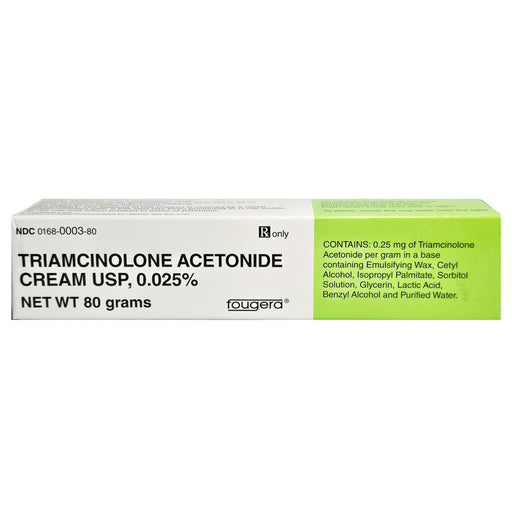
Triamcinolone acetonide ointment 0.1% is a prescription topical corticosteroid used to reduce inflammation, redness, itching, and swelling in corticosteroid-responsive skin disorders. The concentration 0.1% = 1 mg of triamcinolone acetonide per gram of ointment.
It is generally considered a medium-potency topical steroid; the ointment vehicle is more occlusive than cream or lotion, which can increase penetration and effectiveness, especially on dry or thickened skin.
Mechanism of Action
Triamcinolone acetonide works by binding to glucocorticoid receptors in the skin, leading to:
- Decreased inflammatory cytokine production
- Reduced immune-cell migration
- Vasoconstriction
- Reduced itching and redness
- Decreased swelling and irritation
It is anti-inflammatory, antipruritic, and immunosuppressive, but it is not an antibiotic, antifungal, or antiviral.
Common Uses
Triamcinolone acetonide ointment 0.1% is used for inflammatory skin conditions such as:
- Atopic dermatitis / eczema
- Contact dermatitis
- Allergic dermatitis
- Nummular eczema
- Lichen simplex chronicus
- Psoriasis plaques, especially localized areas
- Insect-bite reactions
- Poison ivy/oak/sumac dermatitis
- Seborrheic dermatitis in selected non-facial areas
- Dry, thickened, or lichenified inflammatory lesions
It is best suited for dry, scaly, thick, or chronic plaques because the ointment base helps seal in moisture.
Areas Where Caution Is Needed
Triamcinolone 0.1% ointment should generally be avoided or used only briefly under clinician direction on:
- Face
- Eyelids
- Groin
- Axillae
- Genitals
- Skin folds
- Diaper area in children
- Open wounds or ulcerated skin
These areas absorb topical steroids more readily and are at higher risk for adverse effects such as skin thinning, striae, and systemic absorption.
How to Apply
Standard Technique
-
Wash hands before application.
- Clean and gently dry the affected area.
- Apply a thin film to the affected skin only.
- Rub in gently until evenly distributed.
- Wash hands afterward unless the hands are the treated area.
- Do not cover with airtight dressings unless specifically ordered.
Typical clinical use is once or twice daily. Some product labeling allows 2–4 times daily, but in modern practice, more than twice daily is rarely necessary and may increase adverse effects.
Finger-Tip Unit Method
A helpful dosing guide is the finger-tip unit, or FTU.
-
1 FTU = amount squeezed from the tip of an adult index finger to the first crease
- Approximately 0.5 grams
- Covers about two adult palm-sized areas
This helps prevent both underuse and overuse.
Example: If one adult arm requires about 3–4 FTUs per application, that equals approximately 1.5–2 grams per application.
Use With Moisturizers
For eczema and dry inflammatory dermatoses:
- Apply triamcinolone only to inflamed or active rash areas.
- Use a bland emollient, such as petrolatum or fragrance-free moisturizer, generously to surrounding dry skin.
- If applying both to the same area, separate application by about 10–30 minutes to avoid dilution.
A common approach after bathing is:
- Bathe briefly in lukewarm water.
- Pat skin dry.
- Apply triamcinolone to active lesions.
- Apply moisturizer broadly to dry skin.
Occlusion and Wet Wraps
Occlusion can greatly increase steroid absorption.
Examples of occlusion include:
- Plastic wrap
- Tight bandages
- Hydrocolloid dressings
- Diapers
- Plastic pants
Occlusion may be useful for thick plaques or severe eczema but should be used only under medical supervision because it increases risk of:
- Skin atrophy
- Folliculitis
- Maceration
- Secondary infection
- HPA-axis suppression
Duration of Therapy
Use should be limited to the shortest effective duration.
Common practice:
- Acute dermatitis: several days to 2 weeks
- Chronic plaques: may require longer intermittent treatment
- Face/folds/genitals: usually avoid, or use very short courses only if specifically directed
- Reassess if no improvement after 1–2 weeks
For chronic conditions, clinicians often use a step-down plan:
- Control flare with triamcinolone
- Stop when lesions flatten and itching improves
- Continue moisturizers
- Consider intermittent “weekend” or twice-weekly maintenance only if prescribed
Adverse Effects
Local Skin Effects
Possible side effects include:
- Burning or stinging
- Irritation
- Dryness
- Folliculitis
- Acneiform eruption
- Hypopigmentation
- Hypertrichosis
- Skin thinning/atrophy
- Easy bruising or purpura
- Telangiectasia
- Striae
- Delayed wound healing
- Perioral dermatitis
- Worsening or masking of infection
Long-term or inappropriate use can cause tinea incognito, where a fungal infection becomes less recognizable and more extensive due to steroid suppression.
Systemic Effects
Systemic absorption is uncommon with appropriate use but can occur, especially with:
- Large body surface area use
- Prolonged use
- Occlusion
- Use in children
- Use on thin skin
- Damaged or inflamed skin
Potential systemic effects include:
- HPA-axis suppression
- Cushingoid features
- Hyperglycemia
- Glucosuria
- Growth suppression in children
- Increased infection risk
Periocular use may contribute to glaucoma or cataracts.
Contraindications and Precautions
Avoid use in patients with known hypersensitivity to triamcinolone or ointment components.
Use caution or avoid in:
- Untreated fungal infections
- Untreated bacterial infections
- Viral skin infections such as herpes simplex, varicella, or vaccinia
- Acne vulgaris
- Rosacea
- Perioral dermatitis
- Skin ulcers
- Unclear rashes without diagnosis
If infection is present, the infection should be treated appropriately. Steroids should not be used as monotherapy for infectious skin disease.
Pediatric Considerations
Children have a higher surface-area-to-body-weight ratio and absorb proportionally more topical steroid.
Important pediatric precautions:
- Use the lowest effective potency.
- Avoid face, groin, and diaper areas unless specifically prescribed.
- Avoid occlusion.
- Use short courses.
- Monitor for growth effects or signs of systemic steroid exposure with prolonged use.
A diaper functions as an occlusive dressing and can significantly increase absorption.
Pregnancy and Lactation
Topical corticosteroids are commonly used in pregnancy when clinically indicated, but clinicians should use:
- Lowest effective potency
- Smallest effective amount
- Shortest effective duration
- Avoidance of large body surface area treatment or occlusion
During breastfeeding:
- Do not apply to nipple or areola unless specifically directed.
- If applied near the breast, clean the area before nursing.
- Avoid infant skin contact with treated areas.
Nursing Considerations
Nurses should:
- Verify medication, strength, site, frequency, and duration.
- Assess skin before each application.
- Wear gloves when applying to a patient.
- Apply only to ordered areas.
- Use a thin layer, not a thick coating.
- Avoid eyes, mucous membranes, and non-affected skin.
- Document site, appearance, amount used, response, and adverse effects.
- Teach patients not to share the medication.
- Report worsening redness, warmth, drainage, pain, fever, or spreading rash.
Hold and notify the provider if there are signs of infection, significant skin breakdown, severe irritation, or unexpected worsening.
Prescriber Considerations
A good prescription should specify:
- Medication and strength
- Vehicle: ointment
- Exact body site
- Frequency
- Maximum duration
- Areas to avoid
- Quantity to dispense
- Follow-up plan
Example:
Triamcinolone acetonide 0.1% ointment: Apply a thin layer to eczema plaques on arms and legs twice daily for up to 14 days, then stop. Avoid face, groin, and axillae. Dispense 60 g.
If the condition does not improve, reassess for:
- Incorrect diagnosis
- Fungal infection
- Scabies
- Allergic contact dermatitis
- Bacterial superinfection
- Poor adherence
- Continued irritant/allergen exposure
- Steroid allergy
- Psoriasis or other inflammatory dermatoses
Patient Education Points
Patients should be told:
- This medication reduces inflammation and itching.
- It is not for infection unless used with appropriate antimicrobial therapy.
- Use only on the prescribed areas.
- Apply a thin layer.
- Do not use on the face, groin, or underarms unless instructed.
- Do not cover with plastic or tight dressings unless directed.
- Stop when the rash is controlled, unless otherwise instructed.
- Contact a clinician if the rash worsens, spreads, drains, becomes painful, or does not improve.
Clinical Summary
Triamcinolone acetonide ointment 0.1% is a medium-potency topical corticosteroid used for inflammatory, itchy, steroid-responsive skin diseases. It is particularly useful for dry, thickened, or scaly lesions. Safe use depends on correct diagnosis, appropriate site selection, thin application, limited duration, avoidance of unnecessary occlusion, and monitoring for infection or steroid-related adverse effects.
Triamcinolone Acetonide Ointment USP 0.1% is a prescription-only (Rx) medication. It is intended for purchase and use exclusively by licensed healthcare professionals, licensed medical facilities, and verified institutional buyers operating under applicable US federal and state regulations.
This product is not intended for sale to or use by unlicensed individuals, and it is not approved for over-the-counter purchase in the United States. Nothing on this page constitutes medical advice, a clinical recommendation, or a substitute for the judgment of a licensed medical provider.
All clinical information provided on this page is for professional reference only, is consistent with FDA prescribing information and peer-reviewed clinical literature, and has been prepared for qualified healthcare professionals. Mountainside Medical Equipment does not provide medical diagnoses or treatment recommendations.
Product availability, brand, and NDC are subject to change due to manufacturer supply. In the event of a backorder, a therapeutically equivalent substitution may be made — contact our sales team at sales@mountainside-medical.com or +1 (888) 687-4334 if brand or NDC specificity is required.