Triamcinolone Injection 40 mg
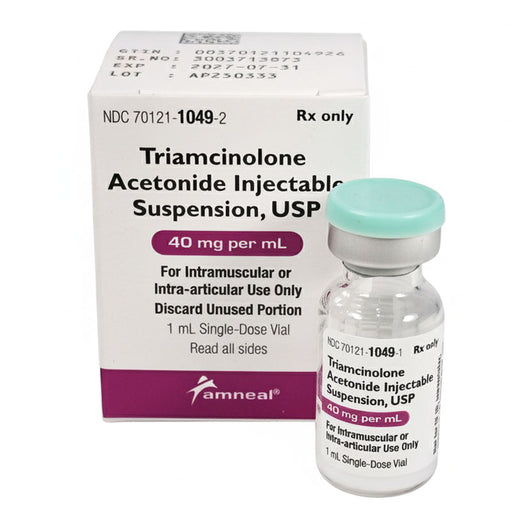
Triamcinolone acetonide is a potent synthetic glucocorticoid (corticosteroid). The 40 mg injection (often sold as Kenalog-40 or similar) is a sterile suspension in which each milliliter contains 40 mg of triamcinolone acetonide. It is designed for intramuscular (IM) or intra-articular (joint or soft-tissue) injection. (It is not given intravenously, intradermally, or into the spine/eye due to safety concerns. Benzyl alcohol is included as a preservative in the formulation, so it is contraindicated in neonates (newborns).
Triamcinolone acetate injection works by suppressing inflammation and immune responses. Its effects are long-lasting: a single dose can relieve symptoms for weeks (studies show adrenal suppression and anti-inflammatory effect can last ~30–40 days). It is used in a variety of corticosteroid-responsive conditions, especially when a rapid, strong anti-inflammatory effect is needed or when oral therapy is not feasible. Typical uses include:
-
Severe allergic/inflammatory conditions: For example, when conventional treatments fail in asthma attacks, severe eczema or dermatitis, drug hypersensitivity reactions, serum sickness, blood transfusion reactions, or very bad hives and rashes. It controls “incapacitating” allergy symptoms by reducing immune activity.
-
Dermatologic diseases: Used for serious skin disorders such as pemphigus, bullous dermatitis herpetiformis, Stevens–Johnson syndrome, and other exfoliative or blistering diseases. (Often given IM to “tide over” a flare.)
-
Rheumatic and joint disorders: It provides symptomatic relief in acutely inflamed joints. For example, it can be injected directly into an arthritic knee or bursae to relieve pain/swelling from gouty arthritis, rheumatoid arthritis, osteoarthritis (synovitis of OA), bursitis, epicondylitis (tennis elbow), and similar conditions.
-
Other serious disorders: Triamcinolone IM is also used in certain endocrine problems (like adrenal insufficiency crises, congenital adrenal hyperplasia), to manage severe ulcerative colitis or Crohn’s disease flares and in some blood disorders (autoimmune hemolytic anemia, aplastic anemia, thrombocytopenia). In all cases, it is used as a short-term “burst” therapy to quickly reduce inflammation and symptoms; patients are monitored closely.
Because it is an injectable steroid, administration must be done by healthcare professionals. The drug is typically given as a single IM dose (often 40 mg or similar) or as an injection into the affected joint or tissue. Depending on the condition, a dose might be repeated after weeks if needed, but long-term continuous use is generally avoided.
Drug Class and Mechanism
Triamcinolone is a synthetic glucocorticoid corticosteroid.
It works by:
- Suppressing inflammatory cytokines
- Reducing leukocyte migration
- Decreasing capillary permeability
- Suppressing immune and allergic responses
- Reducing swelling, redness, pain, and pruritus
It has strong glucocorticoid activity and minimal mineralocorticoid activity.
Approximate steroid equivalence:
- Triamcinolone 4 mg ≈ prednisone 5 mg ≈ methylprednisolone 4 mg ≈ hydrocortisone 20 mg
Common Uses
Uses depend on the route of administration.
1. Intramuscular Use
Used for systemic corticosteroid effect when oral therapy is not practical or desired.
Possible indications include severe or refractory:
- Allergic conditions
- Dermatologic inflammatory diseases
- Rheumatic disorders
- Respiratory inflammatory disorders
- Certain gastrointestinal inflammatory diseases
- Hematologic or autoimmune conditions
- Some ophthalmic inflammatory conditions, when systemic steroid therapy is indicated
Depot IM triamcinolone is used less commonly today for conditions such as allergic rhinitis because safer and more titratable options often exist.
2. Intra-Articular / Intrasynovial Use
Injected into a joint to reduce local inflammation.
Common examples:
- Osteoarthritis flare
- Rheumatoid arthritis flare
- Synovitis
- Gout or pseudogout after infection has been excluded
- Inflammatory arthritis involving a specific joint
3. Intrabursal or Soft-Tissue Use
May be used for localized inflammatory conditions such as:
- Bursitis
- Tenosynovitis
- Epicondylitis
- Periarticular inflammation
Important: avoid injecting directly into tendons due to risk of tendon weakening or rupture.
4. Intralesional Dermatologic Use
The 40 mg/mL product may be diluted and used by experienced clinicians for certain lesions, although lower-strength preparations are often preferred.
Examples include:
- Keloids
- Hypertrophic scars
- Alopecia areata
- Lichen simplex chronicus
- Localized psoriasis plaques
- Granuloma annulare
- Selected inflammatory dermatoses
Intralesional use requires careful technique to avoid skin atrophy, hypopigmentation, and fat loss.
Dose and Volume Considerations
Dose depends on diagnosis, route, joint size, lesion size, patient comorbidities, and prior steroid exposure.
Because the product is 40 mg/mL, volume calculations are:
| Ordered Dose |
Volume |
| 10 mg |
0.25 mL |
| 20 mg |
0.5 mL |
| 40 mg |
1 mL |
| 60 mg |
1.5 mL |
| 80 mg |
2 mL |
Common adult ranges may include:
-
IM systemic therapy: often 40–80 mg deep IM, individualized
-
Small joint injection: often 2.5–10 mg
-
Large joint injection: often 20–40 mg
-
Multiple joints in one session: total dose is commonly limited; many references use around 80 mg as an upper session dose
-
Intralesional dermatology: often diluted to 2.5–40 mg/mL depending on lesion and site
Always follow product labeling, institutional protocol, specialty guidance, and prescriber order.
Administration Techniques
General Preparation
Before administration:
- Verify correct patient, drug, concentration, dose, route, site, and indication.
- Check allergy history, including corticosteroids, benzyl alcohol, latex, local anesthetics if used, and antiseptics.
- Inspect vial for expiration date, contamination, discoloration, clumping, or cracked container.
- Shake vial well. This is a suspension and must be uniformly mixed before withdrawal.
- Use aseptic technique.
- Calculate dose carefully based on 40 mg/mL concentration.
- Draw up using an appropriate needle; change needle before injection if needed.
- Label syringe if not administered immediately.
- Do not mix with other medications unless compatibility and institutional policy support it.
Intramuscular Injection Technique
For systemic depot therapy.
Recommended approach:
- Use a deep IM site, commonly ventrogluteal or upper outer gluteal region.
- Avoid superficial injection because subcutaneous deposition can cause fat atrophy, dimpling, pain, or poor absorption.
- Avoid deltoid administration when possible due to increased risk of local tissue atrophy.
- Use appropriate needle length based on body habitus.
- Inject at 90 degrees into muscle.
- Use Z-track technique if institutionally preferred.
- Do not inject into a blood vessel.
- Rotate sites if repeated dosing is required.
Monitor afterward for allergic reaction, vasovagal response, pain, bleeding, or local tissue reaction.
Intra-Articular Injection Technique
For joint injection.
Clinical steps:
- Confirm indication and rule out septic arthritis.
- Obtain informed consent.
- Assess anticoagulation status, platelet count if relevant, diabetes control, and infection risk.
- Prep skin using sterile technique.
- Consider local anesthetic if appropriate.
- Aspirate effusion if present; send synovial fluid for analysis if infection, crystals, or unclear diagnosis is possible.
- Inject triamcinolone into the joint space without resistance.
- Avoid injecting through cellulitis or infected skin.
- Apply dressing.
- Advise relative rest of the joint for 24–48 hours.
Use image guidance for deep or difficult joints such as hip, shoulder, sacroiliac joint, or small complex joints when appropriate.
Avoid intra-articular injection in:
- Suspected septic arthritis
- Bacteremia
- Overlying cellulitis
- Unstable joint
- Intra-articular fracture
- Prosthetic joint unless specialist-directed
- Severe uncontrolled coagulopathy
Intrabursal / Tendon Sheath / Soft-Tissue Technique
Important principles:
- Inject around inflamed tissue, not directly into tendon substance.
- Use the smallest effective dose.
- Limit repeat injections.
- Counsel patient about tendon rupture risk, especially with Achilles, patellar, biceps, or rotator cuff regions.
- Use ultrasound guidance when anatomy is uncertain.
Intralesional Dermatology Technique
For lesions such as keloids or alopecia areata.
Technique principles:
- Often dilute 40 mg/mL to a lower concentration.
- Use a small syringe and fine needle.
- Inject into the lesion itself, not normal surrounding skin.
- Avoid injecting too deeply into subcutaneous fat.
- Use small aliquots spaced through the lesion.
- Avoid excessive pressure or large-volume boluses.
- Repeat sessions are typically spaced several weeks apart.
Potential dilution examples:
- To make 10 mg/mL: mix 1 part triamcinolone 40 mg/mL with 3 parts diluent.
- To make 5 mg/mL: mix 1 part triamcinolone 40 mg/mL with 7 parts diluent.
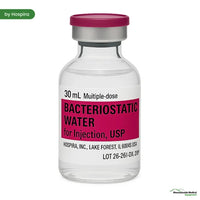
Diluent may be sterile normal saline or local anesthetic depending on clinical context and institutional policy. Prepare immediately before use and do not add diluent into the multidose vial.
Important Adverse Effects
Local Effects
Possible local reactions include:
- Pain at injection site
- Post-injection flare
- Skin atrophy
- Fat atrophy or dimpling
- Hypopigmentation or hyperpigmentation
- Sterile abscess
- Infection
- Delayed wound healing
- Tendon weakening or rupture
- Cartilage damage with repeated intra-articular injections
- Joint instability with excessive repeated use
A post-injection flare usually occurs within 24–48 hours and is self-limited. Persistent or worsening pain, fever, warmth, redness, or inability to move the joint should raise concern for infection.
Systemic Corticosteroid Effects
Even local injections can cause systemic absorption.
Possible systemic effects include:
- Hyperglycemia
- Hypertension
- Fluid retention
- Mood changes, insomnia, agitation, depression, or psychosis
- Increased appetite and weight gain
- HPA-axis suppression
- Cushingoid features with repeated exposure
- Increased infection risk
- Reactivation of latent tuberculosis or viral infections
- Peptic ulcer disease or GI bleeding risk
- Osteoporosis
- Avascular necrosis
- Myopathy
- Menstrual irregularities
- Cataracts or glaucoma
- Poor wound healing
Patients with diabetes may experience elevated glucose for several days after injection, sometimes longer after depot IM dosing.
Contraindications and Major Precautions
Contraindications or strong precautions include:
- Known hypersensitivity to triamcinolone or formulation components
- Systemic fungal infection
- Use by IV, epidural, intrathecal, or inappropriate ocular routes
- Septic arthritis or suspected joint infection
- Injection through infected skin
- Uncontrolled systemic infection unless appropriate anti-infective therapy is in place
- Premature infants or neonates if product contains benzyl alcohol
- IM use in idiopathic thrombocytopenic purpura
Use caution in patients with:
- Diabetes mellitus
- Uncontrolled hypertension
- Heart failure
- Renal impairment
- Active or latent TB
- History of strongyloidiasis
- Peptic ulcer disease
- Osteoporosis
- Glaucoma or cataracts
- Psychiatric illness
- Immunosuppression
- Recent vaccination
- Coagulopathy or anticoagulant therapy
- Pregnancy or breastfeeding
Drug Interaction Considerations
Important interactions include:
-
CYP3A4 inhibitors such as ritonavir, cobicistat, ketoconazole, itraconazole, clarithromycin: may increase steroid exposure and cause adrenal suppression or Cushing syndrome.
-
Diabetes medications: steroid-induced hyperglycemia may require temporary adjustment.
-
NSAIDs or anticoagulants: increased GI bleeding risk and possible bleeding concerns with procedures.
-
Diuretics: may increase hypokalemia risk.
-
Live vaccines: avoid in significantly immunosuppressed patients.
-
Warfarin: anticoagulant effect may change; monitor INR if clinically relevant.
Nursing and Provider Responsibilities
Pre-Administration Assessment
Assess:
- Indication and intended route
- Baseline pain, swelling, range of motion, rash, or lesion size
- Vital signs if systemic therapy is planned
- Diabetes history and recent glucose values
- Current infection or fever
- Anticoagulant/antiplatelet use
- Immunosuppressive therapies
- Pregnancy or breastfeeding status
- Recent vaccines
- Prior steroid exposure and response
- History of glaucoma, osteoporosis, ulcers, psychiatric reactions, or adrenal suppression
For joint injections, assess for septic arthritis:
- Acute hot swollen joint
- Fever
- Severe pain with passive movement
- Immunocompromised status
- Recent bacteremia
- Overlying cellulitis
If infection is possible, aspiration and diagnostic workup should occur before steroid injection.
Monitoring After Administration
Monitor for:
- Immediate hypersensitivity reaction
- Vasovagal reaction
- Bleeding or hematoma
- Increasing pain or swelling
- Fever or signs of infection
- Blood glucose elevation
- Blood pressure elevation
- Mood or sleep changes
- Local skin changes
- Therapeutic response
For repeated or high-dose use, consider monitoring:
- Weight
- Blood pressure
- A1c or glucose
- Bone density risk
- Eye exams
- Signs of adrenal suppression
- Infection history
Patient Education
Teach patients to report immediately:
- Fever
- Severe or worsening joint pain
- Redness, warmth, or drainage at injection site
- Shortness of breath or facial swelling
- Vision changes
- Black or bloody stools
- Severe mood changes
- Very high blood sugars
- Signs of adrenal insufficiency such as profound fatigue, dizziness, nausea, or hypotension
After joint injection:
- Rest the joint for 24–48 hours.
- Avoid strenuous activity for several days.
- Keep the injection site clean and dry.
- Mild soreness can occur.
- Seek care if pain worsens after the first 24–48 hours or systemic symptoms develop.
Multiple-Dose Vial Safety
Because this is a multiple-dose vial:
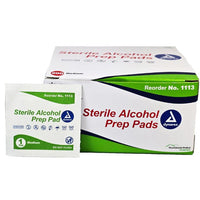
- Scrub vial septum with alcohol before every entry.
- Use a new sterile needle and syringe every time.
- Never reuse needles or syringes.
- Do not leave a needle in the vial.
- Label vial with date opened.
- Discard according to manufacturer instructions or institutional policy, commonly 28 days after first puncture unless otherwise specified.
- Store as directed, usually controlled room temperature.
- Do not freeze.
- Protect from contamination.
- Dedicate vial to one patient whenever feasible.
- If used for more than one patient, keep and access it only in a clean medication preparation area, not at bedside or in procedure rooms.
Documentation
Document:
- Medication name and concentration
- Dose in mg and volume in mL
- Route
- Exact site and laterality
- Lot number and expiration date when required
- Diluent or local anesthetic used, if any
- Patient consent for procedures
- Skin prep and aseptic technique
- Patient tolerance
- Post-procedure instructions
- Clinical response and adverse reactions
Clinical Summary
Triamcinolone injection 40 mg/mL multiple-dose is a long-acting corticosteroid suspension used for systemic IM therapy and local anti-inflammatory injections such as intra-articular, intrabursal, soft-tissue, or selected intralesional treatments. It provides potent anti-inflammatory effects but carries important risks, including infection masking, hyperglycemia, adrenal suppression, local tissue atrophy, tendon rupture, and serious harm if given by inappropriate routes. Safe use requires correct route selection, sterile technique, dose accuracy, patient screening, and careful follow-up.
Triamcinolone Injection 40 mg Uses
Triamcinolone Acetonide Injection 40 mg/mL is FDA-approved for:
- Rheumatoid arthritis, osteoarthritis, and bursitis – Reduces joint inflammation and pain with intra-articular or intramuscular injection.
- Allergic reactions and asthma – Controls severe allergic flare-ups, respiratory allergies, or acute asthma.
- Dermatologic diseases – Eczema, psoriasis, dermatitis, keloids, and other skin conditions.
- Tendonitis, gout, and soft tissue injuries – Effective for acute and chronic musculoskeletal inflammatory disorders.
- Systemic corticosteroid therapy – For endocrine, hematologic, gastrointestinal, and respiratory disorders responsive to steroids.
- Other autoimmune and inflammatory conditions requiring short-term corticosteroid therapy.
Drug class & formulation: Triamcinolone acetonide 40 mg/mL (Kenalog-40®) is a long-acting glucocorticoid steroid suspension for injection. It is an aqueous injectable suspension (each mL contains 40 mg triamcinolone acetonide plus saline, carboxymethylcellulose, polysorbate and 0.99% benzyl alcohol preservative. It is labeled for intramuscular (IM) or intra-articular use only – not for IV, intradermal or epidural injection. (Because of the benzyl alcohol, Kenalog-40 carries a contraindication in neonates.)
Indications – intramuscular injection: Kenalog-40 is used systemically when oral steroids are not feasible, for severe inflammatory or allergic conditions. Its intramuscular use is indicated for allergic states (e.g. life-threatening asthma or anaphylaxis, severe dermatitis, drug-reaction, allergic rhinitis), dermatologic diseases (e.g. pemphigus, severe psoriasis, Stevens-Johnson syndrome), as well as numerous other conditions across organ systems. These include endocrine disorders (adrenal insufficiency adjunct), gastrointestinal diseases (severe Crohn’s/colitis), hematologic and oncologic conditions (autoimmune anemia, leukemias palliative), neurologic/ocular inflammations, renal disease (nephrotic syndrome), respiratory diseases (e.g. sarcoidosis), and rheumatic disorders (acute rheumatoid or gouty arthritis, systemic lupus flares, etc.). In each case, the goal is rapid control of immunologic inflammation that is unresponsive to other therapy. (Kenalog-40 is typically an adjunct for short-term relief in acute episodes.)Indications – intra-articular (joint) injection: Triamcinolone 40 mg is also injected directly into joints or soft tissues to reduce localized inflammation. For example, physicians administer it intra-articularly for arthritis, bursitis, tendonitis, or osteoarthritis flares. Typical doses are 15–40 mg for large joints and 2.5–10 mg for small joints or tendon sheaths. This local injection delivers high steroid concentration to the affected area with reduced systemic exposure.
Triamcinolone Injection – Side Effects
Triamcinolone acetonide injections (e.g. Kenalog-40) are powerful corticosteroids. They can cause both local injection-site reactions and systemic steroid effects. Common side effects include the typical corticosteroid-related changes, plus some injection-specific effects:
-
Injection-site reactions: Pain, soreness, redness or swelling at the injection site are common. A few patients experience a “post-injection flare,” meaning a temporary increase in pain and swelling in a joint after an intra-articular injection. Rarely, a local sterile abscess or infection can occur. Because of these risks, injection sites are usually cleaned before use and patients are monitored for signs of infection or severe pain.
-
Fluid/metabolic effects: Like all corticosteroids, triamcinolone can cause fluid retention and weight gain (sometimes noted as “moon face” or swollen appearance). It increases appetite and sodium retention, which can lead to edema (swelling) and hypertension. It also raises blood sugar; patients may need higher doses of insulin or other diabetes meds during treatment. In people without known diabetes, the injection can still push blood sugar up temporarily.
-
Hormonal and endocrine effects: Systemic absorption can suppress the hypothalamic-pituitary-adrenal (HPA) axis. Long-term or repeated injections may lead to adrenal insufficiency (secondary adrenal suppression) and cause steroid withdrawal symptoms when stopping. Chronic use can produce Cushingoid features (fat redistribution, dermal atrophy), and children may experience growth suppression. Women might have menstrual irregularities or reduced fertility during use.
-
Neurologic/psychiatric: Patients often report mood changes. Common effects are insomnia, irritability or euphoria, but depression, anxiety or more severe “steroid psychosis” can occur. Headache, dizziness, or vertigo are also possible. In rare cases, very high doses or long-term steroids can precipitate seizures or bleeding strokes (especially via epidural/intrathecal use).
-
Dermatologic: Triamcinolone often causes skin thinning and easy bruising. Patients may experience acne, increased facial hair (hirsutism), or pigmentation changes. Wound healing can be impaired (scars may take longer to heal). With prolonged use, stretch marks (striae) and loss of collagen in the skin can appear.
-
Ophthalmic: Steroids can raise intraocular pressure, so glaucoma and cataracts are concerns with chronic use. Patients should watch for vision changes like blurred vision, eye pain or seeing halos (signs of glaucoma) and report them.
-
Gastrointestinal: Nausea, stomach pain or peptic ulcers can occur. Corticosteroids increase ulcer risk, especially if combined with NSAIDs. In rare cases, GI bleeding or perforation has been reported.
-
Musculoskeletal: Chronic systemic corticosteroids can weaken bones and muscles. Side effects include osteoporosis, muscle weakness, and tendon rupture. (There have also been reports of avascular necrosis—a type of bone death—in hips or shoulders after long-term high-dose steroid use.
-
Immune system: A major effect of corticosteroids is immune suppression. This means increased susceptibility to infections (bacterial, viral, fungal) and the potential re-activation of latent infections (like TB or hepatitis). Patients are advised to avoid exposure to contagious illnesses like chickenpox or measles while on steroids.
-
Allergic reactions: Although uncommon, triamcinolone injections can trigger allergic reactions ranging from rash and itching to anaphylaxis (a life-threatening reaction). Healthcare providers typically screen for allergies before injection.
-
Miscellaneous: Other reported effects include increased sweating; acne-like breakouts; acne; changes in fat distribution (“buffalo hump” on back of neck, “moon face”); impotence or changes in menstruation; and elevated liver enzymes. Post-injection flare: Specifically after joint injections, a transient flare of pain or inflammation can occur in the 24 hours after dosing; this is usually self-limited and not an infection.
In summary, triamcinolone acetonide injections can cause many of the classic corticosteroid side effects (weight gain, high blood pressure, blood sugar rise, mood changes, skin and bone changes, etc.). Local injection effects (pain, swelling, sterile abscess, flare) are also possible. These side effects are the reason steroids are used cautiously and at the lowest effective dose. Patients receiving triamcinolone injections are monitored by their doctor for adverse effects. If any severe or unexpected symptoms occur—especially signs of infection, vision changes, or severe mood or cardiac effects—medical attention should be sought.
Most Common Side Effects
- Redness, tenderness, or swelling at injection site
- Increased appetite, weight gain
- Insomnia, mood swings
- Increased blood sugar levels
- Temporary facial flushing
Adverse Reactions (Serious)
- Adrenocortical suppression
- Immunosuppression leading to infections
- Severe allergic reactions/anaphylaxis
- Cushing’s syndrome, muscle weakness, osteoporosis (prolonged use)
- Hypertension, glaucoma, cataracts
- Gastrointestinal bleeding or perforation
Warnings & Precautions
- DO NOT inject intravenously or into the spinal cord.
- Use with caution in patients with a history of diabetes, hypertension, peptic ulcer, osteoporosis, or active infections.
- May mask symptoms of infection or worsen pre-existing infections.
- Taper dosage gradually after prolonged use.
- Not recommended for patients with systemic fungal infections.
- Use in pregnancy or breastfeeding only if clearly needed and under healthcare supervision.
 Skip to content