 Skip to content




The Evolutionary Path of Emergency Medical Supplies Through Decades
The world of Emergency Medical Supplies (EMS) is continuously evolving, adapting to the challenges and the needs of our times. From the rudimentary setups in the early 20th century to the cutting-edge technology of today, the transformation in EMS supplies is not only about advancements in science but also about improving the quality and efficiency of care provided by First Responders. This article delves into the progress that has taken place in EMS supplies, highlighting key innovations and emerging trends.
The Early Years of Emergency Medical Supplies
In the early days, emergency medical care was largely rudimentary. The supplies were basic, limited to essential tools for wound care, splints for fractures, and rudimentary resuscitation devices. However, as wars and global conflicts demanded more efficient and effective solutions, innovations like the ambulance service emerged. By the mid-20th century, EMS had started to become more structured and organized.
The Birth and Growth of Modern EMS
The 1960s and 1970s were pivotal decades for EMS, marked by the growth of organized emergency medical services. This era saw a rise in pre-hospital care standards, largely influenced by military medical advancements like the Mobile Army Surgical Hospitals (MASH) during the Korean War. These developments emphasized the need for EMS supplies that could handle trauma care efficiently.
Key equipment during this period included defibrillators, portable ventilators, and the development of advanced cardiac life support (ACLS). Such advancements revolutionized the initial response to medical emergencies and set the stage for future innovations.
Advancements in Pharmacology: The Introduction of Amidate and Etomidate Injection
As pharmacological research progressed, the need for more effective medical interventions during emergencies became evident. One such advancement was the development of Amidate and Etomidate Injection, which are used as sedatives in emergency settings, especially during rapid sequence intubation (RSI). The introduction of these drugs improved the safety and effectiveness of airway management in emergency situations.
While the pharmaceutical advancements primarily benefit hospital settings, First Responders equipped with this knowledge and with medical control approval can utilize these for life-saving interventions in the field.
The Role of Narcan in Modern EMS

Opiate overdoses have been a growing concern over the past few decades, prompting the urgent need for accessible treatments like Narcan Nasal Spray. Narcan, or naloxone, is a medication designed to rapidly reverse opioid overdose.
The Narcan Nasal Spray 4 mg (2 Doses) has been instrumental in saving lives by counteracting the life-threatening effects of opiate overdose, making it an essential component of EMS supplies today. Expanding access to Narcan has empowered First Responders and even laypersons to administer critical care before professional medical help arrives.
Blood Clot Management: The Rise of Tranexamic Acid

Another notable advancement in emergency medicine is the use of Tranexamic Acid (TXA), a medication that helps reduce bleeding by promoting blood clotting. Often used in trauma scenarios and surgeries, TXA has become a staple in advanced EMS supplies.
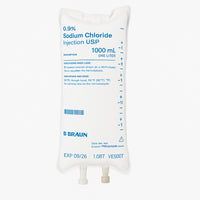
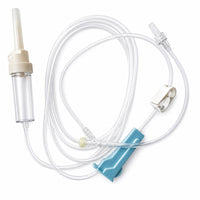
TXA comes in various forms, such as the Tranexamic Acid (TXA) in Sodium Chloride 0.7% IV Bags and Provepharm Tranexamic Acid (TXA) for Injection Single-Dose Vial, ensuring flexible treatment options for First Responders in various emergency scenarios.
Expanding Capabilities: Suturing, Trauma Care, and Beyond

The understanding and management of trauma have significantly progressed. EMS supplies now include sophisticated tools for suturing and wound management. The Sterile Suturing Tray is an example of an advanced kit that aids First Responders in providing effective on-site care.
Additionally, innovations in trauma care equipment, such as bandages, splints, and dressings, have enabled First Responders to stabilize patients more effectively until they reach definitive care facilities.
Addressing Modern Threats: Military Narcan Kits

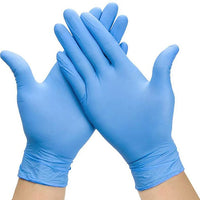
In response to increasing concerns over synthetic opioids like fentanyl, specialized kits such as the Military Narcan Kit with Nasal Spray and Fentanyl-Tested Nitrile Gloves have been developed. These kits equip First Responders with the necessary tools to not only counteract overdoses but also protect themselves from exposure to potentially harmful substances.
The Future of EMS Supplies
As we look to the future, the evolution of EMS supplies will likely continue to focus on incorporating technology and data-driven solutions. Wearable tech, telemedicine, and improved communication devices are expected to play significant roles in enhancing EMS efficiency.
Moreover, continuous advancements in pharmacology will provide new drugs and formulations that will further enhance the capabilities of First Responders. The integration of AI and machine learning may also impact EMS, enabling predictive analytics for better resource allocation and quicker response times.
Conclusion
The journey of Emergency Medical Supplies has been remarkable, reflecting the challenges and triumphs of modern medicine. From the humble beginnings of First Aid to the sophisticated tools and drugs like Amidate, Narcan Nasal Spray, and Tranexamic Acid, EMS supplies have transformed emergency care radically.
As the landscape of healthcare evolves, so will the tools and technologies available to First Responders, ultimately enhancing their lifesaving capabilities. For more information about the latest in EMS supplies, visit Mountainside Medical Equipment.