
Filters
Acne Treatment Products to Acne Treatment
Acne treatment products are the many medications and skincare items used to reduce acne (whiteheads, blackheads, pimples, etc.). These range from over-the-counter (OTC) cleansers and creams to prescription drugs. Common categories and active ingredients include:
-
Topical OTC cleansers and lotions: For mild acne, gentle washes often contain benzoyl peroxide or salicylic acid to unclog pores and kill bacteria. Benzoyl peroxide is a potent antibacterial agent that also peels off dead skin cells (exfoliant). Salicylic acid (a β-hydroxy acid) helps dissolve the debris clogging pores. Other cosmetic acne products may contain alpha-hydroxy acids (e.g. glycolic acid), sulfur, niacinamide (vitamin B3), linoleic acid or zinc – all of which can help normalize skin cells or reduce inflammation. (General skincare: Non-comedogenic moisturizers and oil-free sunscreen are also recommended adjuncts.)
-
Topical prescription medications: If OTC treatments aren’t enough, dermatologists prescribe stronger topicals. Retinoids (vitamin A–derived creams/gels) like tretinoin, adapalene or tazarotene are standard for moderate acne. They normalize follicle lining and prevent clogging. Topical antibiotics (clindamycin or erythromycin) are used to kill Cutibacterium acnes bacteria and reduce inflammation. (Clinicians often combine them with benzoyl peroxide to prevent antibiotic resistance) Other prescription topicals include azelaic acid (a natural acid with antibacterial and anti-keratinization effects), salicylic acid (high-strength formulations), and dapsone gel (an anti-inflammatory agent).
-
Combination products: Many modern acne products combine these actives. For example, fixed combinations of benzoyl peroxide with a retinoid or antibiotic are common first-line therapies). Adapalene + benzoyl peroxide gel (e.g. Epiduo) or clindamycin + benzoyl peroxide (Duac) are examples. These combinations attack different causes (bacteria, clogged pores, inflammation) simultaneously.
-
Oral medications: For moderate-to-severe acne or when topicals alone aren’t enough, doctors may add oral treatments. Antibiotic pills (tetracyclines like doxycycline or minocycline, or macrolides) reduce skin bacteria and inflammation. They are used short-term (typically <3–4 months) alongside topicals. Hormonal therapies in women (certain birth-control pills or spironolactone) can lower sebum production and improve acne. For the most severe cystic acne, oral isotretinoin (a vitamin A derivative) is prescribed– it dramatically shrinks oil glands and clears acne but has significant side effects (teratogenicity, etc.).
-
Procedural and adjunctive products: Dermatology clinics also use procedures and prescriptions not in an “OTC bottle,” but they’re part of acne management. These include chemical peels (salicylic or glycolic acid solutions), laser/light therapies (blue/red light devices for acne bacteria), comedone extraction tools, and intralesional steroid injections for nodules. While not “products” in a pharmacy sense, such treatments complement topical/oral therapies.
In summary, acne products range from simple drugstore washes (benzoyl peroxide washes, salicylic acid scrubs) to prescription creams (retinoids, azelaic acid, antibiotic gels) to oral drugs (antibiotics, hormonal agents, isotretinoin). Combination therapy is common. References note that first-line acne treatments include topical retinoids and benzoyl peroxide (with or without antibiotics), with more aggressive drugs (oral antibiotics or isotretinoin) reserved for harder cases.
-
 Sale 31%
Original price $ 54.75Current price $ 38.00
Sale 31%
Original price $ 54.75Current price $ 38.00Clindamycin Phosphate 1%Topical Solution (Pledgets) 60 Count (Rx)
1 reviewClindamycin Phosphate 1% Topical Solution (Pledgets) is a medication used to treat acne. It is a topical solution that contains clindamycin phospha...
View full details🔒 Medical License Required -
 Sale 21%
Original price $ 6.29Current price $ 4.99
Sale 21%
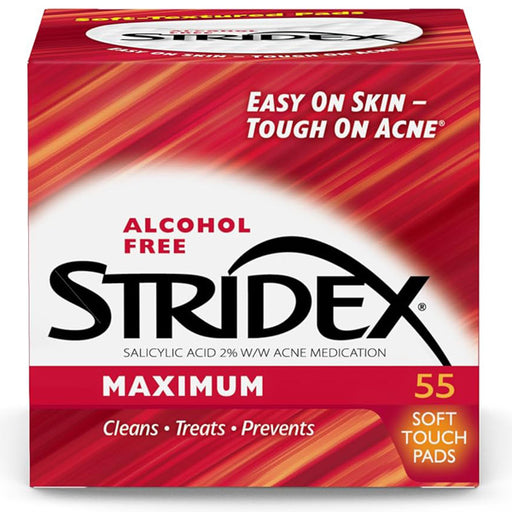
Original price $ 6.29Current price $ 4.99Stridex Alcohol-free Maximum Strength Acne Pads, 55 Count
Stridex Alcohol-free Maximum Strength Medicated Acne Pads feature a unique formulation that doesn’t contain any alcohol, meaning that this product ...
View full details -
 Sale 28%
Original price $ 6.95Current price $ 4.99
Sale 28%
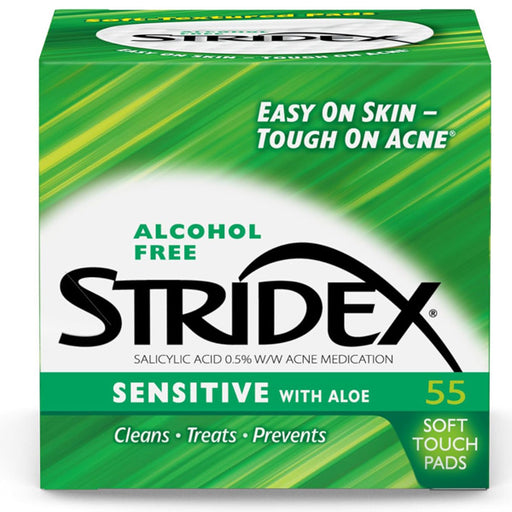
Original price $ 6.95Current price $ 4.99Stridex Acne Pads for Sensitive Skin with Aloe Vera, Alcohol-free 55 Count
Stridex Alcohol-free Medicated Acne Pads for Sensitive Skin are specially formulated without alcohol to provide an effective cleanse that won’t cau...
View full details -
 Sale 37%
Original price $ 11.95Current price $ 7.50
Sale 37%
Original price $ 11.95Current price $ 7.50Oxy Acne Medication Daily Defense Deep Pore Cleaning Pads
When it comes to fighting acne, your best defense is a daily defense. Backed by a unique formula, OXY Daily Defense Cleansing Pads make it easy to ...
View full details -
 Sale 39%
Original price $ 8.95Current price $ 5.50
Sale 39%
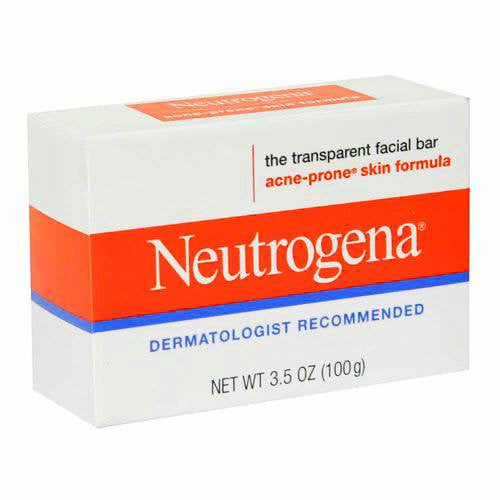
Original price $ 8.95Current price $ 5.50Neutrogena Acne Prone Facial Bar Soap 3.5 oz
Neutrogena Acne Prone Facial Bar Soap is a facial soap that provides superior cleansing for clean, clear, and healthy-looking skin. Additionally, t...
View full details -
 Sale 22%
Original price $ 17.95Current price $ 13.95
Sale 22%
Original price $ 17.95Current price $ 13.95Neutrogena On-The-Spot Acne Spot Treatment Medication with 2.5% Benzoyl Peroxide
Neutrogena On-The-Spot Acne Spot Treatment Medication with 2.5% Benzoyl Peroxide is an over-the-counter topical treatment for acne breakouts. It co...
View full details -
 Sale 31%
Original price $ 14.95Current price $ 10.25
Sale 31%
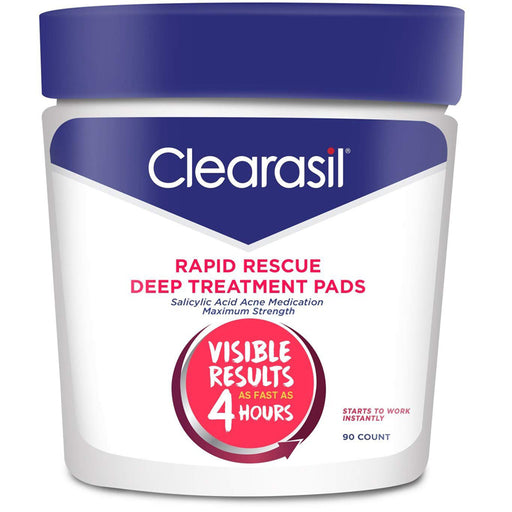
Original price $ 14.95Current price $ 10.25Clearasil Ultra Rapid Action Cleansing Skin Pads, 90 Count
Clearasil Ultra Rapid Action Cleansing Pads are fast-acting exfoliating pads that effectively reduce pimple size and redness within as little as 4 ...
View full details -
 Sale
$ 18.50
Sale
$ 18.50Salicylic Acid USP Powder For Compounding (API)
Salicylic Acid USP Powder for Compounding (API) is a high-quality active pharmaceutical ingredient used in the formulation of customized dermatolog...
View full details🔒 Medical License Required -
 Sale 42%
Original price $ 125.50Current price $ 73.00
Sale 42%
Original price $ 125.50Current price $ 73.00Sodium Sulfacetamide 10% with Sulfur 5% Face Cleanser Liquid 170.3 grams (RX)
Achieve visibly clearer, smoother, and healthier skin with Sodium Sulfacetamide 10% with Sulfur 5% Face Cleanser Liquid, 170.3 grams. This powerful...
View full details🔒 Medical License Required


Acne treatment products are the many medications and skincare items used to reduce acne (whiteheads, blackheads, pimples, etc.). These range from over-the-counter (OTC) cleansers and creams to prescription drugs. Common categories and active ingredients include:
-
Topical OTC cleansers and lotions: For mild acne, gentle washes often contain benzoyl peroxide or salicylic acid to unclog pores and kill bacteria. Benzoyl peroxide is a potent antibacterial agent that also peels off dead skin cells (exfoliant). Salicylic acid (a β-hydroxy acid) helps dissolve the debris clogging pores. Other cosmetic acne products may contain alpha-hydroxy acids (e.g. glycolic acid), sulfur, niacinamide (vitamin B3), linoleic acid or zinc – all of which can help normalize skin cells or reduce inflammation. (General skincare: Non-comedogenic moisturizers and oil-free sunscreen are also recommended adjuncts.)
-
Topical prescription medications: If OTC treatments aren’t enough, dermatologists prescribe stronger topicals. Retinoids (vitamin A–derived creams/gels) like tretinoin, adapalene or tazarotene are standard for moderate acne. They normalize follicle lining and prevent clogging. Topical antibiotics (clindamycin or erythromycin) are used to kill Cutibacterium acnes bacteria and reduce inflammation. (Clinicians often combine them with benzoyl peroxide to prevent antibiotic resistance) Other prescription topicals include azelaic acid (a natural acid with antibacterial and anti-keratinization effects), salicylic acid (high-strength formulations), and dapsone gel (an anti-inflammatory agent).
-
Combination products: Many modern acne products combine these actives. For example, fixed combinations of benzoyl peroxide with a retinoid or antibiotic are common first-line therapies). Adapalene + benzoyl peroxide gel (e.g. Epiduo) or clindamycin + benzoyl peroxide (Duac) are examples. These combinations attack different causes (bacteria, clogged pores, inflammation) simultaneously.
-
Oral medications: For moderate-to-severe acne or when topicals alone aren’t enough, doctors may add oral treatments. Antibiotic pills (tetracyclines like doxycycline or minocycline, or macrolides) reduce skin bacteria and inflammation. They are used short-term (typically <3–4 months) alongside topicals. Hormonal therapies in women (certain birth-control pills or spironolactone) can lower sebum production and improve acne. For the most severe cystic acne, oral isotretinoin (a vitamin A derivative) is prescribed– it dramatically shrinks oil glands and clears acne but has significant side effects (teratogenicity, etc.).
-
Procedural and adjunctive products: Dermatology clinics also use procedures and prescriptions not in an “OTC bottle,” but they’re part of acne management. These include chemical peels (salicylic or glycolic acid solutions), laser/light therapies (blue/red light devices for acne bacteria), comedone extraction tools, and intralesional steroid injections for nodules. While not “products” in a pharmacy sense, such treatments complement topical/oral therapies.
In summary, acne products range from simple drugstore washes (benzoyl peroxide washes, salicylic acid scrubs) to prescription creams (retinoids, azelaic acid, antibiotic gels) to oral drugs (antibiotics, hormonal agents, isotretinoin). Combination therapy is common. References note that first-line acne treatments include topical retinoids and benzoyl peroxide (with or without antibiotics), with more aggressive drugs (oral antibiotics or isotretinoin) reserved for harder cases.