
Filters
Addiction Recovery Medications to Alcohol Addiction
Addiction Recovery Medications
Medication-assisted treatment (MAT) for substance use disorders (SUDs) uses FDA-approved drugs to ease withdrawal, curb cravings and block drug effects. These medications are always combined with counseling for a “whole-patient” approach. Studies show that adding medications greatly improves survival and treatment retention, and lowers illicit drug use. Below we list common medications by addiction type, their brand names, and how they work.
Opioid Use Disorder (OUD) Medications
Medications for OUD include:
- Methadone (e.g. Dolophine, Methadose) – a long-acting full opioid agonist given daily in clinics. It satisfies physical dependence and prevents withdrawal/craving. Methadone “normalizes brain chemistry” by activating opioid receptors more safely than illicit use.
- Buprenorphine (e.g. Subutex†, Suboxone† [buprenorphine + naloxone], Zubsolv, Sublocade, Probuphine) – a partial opioid agonist. It eases withdrawal and reduces craving but has a ceiling effect that makes overdose less likely than full agonists. Suboxone (buprenorphine/naloxone film) is widely used; monthly injectable (Sublocade) and implant (Probuphine) forms also exist.
- Naltrexone – an opioid antagonist. (Brands: oral Revia®; injectable Vivitrol®.) It blocks opioid receptors so that alcohol or opioids produce no “high,” which cuts craving. Extended-release injections given monthly are common once patients are detoxed.
- Naloxone – an opioid antagonist used for overdose reversal (Narcan® nasal spray). Not a long-term recovery drug, but it is essential emergency medication: it quickly reverses opioid overdose by restoring breathing.
- Clonidine (Catapres) and lofexidine (Lucemyra) – non-opioid medications that ease symptoms of opioid withdrawal (anxiety, rapid heartbeat) by dampening sympathetic outflow. They do not block cravings or produce euphoria; they are used short-term during detox.
These three FDA-approved OUD medications – methadone, buprenorphine, and naltrexone – “help normalize brain chemistry” by blocking the euphoric effects of opioids and relieving physiological cravings, which greatly improves recovery outcomes.
Alcohol Use Disorder (AUD) Medications
Common relapse-prevention drugs for alcohol dependence include:
- Disulfiram (Antabuse®) – causes an unpleasant reaction if alcohol is consumed. It inhibits acetaldehyde breakdown, causing nausea, flushing, etc., which deters drinking. It does not eliminate craving, but many patients avoid alcohol to prevent the reaction.
- Naltrexone (Revia® oral; Vivitrol® injectable) – the same opioid antagonist as above. By blocking opioid receptors, naltrexone blunts the rewarding effects of drinking and reduces cravings. Monthly injection (Vivitrol) is common.
- Acamprosate (Campral®) – modulates brain chemical balance (glutamate/GABA) to ease prolonged withdrawal. It reduces brain hyper-excitability in early abstinence and helps maintain sobriety.
- Benzodiazepines (e.g. Diazepam, Chlordiazepoxide) – sedative drugs used short-term during acute alcohol detox. By enhancing GABA activity they prevent seizures and severe withdrawal symptoms. (However, they are not used long-term for addiction recovery.)
- Other/Off-label: Some anticonvulsants and antidepressants (e.g. topiramate, gabapentin) may be used in research or off-label to reduce drinking, but the three above are FDA-approved.
All these medications do not “cure” alcoholism but reduce relapse risk when combined with therapy. As NIAAA notes, these drugs (along with counseling) are effective tools in a comprehensive treatment program.
Tobacco (Nicotine) Addiction Medications
To quit smoking or vaping, FDA-approved aids include:
- Nicotine Replacement Therapies (NRT) – products like nicotine patches (Nicoderm®), gum (Nicorette®), lozenges, nasal spray or inhalers. They supply controlled nicotine to relieve withdrawal and craving without harmful smoke.
- Varenicline (Chantix®) – a partial nicotinic receptor agonist. It reduces cravings and withdrawal by mildly stimulating nicotinic receptors, yet also blocks nicotine’s ability to produce a strong reward.
- Bupropion (Zyban®) – an atypical antidepressant (dopamine/norepinephrine reuptake inhibitor). It was found to reduce nicotine cravings and aid cessation.
- Others: Nortriptyline (Pamelor) and clonidine can be prescribed off-label to help smoking cessation in some cases.
NIDA notes that combining these medications with counseling and support greatly raises quit rates. (E-cigarettes are also being studied as harm-reduction tools, but their use in recovery is controversial.)
Other Substances and Notes
- Stimulants (cocaine, methamphetamine, amphetamines): No FDA-approved medications exist for stimulant use disorder. Treatment relies on behavioral therapies; some studies suggest off-label combinations (e.g. bupropion + naltrexone) may help, but none are standard.
- Cannabis: Similarly, no medications are approved for cannabis addiction; treatment is counseling-based.
- Benzodiazepines/other sedatives: Managed by careful tapering of the drugs themselves; no specific agonist/antagonist therapy exists.
In all cases, abrupt discontinuation of MAT drugs (especially opioid agonists) can risk relapse or overdose, so supervision by medical professionals is essential.
Summary
- Medication-assisted treatment uses drugs tailored to the addiction: methadone, buprenorphine, naltrexone (OUD), disulfiram, naltrexone, acamprosate (AUD), NRT/varenicline/bupropion (nicotine), etc.
- These medications work by reducing withdrawal symptoms, blunting drug reward, or creating aversive reactions. For example, agonists (methadone) satisfy dependence, antagonists (naltrexone) block highs, and disulfiram causes sickness if alcohol is used.
- Studies (e.g. SAMHSA) emphasize that meds are used with counseling, producing better retention and lower relapse than therapy alone.
- Overall, MAT is a proven component of recovery, helping normalize brain chemistry, curb cravings, and support long-term abstinence.
-
 Sale 13%
Original price $ 999.95Current price $ 865.00
Sale 13%
Original price $ 999.95Current price $ 865.00Contrave Naltrexone 8 mg + Bupropion 90 mg Extended Release Tablets, 120/Bottle (RX)
Contrave is a prescription combination medication for chronic weight management. Each extended‐release Contrave tablet contains 8 mg of naltrexone ...
View full details🔒 Medical License Required -
 Sale 26%
Original price $ 95.00Current price $ 69.95
Sale 26%
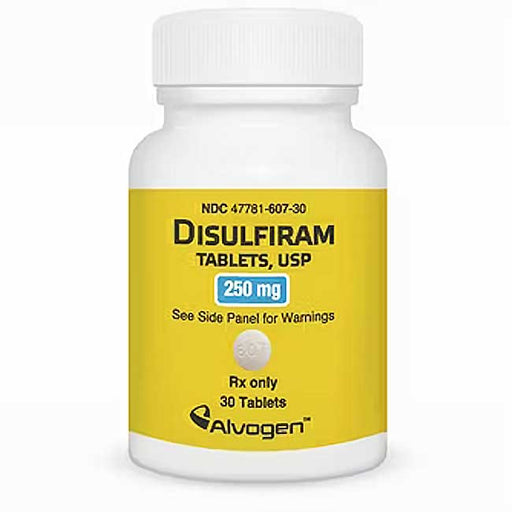
Original price $ 95.00Current price $ 69.95Disulfiram Tablets 250 mg by Alvogen Pharmaceuticals (RX)
Disulfiram Tablets 250 mg by Alvogen Pharmaceuticals is a prescription medication used in the treatment of alcohol addiction. It is also known by i...
View full details🔒 Medical License Required -
 Sale 18%
Original price $ 2,100.00Current price $ 1,725.00
Sale 18%
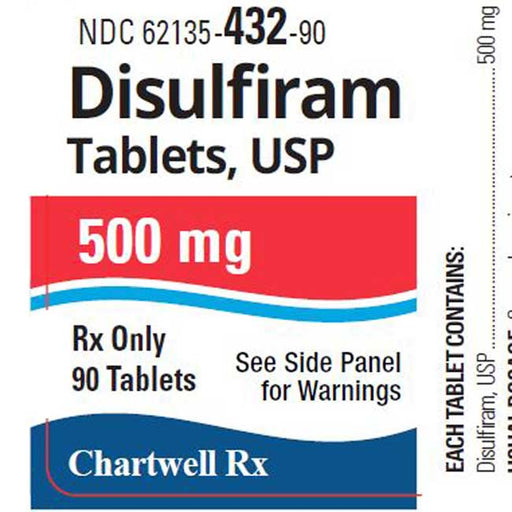
Original price $ 2,100.00Current price $ 1,725.00Disulfiram Tablets 500 mg by Chartwell 90 Count (RX)
Disulfiram Tablets 500 mg manufactured by Chartwell RX is a prescription medication used in the treatment of alcoholism. It works by causing unplea...
View full details🔒 Medical License Required -
 Sale 24%
Original price $ 750.00Current price $ 569.00
Sale 24%
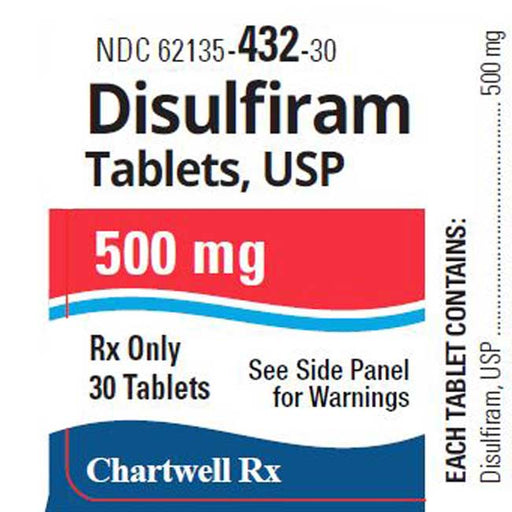
Original price $ 750.00Current price $ 569.00Disulfiram Tablets 500 mg by Chartwell 30 Count (RX)
Disulfiram Tablets 500 mg manufactured by Chartwell RX is a prescription medication used in the treatment of alcoholism. It works by causing unplea...
View full details🔒 Medical License Required -
 Sale 39%
Original price $ 95.95Current price $ 59.00
Sale 39%
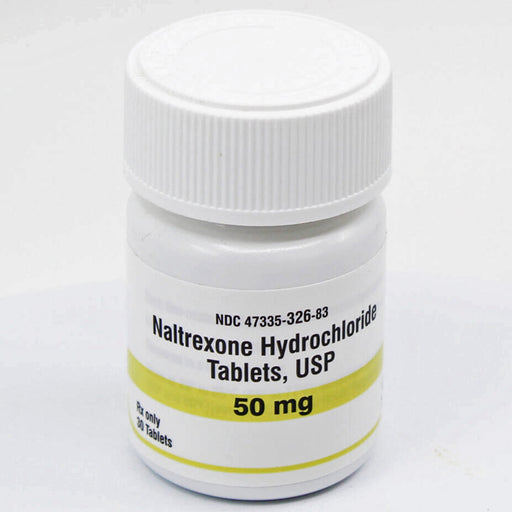
Original price $ 95.95Current price $ 59.00Naltrexone Hydrochloride Tablets 50 mg, 30 Count (RX)
Naltrexone Hydrochloride Tablets are a medication used primarily to treat alcohol and opioid dependence. Naltrexone works by blocking the effects o...
View full details🔒 Medical License Required -
 Sale 33%
Original price $ 275.00Current price $ 185.00
Sale 33%
Original price $ 275.00Current price $ 185.00Naltrexone Hydrochloride Tablets 50 mg, 100 Count (RX)
Naltrexone hydrochloride tablets are an oral medication prescribed for the treatment of opioid and alcohol dependence. As a pure opioid antagonist,...
View full details🔒 Medical License Required -
 Sale 49%
Original price $ 275.00Current price $ 139.00
Sale 49%
Original price $ 275.00Current price $ 139.00Naltrexone 50 mg Tablets 100 Count (RX)
Naltrexone 50 mg Tablets Naltrexone is a long-acting opioid receptor antagonist (a pure opiate blocker) available as a 50 mg oral tablet (brand nam...
View full details🔒 Medical License Required


Addiction Recovery Medications
Medication-assisted treatment (MAT) for substance use disorders (SUDs) uses FDA-approved drugs to ease withdrawal, curb cravings and block drug effects. These medications are always combined with counseling for a “whole-patient” approach. Studies show that adding medications greatly improves survival and treatment retention, and lowers illicit drug use. Below we list common medications by addiction type, their brand names, and how they work.
Opioid Use Disorder (OUD) Medications
Medications for OUD include:
- Methadone (e.g. Dolophine, Methadose) – a long-acting full opioid agonist given daily in clinics. It satisfies physical dependence and prevents withdrawal/craving. Methadone “normalizes brain chemistry” by activating opioid receptors more safely than illicit use.
- Buprenorphine (e.g. Subutex†, Suboxone† [buprenorphine + naloxone], Zubsolv, Sublocade, Probuphine) – a partial opioid agonist. It eases withdrawal and reduces craving but has a ceiling effect that makes overdose less likely than full agonists. Suboxone (buprenorphine/naloxone film) is widely used; monthly injectable (Sublocade) and implant (Probuphine) forms also exist.
- Naltrexone – an opioid antagonist. (Brands: oral Revia®; injectable Vivitrol®.) It blocks opioid receptors so that alcohol or opioids produce no “high,” which cuts craving. Extended-release injections given monthly are common once patients are detoxed.
- Naloxone – an opioid antagonist used for overdose reversal (Narcan® nasal spray). Not a long-term recovery drug, but it is essential emergency medication: it quickly reverses opioid overdose by restoring breathing.
- Clonidine (Catapres) and lofexidine (Lucemyra) – non-opioid medications that ease symptoms of opioid withdrawal (anxiety, rapid heartbeat) by dampening sympathetic outflow. They do not block cravings or produce euphoria; they are used short-term during detox.
These three FDA-approved OUD medications – methadone, buprenorphine, and naltrexone – “help normalize brain chemistry” by blocking the euphoric effects of opioids and relieving physiological cravings, which greatly improves recovery outcomes.
Alcohol Use Disorder (AUD) Medications
Common relapse-prevention drugs for alcohol dependence include:
- Disulfiram (Antabuse®) – causes an unpleasant reaction if alcohol is consumed. It inhibits acetaldehyde breakdown, causing nausea, flushing, etc., which deters drinking. It does not eliminate craving, but many patients avoid alcohol to prevent the reaction.
- Naltrexone (Revia® oral; Vivitrol® injectable) – the same opioid antagonist as above. By blocking opioid receptors, naltrexone blunts the rewarding effects of drinking and reduces cravings. Monthly injection (Vivitrol) is common.
- Acamprosate (Campral®) – modulates brain chemical balance (glutamate/GABA) to ease prolonged withdrawal. It reduces brain hyper-excitability in early abstinence and helps maintain sobriety.
- Benzodiazepines (e.g. Diazepam, Chlordiazepoxide) – sedative drugs used short-term during acute alcohol detox. By enhancing GABA activity they prevent seizures and severe withdrawal symptoms. (However, they are not used long-term for addiction recovery.)
- Other/Off-label: Some anticonvulsants and antidepressants (e.g. topiramate, gabapentin) may be used in research or off-label to reduce drinking, but the three above are FDA-approved.
All these medications do not “cure” alcoholism but reduce relapse risk when combined with therapy. As NIAAA notes, these drugs (along with counseling) are effective tools in a comprehensive treatment program.
Tobacco (Nicotine) Addiction Medications
To quit smoking or vaping, FDA-approved aids include:
- Nicotine Replacement Therapies (NRT) – products like nicotine patches (Nicoderm®), gum (Nicorette®), lozenges, nasal spray or inhalers. They supply controlled nicotine to relieve withdrawal and craving without harmful smoke.
- Varenicline (Chantix®) – a partial nicotinic receptor agonist. It reduces cravings and withdrawal by mildly stimulating nicotinic receptors, yet also blocks nicotine’s ability to produce a strong reward.
- Bupropion (Zyban®) – an atypical antidepressant (dopamine/norepinephrine reuptake inhibitor). It was found to reduce nicotine cravings and aid cessation.
- Others: Nortriptyline (Pamelor) and clonidine can be prescribed off-label to help smoking cessation in some cases.
NIDA notes that combining these medications with counseling and support greatly raises quit rates. (E-cigarettes are also being studied as harm-reduction tools, but their use in recovery is controversial.)
Other Substances and Notes
- Stimulants (cocaine, methamphetamine, amphetamines): No FDA-approved medications exist for stimulant use disorder. Treatment relies on behavioral therapies; some studies suggest off-label combinations (e.g. bupropion + naltrexone) may help, but none are standard.
- Cannabis: Similarly, no medications are approved for cannabis addiction; treatment is counseling-based.
- Benzodiazepines/other sedatives: Managed by careful tapering of the drugs themselves; no specific agonist/antagonist therapy exists.
In all cases, abrupt discontinuation of MAT drugs (especially opioid agonists) can risk relapse or overdose, so supervision by medical professionals is essential.
Summary
- Medication-assisted treatment uses drugs tailored to the addiction: methadone, buprenorphine, naltrexone (OUD), disulfiram, naltrexone, acamprosate (AUD), NRT/varenicline/bupropion (nicotine), etc.
- These medications work by reducing withdrawal symptoms, blunting drug reward, or creating aversive reactions. For example, agonists (methadone) satisfy dependence, antagonists (naltrexone) block highs, and disulfiram causes sickness if alcohol is used.
- Studies (e.g. SAMHSA) emphasize that meds are used with counseling, producing better retention and lower relapse than therapy alone.
- Overall, MAT is a proven component of recovery, helping normalize brain chemistry, curb cravings, and support long-term abstinence.