
Antiviral Medications & Antiviral Drugs to Rx Flu Medicine
Antiviral Medications
Antiviral medications (or antiviral drugs) are drugs used to treat viral infections. Unlike antibiotics (which target bacteria), antivirals specifically target viruses and interfere with the virus’s ability to replicate or infect cells. For example, the Cleveland Clinic explains that antivirals are "medications that help your body fight off certain viruses that can cause disease,” and notes they can also prevent infection or transmission. In practice, doctors prescribe antivirals for serious or chronic viral illnesses to reduce symptoms and shorten the infection. As one source notes, these drugs ease symptoms and shorten the length of a viral infection.
Antivirals work in several ways: they may block a virus from binding to or entering cells, disrupt viral replication enzymes, or bolster the immune response to clear the infection. For example, some antivirals bind to viral proteins so the virus cannot attach to healthy cells, while others inhibit enzymes the virus needs to copy its genetic material. In all cases, the goal is to lower the viral load in the body and help the patient recover.
Antiviral drugs are usually specific to particular viruses. Specific antivirals are used for specific viruses. For example, oseltamivir (Tamiflu) treats influenza, acyclovir and valacyclovir treat herpes simplex infections, antiretroviral combinations (like tenofovir, efavirenz, protease inhibitors, etc.) treat HIV, and direct-acting antivirals (e.g. sofosbuvir, ribavirin) treat hepatitis C. Other examples include newer agents for COVID-19 (remdesivir, molnupiravir) and drugs for hepatitis B. In short, each antiviral class targets a particular virus or family of viruses (for instance, anti-HIV drugs won’t work against the flu and vice versa).
Common uses of antivirals include treating diseases such as:
- Influenza (flu) – agents like oseltamivir, zanamivir, etc. shorten the illness.
- Herpesvirus infections (shingles, cold sores, genital herpes, chickenpox) – drugs like acyclovir, famciclovir.
- HIV/AIDS – combination antiretrovirals (protease inhibitors, reverse-transcriptase inhibitors, integrase inhibitors, etc.).
- Hepatitis B and C – antivirals such as tenofovir, entecavir (for HBV) or sofosbuvir/ribavirin (for HCV).
- Emerging viruses – e.g. remdesivir, paxlovid for COVID-19, antivirals for Ebola or mpox as needed. (Providers also use antivirals preventively in some cases, like giving HIV drugs after a high-risk exposure or giving flu antivirals to prevent illness after someone is exposed.)
Importantly, antivirals differ from virucides. Virucides are chemicals (or disinfectants) that deactivate viruses outside the body. In contrast, antiviral medications work inside the body to stop a virus from multiplying. They are generally safe when prescribed correctly, but like all drugs they can have side effects and the risk of viral resistance if misused.
Why Choose Our Antiviral Medications?
- Doctor & FDA-Approved: Used in hospitals and clinics worldwide, backed by clinical research, and recommended by leading health authorities.
- Rapid Symptom Relief: Effectively reduces fever, pain, itching, severity, and risk of spreading contagious viral diseases.
- Comprehensive Virus Coverage: Medications for influenza (flu), herpes (HSV-1 & HSV-2), shingles (herpes zoster), genital warts (HPV), hepatitis B and C, respiratory syncytial virus (RSV), HIV, CMV, and more.
- Prevents Complications: Decreases the risk of severe disease, nerve pain, secondary bacterial infection, organ damage, and transmission to others.
- Suitable for Adults & Pediatrics: Precise dosing for children, adults, seniors, and immunocompromised patients.
- Easy to Use: Available as oral tablets, capsules, liquids, topical creams, and intravenous formulations for every patient need.
Leading FDA-Approved Antiviral Medications
- Oseltamivir (Tamiflu®), Zanamivir (Relenza®): Top treatments for influenza A & B (flu).
- Acyclovir, Valacyclovir, Famciclovir: Gold-standard for cold sores, genital herpes, and shingles.
- Valganciclovir, Ganciclovir, Foscarnet: For CMV infections in transplant and immunocompromised patients.
- Tenofovir, Entecavir, Sofosbuvir, Ledipasvir: First-line for chronic hepatitis B & C.
- Dolutegravir, Emtricitabine/Tenofovir: Highly effective HIV medications for viral suppression and PrEP.
- Palivizumab: RSV prevention for high-risk infants and children.
Most Commonly Treated Viral Conditions
- Flu (Influenza)
- Cold Sores (Herpes Simplex Virus 1)
- Genital Herpes (HSV-2)
- Shingles (Herpes Zoster)
- HPV & Genital Warts
- Hepatitis B & C
- HIV/AIDS
- CMV (Cytomegalovirus)
- RSV (Respiratory Syncytial Virus)
- Other Emerging Viral Infections
Key Benefits and Advantages
- Faster Recovery: Reduces symptom duration and severity so you feel better, sooner.
- Reduces Transmission: Lowers viral load to help prevent the spread to loved ones.
- Prevents Serious Complications: Protects against nerve pain (postherpetic neuralgia), pneumonia, liver failure, and opportunistic infections.
- Easy Treatment Options: Oral and topical antivirals for convenient dosing at home or hospital use.
- Safe & Tolerated: Well-researched, side effects are generally mild—consult your doctor for the best choice for your condition.
Frequently Asked Questions
How do antiviral medications work? They block the virus from multiplying in your body, helping your immune system clear the infection more quickly and reducing complications.
Are antivirals effective against all viruses? No; antivirals target specific viruses. Always consult your healthcare provider about the right prescription for your illness.
Do I need a prescription for antiviral medicine? Yes; all potent antivirals are prescription medicines—consult your doctor promptly at the onset of symptoms.
Can antivirals cure HIV or herpes? Antivirals can suppress and control these viruses, but do not eradicate them completely. Consistent use prevents outbreaks and disease progression.
Stop viruses fast! Choose doctor-recommended, FDA-approved Antiviral Medications for rapid relief, faster recovery, and long-term protection. Shop pharmacy-grade antivirals for flu, herpes, HIV, hepatitis, shingles, and more—trusted by physicians and patients everywhere.
-
 Sale 39%
Original price $ 45.95Current price $ 27.95
Sale 39%
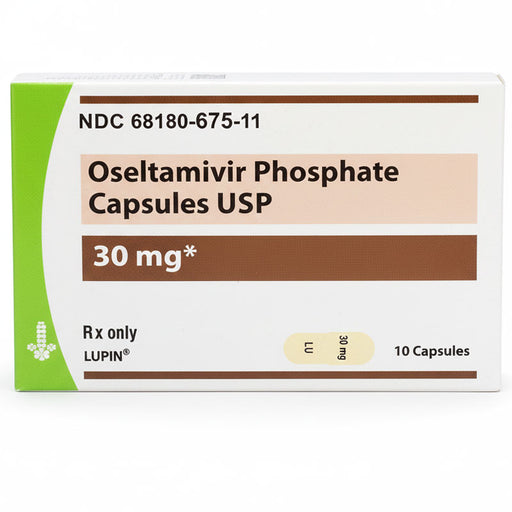
Original price $ 45.95Current price $ 27.95Oseltamivir Phosphate 30 mg Capsules (Generic Tamiflu®) influenza Treatment (Rx)
Lupin PharmaRapid Relief for Influenza A & B — Shorten the Duration and Severity of Flu Symptoms Fight back against the flu with Oseltamivir Phosphate Caps...
View full details
Antiviral Medications
Antiviral medications (or antiviral drugs) are drugs used to treat viral infections. Unlike antibiotics (which target bacteria), antivirals specifically target viruses and interfere with the virus’s ability to replicate or infect cells. For example, the Cleveland Clinic explains that antivirals are "medications that help your body fight off certain viruses that can cause disease,” and notes they can also prevent infection or transmission. In practice, doctors prescribe antivirals for serious or chronic viral illnesses to reduce symptoms and shorten the infection. As one source notes, these drugs ease symptoms and shorten the length of a viral infection.
Antivirals work in several ways: they may block a virus from binding to or entering cells, disrupt viral replication enzymes, or bolster the immune response to clear the infection. For example, some antivirals bind to viral proteins so the virus cannot attach to healthy cells, while others inhibit enzymes the virus needs to copy its genetic material. In all cases, the goal is to lower the viral load in the body and help the patient recover.
Antiviral drugs are usually specific to particular viruses. Specific antivirals are used for specific viruses. For example, oseltamivir (Tamiflu) treats influenza, acyclovir and valacyclovir treat herpes simplex infections, antiretroviral combinations (like tenofovir, efavirenz, protease inhibitors, etc.) treat HIV, and direct-acting antivirals (e.g. sofosbuvir, ribavirin) treat hepatitis C. Other examples include newer agents for COVID-19 (remdesivir, molnupiravir) and drugs for hepatitis B. In short, each antiviral class targets a particular virus or family of viruses (for instance, anti-HIV drugs won’t work against the flu and vice versa).
Common uses of antivirals include treating diseases such as:
- Influenza (flu) – agents like oseltamivir, zanamivir, etc. shorten the illness.
- Herpesvirus infections (shingles, cold sores, genital herpes, chickenpox) – drugs like acyclovir, famciclovir.
- HIV/AIDS – combination antiretrovirals (protease inhibitors, reverse-transcriptase inhibitors, integrase inhibitors, etc.).
- Hepatitis B and C – antivirals such as tenofovir, entecavir (for HBV) or sofosbuvir/ribavirin (for HCV).
- Emerging viruses – e.g. remdesivir, paxlovid for COVID-19, antivirals for Ebola or mpox as needed. (Providers also use antivirals preventively in some cases, like giving HIV drugs after a high-risk exposure or giving flu antivirals to prevent illness after someone is exposed.)
Importantly, antivirals differ from virucides. Virucides are chemicals (or disinfectants) that deactivate viruses outside the body. In contrast, antiviral medications work inside the body to stop a virus from multiplying. They are generally safe when prescribed correctly, but like all drugs they can have side effects and the risk of viral resistance if misused.
Why Choose Our Antiviral Medications?
- Doctor & FDA-Approved: Used in hospitals and clinics worldwide, backed by clinical research, and recommended by leading health authorities.
- Rapid Symptom Relief: Effectively reduces fever, pain, itching, severity, and risk of spreading contagious viral diseases.
- Comprehensive Virus Coverage: Medications for influenza (flu), herpes (HSV-1 & HSV-2), shingles (herpes zoster), genital warts (HPV), hepatitis B and C, respiratory syncytial virus (RSV), HIV, CMV, and more.
- Prevents Complications: Decreases the risk of severe disease, nerve pain, secondary bacterial infection, organ damage, and transmission to others.
- Suitable for Adults & Pediatrics: Precise dosing for children, adults, seniors, and immunocompromised patients.
- Easy to Use: Available as oral tablets, capsules, liquids, topical creams, and intravenous formulations for every patient need.
Leading FDA-Approved Antiviral Medications
- Oseltamivir (Tamiflu®), Zanamivir (Relenza®): Top treatments for influenza A & B (flu).
- Acyclovir, Valacyclovir, Famciclovir: Gold-standard for cold sores, genital herpes, and shingles.
- Valganciclovir, Ganciclovir, Foscarnet: For CMV infections in transplant and immunocompromised patients.
- Tenofovir, Entecavir, Sofosbuvir, Ledipasvir: First-line for chronic hepatitis B & C.
- Dolutegravir, Emtricitabine/Tenofovir: Highly effective HIV medications for viral suppression and PrEP.
- Palivizumab: RSV prevention for high-risk infants and children.
Most Commonly Treated Viral Conditions
- Flu (Influenza)
- Cold Sores (Herpes Simplex Virus 1)
- Genital Herpes (HSV-2)
- Shingles (Herpes Zoster)
- HPV & Genital Warts
- Hepatitis B & C
- HIV/AIDS
- CMV (Cytomegalovirus)
- RSV (Respiratory Syncytial Virus)
- Other Emerging Viral Infections
Key Benefits and Advantages
- Faster Recovery: Reduces symptom duration and severity so you feel better, sooner.
- Reduces Transmission: Lowers viral load to help prevent the spread to loved ones.
- Prevents Serious Complications: Protects against nerve pain (postherpetic neuralgia), pneumonia, liver failure, and opportunistic infections.
- Easy Treatment Options: Oral and topical antivirals for convenient dosing at home or hospital use.
- Safe & Tolerated: Well-researched, side effects are generally mild—consult your doctor for the best choice for your condition.
Frequently Asked Questions
How do antiviral medications work? They block the virus from multiplying in your body, helping your immune system clear the infection more quickly and reducing complications.
Are antivirals effective against all viruses? No; antivirals target specific viruses. Always consult your healthcare provider about the right prescription for your illness.
Do I need a prescription for antiviral medicine? Yes; all potent antivirals are prescription medicines—consult your doctor promptly at the onset of symptoms.
Can antivirals cure HIV or herpes? Antivirals can suppress and control these viruses, but do not eradicate them completely. Consistent use prevents outbreaks and disease progression.
Stop viruses fast! Choose doctor-recommended, FDA-approved Antiviral Medications for rapid relief, faster recovery, and long-term protection. Shop pharmacy-grade antivirals for flu, herpes, HIV, hepatitis, shingles, and more—trusted by physicians and patients everywhere.
Frequently Asked Questions for Antiviral Medications
-
What are Antiviral Medications?
Antiviral medications are drugs specifically designed to prevent or treat viral infections by inhibiting the development and multiplication of viruses in the body. Unlike antibiotics (which treat bacteria), antivirals target viruses, which are much smaller infectious agents.
-
How Do Antiviral Medications Work?
Antiviral drugs work by: Preventing viruses from entering or attaching to host cells Inhibiting viral replication (stopping the virus from making copies of itself) Blocking enzymes the virus needs to multiply Boosting the immune response to the virus They do not typically kill viruses outright but limit their ability to multiply and spread.
-
Types of Antiviral Medications
1. For Influenza Oseltamivir (Tamiflu) Zanamivir (Relenza) 2. For Herpes Viruses Acyclovir, valacyclovir, famciclovir (Herpes simplex, Shingles, Chickenpox) Ganciclovir (Cytomegalovirus) 3. For HIV/AIDS (Antiretroviral drugs) Tenofovir, emtricitabine, efavirenz, etc. Commonly used in combinations (ART: Antiretroviral Therapy) 4. For Hepatitis Sofosbuvir, ledipasvir (Hepatitis C) Entecavir, tenofovir (Hepatitis B) 5. For COVID-19 Remdesivir, molnupiravir, nirmatrelvir/ritonavir (Paxlovid)
-
Limitations of Antiviral Drugs
Viruses mutate quickly, which can lead to drug resistance. Few antivirals exist for some viral diseases. Antivirals typically work best when started early in the infection.
-
What are antiviral medications used for?
Antiviral medications are used to treat infections caused by viruses, such as influenza, herpes, HIV, hepatitis, and others. They can reduce the severity and duration of symptoms, and in some cases, help prevent viral infections.
-
Are antiviral medications available over the counter?
Most antiviral medications require a prescription from a healthcare provider, as they are used to treat specific viral infections and should be taken under medical supervision.
-
What are the common side effects of antiviral medications?
Side effects may include nausea, headache, diarrhea, fatigue, or dizziness. The specific effects can vary depending on the medication and the condition being treated.
-
Where can I buy Antiviral Medications online?
You can purchase antiviral medications online through reputable medical supply sources such as Mountainside Medical Equipment, which offers a variety of prescription antivirals for healthcare providers and clinical facilities.
-
Can I find Antiviral Medications near me?
Antiviral medications may be available at your local pharmacy or medical supply store. Mountainside Medical Equipment also provides convenient online ordering and shipping, so you can have antiviral medications delivered directly to your location, depending on your area and prescription requirements.
-
Do antiviral medications cure viral infections?
While some antiviral medications can cure certain infections (like hepatitis C), most are used to control symptoms, shorten the duration of illness, or reduce the risk of complications.
-
Can I take antiviral medications preventively?
For some viruses, antiviral medications may be prescribed as a preventive measure after exposure or to protect high-risk individuals, but this should always be done under a healthcare provider’s guidance.
-
Is it safe to buy antiviral medications online?
It is important to buy antiviral medications only from established medical suppliers like Mountainside Medical Equipment to ensure the safety and authenticity of your medication.