
Arm Slings
Arm Slings are a critical piece of equipment used to help immobilize the arms and shoulders when people suffer from painful arms and shoulders due to a strain or sprain. Arm Slings utilize cushioned materials, shoulder support, and straps to keep the arm close to the body and aid in resetting and healing of the injured area. Providing a convenient solution for immobilizing the arm, Arm Slings can be used at home, outdoors, and in physical therapy batches. Arm Slings are designed to be comfortable for continuous wear and promote the healing of the injured around it providing pain relief, stabilize the arm, and reduces the amount of stress placed on the surrounding shoulder muscle and shoulder joint.
-
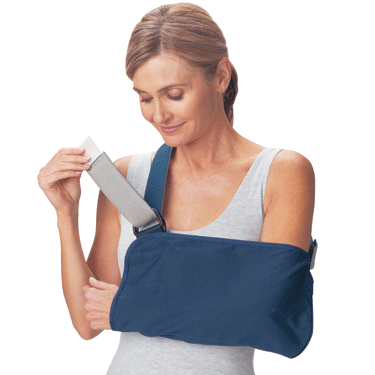 Sale 17%
Original price $ 22.95Current price $ 18.95
Sale 17%
Original price $ 22.95Current price $ 18.95Arm Sling with Padded Strap Blue Vogue D-Ring / Hook and Loop Strap Closure
ProcareProCare Blue Vogue Arm Sling is designed to provide you with a lightweight, customizable, comfortable way to support and immobilize the arm followi...
View full details -
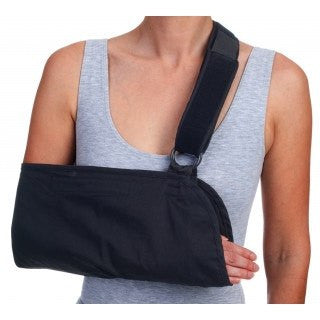 $ 9.99
Universal Arm Sling ProCare
ProcareThe ProCare Universal Arm Sling is designed to comfortably immobilize the shoulder and elbow joint following injury or surgery. It is made with a h...
View full details -
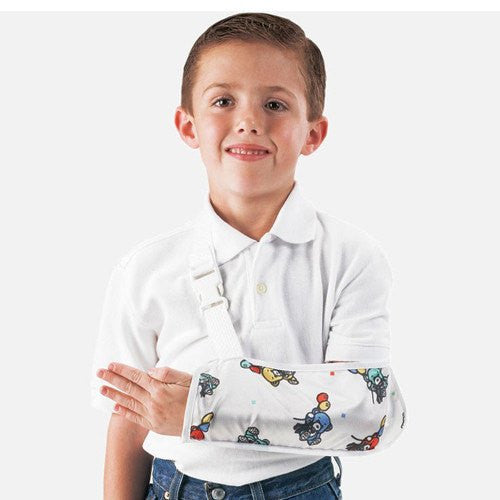 Sale 20%
Original price $ 14.95Current price $ 12.00
Sale 20%
Original price $ 14.95Current price $ 12.00Pediatric Arm Sling Bear Print Procare
ProcareThe ProCare Pediatric Bear Print Arm Sling offers support and comfort. Designed with a quick-release buckle for easy application and removal, the s...
View full details -
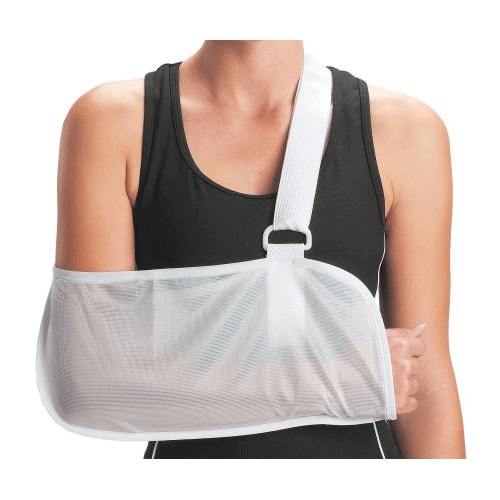 $ 79.00
Chieftain Mesh Arm Sling ProCare
ProcareThe ProCare Chieftain Mesh Arm Sling is an adjustable mesh sling made with a high-quality Tietex material that is breathable and easy to wash. An a...
View full details -
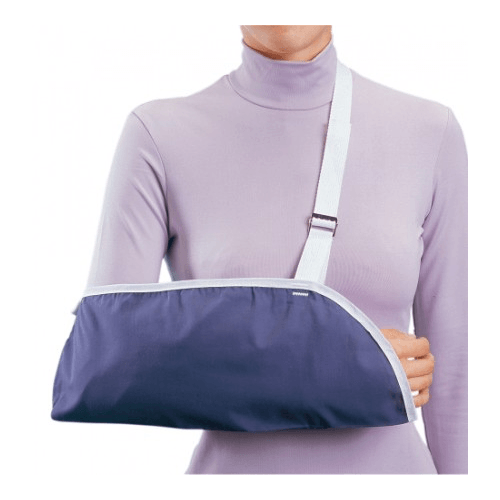 $ 49.00
Clinic Arm Slings ProCare
ProcareThe ProCare Clinic Arm Sling is for the purpose of treating arm injuries including those to the wrist and the hand. The clinic arm sling is also an...
View full details -
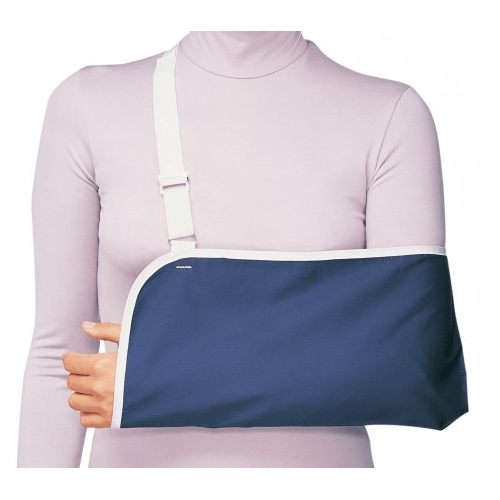 Sale
from $ 5.85
Sale
from $ 5.85Deep Pocket Arm Sling ProCare
ProcareThe ProCare Deep Pocket Arm Sling is a generously sized, comfortable arm sling that provides maximum support to the arm, wrist or hand after injury...
View full details -
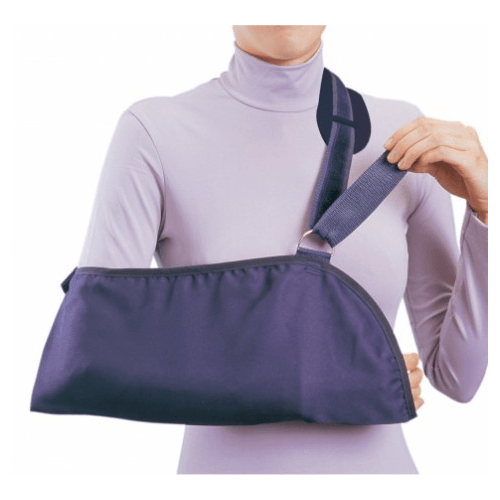 Sale 16%
Original price $ 12.99Current price $ 10.95
Sale 16%
Original price $ 12.99Current price $ 10.95Deluxe Arm Sling with Pad, ProCare
ProcareThe ProCare Deluxe Arm Sling with Pad is a generously sized pocket sling for support of arm injuries, including those to the wrist and hand. This a...
View full details -
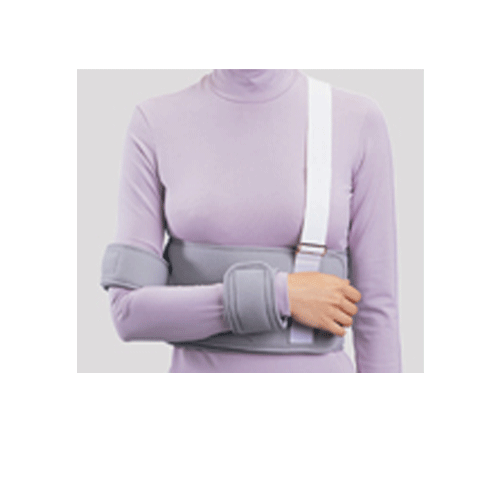 Sale
from $ 16.00
Sale
from $ 16.00Deluxe Shoulder Immobilizer ProCare
DJO GlobalThe Procare Deluxe Shoulder Immobilizer is for treatment of traumatic or post-surgical immobilization. This shoulder brace is made of fiber laminat...
View full details -
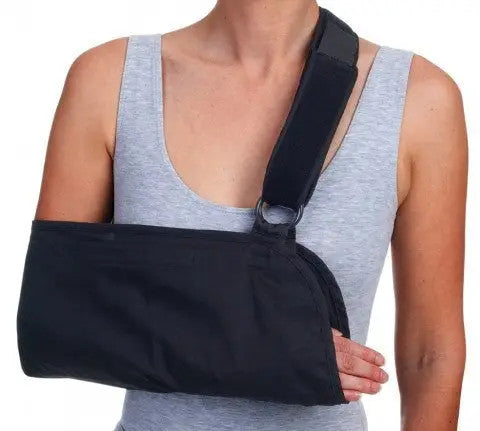 Sale 41%
Original price $ 16.99Current price $ 9.95
Sale 41%
Original price $ 16.99Current price $ 9.95Universal Arm Sling
ProcareThe Universal Arm Sling is a durable sling that is designed to offer support for the shoulder and elbow joints. This sling features a contact closu...
View full details -
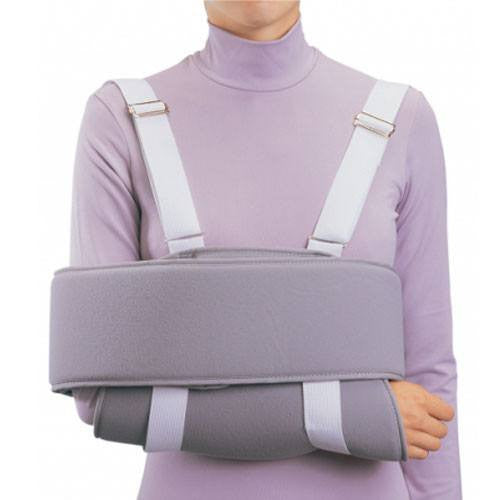 $ 23.00
Deluxe Sling and Swathe ProCare
ProcareProCare Deluxe Sling and Swathe is designed to give you a lightweight, comfortable option to keep your shoulder in place following injury or surger...
View full details -
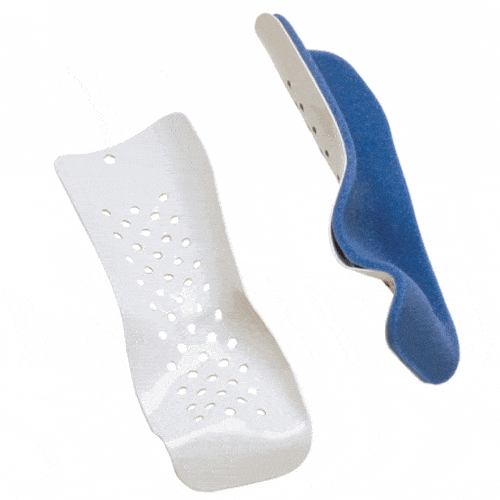 $ 9.95
Colles' Wrist Splint Padded Aluminum / Foam Left Hand Procare
ProcareThe Procare Forearm Splint is a padded arm support designed for maximum protection following surgery or casting. Ideal for support of colles injuri...
View full details
Arm Slings are a critical piece of equipment used to help immobilize the arms and shoulders when people suffer from painful arms and shoulders due to a strain or sprain. Arm Slings utilize cushioned materials, shoulder support, and straps to keep the arm close to the body and aid in resetting and healing of the injured area. Providing a convenient solution for immobilizing the arm, Arm Slings can be used at home, outdoors, and in physical therapy batches. Arm Slings are designed to be comfortable for continuous wear and promote the healing of the injured around it providing pain relief, stabilize the arm, and reduces the amount of stress placed on the surrounding shoulder muscle and shoulder joint.
- Purpose: Professional-grade arm slings for immobilization, injury support, and post-operative recovery in clinical, institutional, and field settings.
- Primary Users: Clinics, hospitals, EMS teams, emergency responders, physical therapy centers, dental and veterinary practices, medspas, and institutional bulk buyers.
- Key Benefit: Immobilization reduces shoulder joint stress, prevents unwanted motion during healing, and promotes patient comfort during extended wear.
- Scope: Collection includes standard slings, deluxe padded options, universal fit slings, and specialized immobilization devices for various injury severities and age groups.
- Wholesale Advantage: Bulk pricing, fast US shipping, and professional-level support for institutional healthcare procurement.
- Standard Arm Slings: Basic cushioned immobilization with adjustable straps, suitable for acute injuries, minor sprains, and post-operative support in cost-conscious environments.
- Deluxe/Premium Arm Slings: Enhanced padding, mesh ventilation, and ergonomic arm support for extended-wear comfort and higher-acuity patient populations.
- Universal Fit Slings: Adjustable designs accommodating multiple body sizes, from pediatric to adult, reducing SKU complexity for facilities with diverse patient demographics.
- Shoulder Immobilizers: Specialized support for rotator cuff injuries, post-surgical shoulder repair, and conditions requiring enhanced motion restriction compared to standard slings.
- Cast Support Slings: Designed specifically for use alongside arm casts, providing additional support and weight distribution during fracture healing.
| Product Type | Padding Level | Adjustability | Ideal For | Wear Duration |
|---|---|---|---|---|
| Standard Arm Sling | Basic cushioning | Single strap adjustment | Acute injuries, minor sprains, temporary support | Short-term (1–2 weeks) |
| Deluxe Arm Sling | Enhanced neoprene/foam | Multi-point adjustment, mesh ventilation | Extended wear, post-operative recovery, sensitive skin | Medium-term (2–6 weeks) |
| Universal Fit Sling | Standard to enhanced | Size-adaptive design | Multi-patient inventory, pediatric to adult | Variable (short to medium-term) |
| Shoulder Immobilizer | Maximum support structure | Adjustable arm cradle, shoulder harness | Rotator cuff, post-surgical repair, high-restriction needs | Medium to long-term (4–8 weeks) |
| Cast Support Sling | Reinforced padding at contact points | Cast-compatible strap configuration | Fracture immobilization, cast-concurrent use | Medium-term (as long as cast worn) |
- Post-Operative Shoulder Surgery: Initial phase recovery after rotator cuff repair, shoulder stabilization procedures, or other surgical intervention requiring protected immobilization.
- Rotator Cuff Injuries: Acute or chronic rotator cuff strains, partial tears, and tendinitis cases where motion restriction supports healing without surgical intervention.
- Acute Arm & Shoulder Injuries: Sprains, strains, contusions, and minor trauma to arm or shoulder regions benefit from temporary immobilization and weight support.
- Fracture Management: Humerus, clavicle, and upper arm fractures frequently require sling immobilization, either as primary support or adjunct to casting.
- Emergency & Field Response: EMS and emergency responders use slings for rapid on-site immobilization of shoulder and arm injuries before transport to definitive care.
- Physical Therapy & Rehabilitation: Early-phase recovery protocols often use slings during restricted-motion periods, transitioning patients to unsupported activity as tissue heals.
- Aesthetic & Medical Spa Settings: Post-procedure support following injectable treatments or minimally invasive procedures affecting the shoulder region.
- Injury Severity Assessment: Acute, high-pain injuries typically require maximum-support shoulder immobilizers or deluxe slings. Minor sprains or late-stage recovery may use standard slings with adequate comfort.
- Wear Duration: Short-term acute support (1–2 weeks) can use standard slings. Extended recovery (4+ weeks) benefits from enhanced padding and ventilation features to maintain compliance and skin health.
- Patient Population & Size: Single-size standard slings suit homogeneous adult populations. Universal fit or multi-size inventories reduce SKU complexity while maintaining proper fit across pediatric and diverse adult body types.
- Clinical Setting Demands: Emergency/EMS environments need rapid-deployment, easy-application slings. Clinic and rehabilitation settings can utilize more adjustable, higher-feature options. High-throughput facilities benefit from standardized SKUs to simplify staff training.
- Budget & Volume: Wholesale bulk ordering enables institutions to balance product feature requirements with cost per unit. Deluxe features justify cost in extended-wear, high-compliance settings. Standard options suit high-volume, short-duration injury management.
- Patient Comfort & Compliance: Patients more likely to comply with immobilization protocols when slings balance support with breathability and reduced pressure points. Assess patient feedback and adjust feature selection accordingly.
- Wholesale Pricing: Volume-based discounts apply to institutional bulk orders. Contact our sales team for custom pricing tiers specific to your facility's volume needs and purchasing patterns.
- Bulk Order Minimums: Not specified in provided data. Contact sales@mountainside-medical.com or +1 (888) 687-4334 for specific minimum order requirements and bulk pricing structure.
- Licensing Verification: Products are intended for use by licensed healthcare professionals. Institutional buyers and individual practitioners must verify appropriate medical licensing to purchase restricted medical products.
- Shipping & Delivery: Free US-wide shipping on orders over $100. Expedited shipping available; contact sales for express delivery options and lead times.
- New Customer Incentive: Receive 5% off your first purchase. Contact our sales team to discuss account setup, volume pricing, and ongoing procurement support.
- Account Management: Institutional buyers benefit from dedicated account support, bulk shipment coordination, and reorder flexibility. Email sales@mountainside-medical.com or call +1 (888) 687-4334 to establish a wholesale account.
Medical Use & Professional Guidance:
The products in this collection are medical devices intended for use by qualified healthcare professionals or under the guidance of a licensed medical provider. These products are not a substitute for professional medical advice, diagnosis, or treatment.
Proper diagnosis, immobilization strategy, and clinical follow-up must be determined by a licensed healthcare provider. Patient outcomes depend on appropriate product selection, correct application, and adherence to clinical protocols established by qualified medical professionals.
Mountainside Medical supplies wholesale medical equipment and does not provide medical diagnosis, treatment recommendations, or clinical guidance. All clinical decisions regarding patient immobilization and injury management remain the responsibility of the treating healthcare provider.
For questions about appropriate product selection for specific clinical scenarios, consult your healthcare provider or clinical supervisor.
-
What is the purpose of an arm sling?
An arm sling suspends the arm close to the body to restrict motion, reduce gravitational stress on the shoulder joint, and support healing of arm and shoulder injuries. The sling immobilizes the arm during the acute and early recovery phases by suspending the arm's weight using a shoulder strap, preventing unwanted movement, and distributing contact pressure across the shoulder through padded support surfaces.
-
What types of injuries are treated with arm slings?
Arm slings support recovery from acute arm and shoulder sprains, strains, contusions, rotator cuff injuries, post-operative shoulder surgery, clavicle and humerus fractures, and other upper extremity trauma. Physical therapists also use slings during early-phase rehabilitation when motion restriction is part of the treatment protocol. The specific sling type and duration depend on injury severity and clinical recommendation.
-
How long can a patient wear an arm sling?
Sling wear duration depends on injury type and clinical protocol. Acute injuries may require sling immobilization for 1–2 weeks, while post-operative recovery or more severe injuries may necessitate extended wear of 4–8 weeks or longer. Duration decisions are made by the treating healthcare provider based on healing progress. Regular clinical reassessment guides transition from immobilization to gradual, unsupported activity.
-
What is the difference between a standard sling and a shoulder immobilizer?
Standard arm slings provide basic immobilization with cushioned shoulder support and adjustable arm straps. Shoulder immobilizers offer enhanced motion restriction, additional shoulder harness components, and reinforced arm cradling—designed for higher-acuity injuries like rotator cuff repairs or conditions requiring maximum restriction. Standard slings suit minor injuries and temporary support; immobilizers target complex shoulder injuries needing precise positioning control.
-
Can pediatric patients use standard adult arm slings?
Standard adult slings may not fit pediatric patients properly. Universal fit slings with size-adaptive designs accommodate pediatric through adult body types with proper fit control. Improper fit can reduce efficacy and patient compliance. Healthcare providers should select slings sized appropriately for patient age and body dimensions to ensure adequate support and comfort.
-
Are arm slings suitable for continuous wear?
Slings are designed for extended wear in clinical settings. Continuous comfort during multi-week immobilization depends on quality of padding, ventilation features, and proper strap adjustment. Deluxe slings with neoprene or mesh ventilation maintain breathability and reduce skin irritation during extended use. Standard slings work well for shorter immobilization periods. Regularly monitor skin condition and adjust strap tension as swelling decreases.
-
How do I order arm slings in bulk for my clinic or hospital?
Contact Mountainside Medical sales at sales@mountainside-medical.com or +1 (888) 687-4334 for wholesale pricing, bulk order details, and account setup. We offer volume-based discounts, free US-wide shipping on orders over $100, and 5% off first purchase for new customers. Our sales team provides custom pricing, bulk coordination, and ongoing procurement support for institutional healthcare buyers.
-
What licensing is required to purchase medical slings from Mountainside Medical?
Products are intended for use by licensed healthcare professionals. Institutional buyers and individual practitioners must possess appropriate medical, nursing, EMS, or equivalent healthcare licensing to purchase medical equipment. Verify your professional credentials meet Mountainside Medical requirements before placing wholesale orders.
-
Do you offer expedited shipping for urgent orders?
Standard shipping includes free US-wide delivery on orders over $100. Expedited shipping options may be available for urgent facility needs. Contact our sales team at sales@mountainside-medical.com or +1 (888) 687-4334 to discuss express delivery options, lead times, and rush order handling.
-
What should I consider when selecting an arm sling for my patient population?
Consider injury severity (standard vs. immobilizer features), expected wear duration (short-term acute vs. extended recovery), patient size range (single-size vs. universal fit), clinical setting demands (emergency rapid deployment vs. clinic comfort focus), and patient skin sensitivity (ventilation and padding needs). Assess patient feedback and adjust selection based on compliance and clinical outcomes. Consult your clinical supervisor or healthcare provider for guidance on appropriate product matching.