Skip to content
New users? Get 5% off on your first purchase.
Free US shipping over $100
New users? Get 5% off on your first purchase.
Free US shipping over $100

Added to your cart:

Cart subtotal

Filters

Price
$
-
$
$0 $1950
Collection

Atropine Sulfate Injections

Atropine Sulfate Injections: Fast-Acting Emergency Cardiac & Antidote Treatment

Atropine Sulfate Injections are a critical, fast-acting prescription medication used in emergency medicine for the treatment of bradycardia (slow heart rate), as an antidote for organophosphate poisoning, and to reduce salivation during surgery. Trusted by hospitals, ambulances, anesthesia teams, and critical care units worldwide, Atropine Sulfate provides powerful, life-saving action when seconds count.

Get the Gold Standard in Cardiac Emergency Care – Atropine Sulfate Injection for Rapid Response!

Information

  • Drug Name: Atropine Sulfate
  • Form: Intravenous (IV), intramuscular (IM), or subcutaneous (SC) injection
  • Prescription Status: Rx Only (Prescription required)
  • Ingredients: Atropine Sulfate (Active), sterile water, and stabilizers
  • Storage: Store at controlled room temperature, protect from light
  • Administration: Administered by trained medical professionals only

Purpose

Atropine Sulfate Injection is essential for resuscitation, critical care, and toxicology emergencies, working as a potent anticholinergic agent to rapidly increase heart rate, block vagal effects, and counteract life-threatening poisonings.

Uses

  • Bradycardia Treatment: Restores normal heart rhythm in patients with severe, symptomatic bradycardia during cardiac emergencies.
  • Organophosphate & Nerve Agent Poisoning: Primary antidote to reverse life-threatening effects of pesticides and chemical agent exposures.
  • Pre-anesthetic Medication: Reduces salivation, mucus, and vagal reflexes before surgery or intubation.
  • Pulseless Electrical Activity (PEA) and Asystole: Used in advanced cardiac life support (ACLS) protocols.
  • Eye Procedures (Occasionally): As a mydriatic and cycloplegic agent in ophthalmology.

Types & Formulations

  • IV (Intravenous) Atropine Injection: Most rapid onset for emergency interventions.
  • IM (Intramuscular) Atropine Injection: Used when IV access is unavailable.
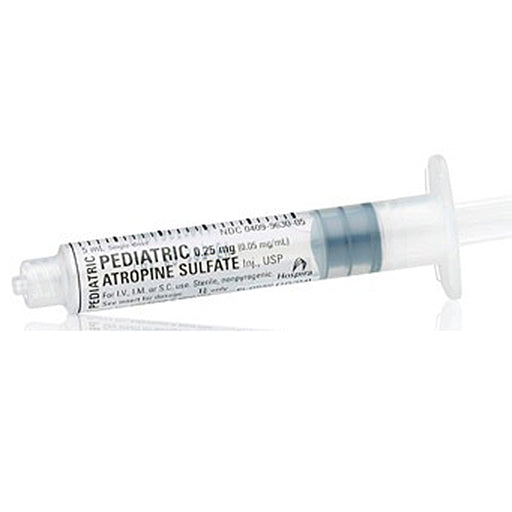
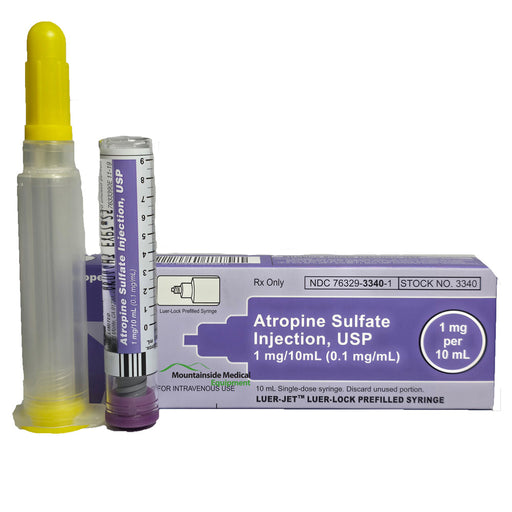
  • Pre-filled Syringes: For rapid administration in ambulances and field kits.
  • Multi-dose Vials: For hospital use and repeated dosing.

Popular Brands

  • Hospira Atropine Sulfate Injection (Pfizer)
  • Fresenius Kabi Atropine
  • West-Ward / Hikma Pharmaceuticals
  • AuroMedics Atropine Injection
  • Amphastar Pharmaceuticals

Strengths (Concentrations)

  • 0.1 mg/mL (commonly for pediatric dosing or sensitive patients)
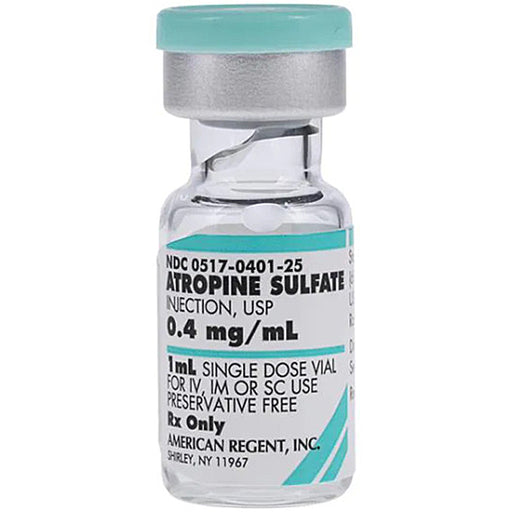
  • 0.4 mg/mL
  • 0.5 mg/mL
  • 1 mg/mL (standard adult strength)
  • 2 mg/0.7 mL (auto-injector for field/antidote use)

Sizes & Packaging

  • 1 mL Vials / Ampules / Pre-filled Syringes
  • 10 mL Multi-dose Vials
  • Auto-injectors (for nerve agent exposure and emergency kits)
  • Custom emergency packaging: For crash carts and EMS field use

Benefits

  • Rapid Onset and Reliable Action: Instant results for life-saving interventions
  • Versatile Routes: IV, IM, SC administration for different emergency scenarios
  • Critical for ACLS & Poison Control: Fulfills multiple vital hospital protocols
  • Stable, Ready-to-Use: Immediate access for emergency teams and ambulances
  • Trusted by Top Hospitals: FDA-approved; meets the highest standards
  • Life-Saving Antidote: Essential for toxicology and chemical exposure centers

Precautions

  • Prescription Use Only: For administration by healthcare providers
  • Monitor Heart Rate & Rhythm: Overdose/misuse may worsen arrhythmias or tachycardia
  • Allergy Watch: Contraindicated in patients allergic to atropine or belladonna alkaloids
  • Glaucoma Risk: May worsen narrow-angle glaucoma—use caution in at-risk patients
  • Pregnancy & Breastfeeding: Use only if clearly needed and prescribed
  • Proper Storage: Protect from light, discard if solution is discolored
  • Not for Routine Home Use: Strictly for hospital and EMS use under medical supervision

Why Choose Atropine Sulfate Injections?

Atropine Sulfate Injection is the first-line emergency medication for rapid heart rate restoration, critical poisoning antidote, and advanced cardiac support. Trusted by the world’s best medical teams, it delivers fast, reliable results in every life-threatening emergency. Be prepared, stay protected—choose Atropine Sulfate for every critical care setting.

Order Atropine Sulfate Injection from trusted hospital suppliers for certified emergency and critical care use!

Atropine Sulfate Injections: Fast-Acting Emergency Cardiac & Antidote Treatment

Atropine Sulfate Injections are a critical, fast-acting prescription medication used in emergency medicine for the treatment of bradycardia (slow heart rate), as an antidote for organophosphate poisoning, and to reduce salivation during surgery. Trusted by hospitals, ambulances, anesthesia teams, and critical care units worldwide, Atropine Sulfate provides powerful, life-saving action when seconds count.

Get the Gold Standard in Cardiac Emergency Care – Atropine Sulfate Injection for Rapid Response!

Information

  • Drug Name: Atropine Sulfate
  • Form: Intravenous (IV), intramuscular (IM), or subcutaneous (SC) injection
  • Prescription Status: Rx Only (Prescription required)
  • Ingredients: Atropine Sulfate (Active), sterile water, and stabilizers
  • Storage: Store at controlled room temperature, protect from light
  • Administration: Administered by trained medical professionals only

Purpose

Atropine Sulfate Injection is essential for resuscitation, critical care, and toxicology emergencies, working as a potent anticholinergic agent to rapidly increase heart rate, block vagal effects, and counteract life-threatening poisonings.

Uses

  • Bradycardia Treatment: Restores normal heart rhythm in patients with severe, symptomatic bradycardia during cardiac emergencies.
  • Organophosphate & Nerve Agent Poisoning: Primary antidote to reverse life-threatening effects of pesticides and chemical agent exposures.
  • Pre-anesthetic Medication: Reduces salivation, mucus, and vagal reflexes before surgery or intubation.
  • Pulseless Electrical Activity (PEA) and Asystole: Used in advanced cardiac life support (ACLS) protocols.
  • Eye Procedures (Occasionally): As a mydriatic and cycloplegic agent in ophthalmology.

Types & Formulations

  • IV (Intravenous) Atropine Injection: Most rapid onset for emergency interventions.
  • IM (Intramuscular) Atropine Injection: Used when IV access is unavailable.
  • Pre-filled Syringes: For rapid administration in ambulances and field kits.
  • Multi-dose Vials: For hospital use and repeated dosing.

Popular Brands

  • Hospira Atropine Sulfate Injection (Pfizer)
  • Fresenius Kabi Atropine
  • West-Ward / Hikma Pharmaceuticals
  • AuroMedics Atropine Injection
  • Amphastar Pharmaceuticals

Strengths (Concentrations)

  • 0.1 mg/mL (commonly for pediatric dosing or sensitive patients)
  • 0.4 mg/mL
  • 0.5 mg/mL
  • 1 mg/mL (standard adult strength)
  • 2 mg/0.7 mL (auto-injector for field/antidote use)

Sizes & Packaging

  • 1 mL Vials / Ampules / Pre-filled Syringes
  • 10 mL Multi-dose Vials
  • Auto-injectors (for nerve agent exposure and emergency kits)
  • Custom emergency packaging: For crash carts and EMS field use

Benefits

  • Rapid Onset and Reliable Action: Instant results for life-saving interventions
  • Versatile Routes: IV, IM, SC administration for different emergency scenarios
  • Critical for ACLS & Poison Control: Fulfills multiple vital hospital protocols
  • Stable, Ready-to-Use: Immediate access for emergency teams and ambulances
  • Trusted by Top Hospitals: FDA-approved; meets the highest standards
  • Life-Saving Antidote: Essential for toxicology and chemical exposure centers

Precautions

  • Prescription Use Only: For administration by healthcare providers
  • Monitor Heart Rate & Rhythm: Overdose/misuse may worsen arrhythmias or tachycardia
  • Allergy Watch: Contraindicated in patients allergic to atropine or belladonna alkaloids
  • Glaucoma Risk: May worsen narrow-angle glaucoma—use caution in at-risk patients
  • Pregnancy & Breastfeeding: Use only if clearly needed and prescribed
  • Proper Storage: Protect from light, discard if solution is discolored
  • Not for Routine Home Use: Strictly for hospital and EMS use under medical supervision

Why Choose Atropine Sulfate Injections?

Atropine Sulfate Injection is the first-line emergency medication for rapid heart rate restoration, critical poisoning antidote, and advanced cardiac support. Trusted by the world’s best medical teams, it delivers fast, reliable results in every life-threatening emergency. Be prepared, stay protected—choose Atropine Sulfate for every critical care setting.

Order Atropine Sulfate Injection from trusted hospital suppliers for certified emergency and critical care use!

FAQs for Atropine Sulfate Injections

  • What Is Atropine Sulfate Injection For?

    Atropine sulfate injection is a fast-acting, prescription emergency medication used to: Treat bradycardia (dangerously slow heart rate) Reverse cholinergic toxicity (organophosphate or nerve agent poisoning) Reduce secretions before surgery Counteract vagal reflexes during anesthesia and medical procedures Occasionally used in advanced cardiac life support (ACLS) protocols

  • Is Atropine Safe in Pregnancy?

    Atropine is classified as pregnancy category C. It should be used in pregnancy only if clearly needed and prescribed by a doctor, as there is limited data on risks; discuss carefully with your healthcare provider.

  • How Long Does an Atropine Injection Last?

    Immediate effects typically start within 2–4 minutes of IV administration. Duration of action: usually 30–60 minutes but may last longer depending on dose and route.

  • Can Atropine Cause Seizures?

    Seizures are a rare side effect, more likely at high doses or with overdose. Atropine can cause central nervous system stimulation, especially in children or people with underlying neurologic issues.

  • Why Would Someone Be Given Atropine?

    Bradycardia (slow heart rate) management Pre-anesthetic to decrease saliva/secretions Antidote for pesticide/organophosphate poisoning Management of certain eye and airway procedures

  • What Are the Benefits of Atropine Injection?

    Rapid reversal of bradycardia during emergencies Life-saving in cases of nerve agent or organophosphate poisoning Decreases secretions to improve intubation/airway safety preoperatively Counters excessive vagal (parasympathetic) responses

  • What Does Atropine Do to the Brain?

    Blocks acetylcholine receptors in the brain, which can cause agitation, confusion, or delirium at higher doses. Used with caution in elderly or patients with cognitive impairment.

  • Is Atropine a High Risk Drug?

    Yes, atropine is a high-alert medication due to potential for dangerous side effects including severe tachycardia, cardiac arrhythmia, agitation, or overdose.

  • Is Atropine a Sedative?

    No, atropine is not a sedative. It is an anticholinergic agent; its primary action is to block parasympathetic activity, not to sedate the patient.

  • Why Is Atropine Used in Labor?

    Rarely, atropine can be used to reverse severe bradycardia in the mother or during emergency situations in pregnancy or C-section; not common in routine obstetric care.

  • What Does Atropine Do to the Heart?

    Increases heart rate by blocking vagal (parasympathetic) influence Can be life-saving in severe bradycardia or asystole.

  • How Long Until Atropine Wears Off?

    Effects commonly subside within 1 hour, but some symptoms (dry mouth, blurred vision) may last longer.

  • What Is the Next Step After Atropine?

    If bradycardia remains unresolved, ACLS guidelines recommend transcutaneous pacing or advanced cardiac medications. For poisoning, repeated atropine doses and supportive care may be necessary.

  • What Should I Avoid While Taking Atropine?

    Avoid extreme heat (risk of decreased sweating/overheating) Avoid driving or hazardous activities if vision is blurred or you feel confused. Be cautious with other medications with anticholinergic effects.

  • Can Atropine Cause a Stroke?

    Atropine does not directly cause stroke, but can raise heart rate and blood pressure. Caution is used in patients with cardiovascular risk.

  • Why Use Atropine Injections?

    Instant response for critical slow heart rhythm or dangerous poisonings Prevents excessive airway secretions during surgery Essential component in emergency medical services and hospitals

  • Can Atropine Cause Memory Loss?

    Short-term confusion, agitation, or memory impairment can occur, especially at high doses or in the elderly—reversible on stopping the drug.

  • Why Do Doctors Prescribe Atropine?

    To treat bradycardia, manage acute poisoning, reduce secretions, or facilitate certain medical procedures where anticholinergic effects are needed.

  • Can Atropine Raise Blood Pressure?

    Yes, it may cause a moderate increase in blood pressure due to increased heart rate.

  • When Not to Use Atropine?

    Glaucoma (narrow angle) Obstructive uropathy, ileus, myasthenia gravis (unless for reversal) Known allergy to atropine Serious cardiovascular instability (unless life-threatening bradycardia)

  • Why Choose Our Atropine Sulfate Injections?

    USP-Grade, hospital-trusted formulation Rapid IV/IM/SC administration for critical emergencies Tamper-evident, sterile single and multi-dose vials Used globally by EMS, anesthesiologists, and in all levels of hospital care Essential for bradycardia, poisoning, airway, and surgical protocols Clear dosage, administration, and safety documentation

Atropine Sulfate Injections – Critical Emergency & Cardiac Drug for Rapid Response

Shop Atropine Sulfate Injection – The Hospital and EMS Standard for Bradycardia, Cholinergic Crisis, and Preoperative Care. Trusted by Emergency Physicians and Critical Care Teams Worldwide.

Choose FDA-approved Atropine Sulfate for proven, lifesaving reversal of bradycardia and critical poisoning. Essential for all emergency kits and clinical protocols.

Get Notified When Back in Stock