
Filters
Availability
Price
$
-
$
$0
$57
Collection
Tags
- Acute bacterial exacerbation (1)
- Antibiotic for respiratory infection (1)
- Antibiotics (2)
- Azithromycin (2)
- Azithromycin 250 mg (1)
- Azithromycin 250 mg Tablets (1)
- Azithromycin Tablets (1)
- Azithromycin Tablets 250 mg (1)
- Azithromycin Z-Pack (1)
- bacterial infection (1)
- Bacterial Infections (1)
- Bronchitis medicine (1)
- buy Azithromycin online (2)
- doctor-only (2)
- Ear Infection (2)
- Ear Infections (2)
- Oral azithromycin tablets (1)
- Pfizer Zithromax (1)
- pneumonia (1)
- Pneumonia antibiotic (1)
- Respiratory infection (1)
- Sinus Infection (1)
- Skin Infection (1)
- Skin Infections (1)
- Treat bacterial infections (1)
- Treat infections (2)
- Treat Pneumonia (1)
- Treat skin infections (1)
- Treat STD's (2)
- Upper respiratory infection (1)
- Zithromax 250 mg tablets (1)
- Acute Sinusitis (1)
- antibiotic for children (1)
- antibiotics for strep throat (1)
- azithromycin 200mg/5ml (1)
- Azithromycin Liquid (1)
- Azithromycin Oral Solution (1)
- Azithromycin oral suspension (1)
- Bacterial Bronchitis (1)
- broad-spectrum antibiotic (1)
- liquid antibiotic (1)
- ou-exclude (1)
- pediatric antibiotic (1)
- pneumonia medication (1)
- Strep Throat (1)
Azithromycin Antibiotics to Ear Infection
Azithromycin Antibiotic Medications
Azithromycin (brand *Zithromax, Zmax) is a broad-spectrum macrolide antibiotic prescribed for many bacterial infections. It works by inhibiting bacterial protein synthesis (binding the 50S ribosomal subunit), effectively stopping growth of susceptible bacteria Because of its broad activity, azithromycin covers Gram-positive and some Gram-negative bacteria and is especially effective against “atypical” organisms (like Chlamydia species, Mycoplasma, and Legionella). It is important to note that azithromycin only treats bacterial infections and will not work for viral illnesses (e.g. colds or the flu)
Azithromycin antibiotics are FDA-approved, broad-spectrum prescription medications trusted by physicians, pharmacists, and infectious disease specialists worldwide. Known by the brand names Zithromax and Z-Pak, Azithromycin delivers rapid and effective relief from a wide range of bacterial infections—including respiratory tract infections, pneumonia, bronchitis, sinusitis, strep throat, ear infections, skin & soft tissue infections, chlamydia, and traveler’s diarrhea.
Azithromycin Uses
- Upper & Lower Respiratory Tract Infections: Bronchitis, pneumonia, sinusitis, pharyngitis, laryngitis.
- Strep Throat & Tonsillitis: Effective in eradicating group A strep.
- Ear Infections (Otitis Media): Especially in children.
- Skin & Soft Tissue Infections: Cellulitis, impetigo, wound infections.
- Chlamydia & Other STIs: First-line single-dose therapy for uncomplicated chlamydia infection.
- Traveler’s Diarrhea: Trusted in global travel or field medicine settings.
- COPD & Asthma Exacerbations: Adjuvant therapy for acute bacterial flare-ups.
Azithromycin Dosage
Azithromycin is usually taken orally. It comes as tablets, including larger single-dose packets, and as a flavored liquid suspension. A common regimen is once-daily dosing over a short course: for example, a “Z-Pak” regimen (500 mg on day 1, then 250 mg daily on days 2–5), or a single 1 g dose for certain STDs. An extended-release tablet/suspension (“Zmax”) allows a one-time large dose (typically 2 g once) on an empty stomach. For children, doses are weight-based. Azithromycin can be taken with or without food (some forms specify on empty stomach), and liquid forms should be shaken before use. There is also an intravenous (IV) form for use in hospitals for serious infections, but nearly all outpatient therapy is oral. It is important to complete the full course as prescribed to fully clear the infection and prevent resistance.
Azithromycin Side Effects
Azithromycin is generally well-tolerated, but side effects can occur. The most common side effects are gastrointestinal: nausea, vomiting, abdominal pain and diarrhea. Headache and dizziness are also reported. Taking azithromycin with food or spacing doses can sometimes reduce stomach upset. Less common issues include mild liver enzyme elevations and yeast infections (oral or vaginal thrush) due to disruption of normal flora.
-
 Sale 28%
Original price $ 79.95Current price $ 57.75
Sale 28%
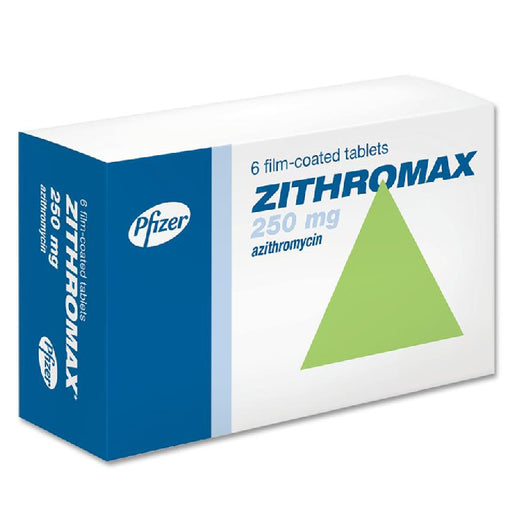
Original price $ 79.95Current price $ 57.75Z-Pack Zithromax (Azithromycin) Tablets 250 mg 3 packs of 6 (18 Count) (RX)
Pfizer USPGNo reviewsLeading Antibiotic for Respiratory, Sinus, Skin, and Throat Infections Experience fast, powerful relief from bacterial infections with Zithromax (A...
View full details🔒 Medical License Required -
 Sale 33%
Original price $ 75.00Current price $ 49.95
Sale 33%
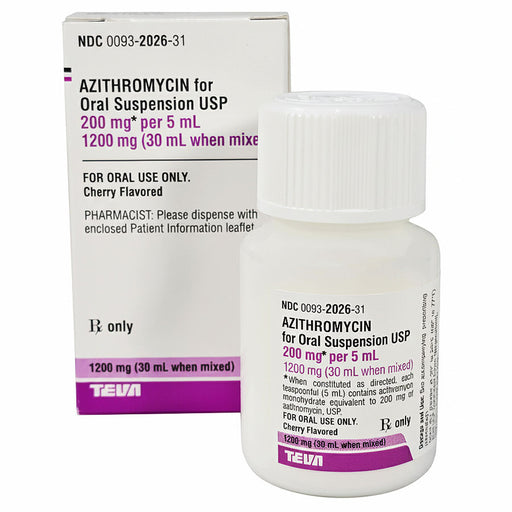
Original price $ 75.00Current price $ 49.95Azithromycin Liquid Oral Suspension Solution 200mg/ 5ml Pediatric Strength 30 mL (Rx)
Teva PharmaceuticalsNo reviews#1 Doctor-Recommended Antibiotic Oral Suspension for Bacterial Infections — Powerful, Fast-Acting, and Child-Friendly Trust Azithromycin Oral Suspe...
View full details🔒 Medical License Required
Azithromycin Antibiotic Medications
Azithromycin (brand *Zithromax, Zmax) is a broad-spectrum macrolide antibiotic prescribed for many bacterial infections. It works by inhibiting bacterial protein synthesis (binding the 50S ribosomal subunit), effectively stopping growth of susceptible bacteria Because of its broad activity, azithromycin covers Gram-positive and some Gram-negative bacteria and is especially effective against “atypical” organisms (like Chlamydia species, Mycoplasma, and Legionella). It is important to note that azithromycin only treats bacterial infections and will not work for viral illnesses (e.g. colds or the flu)
Azithromycin antibiotics are FDA-approved, broad-spectrum prescription medications trusted by physicians, pharmacists, and infectious disease specialists worldwide. Known by the brand names Zithromax and Z-Pak, Azithromycin delivers rapid and effective relief from a wide range of bacterial infections—including respiratory tract infections, pneumonia, bronchitis, sinusitis, strep throat, ear infections, skin & soft tissue infections, chlamydia, and traveler’s diarrhea.
Azithromycin Uses
- Upper & Lower Respiratory Tract Infections: Bronchitis, pneumonia, sinusitis, pharyngitis, laryngitis.
- Strep Throat & Tonsillitis: Effective in eradicating group A strep.
- Ear Infections (Otitis Media): Especially in children.
- Skin & Soft Tissue Infections: Cellulitis, impetigo, wound infections.
- Chlamydia & Other STIs: First-line single-dose therapy for uncomplicated chlamydia infection.
- Traveler’s Diarrhea: Trusted in global travel or field medicine settings.
- COPD & Asthma Exacerbations: Adjuvant therapy for acute bacterial flare-ups.
Azithromycin Dosage
Azithromycin is usually taken orally. It comes as tablets, including larger single-dose packets, and as a flavored liquid suspension. A common regimen is once-daily dosing over a short course: for example, a “Z-Pak” regimen (500 mg on day 1, then 250 mg daily on days 2–5), or a single 1 g dose for certain STDs. An extended-release tablet/suspension (“Zmax”) allows a one-time large dose (typically 2 g once) on an empty stomach. For children, doses are weight-based. Azithromycin can be taken with or without food (some forms specify on empty stomach), and liquid forms should be shaken before use. There is also an intravenous (IV) form for use in hospitals for serious infections, but nearly all outpatient therapy is oral. It is important to complete the full course as prescribed to fully clear the infection and prevent resistance.
Azithromycin Side Effects
Azithromycin is generally well-tolerated, but side effects can occur. The most common side effects are gastrointestinal: nausea, vomiting, abdominal pain and diarrhea. Headache and dizziness are also reported. Taking azithromycin with food or spacing doses can sometimes reduce stomach upset. Less common issues include mild liver enzyme elevations and yeast infections (oral or vaginal thrush) due to disruption of normal flora.
Azithromycin Uses
Azithromycin Dosage
Azithromycin Side Effects
Key Points
Azithromycin is used to treat many common infections. For example, it treats respiratory infections such as bronchitis, sinusitis, and pneumonia including “walking pneumonia” (atypical pneumonia). It is often prescribed for ear infections (otitis media) and throat infections (like strep throat) especially in patients allergic to penicillin. It also treats skin and soft-tissue infections caused by bacteria (such as cellulitis). A notable use is for sexually transmitted diseases: azithromycin is a first-line therapy for Chlamydia trachomatis (single 1 g dose) and is used (usually in combination with other antibiotics) for gonorrhea and chancroid. Additionally, azithromycin is used in HIV-infected patients to prevent or treat disseminated Mycobacterium avium complex (MAC) infection. Other uses include pertussis (whooping cough), certain gastrointestinal infections, and off-label indications per physician judgment. (Again, it is not effective against viruses.
Azithromycin Dosage
Azithromycin is usually taken orally. It comes as tablets, including larger single-dose packets, and as a flavored liquid suspension. A common regimen is once-daily dosing over a short course: for example, a “Z-Pak” regimen (500 mg on day 1, then 250 mg daily on days 2–5), or a single 1 g dose for certain STDs. An extended-release tablet/suspension (“Zmax”) allows a one-time large dose (typically 2 g once) on an empty stomach. For children, doses are weight-based. Azithromycin can be taken with or without food (some forms specify on empty stomach), and liquid forms should be shaken before use. There is also an intravenous (IV) form for use in hospitals for serious infections, but nearly all outpatient therapy is oral. It is important to complete the full course as prescribed to fully clear the infection and prevent resistance.
Azithromycin Side Effects
Azithromycin is generally well-tolerated, but side effects can occur. The most common side effects are gastrointestinal: nausea, vomiting, abdominal pain and diarrhea. Headache and dizziness are also reported. Taking azithromycin with food or spacing doses can sometimes reduce stomach upset. Less common issues include mild liver enzyme elevations and yeast infections (oral or vaginal thrush) due to disruption of normal flora.
Serious side effects (rare): Like other macrolides, azithromycin can slow heart electrical conduction. It has been associated with QT interval prolongation and even arrhythmias (“torsades de pointes”) in at-risk patients. Therefore, patients with known heart rhythm problems or taking other QT-prolonging drugs should use azithromycin cautiously. A severe allergic reaction is also possible (hives, swelling, difficulty breathing); anyone experiencing these signs should seek emergency care. Antibiotic-associated colitis (overgrowth of Clostridioides difficile) is a rare but serious complication; if you develop severe persistent diarrhea, contact your doctor. Patients should not take azithromycin if they have had a severe allergy to azithromycin or other macrolides (like erythromycin or clarithromycin).
Precautions: Tell your doctor about all medications you take, as azithromycin interacts with several drugs (for example, antacids containing magnesium/aluminum can lower its absorption, and it can increase effects of blood thinners). People with liver disease or certain heart conditions should use it under medical supervision. Pregnant or breastfeeding individuals should use it only if clearly needed (it is generally considered compatible in pregnancy, but risks should be discussed). As with all antibiotics, azithromycin should be used exactly as prescribed: complete the regimen, do not skip doses, and do not share it with others.
Key Points
- Class: Azithromycin is a macrolide antibiotic. It inhibits bacterial protein synthesis (50S ribosomal subunit), stopping the growth of susceptible bacteria.
- Uses: Treats a variety of bacterial infections – especially respiratory tract infections (bronchitis, pneumonia, sinusitis), ear infections, skin infections, and certain STDs (e.g. chlamydia). Also used for MAC prophylaxis in HIV. It does not treat viral infections.
- Dosing: Typically given once daily for a short course (e.g. 3–5 days). Regimens include the 5-day “Z-Pak” or single-dose therapy (like 1 g for chlamydia). Available as tablets or liquid. Also an IV form exists for hospitalized use. Always take it exactly as directed and finish the full course.
- Side Effects: Common – GI upset (nausea, vomiting, diarrhea, headache. Serious (rare) – heart rhythm changes (QT prolongation, arrhythmias), severe allergic reaction (rash, breathing trouble). Mild liver injury and secondary yeast infections can also occur.
- Safety: Use only under doctor’s advice. Inform your provider of any antibiotic allergies. Azithromycin can interact with other medications (antacids, warfarin, QT-prolonging drugs) so precautions or monitoring may be needed. If side effects are severe or symptoms worsen, contact your doctor.
Azithromycin Uses
Azithromycin is used to treat many common infections. For example, it treats respiratory infections such as bronchitis, sinusitis, and pneumonia including “walking pneumonia” (atypical pneumonia). It is often prescribed for ear infections (otitis media) and throat infections (like strep throat) especially in patients allergic to penicillin. It also treats skin and soft-tissue infections caused by bacteria (such as cellulitis). A notable use is for sexually transmitted diseases: azithromycin is a first-line therapy for Chlamydia trachomatis (single 1 g dose) and is used (usually in combination with other antibiotics) for gonorrhea and chancroid. Additionally, azithromycin is used in HIV-infected patients to prevent or treat disseminated Mycobacterium avium complex (MAC) infection. Other uses include pertussis (whooping cough), certain gastrointestinal infections, and off-label indications per physician judgment. (Again, it is not effective against viruses.
Azithromycin Dosage
Azithromycin Dosage
Azithromycin is usually taken orally. It comes as tablets, including larger single-dose packets, and as a flavored liquid suspension. A common regimen is once-daily dosing over a short course: for example, a “Z-Pak” regimen (500 mg on day 1, then 250 mg daily on days 2–5), or a single 1 g dose for certain STDs. An extended-release tablet/suspension (“Zmax”) allows a one-time large dose (typically 2 g once) on an empty stomach. For children, doses are weight-based. Azithromycin can be taken with or without food (some forms specify on empty stomach), and liquid forms should be shaken before use. There is also an intravenous (IV) form for use in hospitals for serious infections, but nearly all outpatient therapy is oral. It is important to complete the full course as prescribed to fully clear the infection and prevent resistance.
Azithromycin Side Effects
Azithromycin Side Effects
Azithromycin is generally well-tolerated, but side effects can occur. The most common side effects are gastrointestinal: nausea, vomiting, abdominal pain and diarrhea. Headache and dizziness are also reported. Taking azithromycin with food or spacing doses can sometimes reduce stomach upset. Less common issues include mild liver enzyme elevations and yeast infections (oral or vaginal thrush) due to disruption of normal flora.
Serious side effects (rare): Like other macrolides, azithromycin can slow heart electrical conduction. It has been associated with QT interval prolongation and even arrhythmias (“torsades de pointes”) in at-risk patients. Therefore, patients with known heart rhythm problems or taking other QT-prolonging drugs should use azithromycin cautiously. A severe allergic reaction is also possible (hives, swelling, difficulty breathing); anyone experiencing these signs should seek emergency care. Antibiotic-associated colitis (overgrowth of Clostridioides difficile) is a rare but serious complication; if you develop severe persistent diarrhea, contact your doctor. Patients should not take azithromycin if they have had a severe allergy to azithromycin or other macrolides (like erythromycin or clarithromycin).
Precautions: Tell your doctor about all medications you take, as azithromycin interacts with several drugs (for example, antacids containing magnesium/aluminum can lower its absorption, and it can increase effects of blood thinners). People with liver disease or certain heart conditions should use it under medical supervision. Pregnant or breastfeeding individuals should use it only if clearly needed (it is generally considered compatible in pregnancy, but risks should be discussed). As with all antibiotics, azithromycin should be used exactly as prescribed: complete the regimen, do not skip doses, and do not share it with others.
Key Points
Key Points
- Class: Azithromycin is a macrolide antibiotic. It inhibits bacterial protein synthesis (50S ribosomal subunit), stopping the growth of susceptible bacteria.
- Uses: Treats a variety of bacterial infections – especially respiratory tract infections (bronchitis, pneumonia, sinusitis), ear infections, skin infections, and certain STDs (e.g. chlamydia). Also used for MAC prophylaxis in HIV. It does not treat viral infections.
- Dosing: Typically given once daily for a short course (e.g. 3–5 days). Regimens include the 5-day “Z-Pak” or single-dose therapy (like 1 g for chlamydia). Available as tablets or liquid. Also an IV form exists for hospitalized use. Always take it exactly as directed and finish the full course.
- Side Effects: Common – GI upset (nausea, vomiting, diarrhea, headache. Serious (rare) – heart rhythm changes (QT prolongation, arrhythmias), severe allergic reaction (rash, breathing trouble). Mild liver injury and secondary yeast infections can also occur.
- Safety: Use only under doctor’s advice. Inform your provider of any antibiotic allergies. Azithromycin can interact with other medications (antacids, warfarin, QT-prolonging drugs) so precautions or monitoring may be needed. If side effects are severe or symptoms worsen, contact your doctor.