Clindamycin (Cleocin) 150 mg Injection
Clindamycin (brand Cleocin) is a lincosamide antibiotic supplied as Clindamycin Phosphate for injection. Each mL of solution contains 150 mg clindamycin base. It is active against many gram-positive cocci (e.g. Streptococcus pyogenes, Staphylococcus aureus – methicillin-susceptible strains) and anaerobes (e.g. Clostridium perfringens, Fusobacterium, Prevotella, Peptostreptococcus). Clindamycin inhibits protein synthesis by binding the 23S rRNA of the 50S ribosomal subunit, blocking bacterial growth (bacteriostatic). It thus “turns off” infection by stopping bacteria from making proteins needed to live and spread. (It has no activity against most Gram-negative aerobes and not against Enterococcus.)
Uses
Cleocin injection is indicated for serious infections caused by susceptible organisms, especially when penicillins/cephalosporins are not an option. It covers:
-
Anaerobic infections: e.g. intra-abdominal abscess, aspiration pneumonia, lung abscess – infections where anaerobes predominate. (The label specifically notes use for pneumonia, empyema, lung abscess caused by anaerobes.)
-
Gram-positive infections: e.g. severe skin/soft-tissue infections (cellulitis, infected wounds, osteomyelitis) by Strep pyogenes, S. aureus; strep throat or pneumonia in penicillin-allergic patients. It’s also used for pelvic infections and endometritis (anaerobes) and dental infections.
-
Surgical prophylaxis (in penicillin allergy): Often used to prevent infection in abdominal/gynecologic or orthopedic surgery if a β-lactam cannot be used.
-
Alternate therapy: When bacteria (e.g. MRSA) are susceptible and other antibiotics cannot be used. (Note: Macrolide-resistant Staph/Strep must be tested with a D-zone test for inducible resistance before using clindamycin.)
In practice, clindamycin is reserved for serious infections. The official label emphasizes it should be used only if safer alternatives are inappropriate, due to its toxicity profile. It is not indicated for routine mild infections or viral illnesses; for example it should not be used for routine upper respiratory infections
Administration & Dosage (Injection)
Cleocin injection is given intravenously or intramuscularly. The standard adult IV dosing is 600–1200 mg per day divided every 6–8 hours for serious infections (doses up to 4800 mg/day have been used in life-threatening cases). For children (≥1 month), 20–40 mg/kg/day in divided doses is typical.
-
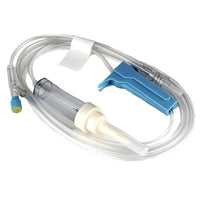
Dilution (IV): Clindamycin vials must be diluted in IV fluid before infusion. Reconstitute each 150 mg vial with sterile water (150 mg/mL) then dilute so the final concentration is ≤18 mg/mL. For example, 600 mg can be diluted in 50 mL (12 mg/mL) and infused over ~20 minutes. The label provides recommended infusion rates (e.g. 300 mg/50 mL over 10 min; 900 mg/100 mL over 30 min). Important: do not push clindamycin undiluted IV. It must be infused slowly—over at least 10–60 minutes as directed —to avoid severe hypotension or cardiac effects. Always flush the IV line before and after with saline.
-
Intramuscular (IM): If IV access is not available, clindamycin can be injected IM (deep, into a large muscle). IM injection is painful and maximal volume should be 2–3 mL per site. Do not exceed 600 mg in one IM dose. (Thus multiple vials would be given in separate sites if needed.) If using IM, use a long needle into gluteal or thigh muscle.
-
Renal/Hepatic impairment: No dosage adjustment is needed for kidney disease. In severe liver disease clindamycin levels rise, so use usual doses but monitor liver function (periodic LFTs).
-
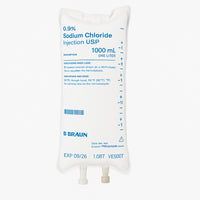
Mixing: Clindamycin IV is compatible with saline or D5W. Check institutional policies for IV admixture. Never mix with drugs that are known to precipitate with it (compatibility charts should be consulted).
-
Flow rates: Very important – always adhere to the recommended infusion rates. For example, the label caps infusion at 30 mg/min and warns against undiluted IV injection. Pediatric patients should have IV doses infused more slowly to avoid apnea or bradyarrhythmia.
Mechanism – How It Fights Infections
Clindamycin works by halting bacterial protein synthesis. It binds the 23S rRNA of the 50S ribosomal subunit, preventing peptide chain elongation. This stops bacteria from growing (it is generally bacteriostatic). Because it blocks protein synthesis in target bacteria, helpful immune cells can clear the stalled organisms. Resistance can occur (e.g. methylase enzymes that prevent binding), so susceptibility testing is recommended.
Spectrum and Organisms
Clindamycin covers most anaerobes and Gram-positive cocci. The label lists activity against: Staph aureus (MSSA strains), Strep pneumoniae (penicillin-susceptible), Strep pyogenes (strep throat), and several anaerobes (e.g. C. perfringens, Fusobacterium, Prevotella, Peptostreptococcus species). In practice it is often used for culture-proven or suspected infections by these bugs. However, it does not reliably cover MRSA (only if lab confirms susceptibility) or enterococci. For MRSA or macrolide-resistant strains, a D-zone test must be done because of inducible clindamycin resistance.
Nursing & Clinical Tips
-
Site and route: Clarify IV vs IM. IV is preferred for severe infections. If IM is used, use large muscle (e.g. gluteal) and rotate sites. IM injections may sting; apply warm compress after. Always label dilutions clearly.
-
IV infusion: Use in-line filter if available. Flush IV line between incompatible medications. Monitor patient while infusing (watch for rash or hypotension). Do not mix clindamycin with muscle relaxants in the same IV line (can enhance neuromuscular blockade).
-
Allergy check: Ask about lincosamide or macrolide allergies (some cross-reactivity exists). Skin testing is not available; rely on history. If rash or anaphylaxis occurs, discontinue and treat.
-
CDI risk (very important): Clindamycin has a boxed warning for Clostridioides difficile-associated diarrhea (CDAD). It profoundly alters gut flora, so it carries a high risk of severe colitis. Monitor for any diarrhea; if it occurs, stop clindamycin immediately. Be cautious giving it to elderly or those with recent antibiotic exposure, as they are most vulnerable to C. diff colitis.
-
GI/bowel care: Counsel patients that nausea, vomiting or metallic taste can occur. Consider probiotics (if not at risk) once therapy is underway. Ensure bowel movements are monitored during and after therapy.
-
Liver function: Although no routine dosage change is needed in mild liver disease, patients with cirrhosis should have LFTs checked during therapy.
-
Injection precautions: If extravasation (leakage) occurs, clindamycin can irritate tissues. Elevate the limb and apply warm compress.
-
Special populations:
-
Pregnancy: Clindamycin is relatively safe. No birth defects were seen in 2nd/3rd trimester studies. However, use in first trimester only if necessary.
-
Lactation: Clindamycin is excreted in breast milk (up to ~3.8 mcg/mL). Nursing is not contraindicated, but watch the infant for diarrhea or thrush (altered gut flora).
-
Neonates/Infants: Do not use the benzyl-alcohol–containing injection in neonates or preemies (risk of “gasping syndrome”). Use preservative-free formulations for newborns.
-
Other tips:
- Store reconstituted solution as per guideline (often room temp short-term).
- Educate patients to report new fevers or GI symptoms.
- Always perform wound drainage or debridement if indicated; antibiotics alone may not suffice.
- Document lot numbers and doses carefully (especially if multiple vials used).
Important Health Information
-
Not for viral infections: Clindamycin will not help colds, flu, or other viruses. Using it unnecessarily only promotes resistance and C. diff.
-
Dosing consistency: For severe infections (e.g. bone, endocarditis prophylaxis), continue full recommended course (10+ days) even if symptoms improve quickly.
-
Laboratory tests: Culture and sensitivity should guide therapy when possible. Clindamycin serum levels are not usually monitored.
-
Antibiotic Stewardship: Because of resistance and colitis risk, clindamycin should be used judiciously – typically only for confirmed infections or when a patient truly cannot take penicillins. Overuse can lead to resistant bacteria or C. difficile outbreaks.
-
Adverse effects in staff: Use smoke evacuation if using electrocautery on tissues infused with clindamycin; a minor note in skin procedures. (Generally safe otherwise.)
Summary: Cleocin 150 mg injection is a potent antibiotic for serious anaerobic and gram-positive infections, especially when first-line drugs can’t be used. It “fights infections” by stopping bacterial protein assembly. Administration requires proper dilution and slow infusion. Nurses and doctors should watch for injection site reactions and especially C. difficile colitis. Inform patients about possible GI upset and emphasize finishing the course. Clindamycin should be reserved for appropriate cases to maximize benefit and minimize risks (resistance, colitis).
 Skip to content