
Cold Packs, Ice Packs, Hot Packs to Back Pain Relief
Hot and Cold Therapy Packs – Dual-Purpose Pain Relief Compresses
A Hot and Cold Pack is a reusable gel-filled compress that delivers targeted thermal therapy to relieve pain, swelling, and stiffness. Simply warm it in a microwave or hot water to serve as a moist heat pack, or chill it in a freezer to act as an ice pack. In either mode it conforms to the body’s curves – whether knees, shoulders, back, or abdomen – providing fast, localized therapy without pills. This dual-function design solves two common pain-management needs in one device.
How Hot Packs Work (Thermotherapy):
Applying the heated pack to skin raises tissue temperature by about 9–12°F, which causes blood vessels to dilate. This increased blood flow delivers more oxygen and nutrients to the area and carries away waste metabolites. As a result, sore, tense muscles relax and soft tissues (ligaments, tendons, fascia) become more flexible. Heat also raises the local pain threshold and reduces nerve sensitivity, so chronic aches (e.g. lower back pain, neck tension, menstrual cramps) feel milder. For example, in osteoarthritis and muscle spasm conditions, moist heat is known to relieve stiffness and improve range of motion. However, packs should be kept in the safe temperature range (below ~113°F) and applied for only 10–20 minutes as recommended to avoid burns.
How Cold Packs Work (Cryotherapy):
A chilled gel pack acts as an ice compress. Upon application, it cools the skin and underlying tissue to about 50–59°F (≈10–15°C), causing local vasoconstriction. This narrows blood vessels and slows cellular metabolism at the injury site, which sharply reduces inflammation and swelling. Cold also numbs pain by raising the activation threshold of pain receptors (nociceptors), effectively “turning off” pain signals. In practice, immediate icing of sprains, strains, bruises or post-exercise muscles can markedly limit edema and provide analgesia. For acute knee injuries or ankle sprains, for instance, a frozen pack can reduce swelling in the first 24–48 hours, following the RICE protocol (“ice” and protect). Cold pads are also used on tense neck muscles or migraine pain, where the cooling sensation interrupts pain pathways and provides relief.
Key Technical Features: These premium packs are filled with a high-heat-capacity, non-toxic polymer gel inside a durable, flexible PVC/vinyl pouch. The material is medical-grade, latex-free, and remains pliable even when frozen. The gel’s phase-change properties allow it to retain temperature for the session (typically 10–20 minutes of effective heat/cold) while evenly delivering it over the painful area. Many packs include a soft fabric cover or straps for secure, comfortable placement (wrapping around a knee or fixing to a back). They are designed for repeated freezer/microwave cycles without degradation, making them a cost-effective, multi-use solution.
Therapeutic Benefit:
- Muscle Tension and Spasm Relief: Heated application alleviates chronic muscle knots and spasms (e.g. low back, shoulder, neck) by increasing tissue elasticity. Patients often feel immediate relaxation in stiff muscles as the warmth boosts circulation and loosens the area. Conversely, a cold application can interrupt an acute muscle spasm by numbing the nerve endings and reducing local swelling.
- Joint Stiffness (Arthritis and Chronic Pain): For osteoarthritis or chronic joint pain, a warm pack helps soften rigid joints and improve mobility. For flare-ups with inflammation (such as rheumatoid arthritis or gout), cooling the pack reduces joint edema and pain. Even after swelling subsides, alternating heat and cold can prevent the re-accumulation of inflammation and keep the joint comfortable.
- Acute Injury and Inflammation Control: After sprains, strains or impact injuries, cold therapy is critical. The pack’s cold constricts blood vessels and slows “injury cascade” chemicals (histamine, prostaglandins), thus limiting bruising and pain. This solves the immediate pain point of swelling that can impede recovery. Then, as healing progresses, the same pack can switch to hot mode to improve tissue repair by increasing blood flow. In short, one pack solves both initial icing (acute pain control) and later heating (restoring flexibility).
- Pain and Numbness: A common problem is persistent pain that medications only partially relieve. Hot and cold packs provide a drug-free analgesic method. Heat dulls pain by relaxing muscles and desensitizing nerve endings, while cold physically numbs the area and interrupts pain signals. This dual mechanism can often replace or reduce the need for painkillers, targeting pain at its source.
- Convenience and Safety: This product solves practical issues of home therapy. It’s reusable and versatile (ease of switching between hot/cold), eliminating the need to buy separate ice bags or chemical single-use packs. The pack’s construction prevents leaks and is gentle on skin. Medical guidelines caution against direct skin contact, so a cloth barrier is recommended; once this is followed, patients can apply the pack hands-free (especially with velcro straps) and go about daily activities with relief.
In summary, Hot and Cold Packs are scientifically-backed first-aid tools in pain management and rehabilitation. By combining heat (thermotherapy) – which raises tissue temperature to boost circulation and relax muscles – with cold (cryotherapy) – which crunches vessels and numbs pain to tame swelling – these packs deliver targeted multi-benefit therapy. They address common pain points like muscle soreness, joint stiffness, inflammation, and injury pain. Modern manuals note that thermal therapy is both effective and ubiquitous in sports and orthopedics. Indeed, patients and healthcare providers use these reusable gel packs to solve exactly the problems of edema and pain without systemic drugs – just simple science applied via a warm or cool compress.
-
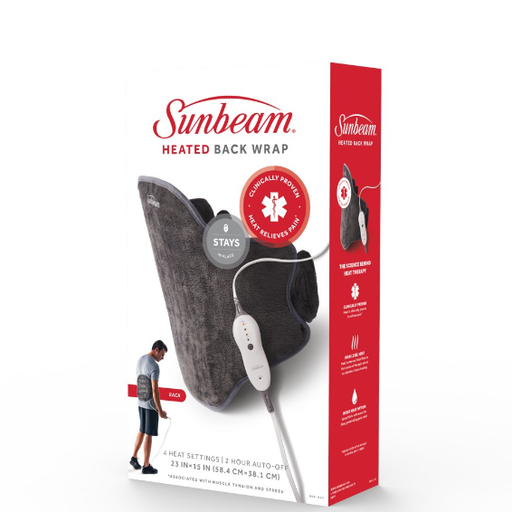 Sale 8%
Original price $ 42.50Current price $ 38.99
Sale 8%
Original price $ 42.50Current price $ 38.99Heated Back Wrap, 23" x 15" - Sunbeam
This Sunbeam Heated Back Wrap delivers soothing heat therapy for common muscle pain in the back. The 23 x 15-inch luxurious Micromink wrap contours...
View full details -
 Sale 39%
Original price $ 39.95Current price $ 24.50
Sale 39%
Original price $ 39.95Current price $ 24.50Microwave Heating Pad and Cold Pack for Back Pain, Neck Pain, Muscle Pain
Caex Microwave Heating Pad and Cold Pack is a reusable and portable therapy pad designed to provide targeted relief for back pain, neck pain, and m...
View full details
Hot and Cold Therapy Packs – Dual-Purpose Pain Relief Compresses
A Hot and Cold Pack is a reusable gel-filled compress that delivers targeted thermal therapy to relieve pain, swelling, and stiffness. Simply warm it in a microwave or hot water to serve as a moist heat pack, or chill it in a freezer to act as an ice pack. In either mode it conforms to the body’s curves – whether knees, shoulders, back, or abdomen – providing fast, localized therapy without pills. This dual-function design solves two common pain-management needs in one device.
How Hot Packs Work (Thermotherapy):
Applying the heated pack to skin raises tissue temperature by about 9–12°F, which causes blood vessels to dilate. This increased blood flow delivers more oxygen and nutrients to the area and carries away waste metabolites. As a result, sore, tense muscles relax and soft tissues (ligaments, tendons, fascia) become more flexible. Heat also raises the local pain threshold and reduces nerve sensitivity, so chronic aches (e.g. lower back pain, neck tension, menstrual cramps) feel milder. For example, in osteoarthritis and muscle spasm conditions, moist heat is known to relieve stiffness and improve range of motion. However, packs should be kept in the safe temperature range (below ~113°F) and applied for only 10–20 minutes as recommended to avoid burns.
How Cold Packs Work (Cryotherapy):
A chilled gel pack acts as an ice compress. Upon application, it cools the skin and underlying tissue to about 50–59°F (≈10–15°C), causing local vasoconstriction. This narrows blood vessels and slows cellular metabolism at the injury site, which sharply reduces inflammation and swelling. Cold also numbs pain by raising the activation threshold of pain receptors (nociceptors), effectively “turning off” pain signals. In practice, immediate icing of sprains, strains, bruises or post-exercise muscles can markedly limit edema and provide analgesia. For acute knee injuries or ankle sprains, for instance, a frozen pack can reduce swelling in the first 24–48 hours, following the RICE protocol (“ice” and protect). Cold pads are also used on tense neck muscles or migraine pain, where the cooling sensation interrupts pain pathways and provides relief.
Key Technical Features: These premium packs are filled with a high-heat-capacity, non-toxic polymer gel inside a durable, flexible PVC/vinyl pouch. The material is medical-grade, latex-free, and remains pliable even when frozen. The gel’s phase-change properties allow it to retain temperature for the session (typically 10–20 minutes of effective heat/cold) while evenly delivering it over the painful area. Many packs include a soft fabric cover or straps for secure, comfortable placement (wrapping around a knee or fixing to a back). They are designed for repeated freezer/microwave cycles without degradation, making them a cost-effective, multi-use solution.
Therapeutic Benefit:
- Muscle Tension and Spasm Relief: Heated application alleviates chronic muscle knots and spasms (e.g. low back, shoulder, neck) by increasing tissue elasticity. Patients often feel immediate relaxation in stiff muscles as the warmth boosts circulation and loosens the area. Conversely, a cold application can interrupt an acute muscle spasm by numbing the nerve endings and reducing local swelling.
- Joint Stiffness (Arthritis and Chronic Pain): For osteoarthritis or chronic joint pain, a warm pack helps soften rigid joints and improve mobility. For flare-ups with inflammation (such as rheumatoid arthritis or gout), cooling the pack reduces joint edema and pain. Even after swelling subsides, alternating heat and cold can prevent the re-accumulation of inflammation and keep the joint comfortable.
- Acute Injury and Inflammation Control: After sprains, strains or impact injuries, cold therapy is critical. The pack’s cold constricts blood vessels and slows “injury cascade” chemicals (histamine, prostaglandins), thus limiting bruising and pain. This solves the immediate pain point of swelling that can impede recovery. Then, as healing progresses, the same pack can switch to hot mode to improve tissue repair by increasing blood flow. In short, one pack solves both initial icing (acute pain control) and later heating (restoring flexibility).
- Pain and Numbness: A common problem is persistent pain that medications only partially relieve. Hot and cold packs provide a drug-free analgesic method. Heat dulls pain by relaxing muscles and desensitizing nerve endings, while cold physically numbs the area and interrupts pain signals. This dual mechanism can often replace or reduce the need for painkillers, targeting pain at its source.
- Convenience and Safety: This product solves practical issues of home therapy. It’s reusable and versatile (ease of switching between hot/cold), eliminating the need to buy separate ice bags or chemical single-use packs. The pack’s construction prevents leaks and is gentle on skin. Medical guidelines caution against direct skin contact, so a cloth barrier is recommended; once this is followed, patients can apply the pack hands-free (especially with velcro straps) and go about daily activities with relief.
In summary, Hot and Cold Packs are scientifically-backed first-aid tools in pain management and rehabilitation. By combining heat (thermotherapy) – which raises tissue temperature to boost circulation and relax muscles – with cold (cryotherapy) – which crunches vessels and numbs pain to tame swelling – these packs deliver targeted multi-benefit therapy. They address common pain points like muscle soreness, joint stiffness, inflammation, and injury pain. Modern manuals note that thermal therapy is both effective and ubiquitous in sports and orthopedics. Indeed, patients and healthcare providers use these reusable gel packs to solve exactly the problems of edema and pain without systemic drugs – just simple science applied via a warm or cool compress.