 Skip to content

Filters
- Clia Waived (4)
- College (1)
- College Campus (1)
- Planned Parenthood (1)
- Point of Care (1)
- Reproductive Health (2)
- School (1)
- Sekisui Diagnostic (1)
- Sexual Health (1)
- sexually transmitted infection (1)
- STD (1)
- STI Diagnosis (1)
- Student Health (1)
- Test (1)
- Test for STD (1)
- Treat STD's (1)
- Trichomonas Test (1)
- vaginal infections (1)
- vaginalis Test (1)
- Vaginalis Test Kit (1)
- Women’s Health (1)
- Blood Lead Test (1)
- child lead screening (1)
- lead exposure (1)
- lead poisoning test (1)
- Lead poisoning Testing (1)
- Lead Testing Kits (1)
- LeadCare (1)
- LeadCare II (1)
- occupational lead test (1)
- pediatric lead test (1)
- point of care testing (1)
- quantitative lead test (1)
- rapid lead detection (1)
- school lead test (1)
- Test for Lead in Blood (1)
- Whole Blood Sample (1)
- whole blood test (1)
- 10 parameters (1)
- 10 sg (1)
- 2161 (1)
- bayer (1)
- clia waived (1)
- clintex analyzer (1)
- multistix (1)
- urine reagent strips (1)
- Bulk Pregnancy Tests (1)
- Dipstick Test (1)
- human chorionic (1)
- Human chorionic gonadotropin (1)
- Pregnancy detection (1)
- Urine Pregnancy Test (1)
- Blood in Feces (1)
- Blood in Stool (1)
- CLIA waived (1)
- Fecal Developer (1)
- Fecal Occult (1)
- Fecal Slides (1)
- Fecal Test (1)
- Hemoccult (1)
- Hemoccult Sensa (1)
- Single Slides (1)
- CLIA waived strep test (1)
- Group A streptococcus (1)
- OSOM (1)
- Osom 147 (1)
- Point-of-care (1)
- rapid strep test (1)
- School Clinic (1)
- strep a (1)
- Strep A Dipstick Test (1)
- Strep A Test (1)
- Strep A Testing Kit (1)
- Strep Throat (1)
- Strep Throat Test (1)
- Streptococcus (1)
- test for strep (1)
- Urgent Care (1)
Filters
- Clia Waived (4)
- College (1)
- College Campus (1)
- Planned Parenthood (1)
- Point of Care (1)
- Reproductive Health (2)
- School (1)
- Sekisui Diagnostic (1)
- Sexual Health (1)
- sexually transmitted infection (1)
- STD (1)
- STI Diagnosis (1)
- Student Health (1)
- Test (1)
- Test for STD (1)
- Treat STD's (1)
- Trichomonas Test (1)
- vaginal infections (1)
- vaginalis Test (1)
- Vaginalis Test Kit (1)
- Women’s Health (1)
- Blood Lead Test (1)
- child lead screening (1)
- lead exposure (1)
- lead poisoning test (1)
- Lead poisoning Testing (1)
- Lead Testing Kits (1)
- LeadCare (1)
- LeadCare II (1)
- occupational lead test (1)
- pediatric lead test (1)
- point of care testing (1)
- quantitative lead test (1)
- rapid lead detection (1)
- school lead test (1)
- Test for Lead in Blood (1)
- Whole Blood Sample (1)
- whole blood test (1)
- 10 parameters (1)
- 10 sg (1)
- 2161 (1)
- bayer (1)
- clia waived (1)
- clintex analyzer (1)
- multistix (1)
- urine reagent strips (1)
- Bulk Pregnancy Tests (1)
- Dipstick Test (1)
- human chorionic (1)
- Human chorionic gonadotropin (1)
- Pregnancy detection (1)
- Urine Pregnancy Test (1)
- Blood in Feces (1)
- Blood in Stool (1)
- CLIA waived (1)
- Fecal Developer (1)
- Fecal Occult (1)
- Fecal Slides (1)
- Fecal Test (1)
- Hemoccult (1)
- Hemoccult Sensa (1)
- Single Slides (1)
- CLIA waived strep test (1)
- Group A streptococcus (1)
- OSOM (1)
- Osom 147 (1)
- Point-of-care (1)
- rapid strep test (1)
- School Clinic (1)
- strep a (1)
- Strep A Dipstick Test (1)
- Strep A Test (1)
- Strep A Testing Kit (1)
- Strep Throat (1)
- Strep Throat Test (1)
- Streptococcus (1)
- test for strep (1)
- Urgent Care (1)
Diagnostic Kits, Rapid Test Kits for Clia Waived
-
 Sale 11%
OSOM Trichomonas Vaginalis Test Kit, Rapid Results, CLIA Waived 25 Tests
Original price $ 349.95Current price $ 312.00 -

 Sale 28%
Blood Lead Test Kit LeadCare II, Lead Test for Whole Blood Sample 48/Box by Magellan Diagnostics
Original price $ 689.95Current price $ 499.00 -
 Sale 14%
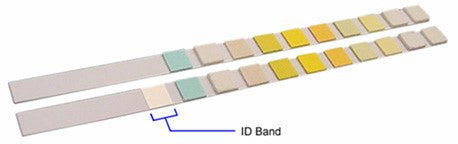
Multistix 10 SG Reagent Test Strips 100/Bottle
Original price $ 72.95Current price $ 62.5012 reviews -

 Sale 40%
hCG Pregnancy Test Urine Sample Dipstick, CLIA Waived 25/Box
 Original price $ 49.95Current price $ 29.95
 -
 Sale 12%
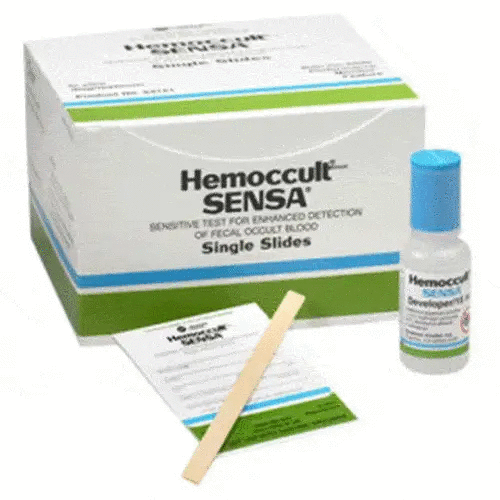
Hemoccult Sensa 100 Single Slide Test Cards, 2-Developers & 100 Applicators
Original price $ 129.00Current price $ 114.001 review -
 Sale 19%
Osom 147 Ultra Strep A Test Kit, Dipstick-Style Test CLIA Waived 25/Box
Original price $ 105.00Current price $ 85.00


People Also Searched For
Diagnostic Kits and Rapid Test Kits
Diagnostic kits (including rapid test kits) are self-contained devices used to quickly detect or screen for specific conditions in patient samples (blood, urine, saliva, etc.). Unlike traditional lab tests (which may require complex equipment), many rapid kits yield easy-to-read results in minutes without specialized training. Common types include lateral flow immunoassays (like home pregnancy tests), dipstick/colorimetric tests (like urine glucose strips), and enzyme-based cassettes or tubes. These kits often come with all needed reagents and instructions.
-
How they work: Many rapid kits use antibodies to bind a target (antigen or antibody) in the sample. For example, a COVID-19 antigen test has antibodies on a strip that capture viral proteins from a nasal swab. If the target is present, a colored line appears on the test strip (much like a pregnancy test line). The result is usually qualitative (yes/no) and appears rapidly (often within 10–30 minutes). Other kits use enzymes or chemicals that produce a color change (e.g. glucose or pH strips change color based on the sample).
-
Uses: Rapid diagnostic kits cover a wide range of applications. Notable examples include:
- Infectious diseases: Rapid antigen or antibody tests for illnesses such as COVID-19, influenza, strep throat, malaria, HIV, hepatitis, dengue, etc. (Often lateral flow cassettes or strips.)
- Pregnancy and fertility: Home pregnancy tests detect hCG hormone in urine, and ovulation predictor kits detect LH surge.
- Cardiac and metabolic markers: Some kits measure heart attack markers (like troponin) or cholesterol/glucose levels (usually via small strips or handheld devices).
- Allergy tests: Some kits can detect IgE antibodies for allergies (though many allergy tests still require lab analysis).
- Urine and saliva tests: Dipstick tests for urine (glucose, protein, drugs) or saliva (drug screening, infectious agents) that show a color patch.
- Environmental/food safety: Kits to detect contaminants or pathogens in water or food (e.g. E. coli, toxins) are also rapid tests.
-
Formats: Rapid kits may be cassette (plastic housing with a sample well and result window), dipstick, or swab format. They often include: a sampling tool (swab or lancet), a reagent container or buffer, and the test strip/cassette. Many are “point-of-care” or home use and are designed to be user-friendly.
-
Advantages and Limitations: The main benefit is speed and convenience – results are available quickly and no lab is needed. This is critical for timely decisions (e.g. isolating an infected person). However, rapid tests may trade some accuracy for speed. They can produce false positives or negatives, so results should be interpreted carefully (especially if symptoms strongly suggest a condition). Positive rapid results often guide immediate care, but doctors may confirm with more sensitive lab tests if necessary.
-
Important Notes: Always use the kit exactly as instructed. Most rapid tests require proper timing and the correct interpretation of lines or colors. Some kits (like COVID or pregnancy tests) should be read only after a certain time window. Expired or improperly stored kits may fail. Rapid kits are not treatments; they merely indicate the presence or absence of a marker. A positive test should be followed up with healthcare guidance, and a negative test in the presence of strong symptoms may need retesting or lab confirmation.
Summary: Rapid diagnostic kits are convenient, easy-to-use tools (often immunoassay-based) that detect diseases or conditions within minutes. They are widely used for quick screening of infections (flu, COVID, strep), pregnancy, allergies, metabolic markers, and more. While highly useful for fast answers, their results may be less definitive than laboratory tests, so clinical context and follow-ups are important (