
Eye Health Products to Ocuvite Eye Health Vitamins by Bausch & Lomb
Eye Health Products are essential for maintaining eye health. Eye Health Products relieve dryness and irritation by protecting the eyes from dust and harmful UV rays. Additionally, Eye Health Products help to prevent the eyes from disease and infection caused by bacteria and viruses. Eye Health Products also protect from ultraviolet radiation and can effectively block out blue light that can have adverse effects on the eyes.
-
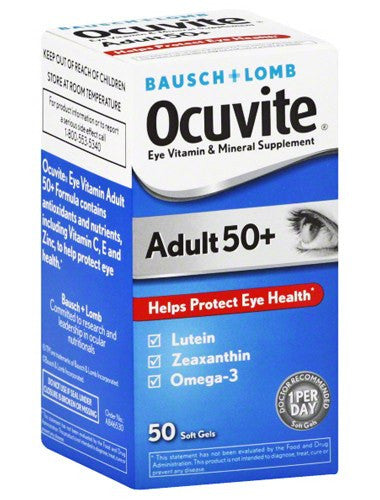 $ 18.25
Ocuvite Adult 50+ Softgels 50 Count Bottle
Ocuvite Adult 50+ Softgels are a vitamin and mineral supplement designed to promote eye health for older eyes including proper retinal function. Th...
View full details
Eye Health Products are essential for maintaining eye health. Eye Health Products relieve dryness and irritation by protecting the eyes from dust and harmful UV rays. Additionally, Eye Health Products help to prevent the eyes from disease and infection caused by bacteria and viruses. Eye Health Products also protect from ultraviolet radiation and can effectively block out blue light that can have adverse effects on the eyes.
- Scope: Complete range of FDA-approved ophthalmic solutions, medicated eye drops, steroid ointments, antibacterial washes, and specialty formulations for healthcare professionals
- Primary Use Cases: Infection management, inflammatory eye disorders, corneal edema treatment, post-operative care, dry eye relief, and emergency ocular trauma response
- Buyer Base: Clinics, hospitals, EMS teams, medspas, dental and veterinary practices, ophthalmology offices, and institutional healthcare facilities
- Formulation Types: Sterile solutions, suspensions, ointments, gels, and preservative-free options meeting USP and pharmacopeial standards
- Quality Standard: All products sourced from FDA-approved manufacturers; supplied exclusively to licensed healthcare professionals and qualified buyers
- Ordering Model: Wholesale bulk purchasing with tiered volume discounts; minimum order quantities vary by product; 5% discount for first-time customers
- Logistics: Fast US shipping with free delivery on orders over $100; expedited fulfillment for emergency restocking needs
- Antibiotic Ophthalmic Solutions: Fluoroquinolone, aminoglycoside, and broad-spectrum formulations for bacterial conjunctivitis, keratitis, and post-operative prophylaxis
- Antibacterial Eye Wash & Cleansing Solutions: Sterile washes designed for eyelid hygiene, blepharitis management, and ocular surface preparation
- Ophthalmic Steroid Ointments & Solutions: Mild, moderate, and potent corticosteroid formulations for allergic reactions, inflammation, and post-surgical management
- Sodium Chloride Solutions: Isotonic and hypertonic formulations (including 5% solutions) for corneal edema osmotic therapy and ocular dehydration
- Lubricating & Preservative-Free Drops: Artificial tear substitutes and rewetting drops for dry eye syndrome and chronic surface disease
- Specialty Medicated Ointments: Over-the-counter and prescription ointments addressing specific ophthalmic conditions and patient populations
- Ophthalmic Accessory Supplies: Sterile applicators, eye cups, and ancillary products supporting solution application and ocular hygiene
| Product Category | Primary Indication | Formulation Type | Typical Duration of Therapy | Professional Setting |
|---|---|---|---|---|
| Antibiotic Solutions | Bacterial infection, post-op prophylaxis | Sterile solution | 5–14 days | Clinic, ER, surgery center |
| Antibacterial Eye Wash | Blepharitis, lid hygiene, surface prep | Sterile wash/solution | Daily maintenance or acute | Clinic, home care, EMS |
| Steroid Ointments | Inflammation, allergy, post-op edema | Ointment/emulsion | 1–4 weeks | Ophthalmology, surgery center |
| Sodium Chloride 5% (Hypertonic) | Corneal edema, epithelial swelling | Solution or ointment | As needed (acute) | Emergency, hospital, specialty |
| Lubricating Drops (Preservative-Free) | Dry eye, chronic surface disease | Aqueous solution | Chronic (ongoing) | Primary care, medspa, home |
- Emergency Ocular Trauma & Chemical Exposure: EMS and emergency departments utilize antibacterial eye wash and isotonic rinse solutions for rapid irrigation and infection prevention in acute trauma, chemical burns, and foreign body incidents
- Infection Management: Clinics and urgent care centers employ antibiotic ophthalmic solutions for bacterial conjunctivitis, blepharitis, and keratitis; selection varies by suspected organism (gram-positive, gram-negative, or atypical)
- Post-Operative Eye Care: Ophthalmology practices and surgical centers use steroid ointments and antibiotic solutions for 1–4 weeks post-procedure to manage inflammation and prevent infection following LASIK, cataract surgery, and corneal procedures
- Chronic Dry Eye Management: Primary care clinics, ophthalmology offices, and medspas prescribe preservative-free lubricating solutions for patients with aqueous-deficient or evaporative dry eye syndrome
- Corneal Edema (Epithelial Swelling): Emergency departments and hospital ophthalmology units employ hypertonic sodium chloride 5% solutions to reverse corneal edema through osmotic dehydration in acute scenarios or post-operative management
- Blepharitis & Lid Margin Disease: Primary care, optometry, and dermatology practices recommend eyelid washing solutions and antibacterial cleansers as first-line adjunctive therapy for chronic blepharitis
- Medspa & Aesthetic Settings: Medspas utilize preservative-free lubricating solutions and protective eyewear during aesthetic procedures to maintain ocular surface integrity and patient comfort
- For Acute Bacterial Infection: Select antibiotic ophthalmic solutions based on suspected organism and local resistance patterns. Fluoroquinolones (moxifloxacin, gatifloxacin) offer broad spectrum and excellent corneal penetration; aminoglycosides (tobramycin, gentamicin) for gram-negative preference. Verify patient allergy history before dispensing.
- For Inflammatory or Post-Operative Swelling: Choose ophthalmic steroid ointment or solution potency matched to inflammation severity. Mild steroids for allergic or superficial inflammation; potent formulations for anterior uveitis or severe post-op edema. Use lowest effective potency for shortest duration.
- For Corneal Edema (Swelling): Employ hypertonic sodium chloride 5% solutions, which create osmotic gradient to draw fluid from edematous corneal epithelium. These are acute-use products; efficacy peaks within hours of application.
- For Chronic Dry Eye: Recommend preservative-free lubricating solutions in individual-dose vials for patients applying multiple topical medications or with sensitive ocular surfaces. Preserved formulations suit short-course therapy and lower-frequency dosing.
- For Eyelid Hygiene & Blepharitis: Select antibacterial eye wash solutions designed for lid margin cleansing. These are adjunctive to systemic or topical antibiotic therapy and support daily hygiene in chronic lid disease.
- Volume & Frequency Considerations: Solutions requiring frequent dosing (4–6 times daily) suit multi-dose bottles with preservatives or single-dose vials. Solutions dosed once or twice daily may tolerate preserved formulations with longer shelf-life post-opening.
- For Bulk Purchasing: Contact our sales team for volume-specific product recommendations, tiered pricing, and delivery scheduling aligned with your facility's inventory turnover and patient volume.
- Who Can Order: Licensed healthcare professionals, clinics, hospitals, EMS agencies, medspas, dental and veterinary practices, and institutional buyers. We verify credentials to ensure compliance with pharmaceutical distribution regulations.
- Wholesale Pricing & Volume Discounts: Tiered bulk pricing available based on order quantity. Contact sales@mountainside-medical.com to discuss volume thresholds, contract pricing, and minimum order requirements specific to your practice or facility.
- First-Time Customer Discount: New customers receive 5% off their first purchase. Applicable to all product categories across the eye health collection.
- Shipping & Delivery: Fast US-wide shipping with free delivery on orders over $100. Expedited fulfillment available for emergency restocking; contact 1-888-687-4334 for rush order availability and delivery timelines.
- Ordering Methods: Place orders online at mountainside-medical.com, by phone (1-888-687-4334), or via email (sales@mountainside-medical.com). Our team provides product selection support and can generate custom quotes for bulk facility orders.
- Prescription & Licensing Requirements: Prescription-only products require valid pharmacy or practitioner license documentation. Over-the-counter solutions are available to qualified professionals; retail consumers are not eligible for purchase.
- Storage & Handling: All ophthalmic solutions ship with temperature-controlled packaging to maintain product integrity. Upon receipt, store per manufacturer specifications—typically 15–25°C in dark conditions away from direct light and heat.
For Professional Use Only: All products in our eye health collection are intended for use by qualified healthcare professionals (physicians, optometrists, nurses, medics, veterinarians, dental professionals) or under the guidance of a licensed medical provider. These products are not available for retail consumer purchase and are not a substitute for professional medical advice, diagnosis, or treatment.
Regulatory Compliance: Ophthalmic solutions, steroid ointments, antibiotic drops, and medicated formulations are classified as prescription or over-the-counter pharmaceutical products subject to FDA regulation under 21 CFR Part 320 (bioavailability and bioequivalence) and USP <790> (sterile preparations). All products in this collection meet USP standards for sterility, pyrogenicity, and pharmaceutical quality.
Clinical Responsibility: Selection of specific ophthalmic solutions, dosing frequency, and duration of therapy remain the responsibility of the treating healthcare professional based on patient diagnosis, clinical presentation, and therapeutic objectives. Mountainside Medical provides pharmaceutical supply; clinical decision-making rests with the licensed practitioner.
Adverse Effects & Contraindications: Ophthalmic solutions may cause transient stinging, erythema, or allergic reactions. Steroid use requires monitoring for elevated intraocular pressure and secondary infection. Antibiotic solutions may induce resistance with prolonged use. Patients with known drug allergies or sensitivities must be screened prior to dispensing. Refer to individual product prescribing information for complete safety, contraindication, and drug interaction data.
Manufacturer & Product Information: Not specified in provided data for product-specific details. Consult individual product inserts and manufacturer documentation for potency, formulation composition, and clinical evidence.
Product Availability & Ordering: Product selection, stock levels, and bulk pricing vary by item and current inventory. Contact our sales team at sales@mountainside-medical.com or 1-888-687-4334 to confirm specific product availability, pricing, and minimum order quantities.
-
What is the difference between an ophthalmic solution and an ophthalmic ointment?
Ophthalmic solutions are sterile liquid formulations that remain clear when applied; they provide rapid drug delivery and clear vision post-application. Ophthalmic ointments are semi-solid emulsions that provide extended contact time with the ocular surface, resulting in prolonged therapeutic effect but temporary vision blur. Solutions suit frequent dosing (4–6 times daily) and acute therapy; ointments suit less frequent dosing (1–2 times daily, often bedtime) and chronic management. Both must meet FDA standards for sterility and ocular safety.
-
Are preservative-free ophthalmic solutions better than preserved formulations?
Preservative-free solutions reduce cumulative toxicity in chronic users and suit patients with sensitive ocular surfaces or multiple concurrent eye medications. Preserved solutions offer improved shelf-life after opening and cost efficiency for facilities. Neither is inherently 'better'—selection depends on therapy duration and patient tolerance. Acute (1–2 week) therapies tolerate preserved solutions; chronic daily use benefits from preservative-free formats.
-
What does '5% sodium chloride' mean, and when is it used?
Sodium chloride 5% is a hypertonic solution containing 5 grams of salt per 100 mL—substantially higher than normal tear osmolality (300 mOsm/kg). When applied to the eye, this osmotic gradient draws fluid out of edematous (swollen) corneal epithelium, reducing corneal thickness and restoring transparency. It is used acutely for corneal edema from post-operative swelling, chemical burns, or epithelial dysfunction. Efficacy peaks within hours; it is not a chronic maintenance therapy.
-
Do ophthalmic solutions require a prescription?
Some ophthalmic solutions are prescription-only (antibiotic solutions, steroid ointments, certain medicated formulations), while others are available over-the-counter (preservative-free lubricating solutions, some saline rinses). All products in our collection are supplied exclusively to licensed healthcare professionals and qualified institutional buyers—not to retail consumers. Your prescriber or facility must hold appropriate licensure to order prescription formulations. Contact our sales team to confirm prescription status for specific products.
-
What is the typical shelf life of ophthalmic solutions after opening?
Preserved ophthalmic solutions typically remain sterile for 2–4 weeks after opening if stored per manufacturer guidelines (cool, dark conditions; tight closure). Preservative-free solutions in single-dose vials must be discarded after opening—typically used once and not re-used. Multi-dose preserved bottles require a sterile applicator tip; never touch the dropper tip to the eye or external surface. Always follow the individual product's prescribing information for specific stability and storage guidance.
-
How do I choose between antibiotic eye drops for a bacterial infection?
Selection depends on the suspected organism, local antibiotic resistance patterns, and patient allergy history. Fluoroquinolones (moxifloxacin, gatifloxacin, ciprofloxacin) provide broad-spectrum coverage and excellent corneal penetration, suiting empiric therapy and resistant organisms. Aminoglycosides (tobramycin, gentamicin) target gram-negative and some gram-positive organisms but carry risk of toxicity with prolonged use. Older agents (erythromycin) have limited use due to resistance. Your clinical judgment and local epidemiology should guide selection; contact us if you need product comparisons.
-
Can ophthalmic solutions be used on patients with contact lenses?
Most ophthalmic solutions, particularly medicated formulations (antibiotics, steroids), are incompatible with contact lens wear during treatment. Patients should remove lenses before instillation and may resume wear after the acute therapy phase, per prescriber guidance. Some preservative-free lubricating solutions are labeled compatible with contact lenses; verify with the individual product prescribing information. Medicated ointments are contraindicated during lens wear due to lens cloudiness.
-
What are your minimum order quantities for bulk purchasing?
Minimum order quantities vary by product and current inventory levels. Contact our sales team at sales@mountainside-medical.com or 1-888-687-4334 to discuss your facility's volume requirements, delivery schedule preferences, and tiered bulk pricing. We offer volume discounts for clinics, hospitals, EMS stations, and institutional buyers. First-time customers receive an additional 5% discount on their first order.
-
How quickly can you deliver ophthalmic solutions to my clinic or facility?
We provide fast US-wide shipping with free delivery on orders over $100. Standard delivery timelines vary by location and product availability. Expedited fulfillment is available for emergency restocking needs—call 1-888-687-4334 to discuss rush order options and delivery timelines for your specific location.
-
Are all your ophthalmic solutions FDA-approved?
All products in our eye health collection are sourced from FDA-approved manufacturers and meet USP standards for pharmaceutical quality, sterility, and safety. Specific FDA approval status and regulatory clearance details vary by individual product. Contact our sales team for detailed regulatory documentation, approval letters, or specific product certifications.
-
Do you supply ophthalmic solutions for veterinary or dental practices?
Yes, we supply qualified dental and veterinary practices with appropriate ophthalmic products. Veterinary and dental professionals must hold valid licensure and comply with state and federal pharmaceutical distribution regulations. Contact our team to verify your practice credentials and discuss which eye health products are appropriate for your specific scope of practice.