
Filters
Gauze Pads and Gauze Sponges to Curity
Gauze Pads and Gauze Sponges
Gauze pads (often called gauze swabs) and gauze sponges are basic cotton wound dressings used to absorb fluids and protect injuries. Both are made of woven (or sometimes non‐woven) cotton gauze, which is very absorbent and soft. These dressings come in various sizes (e.g. 2×2″, 3×3″, 4×4″) and ply (layers) to suit different needs. Gauze pads are typically flat, square pieces of gauze (e.g. a 4×4 cloth “pad”) that may be sterile (individually wrapped for use on clean or surgical wounds) or non‐sterile (for general cleaning and dressing). Gauze sponges (sometimes simply called surgical sponges) are essentially thicker/multiply gauze pads – they are made of a heavier, more porous gauze construction to hold more fluid and provide cushioning.
-
Composition: Both are usually 100% cotton or a cotton blend (sometimes with rayon), making them highly absorbent. The weave allows blood or exudate to soak in while letting air circulate. Some gauze pads are treated or impregnated (e.g. with petroleum jelly or antimicrobial agents), but most are plain cotton.
-
Uses: Gauze pads and sponges serve many wound-care roles. They are commonly used to clean and cover minor wounds, absorb blood and exudate, apply ointments or antiseptics, and cushion/protect injured areas. For example, a 4×4 gauze pad can be placed over a cut to soak up blood while a dressing (tape or wrap) holds it in place. A physician might use a larger cotton gauze sponge in surgery to absorb heavy bleeding. In short, gauze pads/sponges help keep wounds clean and dry. One supplier notes that sterile 4-ply gauze swabs are used for “absorption, protection, disinfection or padding” of wounds. Another supplier explains that absorbent gauze pads are used on post‐surgical wounds, burns, lacerations and grazes to draw moisture away and cushion the site.
-
Pad vs. Sponge: The terms overlap, but “pads” usually refers to thinner gauze squares used for light dressings, while “sponges” refers to thicker, multi-layer gauze (often used in surgery or for heavily draining wounds). Gauze sponges can absorb more fluid and are often used to pack wounds or under drains; they may even have X-ray detectable threads for surgery. Gauze pads are more commonly used for everyday first‐aid (cleaning cuts, covering small wounds). Both come in sterile packs for clinical use and non-sterile packs for routine care.
-
Application: To use, place a (clean or sterile) gauze pad/spouse directly on the wound or area. It can be secured with tape, a bandage or wrap. The gauze absorbs blood or fluid, and its woven texture helps gently clean the wound when removing. After use, the pad/sponge should be discarded (they are single-use only). If bleeding or soiling recurs, replace with a fresh gauze pad.
Important: Gauze pads and sponges do not have active medication — they simply assist with wound care. They should not be used on deep or contaminated wounds without proper medical guidance, and sterile gauze must be used if infection control is critical (e.g. surgical incisions). Otherwise, non-sterile gauze is fine for routine cleaning and dressing.
-
 Sale
$ 4.85
Sale
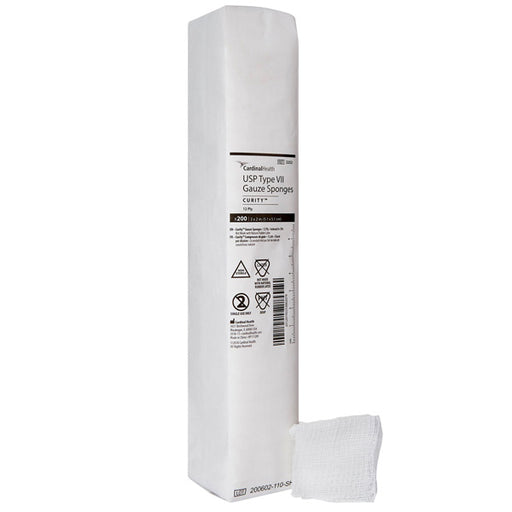
$ 4.85Curity Non-Sterile Gauze Sponges 12-Ply, USP Type VII
Curity Non-Sterile Gauze Sponges 12-Ply, USP Type VII are medical gauze sponges that are designed for general wound care. They are made from 100% c...
View full details -
 Sale
$ 2.40
Sale
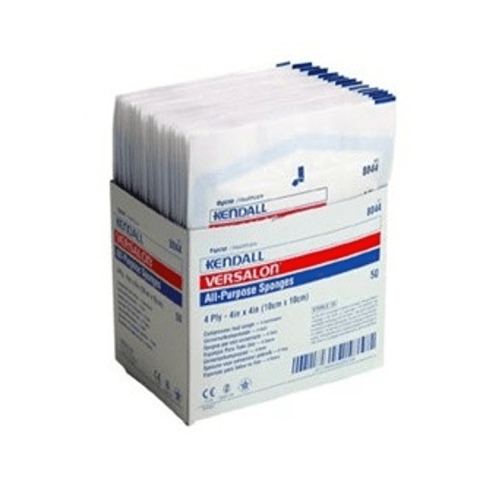
$ 2.40Curity All Purpose Gauze Sponges, Sterile & Non-Sterile
Versalon All Purpose Sponges are durable gauze pads clinically designed to be used with ointments, prepping, wiping needles, cleaning slides and mu...
View full details -
 Sale 35%
Original price $ 7.59Current price $ 4.90
Sale 35%
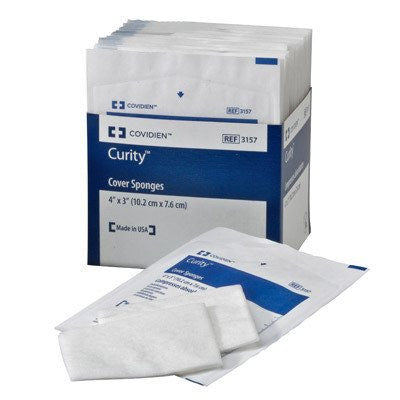
Original price $ 7.59Current price $ 4.90Curity Sterile Cover Sponges 50/Box
1 reviewCurity Cover Sponges are sterile, non-woven sponges designed for moderate to heavy exudating wounds. The Kendall Curity Cover Sponges are nonwoven ...
View full details -
 Sale
$ 7.85
Sale
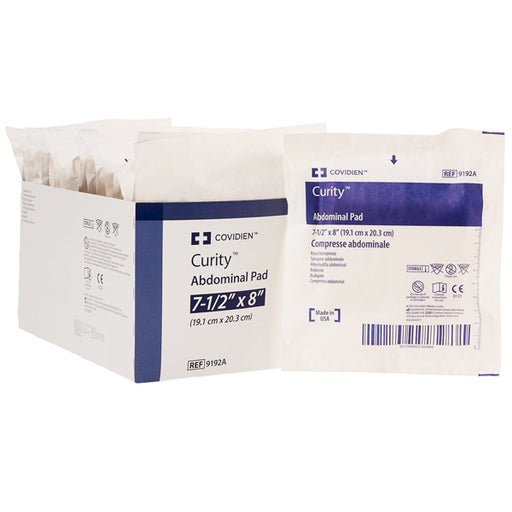
$ 7.85Curity Abdominal Pads Sterile, Rectangle Shaped
1 reviewSterile abdominal pads, also known as sterile abdominal dressings, are specialized absorbent pads used to cover and protect abdominal wounds and su...
View full details -
 Sale 38%
Original price $ 7.95Current price $ 4.90
Sale 38%
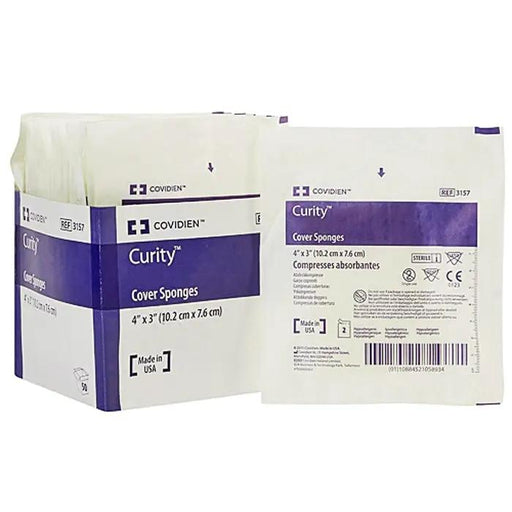
Original price $ 7.95Current price $ 4.90Curity Cover Sponges, 4" x 3"
1 reviewCurity Cover Sponges are a sterile, absorbent covering for wound dressings. They are made of a non-woven, spun-bonded polyester that is soft and co...
View full details -
 Sale 35%
Original price $ 6.95Current price $ 4.50
Sale 35%
Original price $ 6.95Current price $ 4.50Curity Gauze Sponges 2 x 2 Inch 8-Ply Non-Sterile 200 per Pack
Curity Gauze Sponges by Cardinal Health are designed for optimal absorbency and softness, making them an essential tool for a variety of medical an...
View full details

Gauze Pads and Gauze Sponges
Gauze pads (often called gauze swabs) and gauze sponges are basic cotton wound dressings used to absorb fluids and protect injuries. Both are made of woven (or sometimes non‐woven) cotton gauze, which is very absorbent and soft. These dressings come in various sizes (e.g. 2×2″, 3×3″, 4×4″) and ply (layers) to suit different needs. Gauze pads are typically flat, square pieces of gauze (e.g. a 4×4 cloth “pad”) that may be sterile (individually wrapped for use on clean or surgical wounds) or non‐sterile (for general cleaning and dressing). Gauze sponges (sometimes simply called surgical sponges) are essentially thicker/multiply gauze pads – they are made of a heavier, more porous gauze construction to hold more fluid and provide cushioning.
-
Composition: Both are usually 100% cotton or a cotton blend (sometimes with rayon), making them highly absorbent. The weave allows blood or exudate to soak in while letting air circulate. Some gauze pads are treated or impregnated (e.g. with petroleum jelly or antimicrobial agents), but most are plain cotton.
-
Uses: Gauze pads and sponges serve many wound-care roles. They are commonly used to clean and cover minor wounds, absorb blood and exudate, apply ointments or antiseptics, and cushion/protect injured areas. For example, a 4×4 gauze pad can be placed over a cut to soak up blood while a dressing (tape or wrap) holds it in place. A physician might use a larger cotton gauze sponge in surgery to absorb heavy bleeding. In short, gauze pads/sponges help keep wounds clean and dry. One supplier notes that sterile 4-ply gauze swabs are used for “absorption, protection, disinfection or padding” of wounds. Another supplier explains that absorbent gauze pads are used on post‐surgical wounds, burns, lacerations and grazes to draw moisture away and cushion the site.
-
Pad vs. Sponge: The terms overlap, but “pads” usually refers to thinner gauze squares used for light dressings, while “sponges” refers to thicker, multi-layer gauze (often used in surgery or for heavily draining wounds). Gauze sponges can absorb more fluid and are often used to pack wounds or under drains; they may even have X-ray detectable threads for surgery. Gauze pads are more commonly used for everyday first‐aid (cleaning cuts, covering small wounds). Both come in sterile packs for clinical use and non-sterile packs for routine care.
-
Application: To use, place a (clean or sterile) gauze pad/spouse directly on the wound or area. It can be secured with tape, a bandage or wrap. The gauze absorbs blood or fluid, and its woven texture helps gently clean the wound when removing. After use, the pad/sponge should be discarded (they are single-use only). If bleeding or soiling recurs, replace with a fresh gauze pad.
Important: Gauze pads and sponges do not have active medication — they simply assist with wound care. They should not be used on deep or contaminated wounds without proper medical guidance, and sterile gauze must be used if infection control is critical (e.g. surgical incisions). Otherwise, non-sterile gauze is fine for routine cleaning and dressing.