
Filters
Availability
Price
$
-
$
$0
$579
Vendor
Collection
Hypochlorous Solution to Hypochlorous acid
Hypochlorous Solution (HOCl)
Hypochlorous solution is simply water containing dissolved hypochlorous acid (HOCl). Chemically, HOCl is a weak, unstable chlorine-based acid (formula HClO) with very strong oxidizing (disinfectant) properties. In practice a “hypochlorous solution” is a dilute HOCl solution (pH ~4–6) in which the active disinfectant is the undissociated HOCl molecule (often called “free available chlorine”). In the body, white blood cells naturally produce HOCl to kill microbes during inflammation. Commercially, HOCl solution is usually made by electrolyzing dilute salt water (NaCl + H₂O) to form a stable, near-neutral pH solution of HOCl.
Hypochlorous solution is a powerful broad‐spectrum antimicrobial. It rapidly destroys bacteria, viruses, fungi and spores by oxidizing and penetrating their cell membranes and walls. Studies show HOCl can kill germs far more effectively at low concentration than household bleach (sodium hypochlorite). Importantly, HOCl solution is not the same as bleach: household bleach is a strong alkaline (pH ~11–13) solution of NaOCl, whereas hypochlorous solution is only mildly acidic and is much gentler on tissues. Because HOCl is electrically neutral (unlike the negatively charged hypochlorite ion), it penetrates microbial cells more easily.
Common Uses: Hypochlorous solution is used wherever a fast, safe disinfectant is needed. Typical applications include: wound and ulcer cleansing (to kill infection without harming healthy cells); medical/hospital disinfection (cleaning surfaces, equipment, instruments); sanitation in food and water treatment (surface sanitation, water disinfection); and personal care (skin and wound care, eye/ear washes, nasal or dental sprays). In fact, HOCl solution is on the WHO’s list of essential medicines and is FDA‐approved for many clinical uses. Even sensitive uses like eye drops and contact lens cleansing employ HOCl because it kills microbes without irritating tissues. In skincare, hypochlorous solution is used to treat acne or eczema due to its antibacterial and anti‐inflammatory effects.
Safety and Advantages: Because it is so mild, hypochlorous solution is generally non‐toxic to humans and the environment. At the low concentrations used, HOCl does not sting or burn skin or eyes. (Clinically it has been used on open wounds and even in the eye without harm.) After application, HOCl breaks down quickly into harmless salt and water, leaving no toxic residue. Compared to harsh chemicals like bleach or quaternary ammoniums, HOCl is safe to use around people, pets and food. (Indeed, HOCI is often used as a green disinfectant – it is EPA-registered for killing SARS-CoV-2 on surfaces and is biodegradable.) The main practical limitation is that HOCl is unstable in storage (it slowly decomposes), so commercial solutions are buffered and bottled in the dark to extend shelf life. Overall, “hypochlorous solution” simply means an aqueous HOCl disinfectant – a potent, fast-acting antimicrobial agent that is far less irritating than bleach.
-
 Sale 32%
Original price $ 47.95Current price $ 32.50
Sale 32%
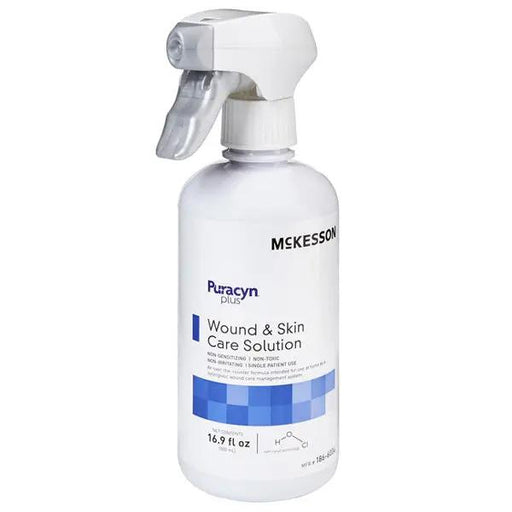
Original price $ 47.95Current price $ 32.50Puracyn Plus Wound Cleanser Irrigation Solution 16.9 oz. Spray Bottle
McKessonNo reviewsPuracyn Plus Wound Cleanser Irrigation Solution is a topical solution that is used to effectively clean and irrigate wounds and cuts on the skin. I...
View full details -
 Sale
from $ 13.80
Sale
from $ 13.80Puracyn Plus Antimicrobial Wound Irrigation Solution, Professional Wound Cleanser
McKesson1 reviewPuracyn Plus Antimicrobial Wound Irrigation Solution is a professional wound cleanser used to irrigate, debride, and cleanse acute and chronic woun...
View full details -
 Sale 34%
Original price $ 59.95Current price $ 39.50
Sale 34%
Original price $ 59.95Current price $ 39.50Puracyn Plus Wound and Skin Wound Cleanser Irrigation Solution 16.9 oz
McKessonNo reviewsPuracyn Plus Wound and Skin Wound Cleanser Irrigation Solution is used for cleaning and irrigating wounds, burns, and other skin injuries to help r...
View full details -
 Sale 24%
Original price $ 89.95Current price $ 68.00
Sale 24%
Original price $ 89.95Current price $ 68.00HypoCyn Antimicrobial Dermal Spray Hypochlorous Solution 0.012% Bottle 237 mL (Rx)
Summer LaboratoriesNo reviewsHypoCyn Antimicrobial Dermal Spray is a solution that is used to prevent and treat skin infections caused by bacteria, fungi, and viruses. It conta...
View full details -
 Sale 25%
Original price $ 59.95Current price $ 45.00
Sale 25%
Original price $ 59.95Current price $ 45.00Vashe Antimicrobial Skin, Burn and Wound Cleanser with Hypochlorous Acid 16 oz
Urgo Medical North AmericaNo reviewsVashe Antimicrobial Wound Cleanser is a product used for wound management. It is a non-toxic, non-irritating, and non-sensitizing solution designed...
View full details -
 Sale 41%
Original price $ 39.95Current price $ 23.75
Sale 41%
Original price $ 39.95Current price $ 23.75Puracyn Plus Antimicrobial Hydrogel with Hypochlorous Acid (HOCI)
McKessonNo reviewsPuracyn Plus Antimicrobial Hydrogel with Hypochlorous Acid (HOCI) is a topical wound care product that is used to clean and debride wounds, while a...
View full details -
 Sale 26%
Original price $ 399.95Current price $ 295.00
Sale 26%
Original price $ 399.95Current price $ 295.00Acuicyn Antimicrobial Eyelid & Eyelash Hygiene with Pure Hypochlorous Acid (HOCl) 0.01%
EMC PharmaNo reviewsAcuicyn Antimicrobial Eyelid & Eyelash Hygiene with Pure Hypochlorous Acid (HOCl) 0.01% is a gentle and effective solution for maintaining heal...
View full details -
 Sale
from $ 575.00
Sale
from $ 575.00PhaseOne Antimicrobial Skin and Wound Cleanser with Hypochlorous Acid
PhaseOne HealthNo reviewsPhaseOne Antimicrobial Skin and Wound Cleanser with Hypochlorous Acid is a topical solution used for cleansing and irrigating acute and chronic wou...
View full details -
 Sale 24%
Original price $ 595.50Current price $ 455.00
Sale 24%
Original price $ 595.50Current price $ 455.00Levicyn Antipruritic Spray Gel with Hypochlorous Acid (HOCI)
EMC PharmaNo reviewsLevicyn Antipruritic Spray Gel with Hypochlorous Acid (HOCI) is a medical-grade topical solution used to relieve itching and irritation caused by v...
View full details -
 Sale 17%
Original price $ 549.95Current price $ 459.00
Sale 17%
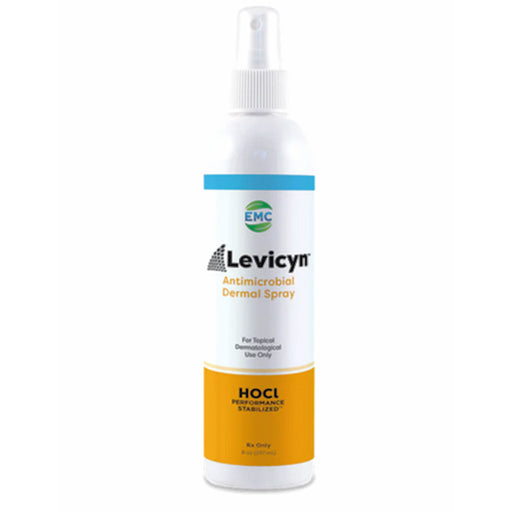
Original price $ 549.95Current price $ 459.00Levicyn Antimicrobial Dermal Spray Hypochlorous Solution 240 mL
EMC PharmaNo reviewsLevicyn Antimicrobial Dermal Spray cleanses, moistens, and removes foreign material. Levicyn™ Antimicrobial Dermal Spray cleanses, moistens, and r...
View full details🔒 Medical License Required -
 Sale 29%
Original price $ 599.95Current price $ 425.00
Sale 29%
Original price $ 599.95Current price $ 425.00Avenova Rx with Neutrox Lid and Lash Cleansing Spray 0.01%
Novabay PharmaceuticalsNo reviewsAvenova Rx with Neutrox Lid and Lash Cleansing Spray 0.01% is a medicated spray used for the cleansing and healing of the eyelids and lashes. It co...
View full details🔒 Medical License Required


People Also Searched For
Hypochlorous Solution (HOCl)
Hypochlorous solution is simply water containing dissolved hypochlorous acid (HOCl). Chemically, HOCl is a weak, unstable chlorine-based acid (formula HClO) with very strong oxidizing (disinfectant) properties. In practice a “hypochlorous solution” is a dilute HOCl solution (pH ~4–6) in which the active disinfectant is the undissociated HOCl molecule (often called “free available chlorine”). In the body, white blood cells naturally produce HOCl to kill microbes during inflammation. Commercially, HOCl solution is usually made by electrolyzing dilute salt water (NaCl + H₂O) to form a stable, near-neutral pH solution of HOCl.
Hypochlorous solution is a powerful broad‐spectrum antimicrobial. It rapidly destroys bacteria, viruses, fungi and spores by oxidizing and penetrating their cell membranes and walls. Studies show HOCl can kill germs far more effectively at low concentration than household bleach (sodium hypochlorite). Importantly, HOCl solution is not the same as bleach: household bleach is a strong alkaline (pH ~11–13) solution of NaOCl, whereas hypochlorous solution is only mildly acidic and is much gentler on tissues. Because HOCl is electrically neutral (unlike the negatively charged hypochlorite ion), it penetrates microbial cells more easily.
Common Uses: Hypochlorous solution is used wherever a fast, safe disinfectant is needed. Typical applications include: wound and ulcer cleansing (to kill infection without harming healthy cells); medical/hospital disinfection (cleaning surfaces, equipment, instruments); sanitation in food and water treatment (surface sanitation, water disinfection); and personal care (skin and wound care, eye/ear washes, nasal or dental sprays). In fact, HOCl solution is on the WHO’s list of essential medicines and is FDA‐approved for many clinical uses. Even sensitive uses like eye drops and contact lens cleansing employ HOCl because it kills microbes without irritating tissues. In skincare, hypochlorous solution is used to treat acne or eczema due to its antibacterial and anti‐inflammatory effects.
Safety and Advantages: Because it is so mild, hypochlorous solution is generally non‐toxic to humans and the environment. At the low concentrations used, HOCl does not sting or burn skin or eyes. (Clinically it has been used on open wounds and even in the eye without harm.) After application, HOCl breaks down quickly into harmless salt and water, leaving no toxic residue. Compared to harsh chemicals like bleach or quaternary ammoniums, HOCl is safe to use around people, pets and food. (Indeed, HOCI is often used as a green disinfectant – it is EPA-registered for killing SARS-CoV-2 on surfaces and is biodegradable.) The main practical limitation is that HOCl is unstable in storage (it slowly decomposes), so commercial solutions are buffered and bottled in the dark to extend shelf life. Overall, “hypochlorous solution” simply means an aqueous HOCl disinfectant – a potent, fast-acting antimicrobial agent that is far less irritating than bleach.
Hypochlorous Acid (HOCl) in Wound Care
Benefits of Hypochlorous Acid
Hypochlorous Acid for Skin
Hypochlorous Acid (HOCl) in Wound Care
Hypochlorous acid (HOCl) is a naturally occurring disinfectant produced by immune cells (neutrophils) and is also manufactured as a clinical wound‐cleansing solution. In the body, HOCl is generated during the “oxidative burst” (via myeloperoxidase) to rapidly destroy bacteria, fungi, viruses and other pathogens. Medically, HOCl is provided as a buffered saline solution (often called “electrolyzed” or stabilized HOCl) usually in the pH range ~3.5–6.0, so that HOCl (not hypochlorite) is the predominant species. In practice, stabilized HOCl wound solutions are typically around 100–200 parts per million (ppm) available chlorine, which delivers powerful microbicidal activity without the extreme corrosiveness of plain bleach.
Mechanism & Key Properties
HOCl is a broad‐spectrum antimicrobial and biofilm disruptor, yet it is gentle on healing tissue. Its key properties include:
- Broad microbial kill: HOCl rapidly oxidizes and inactivates microorganisms. It reactively modifies proteins, lipids, and nucleic acids in microbial cells (“strong oxidizing and chlorinating agent”), causing swift pathogen death. Indeed, laboratory studies show stabilized HOCl can kill 99.9% of bacteria (and even biofilm‐embedded organisms) within seconds. Because of this, HOCl solutions are effective against bacteria (Gram±), viruses and fungi alike. Notably, HOCl has anti-biofilm activity – it disrupts existing biofilms and prevents their re-formation, which helps clear chronic wound infections.
- Wound‐healing support: Unlike harsher antiseptics (e.g. undiluted hydrogen peroxide or iodines), stabilized HOCl is non-cytotoxic at working concentrations. Host wound tissues have antioxidant defenses (e.g. taurine) that neutralize excess HOCl, so HOCl spares healthy cells. In fact, HOCl has immunomodulatory and healing properties: it can reduce inflammatory cytokines and matrix metalloproteinases and actually promote wound‐healing cell functions. Studies report that HOCl supports keratinocyte and fibroblast migration, re-epithelialization, and angiogenesis within the wound bed. Some researchers have characterized stabilized HOCl as an “ideal wound care agent” because it controls microbes without impairing—and even aiding—the normal healing process.
- Safety and tolerance: Clinical evidence shows HOCl solutions are highly well‐tolerated. Because HOCl is naturally present in body fluids, stabilized HOCl is essentially non-irritating when used properly. It causes far less tissue damage than many conventional antiseptics. Indeed, HOCl is celebrated as a “green” or environmentally friendly disinfectant: after use it rapidly breaks down to harmless saline (water and salt), leaving no toxic residue. Importantly, pathogens have very low ability to develop resistance to HOCl. Overall, HOCl’s built-in safety (minimal cytotoxicity) and broad‐spectrum action make it uniquely suited for routine wound care.
Clinical Use in Wound Care
Stabilized HOCl is used topically to cleanse and irrigate wounds. Typical applications include: irrigation or “soak” of acute surgical wounds, burns, diabetic foot ulcers, pressure sores, venous stasis ulcers, and other chronic wounds. At each dressing change, HOCl solution (commonly 100–200 ppm) is applied to the wound bed for several minutes to reduce bacterial load and biofilm, then gently removed or left to absorb. Some treatment protocols even use HOCl in negative-pressure wound therapy irrigation or in pulsatile lavage systems. The goal is to decrease infection and promote a clean, moist environment conducive to healing without harming granulation tissue.
Clinical trials and comparative studies support HOCl’s effectiveness. For example, randomized trials in diabetic foot and post-operative wounds found that pH-neutral HOCl irrigations were as effective—or in some cases superior—to standard antiseptics like povidone-iodine, often resulting in faster infection resolution and wound closure. In these studies, HOCl was used as a topical irrigant adjunct during routine debridement, consistently reducing bacterial bioburden and speeding healing without adverse effects. Case reports and wound care experience similarly note that HOCl helps clear chronic infections (even in antibiotic-resistant cases) and supports wound healing. Overall, stabilized HOCl has become a valuable tool for wound care clinicians due to its potent antiseptic effect coupled with excellent safety.
Summary
In essence, hypochlorous acid in wound care is a powerful yet tissue-friendly antiseptic. It combines the disinfecting strength of chlorine bleach with the safety needed for human tissue. HOCl solutions are used like a wound cleanser: they kill bacteria and disrupt biofilms while actually aiding the body’s healing mechanisms. Because it is endogenously produced by neutrophils, HOCl is inherently biocompatible. Modern stabilized HOCl formulations allow providers to harness its broad antimicrobial and anti-inflammatory effects in everything from minor cuts to complex ulcers.
Benefits of Hypochlorous Acid in Wound Care
Hypochlorous acid (HOCl) is a naturally occurring microbicidal agent (produced by our white blood cells) that is used topically as a stabilized, pH-balanced solution in wound care. It offers several advantages over traditional antiseptics:
-
Powerful broad-spectrum disinfectant: HOCl kills a wide range of pathogens – including bacteria (Gram-positive, Gram-negative, even MRSA/VRE), viruses, fungi, and spores – very rapidly. In fact, pure HOCl is 80–100× more potent than household bleach (sodium hypochlorite) at killing microbes. Because HOCl is neutral and uncharged (unlike hypochlorite), it easily penetrates microbial cell walls and biofilms. Studies emphasize that stabilized HOCl is “a broad-spectrum antimicrobial agent” that reliably controls bacterial bioburden in wounds without evidence of resistance.
-
Biofilm disruption: Chronic wounds often harbor biofilms (protective matrices of bacteria). HOCl disrupts these biofilms, exposing hidden microbes to immune clearance and improving healing. Clinicians note that HOCl “has beneficial effects…such as disruption of biofilms”, and laboratory work shows 0.01–0.02% HOCl can literally break apart wound biofilms and kill the embedded bacteria. Unlike many antibiotics or saline, HOCl can actually penetrate and eradicate biofilm communities.
-
Safe for human tissue (non-cytotoxic): At the low concentrations used in wound solutions, HOCl is well tolerated by healthy cells. Unlike antiseptics such as hydrogen peroxide or iodine (which can damage viable tissue), properly buffered HOCl does not impair keratinocyte or fibroblast function. In fact, research underscores that stabilized HOCl does not harm cells involved in healing. One report notes it is “a simple, but effective…antimicrobial compound without known [cytotoxicity toward] cells involved in wound healing”. Clinically, HOCl irrigation causes little to no stinging or inflammation and can be used repeatedly without retarding repair. (Because HOCl closely mimics our own immune oxidant, it integrates safely into the healing environment.)
-
Promotes faster wound healing: By clearing infection without injuring new tissue, HOCl actually accelerates healing. For example, a human trial found that wounds irrigated with 0.016% HOCl achieved about 14% more re-epithelialization (surface skin closure) at 4 days than saline-treated wounds. By 10 days, HOCl-treated wounds were fully re-epithelialized at rates comparable to saline, but they closed faster in the early phase. Case series of chronic wounds report “profound improvement and marked accelerated rates of wound healing” when HOCl irrigation is used. This healing benefit is attributed to HOCl’s dual action: its antimicrobial effect and its anti-inflammatory modulation. HOCl helps keep the wound clean and also dampens excessive inflammation, creating an optimal environment for tissue repair.
-
Anti-inflammatory effects: In addition to killing microbes, HOCl can modulate the immune response in a wound. It reduces inflammatory cytokine activity and oxidative stress, which may limit edema and pain. This is important because chronic inflammation (from persistent infection) impedes healing. Clinical experience and studies suggest HOCl helps reduce redness, swelling, and discomfort over time, although precise pathways are still being studied.
-
Odor and debris control: Because it rapidly neutralizes bacteria and their metabolic byproducts, HOCl flushing often reduces foul odor associated with infected wounds. It also helps liquefy and remove sloughy debris. Patients often find HOCl washing leaves wounds feeling better (less malodorous and cleaner) than saline does.
-
Convenient and versatile: Commercial HOCl wound sprays and washes are ready-to-use (no mixing) and have a neutral pH. They can be safely used with dressings or devices like negative-pressure wound therapy. Being gentle, HOCl can be applied frequently (even multiple times per day) as part of standard wound cleansing protocols. It is also non-cytotoxic enough to be used on sensitive areas (eyes, mucous membranes) or on skin grafts with minimal irritation.
In summary, hypochlorous acid creates a highly favorable wound care environment – it sterilizes the wound rapidly and supports healing. It effectively kills pathogens (including resistant strains) and breaks up biofilms, yet it spares healthy tissue and even speeds up re-epithelialization. These combined properties have led experts to call stabilized HOCl “an ideal wound care agent”. Reliable wound care guidelines now include HOCl irrigation as a first-line option for cleaning, disinfection, and promoting recovery of acute or chronic ulcers.
Hypochlorous Acid (HOCl) and Skin Health
Hypochlorous acid (HOCl) is a naturally occurring, weak oxychlorine acid that plays a key role in the body’s immune defenses. Neutrophils (white blood cells) produce HOCl to kill invading microbes, so it is essentially the “bleach” your body makes to disinfect wounds. Modern preparations stabilize HOCl in water (typically pH 5–7) to create gentle topical solutions or sprays. These stabilized HOCl products retain powerful antimicrobial and anti-inflammatory effects at very low concentrations (much lower than household bleach). Although it oxidizes and inactivates bacteria, fungi, and viruses (by disrupting proteins, DNA, cell walls, etc.), HOCl is much less toxic to human cells because our tissues have antioxidants that neutralize excess oxidants. In practice, HOCl’s rapid microbicidal action and relative safety have led to its use in wound care, dermatology, ophthalmology, and infection control.
How HOCl Works on Skin
HOCl kills pathogens by oxidation and chlorination of key cell components (thiols, amines, nucleic acids), leading to extremely fast microbial inactivation. In one study, a stabilized HOCl wound solution killed all test bacteria within seconds and even disrupted their biofilms. Because HOCl is active at low dose, it can penetrate biofilms (slime layers of stubborn bacteria) more effectively than many antiseptics. Crucially, HOCl also modulates inflammation and promotes healing: it downregulates inflammatory cytokines (via the NF-κB pathway) and supports fibroblast/keratinocyte migration (new tissue growth) and angiogenesis. In other words, HOCl not only disinfects a wound but can reduce swelling and help the wound re-epithelialize. These broad-spectrum antimicrobial and immunomodulatory effects mean HOCl rarely provokes microbial resistance – it simply overwhelms germs by strong oxidation.
Dermatologic Uses
Because of its properties, HOCl is used in various skin-related contexts:
-
Wound and Ulcer Care: HOCl solutions are widely used to irrigate or clean acute and chronic wounds (e.g. cuts, burns, pressure sores, diabetic ulcers). Clinical studies show HOCl irrigation dramatically lowers bacterial counts and maintains virtually germ-free conditions during healing. For example, wounds washed with HOCl had many fewer bacteria at closure than wounds washed with saline. This antiseptic effect helps prevent infection, and the oxygenating, anti-biofilm properties of HOCl can speed healing. Indeed, recent reviews note HOCl accelerates healing and reduces infection risk in post-surgical wounds and even helps prevent hypertrophic/keloid scar formation. (HOCl-based scar gels or sprays are even FDA-cleared in many countries for wound and scar care).
-
Inflammatory Skin Conditions: There is growing evidence that HOCl can soothe inflamed skin disorders. In atopic dermatitis (eczema), psoriasis, seborrheic dermatitis, and similar conditions, HOCl may reduce redness and itch by lowering inflammatory mediators and killing secondary bacteria (like Staph aureus) on the skin. For example, small studies suggest topical HOCl sprays or creams can improve eczema and acne severity – likely by its dual germ-killing and anti-inflammatory actions. (HOCl has also been safely used for blepharitis [eyelid inflammation] and nasal rinses, indicating it is gentle enough for sensitive areas.)
-
Acne and Other Blemishes: HOCl’s antibacterial effect can help control acne. Applying HOCl to acne-prone skin has been reported to reduce Propionibacterium acnes (bacteria involved in acne) and inflammation, improving lesions with minimal irritation. Similarly, it may assist seborrheic dermatitis (dandruff-like inflammation) and pruritic (itchy) rashes. However, most evidence for these dermatologic indications is preliminary or from animal models, so clinicians recommend using it as an adjunct (in addition to standard treatments).
-
Scar Management: Because HOCl reduces infection and inflammation, it’s used on healing surgical or traumatic wounds to improve scar outcomes. Clinicians have found that applying HOCl (as a gel or spray) after surgery can limit hypertrophic (raised) scars and keloids, and reduce itching and pain of scars. Some studies report HOCl-treated scars are flatter and less red than untreated ones. Again, products for scar care often contain HOCl for these advantages.
Formulations and Use
HOCl is formulated as clear, water-based solutions or gels, usually at a very low percent concentration (often 0.01–0.1% HOCl) and slightly acidic pH to stabilize the acid form. You may see HOCl products marketed as “hypochlorous spray/gel” for wound cleaning, eyelid hygiene, or facial misting. Because it’s so gentle, these are often sold for daily wound care or even as a mild facial toner. Importantly, stabilized HOCl is not the same as household bleach – those use high-concentration sodium hypochlorite (NaOCl) which is much harsher. In contrast, studies show HOCl acts effectively at low doses (well below toxic levels. For example, HOCl destroys bacteria at concentrations far lower than needed for NaOCl or povidone-iodine, meaning it causes far less irritation and cellular toxicity to human skin.
Commercially, HOCl solutions are FDA-cleared and CE-marked for skin and wound applications. According to one dermatology review, “the United States Food and Drug Administration (FDA) has cleared the use of over ten branded aqueous hypochlorous acid formulations for topical wound management” in recent years. Clinicians use HOCl for wound irrigation (rinse), hand/skin antisepsis, and as a post-op irrigant. Some ointments and gels for scar treatment also contain HOCl. In routine use, a healthcare provider might spray HOCl on a wound or affected skin and then apply a dressing, or have patients lightly mist the solution onto inflamed patches once or twice daily.
Safety and Side Effects
Overall, topical HOCl is very well tolerated. Because it is essentially the same substance our immune cells make (and because only tiny concentrations are used), adverse reactions are uncommon. In fact, clinical experience indicates “HOCl is well tolerated and considered safe, with no serious adverse effects reported” in numerous skin applications. Side effects, if they occur, are usually mild. Possible reactions include transient burning, stinging, or dryness on very sensitive skin, especially at higher strengths. Rarely, prolonged or high-dose use can cause mild irritant contact dermatitis or ACD (allergic dermatitis). To be cautious, manufacturers advise testing a small area first. If any redness or rash appears (“itchiness, dry skin, burning, hives” as noted by dermatologists), one should stop use.
Importantly, stabilized HOCl solutions are typically non-cytotoxic to skin cells. In lab studies, HOCl showed low toxicity to keratinocytes and fibroblasts (the cells that form skin tissue) even while killing bacteria. This contrasts with harsher antiseptics like bleach or iodine, which can damage human cells. HOCl’s safety profile is comparable to saline or soap-and-water, making it especially useful for delicate areas (face, eyes, mucous membranes) and for chronic use in wound care.
Nonetheless, because data are still emerging for some uses, experts recommend using HOCl under guidance for serious skin diseases. One should not assume HOCl is a cure-all; it is best viewed as a supportive antiseptic/soothing agent. For example, in eczema or psoriasis it may help reduce bacteria and inflammation, but it should be part of a broader treatment plan. Always follow product instructions and consult a dermatologist if in doubt (especially for children, pregnant women, or if using on large skin areas).
In Summary
Hypochlorous acid is a versatile, gentle antimicrobial that can benefit skin health in many ways. It keeps wounds clean, aids healing, and may calm inflamed, bacteria-prone skin conditions with minimal side effects. Being the same compound produced by our immune system, HOCl is inherently biocompatible. Topical HOCl products (sprays, solutions, gels) have been cleared for medical use and are generally safe for daily application on both intact and broken skin. If you consider using HOCl for skin issues (acne, eczema, wound care, etc.), it can be a useful adjunct, but do a patch test first and discuss with a healthcare provider to ensure it fits your situation.
This information is intended for educational purposes. It is not a substitute for professional medical advice or treatment. Always consult a qualified healthcare provider for personalized recommendations.
Hypochlorous Acid (HOCl) in Wound Care
Hypochlorous Acid (HOCl) in Wound Care
Hypochlorous acid (HOCl) is a naturally occurring disinfectant produced by immune cells (neutrophils) and is also manufactured as a clinical wound‐cleansing solution. In the body, HOCl is generated during the “oxidative burst” (via myeloperoxidase) to rapidly destroy bacteria, fungi, viruses and other pathogens. Medically, HOCl is provided as a buffered saline solution (often called “electrolyzed” or stabilized HOCl) usually in the pH range ~3.5–6.0, so that HOCl (not hypochlorite) is the predominant species. In practice, stabilized HOCl wound solutions are typically around 100–200 parts per million (ppm) available chlorine, which delivers powerful microbicidal activity without the extreme corrosiveness of plain bleach.
Mechanism & Key Properties
HOCl is a broad‐spectrum antimicrobial and biofilm disruptor, yet it is gentle on healing tissue. Its key properties include:
- Broad microbial kill: HOCl rapidly oxidizes and inactivates microorganisms. It reactively modifies proteins, lipids, and nucleic acids in microbial cells (“strong oxidizing and chlorinating agent”), causing swift pathogen death. Indeed, laboratory studies show stabilized HOCl can kill 99.9% of bacteria (and even biofilm‐embedded organisms) within seconds. Because of this, HOCl solutions are effective against bacteria (Gram±), viruses and fungi alike. Notably, HOCl has anti-biofilm activity – it disrupts existing biofilms and prevents their re-formation, which helps clear chronic wound infections.
- Wound‐healing support: Unlike harsher antiseptics (e.g. undiluted hydrogen peroxide or iodines), stabilized HOCl is non-cytotoxic at working concentrations. Host wound tissues have antioxidant defenses (e.g. taurine) that neutralize excess HOCl, so HOCl spares healthy cells. In fact, HOCl has immunomodulatory and healing properties: it can reduce inflammatory cytokines and matrix metalloproteinases and actually promote wound‐healing cell functions. Studies report that HOCl supports keratinocyte and fibroblast migration, re-epithelialization, and angiogenesis within the wound bed. Some researchers have characterized stabilized HOCl as an “ideal wound care agent” because it controls microbes without impairing—and even aiding—the normal healing process.
- Safety and tolerance: Clinical evidence shows HOCl solutions are highly well‐tolerated. Because HOCl is naturally present in body fluids, stabilized HOCl is essentially non-irritating when used properly. It causes far less tissue damage than many conventional antiseptics. Indeed, HOCl is celebrated as a “green” or environmentally friendly disinfectant: after use it rapidly breaks down to harmless saline (water and salt), leaving no toxic residue. Importantly, pathogens have very low ability to develop resistance to HOCl. Overall, HOCl’s built-in safety (minimal cytotoxicity) and broad‐spectrum action make it uniquely suited for routine wound care.
Clinical Use in Wound Care
Stabilized HOCl is used topically to cleanse and irrigate wounds. Typical applications include: irrigation or “soak” of acute surgical wounds, burns, diabetic foot ulcers, pressure sores, venous stasis ulcers, and other chronic wounds. At each dressing change, HOCl solution (commonly 100–200 ppm) is applied to the wound bed for several minutes to reduce bacterial load and biofilm, then gently removed or left to absorb. Some treatment protocols even use HOCl in negative-pressure wound therapy irrigation or in pulsatile lavage systems. The goal is to decrease infection and promote a clean, moist environment conducive to healing without harming granulation tissue.
Clinical trials and comparative studies support HOCl’s effectiveness. For example, randomized trials in diabetic foot and post-operative wounds found that pH-neutral HOCl irrigations were as effective—or in some cases superior—to standard antiseptics like povidone-iodine, often resulting in faster infection resolution and wound closure. In these studies, HOCl was used as a topical irrigant adjunct during routine debridement, consistently reducing bacterial bioburden and speeding healing without adverse effects. Case reports and wound care experience similarly note that HOCl helps clear chronic infections (even in antibiotic-resistant cases) and supports wound healing. Overall, stabilized HOCl has become a valuable tool for wound care clinicians due to its potent antiseptic effect coupled with excellent safety.
Summary
In essence, hypochlorous acid in wound care is a powerful yet tissue-friendly antiseptic. It combines the disinfecting strength of chlorine bleach with the safety needed for human tissue. HOCl solutions are used like a wound cleanser: they kill bacteria and disrupt biofilms while actually aiding the body’s healing mechanisms. Because it is endogenously produced by neutrophils, HOCl is inherently biocompatible. Modern stabilized HOCl formulations allow providers to harness its broad antimicrobial and anti-inflammatory effects in everything from minor cuts to complex ulcers.
Benefits of Hypochlorous Acid
Benefits of Hypochlorous Acid in Wound Care
Hypochlorous acid (HOCl) is a naturally occurring microbicidal agent (produced by our white blood cells) that is used topically as a stabilized, pH-balanced solution in wound care. It offers several advantages over traditional antiseptics:
-
Powerful broad-spectrum disinfectant: HOCl kills a wide range of pathogens – including bacteria (Gram-positive, Gram-negative, even MRSA/VRE), viruses, fungi, and spores – very rapidly. In fact, pure HOCl is 80–100× more potent than household bleach (sodium hypochlorite) at killing microbes. Because HOCl is neutral and uncharged (unlike hypochlorite), it easily penetrates microbial cell walls and biofilms. Studies emphasize that stabilized HOCl is “a broad-spectrum antimicrobial agent” that reliably controls bacterial bioburden in wounds without evidence of resistance.
-
Biofilm disruption: Chronic wounds often harbor biofilms (protective matrices of bacteria). HOCl disrupts these biofilms, exposing hidden microbes to immune clearance and improving healing. Clinicians note that HOCl “has beneficial effects…such as disruption of biofilms”, and laboratory work shows 0.01–0.02% HOCl can literally break apart wound biofilms and kill the embedded bacteria. Unlike many antibiotics or saline, HOCl can actually penetrate and eradicate biofilm communities.
-
Safe for human tissue (non-cytotoxic): At the low concentrations used in wound solutions, HOCl is well tolerated by healthy cells. Unlike antiseptics such as hydrogen peroxide or iodine (which can damage viable tissue), properly buffered HOCl does not impair keratinocyte or fibroblast function. In fact, research underscores that stabilized HOCl does not harm cells involved in healing. One report notes it is “a simple, but effective…antimicrobial compound without known [cytotoxicity toward] cells involved in wound healing”. Clinically, HOCl irrigation causes little to no stinging or inflammation and can be used repeatedly without retarding repair. (Because HOCl closely mimics our own immune oxidant, it integrates safely into the healing environment.)
-
Promotes faster wound healing: By clearing infection without injuring new tissue, HOCl actually accelerates healing. For example, a human trial found that wounds irrigated with 0.016% HOCl achieved about 14% more re-epithelialization (surface skin closure) at 4 days than saline-treated wounds. By 10 days, HOCl-treated wounds were fully re-epithelialized at rates comparable to saline, but they closed faster in the early phase. Case series of chronic wounds report “profound improvement and marked accelerated rates of wound healing” when HOCl irrigation is used. This healing benefit is attributed to HOCl’s dual action: its antimicrobial effect and its anti-inflammatory modulation. HOCl helps keep the wound clean and also dampens excessive inflammation, creating an optimal environment for tissue repair.
-
Anti-inflammatory effects: In addition to killing microbes, HOCl can modulate the immune response in a wound. It reduces inflammatory cytokine activity and oxidative stress, which may limit edema and pain. This is important because chronic inflammation (from persistent infection) impedes healing. Clinical experience and studies suggest HOCl helps reduce redness, swelling, and discomfort over time, although precise pathways are still being studied.
-
Odor and debris control: Because it rapidly neutralizes bacteria and their metabolic byproducts, HOCl flushing often reduces foul odor associated with infected wounds. It also helps liquefy and remove sloughy debris. Patients often find HOCl washing leaves wounds feeling better (less malodorous and cleaner) than saline does.
-
Convenient and versatile: Commercial HOCl wound sprays and washes are ready-to-use (no mixing) and have a neutral pH. They can be safely used with dressings or devices like negative-pressure wound therapy. Being gentle, HOCl can be applied frequently (even multiple times per day) as part of standard wound cleansing protocols. It is also non-cytotoxic enough to be used on sensitive areas (eyes, mucous membranes) or on skin grafts with minimal irritation.
In summary, hypochlorous acid creates a highly favorable wound care environment – it sterilizes the wound rapidly and supports healing. It effectively kills pathogens (including resistant strains) and breaks up biofilms, yet it spares healthy tissue and even speeds up re-epithelialization. These combined properties have led experts to call stabilized HOCl “an ideal wound care agent”. Reliable wound care guidelines now include HOCl irrigation as a first-line option for cleaning, disinfection, and promoting recovery of acute or chronic ulcers.
Hypochlorous Acid for Skin
Hypochlorous Acid (HOCl) and Skin Health
Hypochlorous acid (HOCl) is a naturally occurring, weak oxychlorine acid that plays a key role in the body’s immune defenses. Neutrophils (white blood cells) produce HOCl to kill invading microbes, so it is essentially the “bleach” your body makes to disinfect wounds. Modern preparations stabilize HOCl in water (typically pH 5–7) to create gentle topical solutions or sprays. These stabilized HOCl products retain powerful antimicrobial and anti-inflammatory effects at very low concentrations (much lower than household bleach). Although it oxidizes and inactivates bacteria, fungi, and viruses (by disrupting proteins, DNA, cell walls, etc.), HOCl is much less toxic to human cells because our tissues have antioxidants that neutralize excess oxidants. In practice, HOCl’s rapid microbicidal action and relative safety have led to its use in wound care, dermatology, ophthalmology, and infection control.
How HOCl Works on Skin
HOCl kills pathogens by oxidation and chlorination of key cell components (thiols, amines, nucleic acids), leading to extremely fast microbial inactivation. In one study, a stabilized HOCl wound solution killed all test bacteria within seconds and even disrupted their biofilms. Because HOCl is active at low dose, it can penetrate biofilms (slime layers of stubborn bacteria) more effectively than many antiseptics. Crucially, HOCl also modulates inflammation and promotes healing: it downregulates inflammatory cytokines (via the NF-κB pathway) and supports fibroblast/keratinocyte migration (new tissue growth) and angiogenesis. In other words, HOCl not only disinfects a wound but can reduce swelling and help the wound re-epithelialize. These broad-spectrum antimicrobial and immunomodulatory effects mean HOCl rarely provokes microbial resistance – it simply overwhelms germs by strong oxidation.
Dermatologic Uses
Because of its properties, HOCl is used in various skin-related contexts:
-
Wound and Ulcer Care: HOCl solutions are widely used to irrigate or clean acute and chronic wounds (e.g. cuts, burns, pressure sores, diabetic ulcers). Clinical studies show HOCl irrigation dramatically lowers bacterial counts and maintains virtually germ-free conditions during healing. For example, wounds washed with HOCl had many fewer bacteria at closure than wounds washed with saline. This antiseptic effect helps prevent infection, and the oxygenating, anti-biofilm properties of HOCl can speed healing. Indeed, recent reviews note HOCl accelerates healing and reduces infection risk in post-surgical wounds and even helps prevent hypertrophic/keloid scar formation. (HOCl-based scar gels or sprays are even FDA-cleared in many countries for wound and scar care).
-
Inflammatory Skin Conditions: There is growing evidence that HOCl can soothe inflamed skin disorders. In atopic dermatitis (eczema), psoriasis, seborrheic dermatitis, and similar conditions, HOCl may reduce redness and itch by lowering inflammatory mediators and killing secondary bacteria (like Staph aureus) on the skin. For example, small studies suggest topical HOCl sprays or creams can improve eczema and acne severity – likely by its dual germ-killing and anti-inflammatory actions. (HOCl has also been safely used for blepharitis [eyelid inflammation] and nasal rinses, indicating it is gentle enough for sensitive areas.)
-
Acne and Other Blemishes: HOCl’s antibacterial effect can help control acne. Applying HOCl to acne-prone skin has been reported to reduce Propionibacterium acnes (bacteria involved in acne) and inflammation, improving lesions with minimal irritation. Similarly, it may assist seborrheic dermatitis (dandruff-like inflammation) and pruritic (itchy) rashes. However, most evidence for these dermatologic indications is preliminary or from animal models, so clinicians recommend using it as an adjunct (in addition to standard treatments).
-
Scar Management: Because HOCl reduces infection and inflammation, it’s used on healing surgical or traumatic wounds to improve scar outcomes. Clinicians have found that applying HOCl (as a gel or spray) after surgery can limit hypertrophic (raised) scars and keloids, and reduce itching and pain of scars. Some studies report HOCl-treated scars are flatter and less red than untreated ones. Again, products for scar care often contain HOCl for these advantages.
Formulations and Use
HOCl is formulated as clear, water-based solutions or gels, usually at a very low percent concentration (often 0.01–0.1% HOCl) and slightly acidic pH to stabilize the acid form. You may see HOCl products marketed as “hypochlorous spray/gel” for wound cleaning, eyelid hygiene, or facial misting. Because it’s so gentle, these are often sold for daily wound care or even as a mild facial toner. Importantly, stabilized HOCl is not the same as household bleach – those use high-concentration sodium hypochlorite (NaOCl) which is much harsher. In contrast, studies show HOCl acts effectively at low doses (well below toxic levels. For example, HOCl destroys bacteria at concentrations far lower than needed for NaOCl or povidone-iodine, meaning it causes far less irritation and cellular toxicity to human skin.
Commercially, HOCl solutions are FDA-cleared and CE-marked for skin and wound applications. According to one dermatology review, “the United States Food and Drug Administration (FDA) has cleared the use of over ten branded aqueous hypochlorous acid formulations for topical wound management” in recent years. Clinicians use HOCl for wound irrigation (rinse), hand/skin antisepsis, and as a post-op irrigant. Some ointments and gels for scar treatment also contain HOCl. In routine use, a healthcare provider might spray HOCl on a wound or affected skin and then apply a dressing, or have patients lightly mist the solution onto inflamed patches once or twice daily.
Safety and Side Effects
Overall, topical HOCl is very well tolerated. Because it is essentially the same substance our immune cells make (and because only tiny concentrations are used), adverse reactions are uncommon. In fact, clinical experience indicates “HOCl is well tolerated and considered safe, with no serious adverse effects reported” in numerous skin applications. Side effects, if they occur, are usually mild. Possible reactions include transient burning, stinging, or dryness on very sensitive skin, especially at higher strengths. Rarely, prolonged or high-dose use can cause mild irritant contact dermatitis or ACD (allergic dermatitis). To be cautious, manufacturers advise testing a small area first. If any redness or rash appears (“itchiness, dry skin, burning, hives” as noted by dermatologists), one should stop use.
Importantly, stabilized HOCl solutions are typically non-cytotoxic to skin cells. In lab studies, HOCl showed low toxicity to keratinocytes and fibroblasts (the cells that form skin tissue) even while killing bacteria. This contrasts with harsher antiseptics like bleach or iodine, which can damage human cells. HOCl’s safety profile is comparable to saline or soap-and-water, making it especially useful for delicate areas (face, eyes, mucous membranes) and for chronic use in wound care.
Nonetheless, because data are still emerging for some uses, experts recommend using HOCl under guidance for serious skin diseases. One should not assume HOCl is a cure-all; it is best viewed as a supportive antiseptic/soothing agent. For example, in eczema or psoriasis it may help reduce bacteria and inflammation, but it should be part of a broader treatment plan. Always follow product instructions and consult a dermatologist if in doubt (especially for children, pregnant women, or if using on large skin areas).
In Summary
Hypochlorous acid is a versatile, gentle antimicrobial that can benefit skin health in many ways. It keeps wounds clean, aids healing, and may calm inflamed, bacteria-prone skin conditions with minimal side effects. Being the same compound produced by our immune system, HOCl is inherently biocompatible. Topical HOCl products (sprays, solutions, gels) have been cleared for medical use and are generally safe for daily application on both intact and broken skin. If you consider using HOCl for skin issues (acne, eczema, wound care, etc.), it can be a useful adjunct, but do a patch test first and discuss with a healthcare provider to ensure it fits your situation.
This information is intended for educational purposes. It is not a substitute for professional medical advice or treatment. Always consult a qualified healthcare provider for personalized recommendations.