 Skip to content












Filters
Filters
Injectable Medications for Epinephrine Injection by Fresenius Kabi
-

 Sale 8%
🔒 Medical License Required
Sale 8%
🔒 Medical License Required
Xylocaine Lidocaine 1% With Epinephrine 1:100000 Injection Multiple Dose Vial 50 mL x 25/Tray (RX)
5.0 (3) 5.0 out of 5 stars, 3 reviews8% OFFOriginal price $ 578.00Current price $ 529.00 -

 Sale 17%
🔒 Medical License Required
Sale 17%
🔒 Medical License Required
Xylocaine (lidocaine HCl) 1% and Epinephrine 1% Injection 1:00,000 Multiple-Dose Vial 20 mL x 25/Tray (RX)
5.0 (4) 5.0 out of 5 stars, 4 reviews17% OFFOriginal price $ 315.00Current price $ 260.00 -

 Sale 11%
🔒 Medical License Required
Sale 11%
🔒 Medical License Required
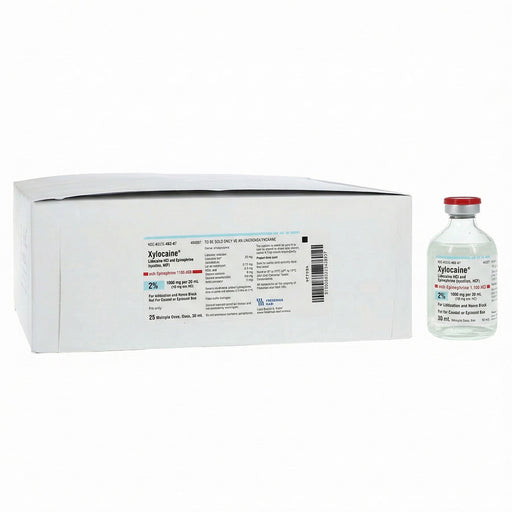
Xylocaine 2% Lidocaine with Epinephrine Injection 1:00,000 Multiple-Dose Vial 50 mL x 25/tray (Rx)
11% OFFOriginal price $ 489.00Current price $ 435.00


Injectable Medications
Injectable medications—including IV, IM, and SubQ injections—are the gold standard for rapid, precise, and effective treatment of acute and chronic medical conditions. Used by hospitals, clinics, home infusion programs, oncology centers, surgical teams, and specialty pharmacies, injectable drugs deliver swift therapeutic action for critical care, infection control, anesthesia, pain management, hormone therapy, emergency medicine, and chronic disease management.
Purpose
- Immediate Bioavailability: Bypasses the digestive tract for fast absorption and predictable blood levels, crucial in emergent or non-oral situations.
- Dose Precision & Control: Delivers exact quantities of medication or nutrients for tailored patient care in acute or complex cases.
- Versatile Clinical Use: Supports a wide range of therapies, from antibiotics, insulin, biologics, and pain medications to chemotherapy, vaccines, and vitamin injections.
Uses
- Infection Treatment: IV/IM antibiotics (ceftriaxone, vancomycin, piperacillin-tazobactam, meropenem) for sepsis, pneumonia, UTI, and hospital-acquired infections
- Oncology & Chemotherapy: Injectable anticancer agents (paclitaxel, doxorubicin, pemetrexed, pembrolizumab)
- Critical/Emergency Care: Epinephrine, atropine, naloxone, lidocaine, magnesium sulfate for resuscitation and life-threatening emergencies
- Anesthesia & Analgesia: Propofol, fentanyl, ketamine, morphine, dexmedetomidine for surgical, procedural, and ICU sedation/pain relief
- Chronic Disease Management: Insulin for diabetes, adalimumab & etanercept for autoimmune diseases, hormone injections (testosterone, estradiol, progesterone)
- Vitamins & Nutrition: Injectable B12, iron, magnesium, folic acid, total parenteral nutrition (TPN)
- Vaccines & Immunization: Influenza, COVID-19, hepatitis, tetanus, pneumococcal, rabies post-exposure
- Specialty Biologics: Monoclonal antibodies, growth factors, erythropoietin, biosimilars
Types of Injectable Medications
- Intravenous (IV): Direct infusion into bloodstream for rapid onset (e.g., antibiotics, chemotherapy, anesthesia)
- Intramuscular (IM): Delivery into muscle for steady absorption (e.g., vaccines, depot antipsychotics)
- Subcutaneous (SubQ): Slow-release into fat layer (e.g., insulin, GLP-1 agonists, heparin, biologics)
- IV Push/Bolus vs. Continuous Infusion
- Prefilled Syringes & Auto-Injectors: For emergency (epinephrine, glucagon) or chronic care (adalimumab, teriparatide)
- Single-Dose and Multi-Dose Vials
- Reconstituted Medications: Lyophilized powder requiring sterile water/bacteriostatic water
Popular Brands
- Pfizer (Hospira), Fresenius Kabi, Baxter, Sandoz, Teva, Amphastar, Hikma, Mylan/Viatris, Sanofi, AstraZeneca, Johnson & Johnson, Eli Lilly, Roche/Genentech, B. Braun, GlaxoSmithKline, Merck, Novo Nordisk, Sanofi Pasteur.
Active Ingredients (Examples)
- Antibiotics: Ceftriaxone, piperacillin-tazobactam, meropenem, gentamicin, vancomycin
- Pain/Anesthesia: Morphine, fentanyl, ketorolac, propofol, lidocaine, bupivacaine
- Anticoagulants: Heparin, enoxaparin, fondaparinux
- Insulin: Regular, NPH, glargine, lispro (various brands)
- Hormones: Estradiol, testosterone, human chorionic gonadotropin (hCG), insulin, growth hormone
- Biologics: Rituximab, adalimumab, trastuzumab, infliximab
- Emergency drugs: Epinephrine, naloxone, atropine, calcium gluconate
- IV vitamins/nutrients: B12, folic acid, magnesium sulfate, vitamin K, iron sucrose
- Vaccines: Influenza, COVID-19, hepatitis, meningococcal
Precautions
- Administer by Professionals: Injectable meds require skilled, sterile technique by healthcare providers—never self-administer without professional training.
- Check Packaging & Expiry: Never use solutions that appear cloudy, discolored, precipitated, or out of date.
- Single-Use Only (unless labeled Multi-Dose): Prevent infection by using each vial/syringe for only one patient, unless specifically approved for multi-use.
- Monitor for Allergic Reactions & Side Effects: Be alert for pain, redness, swelling, severe rash, or anaphylaxis—seek medical attention for severe reactions.
- Storage: Follow manufacturer and pharmacy guidelines for refrigeration, temperature, and light sensitivity.
- Patient-Specific Dosing: Always follow precise dosing for age, weight, organ function (renal/hepatic) and indication.
- Dispose Safely: Use approved sharps containers for all used syringes and vials to avoid accidental needlesticks or misuse.
Choose the best Injectable Medications for safe, rapid, and effective treatment—FDA-approved and trusted by hospitals, clinics, and pharmacies for all critical therapies and patient needs. Discover top brands, a full range of IV/IM/SubQ types, and comprehensive supply for every specialty—from infection control to pain relief, hormone therapy, oncology, and beyond. Order now or connect with our expert pharmacy team for all your injectable medication solutions!