 Skip to content



Filters
Filters
IV Sets, IV Tubing, IV Administration Sets for Aesthetic Supplies MedSpa Supplies & Cosmetic Surgery Supplies
-
 Sale
Sale
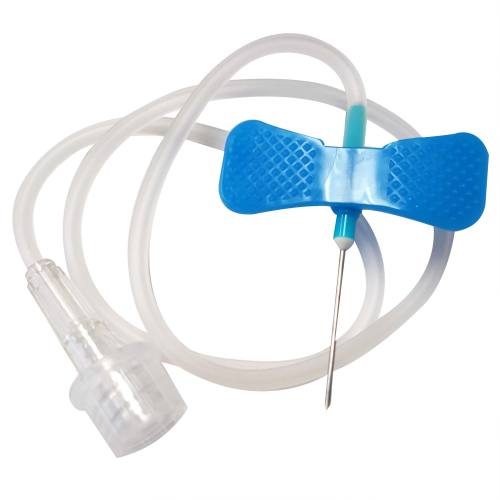
Butterfly Needle IV Infusion Scalp Vein Needle Set, Color Coded Sizes, Sterile (Each)
$ 0.605 reviews🔒 Medical License Required -
 Sale 17%
Exel Butterfly Infusion Set 25ga x ¾" with 12" Tube 50/box
Original price $ 59.95Current price $ 49.95🔒 Medical License Required -
 Sale 12%
BD 367344 Vacutainer Push Button Blood Collection Sets 21 Gauge x 3/4" with 12" Tubing, 50/box
 Original price $ 225.95Current price $ 198.00
 -

 Sale 17%
BD 367324 Vacutainer Push Button Blood Collection Sets 23 Gauge x 3/4" with 12" Tubing, 50/box
Original price $ 229.95Current price $ 189.95 -

 This item is sold out
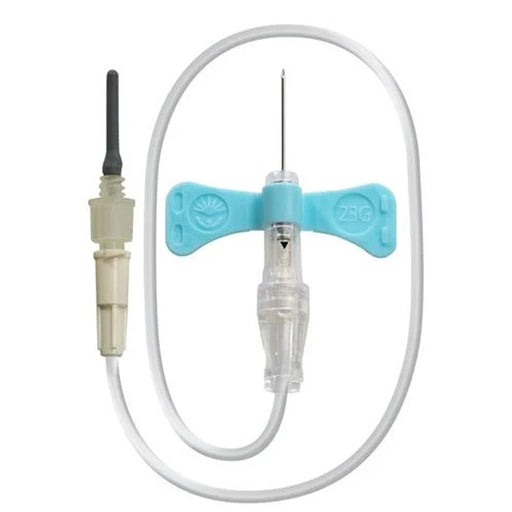
BD Vacutainer Push Button Blood Collection Sets 25 Gauge x 3/4" with 12" Tubing, 50/box
Original price $ 229.95Current price $ 199.00 -
 Sale 28%
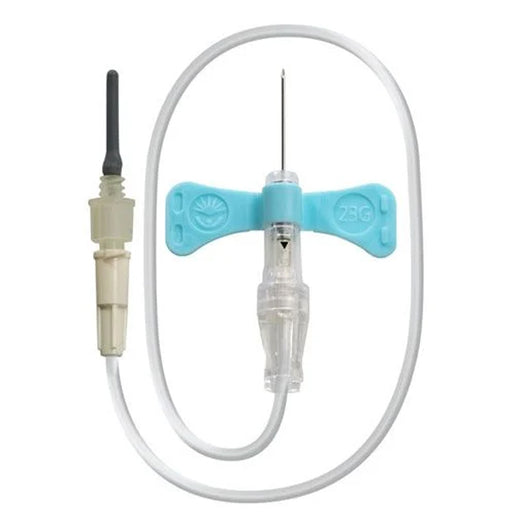
BD Vacutainer Push Button Blood Collection Sets 23 Gauge x 3/4" with 12" Tubing, 50/box
Original price $ 249.95Current price $ 179.00


People Also Searched For
IV Sets
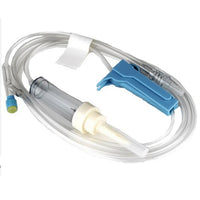
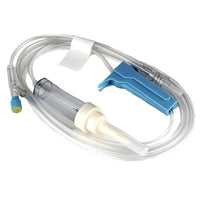
IV sets (administration sets) are sterile, flexible plastic tubing systems used to deliver fluids, medications, or blood products directly into a patient’s vein. Key components include a spike for the bag, a drip chamber, a flow regulator (clamp), and a Luer connector. They are crucial for maintaining precise fluid administration and preventing air from entering the blood stream.
An IV set (or administration set) is a sterile, single-use plastic assembly that connects a fluid source (IV bag or bottle, blood unit, etc.) to a patient’s intravenous catheter or needle. The basic components include a rigid spike (to puncture the IV bag port), an air-vent or filter, a clear drip chamber, flexible tubing with clamps or flow regulators, one or more injection ports (often needleless) for meds, and a Luer-lock (or slip) connector at the patient end. For example, parts are typically named “spike, air vent cap, drip chamber (macro or micro), fluid filter, flow regulator (roller clamp or pinch clamp), injection site (Y-site with needle-free connector), and Luer connector”. Some sets also include built-in filters (e.g. 0.2 μm) or burette chambers for precise dosing. IV sets are always packaged sterile and used once – after priming and use they are discarded as medical sharps to prevent contamination. Proper aseptic technique is essential: all connection points (spike, ports, catheter) must remain sterile to avoid introducing pathogens. (Indeed, infection-control guidelines emphasize that IV delivery systems are sterile single-use devices and strict asepsis must be maintained during setup and use.
Sizes and Flow (Drop Factors)
IV tubing comes in various “drop factors” that define how many drops make 1 mL of fluid. Common designs are:
- Macrodrip (10–20 gtt/mL) – This is a larger-bore tubing where 1 mL ≈ 10–20 drops. Macrodrip sets are used for adult infusions or rapid fluid replacement (e.g. large-volume resuscitation). For example, a 15 gtt/mL set means ~15 drops = 1 mL.
- Microdrip (60 gtt/mL) – This fine-bore tubing yields 60 drops = 1 mL (each drop ≈0.017 mL), allowing very precise control. Microdrip sets are typically used for low-rate infusions (pediatrics, neonates, critical care) where accuracy matters.
Because microdrip sets produce tiny droplets, they are best when infusion rates are slow (commonly < 50–100 mL/hr) so that counting drops is feasible; macrodrip sets are preferred for higher rates (e.g. 100–2000 mL/hr) since fewer drops per mL can be counted or delivered more rapidly. To calculate flow:
- Drops per minute = (Volume (mL) to infuse × Drop factor (gtt/mL)) ÷ Time (min).
For instance, infusing 100 mL over 1 hour with a 15 gtt/mL set: (100 mL × 15 gtt/mL) ÷ 60 min ≈ 25 drops/min. If using a 60 gtt set, that would be (100×60/60)=100 drops/min. (In practice, infusion pumps are often used for precise rates, but manual drip counting can be done by adjusting the roller clamp to achieve the needed drop rate.)
Besides drop factor, IV sets come in various lengths and gauge of tubing. Typical infant or “micro-injection” sets may be shorter or smaller-diameter for small volumes; standard adult sets are ~150–200 cm long. Blood transfusion sets usually have large-bore tubing and integrated 170–200 μm filters (and sometimes no drip chamber, using a different flow regulator), allowing faster flow without hemolysis. Some special sets include burette chambers (for measuring small volumes, often 150 mL maximum) or extension sets for accessing multiple lines (Y-connectors or stopcocks) during multi-drug infusions.
Setup and Use (Techniques)
Preparation: Wash hands and use gloves. Select an infusion set appropriate to the task (microdrip for low-rate infusions, macrodrip or pump tubing for high-rate). Inspect the sterile package and expiration date. Inspect the tubing and components for damage or leaks. Don’t touch the spike or patient connector tips with bare hands.
Priming (filling): Close the roller clamp, remove the cap, and insert the spike into the fluid bag or bottle port (for vented containers, the spike often has a built-in air vent; if not, a vented spike or filter may be used). Squeeze the drip chamber till it’s half-full. Then open the clamp slowly to allow fluid to fill the entire tubing, expelling all air; do not reclose until all air is out (air embolism risk). Ensure the drip chamber has fluid above the filter (if present) and all connectors are fluid-primed.
Hanging and connecting: Hang the fluid bag high (≥18″ above patient) to ensure gravity flow. Clean the IV catheter hub on the patient with antiseptic (“scrub the hub”) and allow to dry. Attach the tubing’s Luer connector firmly to the catheter hub (or needleless valve).
Adjusting flow: Unlock or open the roller clamp. Count the drops in the drip chamber to set the rate: count drops for 30–60 seconds and adjust the clamp to match the calculated drops/minute. If using an infusion pump, program the volume and rate (pump tubing has specific characteristics so use the manufacturer’s instructions). Monitor the drip: count and recalibrate as needed to maintain desired flow.
Medication injection: Many IV sets have Y-injection ports with self-sealing needleless access or rubber septa. When giving a bolus med, clean the port with antiseptic and attach a syringe, push in the drug, then flush with saline. Never inject directly into air (always check that a drop comes out or that catheter is patent). If multiple medications run, use multi-port manifolds or stopcocks as needed, flushing between drugs.
Site Maintenance: Periodically check the IV site and tubing: ensure no kinks, the drip chamber and filter are not clogged, and fluid is dripping. Confirm the roller clamp position (no unintended top-ups or free flow). Many protocols recommend changing out IV tubing (except during continuous blood products or fats) no more frequently than every 72–96 hours to minimize infection risk (always follow hospital policy).
Stopping infusion and disposal: When done, clamp the tubing before disconnecting to avoid blood backflow. Disconnect the tubing from the catheter (keeping the patient host end sterile until capped). Discard the entire set (spike, tubing, drip chamber, etc.) as sharps/biomedical waste in a puncture-proof container. Under infection-control guidelines, no part of the infusion set is reused or shared between patients. Always wear gloves and maintain asepsis: as the CDC notes, all IV delivery equipment must be handled with sterile technique to prevent contamination.
Summary – Key Points
- Definition: IV (infusion) sets are sterile tubing assemblies for delivering fluids/medicines intravenously. They include a spike, drip chamber, tubing, clamps, ports, and a patient connector.
- Sizes/Drop Factor: Sets are color-coded/marked by drop factor: macrodrip (≈10–20 gtt/mL) for high rates, microdrip (60 gtt/mL) for precise low-rate infusions. Choose based on required flow.
- Flow rates: Calculate drops/min = (mL to infuse × drop factor) / infusion time (min). Use roller clamp to adjust until drops count is correct. Pumps add precision and alarms.
- Technique: Always prime tubing to remove air, connect using aseptic technique, clamp and unclamp to regulate flow, and flush lines before/after medication. Maintain site patency and check drip regularly.
- Safety: Use a new sterile set for each patient; dispose properly. Follow aseptic protocols to avoid air or microbial contamination. For example, CDC guidelines explicitly require that IV equipment remain sterile and contamination-free.
FAQs About IV Sets, IV Tubing, IV Administration Sets
-
What is an IV Set?
An IV set (intravenous infusion set) is a sterile, single-use system designed to deliver fluids, medications, nutrients, or electrolytes directly into a patient’s vein. IV sets are crucial in hospitals, emergency rooms, surgical care, and home infusion therapies.
-
How Often Should an IV Drip Set Be Changed?
Change IV sets every 72–96 hours (3–4 days), or according to hospital protocol, to minimize infection risk. For blood products, TPN (total parenteral nutrition), or immunocompromised patients, change every 24 hours.
-
What are the Different Sizes of IV Sets?
IV sets come in pediatric, microdrip (60 drops/mL), and adult/standard macrodrip (10, 15, or 20 drops/mL) sizes. Choose based on the patient’s age, vein, therapy required, and infusion rate.
-
How Do You Calculate IV Set Drip Rate?
Drop factor (macrodrip): 10, 15, or 20 drops/mL Drop factor (microdrip): 60 drops/mL
-
Can IV Sets Be Used at Home?
Yes! Prepackaged, sterile IV sets are safe for home use with physician oversight, especially for hydration, antibiotics, vitamin therapy (like the Myers cocktail), or chronic illness management.
-
How Often Should You Change Infusion Sets?
Change every 72–96 hours for most standard infusions. Always use a new set for blood, lipid, or highly viscous solutions. Insulin infusion sets (for diabetes pumps) often require change every 2-3 days.
-
How Many Times Can an IV Set Be Used?
IV sets are strictly single-use only. Never reuse an IV set—always discard after one patient and one therapy session to prevent infections.
-
Is Too Much IV Drip Bad?
Yes, over-infusion can cause fluid overload, swelling, pulmonary edema, or even heart failure—especially in children, elderly, or cardiac/renal patients. Follow prescribed rates exactly.
-
How Long Can IV Fluids Hang?
Standard fluids (saline, dextrose): Up to 24 hours Blood products: 4 hours maximum TPN/lipid fluids: change after 24 hours Always check local protocols and fluid manufacturer’s recommendations.
-
How Do Nurses Use IV Sets?
Assemble sterile set, flush air out, connect to patient’s IV catheter, adjust flow rate, monitor site and patient reactions. Nurses change sets per guidelines and assess for leaks/clots regularly.
-
What is a 3-Way IV Set Used For?
3-way IV sets allow connection of multiple IV lines (medications, fluids) to a single patient access site, enabling complex therapies and rapid switching in critical care.
-
What Are the Four Main Types of IV Fluids?
Normal Saline (0.9% Sodium Chloride) Lactated Ringer’s Solution Dextrose Solutions (D5W, D10W) Half Normal Saline (0.45% Sodium Chloride)
-
How Many Drops Are in an IV Set?
Microdrip set: 60 gtt (drops)/mL Macrodrip set: 10, 15, or 20 gtt/mL (check your set’s label)
-
How Many Drops in 1 Minute?
Based on your drip rate calculation (see formula above), adjust the clamp until the correct number of drops fall per minute on the drip chamber scale.
-
What Not to Do After IV Drip?
Don’t vigorously move the arm/hand used for the IV immediately after removal. Avoid soaking in water (baths/hot tubs) near IV site for 24 hours. Report redness, pain, swelling, fever, or leaking immediately.
-
Is 2 Bags of IV Fluid a Lot?
Depends on the clinical indication; for adults, 2 liters may be standard for dehydration, but always follow a doctor’s prescribed volume and rate.
-
Can I Leave My Infusion Set In Longer Than 3 Days?
Not recommended. Extended use increases infection risk and reduces effectiveness. Change every 72–96 hours or sooner if issues arise.
-
Where is the Best Place to Put an Infusion Set?
Arms and hands are most common for short-term IVs. For insulin pumps or home infusions, abdomen is common (rotate sites as needed). Central lines (chest/neck) are for longer treatments.
-
How Do I Choose an Infusion Set?
Patient size/vein quality Therapy type (fluid, medication, blood) Drip factor (microdrip for kids, macrodrip for adults) Ease of use (needleless options, 3-way sets)
-
Are IV Sets Reusable?
No – IV sets are never to be reused. Always use new, sterile tubing per patient and session.
-
How Many Days Can You Use the Same IV?
Peripheral IV sites: 72–96 hours. Central lines: longer, but monitor for infection.
-
How Long Can an IV Stay in One Place?
3–4 days for peripheral IV; remove or relocate if signs of infection, irritation, or malfunction occur.
-
How Long Do IV Fluids Stay in Your System?
IV fluids metabolize and are excreted over hours to a day, depending on rate, type, patient age, and health.
-
What is in the Myers Cocktail?
A popular IV vitamin therapy blend including magnesium, calcium, B vitamins, and vitamin C, often offered in wellness clinics.
-
Can Too Much IV Fluid Cause Heart Failure?
Yes, especially in patients with cardiac/renal disorders. Always follow dosing guidelines and monitor closely.
-
How Long Do IV Electrolytes Last?
Effects can last hours to days, depending on solution, dose, and metabolism.
-
Why Choose Our IV Sets?
Sterile, medical-grade, latex-free IV sets Wide range: pediatric microdrip, adult macrodrip, 3-way and needleless variants Clear, flexible tubing and precision drip chambers for accurate dosing Individually packaged for maximum infection control Approved for hospital, clinic, or home infusion therapies worldwide Compatible with Myers cocktail, hydration, medication, or vitamin IVs