
Leukemia and Lymphoma Medications to Acute leukemia
Leukemia and Lymphoma Medications
Best Leukemia and Lymphoma Medications for Advanced Cancer Care, Symptom Relief & Lasting Remission
Leukemia and lymphoma medications are advanced, FDA-approved oncology therapies trusted by hematologists, oncologists, pharmacists, and cancer centers worldwide. These breakthrough drugs—including chemotherapy, targeted therapies, immunotherapy, CAR-T cell treatments, monoclonal antibodies, and supportive care agents—are tailored for every type and stage of acute lymphoblastic leukemia (ALL), acute myeloid leukemia (AML), chronic lymphocytic leukemia (CLL), chronic myeloid leukemia (CML), Hodgkin lymphoma, non-Hodgkin lymphoma (NHL), and rare lymphoproliferative disorders.
Purpose
- Target & Kill Cancer Cells: Destroy or suppress the abnormal white blood cells that cause leukemia or lymphoma.
- Achieve & Maintain Remission: Induce remission, prevent relapse, and extend survival for patients of all ages.
- Control Symptoms & Complications: Relieve cancer-related pain, fever, fatigue, and infection risk.
- Personalized Cancer Therapy: Deliver precise, individualized treatment for each patient’s cancer subtype and genetic profile.
Uses
- First-Line Therapy: Initial chemotherapy, targeted agents, or immunotherapy to induce remission in new leukemia/lymphoma cases.
- Maintenance Therapy: Prevent recurrence and preserve remission after initial treatment.
- Relapsed or Refractory Disease: Specialized regimens for resistant leukemia or lymphoma.
- Pre-Transplant Conditioning: Prepare the body for stem cell or bone marrow transplantation.
- Palliative Therapy: Alleviate symptoms and disease burden for advanced or incurable cases.
- Prevention of CNS Relapse: Intrathecal chemotherapy or systemic drugs that penetrate the CNS.
Types & Popular Brands
Types:
- Chemotherapy Agents: Destroy rapidly dividing cancer cells.
- Targeted Therapies: Inhibit specific cancer cell pathways (TKIs, BCL2, FLT3, CD20, CD22, BTK inhibitors).
- Immunotherapy: Activate the immune system to recognize and attack cancer (CAR-T, checkpoint inhibitors).
- Monoclonal Antibodies: Block cell surface proteins on leukemia/lymphoma cells (e.g., rituximab, obinutuzumab, daratumumab).
- Oral Drugs, IV Infusions, Subcutaneous, and Intrathecal Agents
- Supportive Medications: Growth factors (G-CSF, erythropoietin), antiemetics, antivirals, antifungals, antibiotics.
Popular Brands & Agents:
Leukemia:
- Imatinib (Gleevec®), Dasatinib (Sprycel®), Nilotinib (Tasigna®), Bosutinib (Bosulif®), Ponatinib (Iclusig®) — for CML
- Ibrutinib (Imbruvica®), Venetoclax (Venclexta®), Acalabrutinib (Calquence®), Idelalisib (Zydelig®) — for CLL
- Cytarabine (Ara-C), Daunorubicin, Idarubicin, Fludarabine, Cladribine, Azacitidine (Vidaza®), Decitabine (Dacogen®) — for AML, ALL
- Blinatumomab (Blincyto®), Inotuzumab Ozogamicin (Besponsa®), Tisagenlecleucel (Kymriah®) — advanced immunotherapies
Lymphoma:
- R-CHOP (Rituximab, Cyclophosphamide, Doxorubicin, Vincristine, Prednisone)
- Brentuximab Vedotin (Adcetris®) — Hodgkin lymphoma
- Obinutuzumab (Gazyva®), Polatuzumab Vedotin (Polivy®), Lisocabtagene Maraleucel (Breyanzi®) — for DLBCL and other aggressive NHL
- Lenalidomide (Revlimid®), Bortezomib (Velcade®), CAR-T therapies (Yescarta®, Tecartus®)
- Ibrutinib, Acalabrutinib, Zanubrutinib — for mantle cell lymphoma, Waldenström’s macroglobulinemia
Strengths
- Oral Tablets & Capsules: 100 mg, 400 mg, 140 mg, 20 mg, 1 mg, 0.5 mg (as applicable by agent)
- IV Infusions: Variable by protocol and patient weight; may require central line, port, or PICC
- SC/IM Injections: For selected agents (as per physician orders)
- Multi-Agent Regimens: Doses and cycles vary by patient/treatment protocol—always tailored to individual care plans
Precautions
- Administered & Monitored by Oncology Specialists Only: Strict safety and infection control.
- Risk of Immunosuppression: Increased susceptibility to bacterial, viral, and fungal infections—report fevers, sore throat, or unexplained pain immediately.
- Blood Counts & Lab Monitoring: Frequent CBC, renal, and liver tests are mandatory to prevent/identify toxicity.
- Pregnancy & Fertility: Most are teratogenic; use birth control, discuss fertility preservation before starting therapy.
- Drug Interactions: Many anticancer drugs interact with antibiotics, antifungals, heart, and seizure meds—disclose all medications.
- Side Effects: Nausea, vomiting, mouth sores, diarrhea, hair loss, fatigue, neuropathy—prevent and manage with dedicated supportive care.
- Cardiotoxicity, Liver, or Kidney Damage: Some meds can cause serious organ side effects requiring dose adjustment or discontinuation.
- Allergic/Infusion Reactions: Monitor during and after infusions for severe reactions/require premedication.
- Vaccines: Live vaccines should be avoided during/after many therapies—review with oncologist.
Choose leading-edge Leukemia and Lymphoma Medications—FDA-approved, doctor-recommended therapies for rapid remission, symptom relief, and improved survival. Shop major brands and generics for chemotherapy, targeted drugs, immunotherapy, CAR-T, and supportive treatments. Order through specialized cancer pharmacies and consult your oncologist for the safest, most effective care for leukemia and lymphoma—because every day counts.
-
 Sale 29%
Original price $ 39.95Current price $ 28.50
Sale 29%
Original price $ 39.95Current price $ 28.50Vincristine Sulfate Injection 1 mg Single-dose Vial 2 mL by Pfizer (RX)
Vincristine Sulfate Injection is a chemotherapeutic medication used primarily to treat various types of cancer, including leukemia, lymphoma, and c...
View full details -
 Sale 37%
Original price $ 59.95Current price $ 37.75
Sale 37%
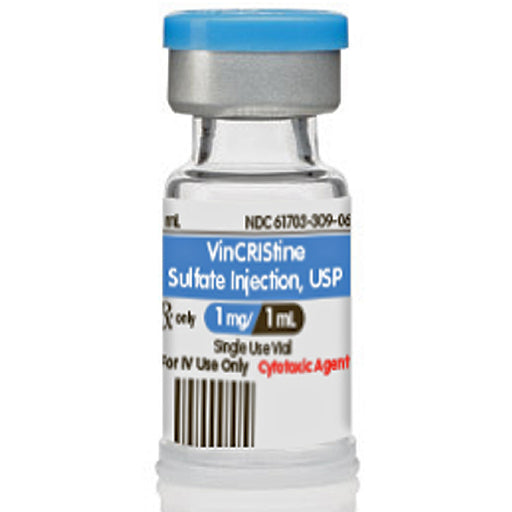
Original price $ 59.95Current price $ 37.75Vincristine Sulfate Injection 1 mg Single-dose Vial 1 mL - Pfizer
Vincristine Sulfate Injection 1 mg Single-dose Vial is a powerful medication that is primarily used for the treatment of various types of cancer. I...
View full details

Leukemia and Lymphoma Medications
Best Leukemia and Lymphoma Medications for Advanced Cancer Care, Symptom Relief & Lasting Remission
Leukemia and lymphoma medications are advanced, FDA-approved oncology therapies trusted by hematologists, oncologists, pharmacists, and cancer centers worldwide. These breakthrough drugs—including chemotherapy, targeted therapies, immunotherapy, CAR-T cell treatments, monoclonal antibodies, and supportive care agents—are tailored for every type and stage of acute lymphoblastic leukemia (ALL), acute myeloid leukemia (AML), chronic lymphocytic leukemia (CLL), chronic myeloid leukemia (CML), Hodgkin lymphoma, non-Hodgkin lymphoma (NHL), and rare lymphoproliferative disorders.
Purpose
- Target & Kill Cancer Cells: Destroy or suppress the abnormal white blood cells that cause leukemia or lymphoma.
- Achieve & Maintain Remission: Induce remission, prevent relapse, and extend survival for patients of all ages.
- Control Symptoms & Complications: Relieve cancer-related pain, fever, fatigue, and infection risk.
- Personalized Cancer Therapy: Deliver precise, individualized treatment for each patient’s cancer subtype and genetic profile.
Uses
- First-Line Therapy: Initial chemotherapy, targeted agents, or immunotherapy to induce remission in new leukemia/lymphoma cases.
- Maintenance Therapy: Prevent recurrence and preserve remission after initial treatment.
- Relapsed or Refractory Disease: Specialized regimens for resistant leukemia or lymphoma.
- Pre-Transplant Conditioning: Prepare the body for stem cell or bone marrow transplantation.
- Palliative Therapy: Alleviate symptoms and disease burden for advanced or incurable cases.
- Prevention of CNS Relapse: Intrathecal chemotherapy or systemic drugs that penetrate the CNS.
Types & Popular Brands
Types:
- Chemotherapy Agents: Destroy rapidly dividing cancer cells.
- Targeted Therapies: Inhibit specific cancer cell pathways (TKIs, BCL2, FLT3, CD20, CD22, BTK inhibitors).
- Immunotherapy: Activate the immune system to recognize and attack cancer (CAR-T, checkpoint inhibitors).
- Monoclonal Antibodies: Block cell surface proteins on leukemia/lymphoma cells (e.g., rituximab, obinutuzumab, daratumumab).
- Oral Drugs, IV Infusions, Subcutaneous, and Intrathecal Agents
- Supportive Medications: Growth factors (G-CSF, erythropoietin), antiemetics, antivirals, antifungals, antibiotics.
Popular Brands & Agents:
Leukemia:
- Imatinib (Gleevec®), Dasatinib (Sprycel®), Nilotinib (Tasigna®), Bosutinib (Bosulif®), Ponatinib (Iclusig®) — for CML
- Ibrutinib (Imbruvica®), Venetoclax (Venclexta®), Acalabrutinib (Calquence®), Idelalisib (Zydelig®) — for CLL
- Cytarabine (Ara-C), Daunorubicin, Idarubicin, Fludarabine, Cladribine, Azacitidine (Vidaza®), Decitabine (Dacogen®) — for AML, ALL
- Blinatumomab (Blincyto®), Inotuzumab Ozogamicin (Besponsa®), Tisagenlecleucel (Kymriah®) — advanced immunotherapies
Lymphoma:
- R-CHOP (Rituximab, Cyclophosphamide, Doxorubicin, Vincristine, Prednisone)
- Brentuximab Vedotin (Adcetris®) — Hodgkin lymphoma
- Obinutuzumab (Gazyva®), Polatuzumab Vedotin (Polivy®), Lisocabtagene Maraleucel (Breyanzi®) — for DLBCL and other aggressive NHL
- Lenalidomide (Revlimid®), Bortezomib (Velcade®), CAR-T therapies (Yescarta®, Tecartus®)
- Ibrutinib, Acalabrutinib, Zanubrutinib — for mantle cell lymphoma, Waldenström’s macroglobulinemia
Strengths
- Oral Tablets & Capsules: 100 mg, 400 mg, 140 mg, 20 mg, 1 mg, 0.5 mg (as applicable by agent)
- IV Infusions: Variable by protocol and patient weight; may require central line, port, or PICC
- SC/IM Injections: For selected agents (as per physician orders)
- Multi-Agent Regimens: Doses and cycles vary by patient/treatment protocol—always tailored to individual care plans
Precautions
- Administered & Monitored by Oncology Specialists Only: Strict safety and infection control.
- Risk of Immunosuppression: Increased susceptibility to bacterial, viral, and fungal infections—report fevers, sore throat, or unexplained pain immediately.
- Blood Counts & Lab Monitoring: Frequent CBC, renal, and liver tests are mandatory to prevent/identify toxicity.
- Pregnancy & Fertility: Most are teratogenic; use birth control, discuss fertility preservation before starting therapy.
- Drug Interactions: Many anticancer drugs interact with antibiotics, antifungals, heart, and seizure meds—disclose all medications.
- Side Effects: Nausea, vomiting, mouth sores, diarrhea, hair loss, fatigue, neuropathy—prevent and manage with dedicated supportive care.
- Cardiotoxicity, Liver, or Kidney Damage: Some meds can cause serious organ side effects requiring dose adjustment or discontinuation.
- Allergic/Infusion Reactions: Monitor during and after infusions for severe reactions/require premedication.
- Vaccines: Live vaccines should be avoided during/after many therapies—review with oncologist.
Choose leading-edge Leukemia and Lymphoma Medications—FDA-approved, doctor-recommended therapies for rapid remission, symptom relief, and improved survival. Shop major brands and generics for chemotherapy, targeted drugs, immunotherapy, CAR-T, and supportive treatments. Order through specialized cancer pharmacies and consult your oncologist for the safest, most effective care for leukemia and lymphoma—because every day counts.