
Lidocaine Cream, Numbing Creams, Topical Anesthetics to Lidocaine 4%
Lidocaine Cream, Numbing Creams, Topical Anesthetics
Lidocaine cream is a topical local anesthetic used to numb the skin and relieve pain. Its active ingredient is lidocaine (also called lignocaine), an amide-type local anesthetic. When applied to intact skin, lidocaine penetrates the surface and blocks the voltage-gated sodium channels on nerve endings, preventing the nerves from sending pain signals. In practice, this means the treated area becomes numb for a short time, reducing pain, burning, or itching. It is widely used for temporary relief of minor skin pain (burns, cuts, scrapes, insect bites, etc.) and to anesthetize the skin before injections or minor procedures. The cream does not cure the underlying problem – it simply numbs the area while it is applied.
Uses
- Minor skin pain or itching: Lidocaine cream 4% is indicated for temporary relief of pain and itching from minor skin conditions (small cuts, scrapes, sunburn, minor burns, insect bites, mild skin irritations). For example, it can soothe the sting of a jellyfish bite or the burn of a patch of sunburned skin.
- Hemorrhoids and anal irritation: It is also used to relieve pain, burning and itching in the anal/rectal area (such as external hemorrhoids or anal fissures). Some hemorrhoid creams and wipes contain 4% lidocaine for this purpose.
- Numbing before procedures: In clinical settings, lidocaine 4% cream may be applied to numb the skin before needles or minor surgeries. For instance, applying the cream to the skin can reduce pain from blood draws, injections (venipuncture), or wound dressings. (Note: although some topical anesthetics are specifically labeled for this use, 4% lidocaine cream is often used off-label in the same way.)
- Other localized pain relief: Occasionally, doctors may use it for other small-area pain (e.g. localized toothache or joint pain) as directed. Always follow a healthcare provider’s instructions on the amount and area to use.
Mechanism of Action
Lidocaine works by blocking nerve impulses. As an amide-type local anesthetic, it reversibly binds sodium channels in nerve cell membranes. Normally, when a nerve is stimulated, sodium flows into the cell and generates an electrical signal (pain impulse). Lidocaine prevents this sodium influx, stopping the nerve from “firing.” The result is numbness in the area where the cream was applied. Because it acts locally at the application site, systemic effects (on the rest of the body) are minimal when used appropriately. After a few minutes, the numbing usually begins, and it typically lasts an hour or two (depending on the dose and site).
Side Effects
Most people tolerate lidocaine cream well. The most common side effects are local and mild: for example, you may feel slight burning, stinging, tingling or itching where the cream was applied. This is often due to the numbing effect itself and usually goes away quickly after the cream is removed. Mild redness or swelling can also occur in sensitive individuals. These do not require stopping the medication unless they bother you severely.
Serious side effects are rare. Systemic absorption can theoretically cause symptoms like headache, dizziness or heart palpitations if large areas are treated or if the cream is used improperly, but this is uncommon with normal use on small skin areas. Allergic reactions are very uncommon. Signs of a true allergy (such as rash spreading beyond the application site, swelling of the face/lips, or difficulty breathing) are extremely rare, but if they occur you should stop the cream and seek medical help immediately. Overall, most users either have no side effects or only minor local irritation.
-
 Sale 53%
Original price $ 37.95Current price $ 17.95
Sale 53%
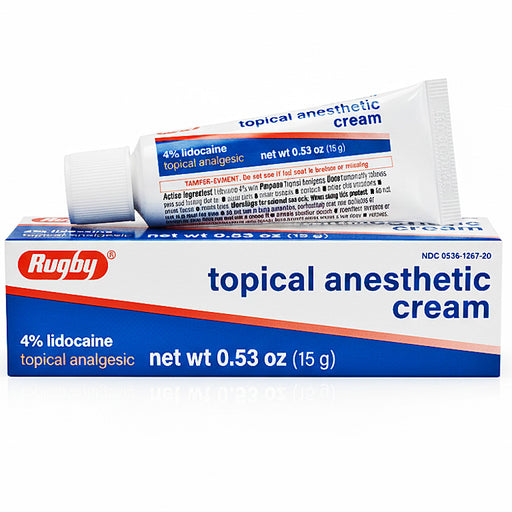
Original price $ 37.95Current price $ 17.95Lidociane Cream 4% Topical Anesthetic Numbing Cream, Over the Counter
#1 Doctor-Recommended Instant Pain Relief & Numbing Cream Searching for the best topical anesthetic cream for effective pain relief? Lidocaine ...
View full details -
 Sale 26%
Original price $ 18.95Current price $ 13.95
Sale 26%
Original price $ 18.95Current price $ 13.95Aspercreme XL Patches with Lidocaine 4%
#1 Maximum Strength OTC Lidocaine Patch for Targeted Pain Relief Aspercreme XL Patches with Lidocaine 4% are the ultimate solution for fast-acting,...
View full details

Lidocaine Cream, Numbing Creams, Topical Anesthetics
Lidocaine cream is a topical local anesthetic used to numb the skin and relieve pain. Its active ingredient is lidocaine (also called lignocaine), an amide-type local anesthetic. When applied to intact skin, lidocaine penetrates the surface and blocks the voltage-gated sodium channels on nerve endings, preventing the nerves from sending pain signals. In practice, this means the treated area becomes numb for a short time, reducing pain, burning, or itching. It is widely used for temporary relief of minor skin pain (burns, cuts, scrapes, insect bites, etc.) and to anesthetize the skin before injections or minor procedures. The cream does not cure the underlying problem – it simply numbs the area while it is applied.
Uses
- Minor skin pain or itching: Lidocaine cream 4% is indicated for temporary relief of pain and itching from minor skin conditions (small cuts, scrapes, sunburn, minor burns, insect bites, mild skin irritations). For example, it can soothe the sting of a jellyfish bite or the burn of a patch of sunburned skin.
- Hemorrhoids and anal irritation: It is also used to relieve pain, burning and itching in the anal/rectal area (such as external hemorrhoids or anal fissures). Some hemorrhoid creams and wipes contain 4% lidocaine for this purpose.
- Numbing before procedures: In clinical settings, lidocaine 4% cream may be applied to numb the skin before needles or minor surgeries. For instance, applying the cream to the skin can reduce pain from blood draws, injections (venipuncture), or wound dressings. (Note: although some topical anesthetics are specifically labeled for this use, 4% lidocaine cream is often used off-label in the same way.)
- Other localized pain relief: Occasionally, doctors may use it for other small-area pain (e.g. localized toothache or joint pain) as directed. Always follow a healthcare provider’s instructions on the amount and area to use.
Mechanism of Action
Lidocaine works by blocking nerve impulses. As an amide-type local anesthetic, it reversibly binds sodium channels in nerve cell membranes. Normally, when a nerve is stimulated, sodium flows into the cell and generates an electrical signal (pain impulse). Lidocaine prevents this sodium influx, stopping the nerve from “firing.” The result is numbness in the area where the cream was applied. Because it acts locally at the application site, systemic effects (on the rest of the body) are minimal when used appropriately. After a few minutes, the numbing usually begins, and it typically lasts an hour or two (depending on the dose and site).
Side Effects
Most people tolerate lidocaine cream well. The most common side effects are local and mild: for example, you may feel slight burning, stinging, tingling or itching where the cream was applied. This is often due to the numbing effect itself and usually goes away quickly after the cream is removed. Mild redness or swelling can also occur in sensitive individuals. These do not require stopping the medication unless they bother you severely.
Serious side effects are rare. Systemic absorption can theoretically cause symptoms like headache, dizziness or heart palpitations if large areas are treated or if the cream is used improperly, but this is uncommon with normal use on small skin areas. Allergic reactions are very uncommon. Signs of a true allergy (such as rash spreading beyond the application site, swelling of the face/lips, or difficulty breathing) are extremely rare, but if they occur you should stop the cream and seek medical help immediately. Overall, most users either have no side effects or only minor local irritation.