

Filters
- allergy medication (2)
- Anti-Inflammatory (4)
- anti-inflammatory drug (2)
- Anti-inflammatory Medication (3)
- Arthritis Treatment (2)
- asthma flare treatment (1)
- autoimmune therapy (2)
- best steroid for inflammation (1)
- Corticosteroid (5)
- Corticosteroid Medicine (4)
- Corticosteroid Tablets (2)
- Corticosteroids (6)
- doctor-only (20)
- eczema medication (1)
- immune suppression (2)
- inflammation relief (2)
- lupus flare medication (1)
- lupus medication (1)
- Medrol Dose Pack (1)
- Methylprednisolone (8)
- Methylprednisolone 4 mg (1)
- oral corticosteroids (1)
- oral steroid (1)
- prednisone alternative (2)
- rheumatoid arthritis treatment (2)
- Steroid (1)
- steroid tablets (1)
- Steroids (1)
- 64380-0783-06 (1)
- Addison’s disease (2)
- allergic reactions (4)
- Allergies (2)
- Allergy Relief (2)
- Asthma (3)
- Asthma Medication (5)
- Asthma Treatment (3)
- Autoimmune Disorder Management (1)
- Autoimmune Disorders (4)
- Bell's palsy (1)
- Chronic Condition Treatment (1)
- Corticosteroid Therapy (1)
- Eczema (1)
- Endocrine Disorders (2)
- Gout (1)
- Immune System Regulation (1)
- Inflammation Reduction (1)
- Inflammatory Diseases (1)
- Leukemia (1)
- Lupus (2)
- Lymphoma (1)
- Multiple sclerosis (1)
- Multiple Sclerosis Treatment (1)
- Organ Transplantation (1)
- Prednisone (5)
- Prednisone 5 mg (1)
- Prednisone Tablets (1)
- Relieve Allergies (1)
- respiratory reactions (1)
- seasonal allergies (2)
- Treat Allergic Reactions (4)
- Treat Eczema (1)
- Treat Gout (1)
- Treat ulcerative colitis (2)
- Ulcerative Colitis Treatment (2)
- Anti-Inflammatory Injection (2)
- Arthritis pain (1)
- arthritis pain relief (1)
- Corticosteroid Medication (4)
- Dex (1)
- dexamethasone (4)
- Dexamethasone Sodium (2)
- Joint Pain (1)
- Pain Relief (2)
- Pain Relief Medicine (1)
- Phosphate (1)
- Reduce inflammation (5)
- Reduces Inflammation (1)
- Relieve Joint Pain (1)
- Rheumatoid Arthritis (4)
- Sodium phosphate (1)
- Swelling (2)
- Treat Asthma (2)
- Treat Inflammation (7)
- Bone Marrow Problems (1)
- Depo Medrol (2)
- Methylprednisolone 80 mg (1)
- Methylprednisolone Acetate (4)
- Methylprednisolone Acetate 80 mg (1)
- Treat Arthritis (2)
- Treat Lupus (1)
- Treat Severe Allergies (1)
- brain swelling (1)
- Dexamethasone Injection (2)
- Dexamethasone Sodium Phosphate Injection (2)
- Dexamethasone vials (1)
- severe inflammation (1)
- Shock (1)
- Treat Shock (1)
- Autoimmune diseases (2)
- Cancer treatments (1)
- glucocorticoid (4)
- Glucocorticoids (3)
- Organ transplant (2)
- Presnisone (2)
- Respiratory Therapy (2)
- Respiratory Tract Infections (2)
- Rheumatoid Arthritis Medication (3)
- Allergic Reaction Treatment (1)
- Glucocorticoid Corticosteroid (1)
- Skin conditions (1)
- Treat Skin Conditions (1)
- 80mg (1)
- Bursitis (1)
- Corticosteroid Injection (1)
- Depo-Medrol Injection (2)
- inflammation Injection (1)
- Kenalog (1)
- Methylprednisolone 80mg (1)
- Reduce Swelling (1)
- Treat Bursitis (1)
- acute respiratory inflammation (1)
- Allergy Tablets (1)
- anaphylaxis antidote (1)
- anti-inflammatory pills (1)
- arthritis medicine (1)
- Autoimmune Diseases (4)
- corticosteroid for allergies (1)
- Crohn’s flare treatment (1)
- Eczema Medicine (1)
- Eczema Treatment (1)
- immune suppressant for lupus (1)
- oral steroids (1)
- Osteoarthritis (1)
- Prednisone 5mg (1)
- prednisone for asthma (1)
- Prednisone tablets (1)
- steroid for eczema (1)
- Treat Osteoarthritis (1)
- Treat rheumatoid arthritis (2)
- urticaria (1)
- injectable steroids (1)
- Synthetic Corticosteroid (1)
- treatment for rheumatoid arthritis (1)
- Allergic States (1)
- Collagen Diseases (1)
- Cortisone (1)
- Dermatologic Diseases (1)
- Rheumatic Disorders (1)
- anti-inflammatory medicine (1)
- COPD treatment (1)
- lupus therapy (1)
- Medrol equivalent (1)
- methylprednisolone 4 mg (1)
- Oral Corticosteroid (2)
- prescription steroid (1)
- rheumatology drug (1)
- steroid Pills (1)
- steroid taper oral (1)
- Zydus methylprednisolone (1)
- corticosteroid allergy injection (1)
- fast allergy treatment (1)
- joint injection (1)
- methylprednisolone injection (1)
- steroid injection (1)
- steroid shot (1)
- Chronic Conditions (1)
- Hydroxychloroquine (1)
- Immunosuppressive (1)
- Lupus Erythematosus (1)
- Malaria (1)
- Malaria Infection Medicine (1)
- Malaria Treatment (2)
- ou-exclude (1)
- Plaquenil (1)
- Oral Solution (3)
- Buy Hikma (1)
- Buy Prednisone (1)
- immune system (2)
- Prednisone Intensol (1)
- Prednisone locally (1)
- Prednisone Near Me (1)
- Prednisone Solution (1)
- Steroid Medication (1)
- Treat Skin Rashes (1)
- Aralen (1)
- Chloroquine (1)
- Chloroquine Phosphate (1)
- Chloroquine Tablets (1)
- Entamoeba Histolytica (1)
- Extraintestinal Amebiasis (1)
- Liver Infection (1)
- Plasmodium parasites (1)
- Treat Extraintestinal Amebiasis (1)
- Treat Malaria (1)
- Autoimmune conditions (1)
- Autoimmune Support (1)
- Immune System Support (1)
- Athletes foot (1)
- Athlete’s foot (1)
- Fungal Infections (1)
- Fungal Infections Treatment (1)
- Griseofulvin (1)
- Griseofulvin Liduid (1)
- Griseofulvin Oral Solution (1)
- Oral Antifungal (1)
- Oral Antifungal Medicine (1)
- ringworm (1)
- Ringworm on the Scalp (1)
- Serious Fungal Infections (1)
- Tinea capitis (1)
- Tinea corporis (1)
- Tinea pedis (1)
- Tinea unguium (1)
- Treat Athlete's foot (1)
- treat fungal infections (1)
- Corticosteroid Cortisone (1)
Filters
- allergy medication (2)
- Anti-Inflammatory (4)
- anti-inflammatory drug (2)
- Anti-inflammatory Medication (3)
- Arthritis Treatment (2)
- asthma flare treatment (1)
- autoimmune therapy (2)
- best steroid for inflammation (1)
- Corticosteroid (5)
- Corticosteroid Medicine (4)
- Corticosteroid Tablets (2)
- Corticosteroids (6)
- doctor-only (20)
- eczema medication (1)
- immune suppression (2)
- inflammation relief (2)
- lupus flare medication (1)
- lupus medication (1)
- Medrol Dose Pack (1)
- Methylprednisolone (8)
- Methylprednisolone 4 mg (1)
- oral corticosteroids (1)
- oral steroid (1)
- prednisone alternative (2)
- rheumatoid arthritis treatment (2)
- Steroid (1)
- steroid tablets (1)
- Steroids (1)
- 64380-0783-06 (1)
- Addison’s disease (2)
- allergic reactions (4)
- Allergies (2)
- Allergy Relief (2)
- Asthma (3)
- Asthma Medication (5)
- Asthma Treatment (3)
- Autoimmune Disorder Management (1)
- Autoimmune Disorders (4)
- Bell's palsy (1)
- Chronic Condition Treatment (1)
- Corticosteroid Therapy (1)
- Eczema (1)
- Endocrine Disorders (2)
- Gout (1)
- Immune System Regulation (1)
- Inflammation Reduction (1)
- Inflammatory Diseases (1)
- Leukemia (1)
- Lupus (2)
- Lymphoma (1)
- Multiple sclerosis (1)
- Multiple Sclerosis Treatment (1)
- Organ Transplantation (1)
- Prednisone (5)
- Prednisone 5 mg (1)
- Prednisone Tablets (1)
- Relieve Allergies (1)
- respiratory reactions (1)
- seasonal allergies (2)
- Treat Allergic Reactions (4)
- Treat Eczema (1)
- Treat Gout (1)
- Treat ulcerative colitis (2)
- Ulcerative Colitis Treatment (2)
- Anti-Inflammatory Injection (2)
- Arthritis pain (1)
- arthritis pain relief (1)
- Corticosteroid Medication (4)
- Dex (1)
- dexamethasone (4)
- Dexamethasone Sodium (2)
- Joint Pain (1)
- Pain Relief (2)
- Pain Relief Medicine (1)
- Phosphate (1)
- Reduce inflammation (5)
- Reduces Inflammation (1)
- Relieve Joint Pain (1)
- Rheumatoid Arthritis (4)
- Sodium phosphate (1)
- Swelling (2)
- Treat Asthma (2)
- Treat Inflammation (7)
- Bone Marrow Problems (1)
- Depo Medrol (2)
- Methylprednisolone 80 mg (1)
- Methylprednisolone Acetate (4)
- Methylprednisolone Acetate 80 mg (1)
- Treat Arthritis (2)
- Treat Lupus (1)
- Treat Severe Allergies (1)
- brain swelling (1)
- Dexamethasone Injection (2)
- Dexamethasone Sodium Phosphate Injection (2)
- Dexamethasone vials (1)
- severe inflammation (1)
- Shock (1)
- Treat Shock (1)
- Autoimmune diseases (2)
- Cancer treatments (1)
- glucocorticoid (4)
- Glucocorticoids (3)
- Organ transplant (2)
- Presnisone (2)
- Respiratory Therapy (2)
- Respiratory Tract Infections (2)
- Rheumatoid Arthritis Medication (3)
- Allergic Reaction Treatment (1)
- Glucocorticoid Corticosteroid (1)
- Skin conditions (1)
- Treat Skin Conditions (1)
- 80mg (1)
- Bursitis (1)
- Corticosteroid Injection (1)
- Depo-Medrol Injection (2)
- inflammation Injection (1)
- Kenalog (1)
- Methylprednisolone 80mg (1)
- Reduce Swelling (1)
- Treat Bursitis (1)
- acute respiratory inflammation (1)
- Allergy Tablets (1)
- anaphylaxis antidote (1)
- anti-inflammatory pills (1)
- arthritis medicine (1)
- Autoimmune Diseases (4)
- corticosteroid for allergies (1)
- Crohn’s flare treatment (1)
- Eczema Medicine (1)
- Eczema Treatment (1)
- immune suppressant for lupus (1)
- oral steroids (1)
- Osteoarthritis (1)
- Prednisone 5mg (1)
- prednisone for asthma (1)
- Prednisone tablets (1)
- steroid for eczema (1)
- Treat Osteoarthritis (1)
- Treat rheumatoid arthritis (2)
- urticaria (1)
- injectable steroids (1)
- Synthetic Corticosteroid (1)
- treatment for rheumatoid arthritis (1)
- Allergic States (1)
- Collagen Diseases (1)
- Cortisone (1)
- Dermatologic Diseases (1)
- Rheumatic Disorders (1)
- anti-inflammatory medicine (1)
- COPD treatment (1)
- lupus therapy (1)
- Medrol equivalent (1)
- methylprednisolone 4 mg (1)
- Oral Corticosteroid (2)
- prescription steroid (1)
- rheumatology drug (1)
- steroid Pills (1)
- steroid taper oral (1)
- Zydus methylprednisolone (1)
- corticosteroid allergy injection (1)
- fast allergy treatment (1)
- joint injection (1)
- methylprednisolone injection (1)
- steroid injection (1)
- steroid shot (1)
- Chronic Conditions (1)
- Hydroxychloroquine (1)
- Immunosuppressive (1)
- Lupus Erythematosus (1)
- Malaria (1)
- Malaria Infection Medicine (1)
- Malaria Treatment (2)
- ou-exclude (1)
- Plaquenil (1)
- Oral Solution (3)
- Buy Hikma (1)
- Buy Prednisone (1)
- immune system (2)
- Prednisone Intensol (1)
- Prednisone locally (1)
- Prednisone Near Me (1)
- Prednisone Solution (1)
- Steroid Medication (1)
- Treat Skin Rashes (1)
- Aralen (1)
- Chloroquine (1)
- Chloroquine Phosphate (1)
- Chloroquine Tablets (1)
- Entamoeba Histolytica (1)
- Extraintestinal Amebiasis (1)
- Liver Infection (1)
- Plasmodium parasites (1)
- Treat Extraintestinal Amebiasis (1)
- Treat Malaria (1)
- Autoimmune conditions (1)
- Autoimmune Support (1)
- Immune System Support (1)
- Athletes foot (1)
- Athlete’s foot (1)
- Fungal Infections (1)
- Fungal Infections Treatment (1)
- Griseofulvin (1)
- Griseofulvin Liduid (1)
- Griseofulvin Oral Solution (1)
- Oral Antifungal (1)
- Oral Antifungal Medicine (1)
- ringworm (1)
- Ringworm on the Scalp (1)
- Serious Fungal Infections (1)
- Tinea capitis (1)
- Tinea corporis (1)
- Tinea pedis (1)
- Tinea unguium (1)
- Treat Athlete's foot (1)
- treat fungal infections (1)
- Corticosteroid Cortisone (1)
Lupus Medications for doctor-only
-

 Sale 41%
Methylprednisolone 4 mg Tablets, Blister Pack 21 Tablets by Epic Pharma (Rx)
Original price $ 28.00Current price $ 16.50🔒 Medical License Required -

 Sale 34%
Prednisone 5mg Tablets USP 100 Count by Strides Pharma (Rx)
Original price $ 29.95Current price $ 19.80🔒 Medical License Required -

 Sale 13%
Dexamethasone Injection 20 mg Per 5 mL Multiple-Dose Vials 5 mL x 10/Pack (RX)
Original price $ 45.00Current price $ 39.004 reviews🔒 Medical License Required -

 Sale 42%
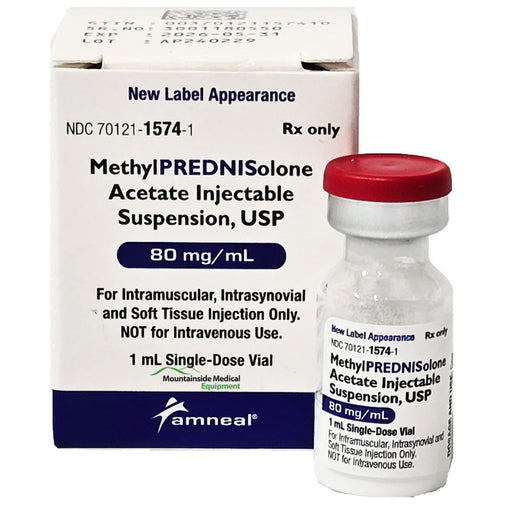
Methylprednisolone Acetate Injection 80 mg/1 mL Single-dose Vial (Rx)
Original price $ 59.95Current price $ 34.95🔒 Medical License Required -
 Sale 35%
Dexamethasone Sodium Phosphate Injection 4 mg Single-Dose Vials 1 mL x 25/Tray (RX)
Original price $ 79.95Current price $ 52.00🔒 Medical License Required -

 Sale 39%
Prednisone Tablets 2.5 mg by Endo USA 100 Count (RX)
Original price $ 18.95Current price $ 11.50🔒 Medical License Required -
 Sale 42%
Prednisone Tablets 5 mg by Cadista 100 Count (RX)
Original price $ 59.95Current price $ 34.951 review🔒 Medical License Required -
 Sale 28%
Methylprednisolone Injection 80 mg Multiple-Dose Vial 5 mL (RX)
Original price $ 179.95Current price $ 129.00🔒 Medical License Required -
 Sale 38%
Prednisone Tablets 5 mg (Prednisone Oral Tablets) 100 Count (RX)
Original price $ 28.95Current price $ 17.85🔒 Medical License Required -

 Sale 37%
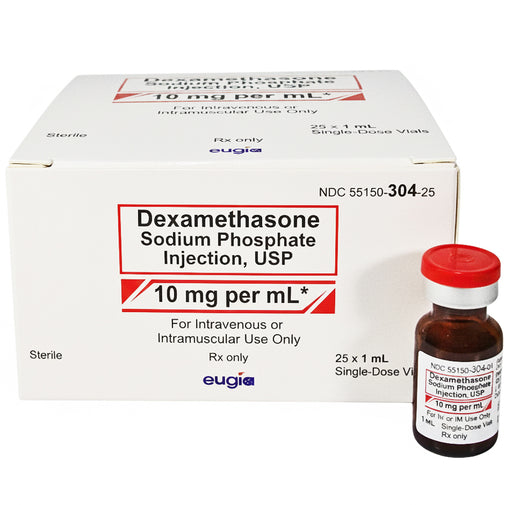
Dexamethasone Sodium Phosphate 10 mg Per mL Single-Dose 1 mL x 25/Box (RX)
Original price $ 99.95Current price $ 63.00🔒 Medical License Required -

 This item is sold out
-
 Sale 41%
Methylprednisolone 4 mg Tablets by Zydus Lifesciences 100 Count (RX)
Original price $ 46.95Current price $ 27.80🔒 Medical License Required -
 Sale 21%
Methylprednisolone Acetate Injection 200 mg/5 mL (40 mg/mL) Multiple-Dose Vial 5 mL (Rx)
Original price $ 99.95Current price $ 79.00🔒 Medical License Required -

 Sale 23%
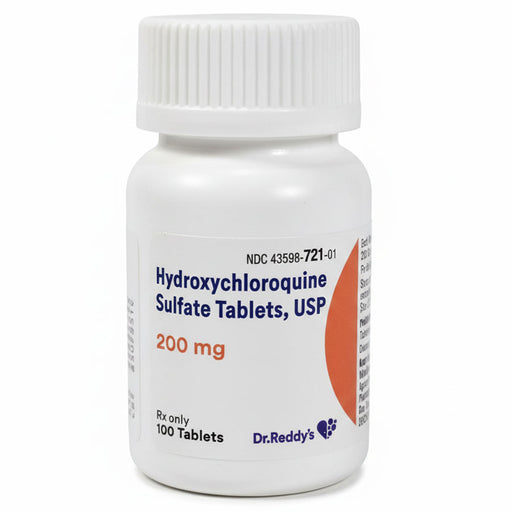
Hydroxychloroquine Tablets 200 mg by Dr. Reddy 100 Count (Rx)
Original price $ 69.95Current price $ 54.00🔒 Medical License Required -
 Sale 34%
Dexamethasone Oral Solution 0.5 mg/5 mL by Hikma 500 mL (RX)
Original price $ 54.95Current price $ 36.00🔒 Medical License Required -

 Sale
Sale
Prednisone Intensol Oral Solution (Concentrate) Steroid Medication 5mg/mL Bottle 30mL (RX)
$ 239.00🔒 Medical License Required -

 Sale 18%
Chloroquine Phosphate Tablets 500 mg, 25 Count
Original price $ 459.95Current price $ 376.00🔒 Medical License Required -
 Sale 26%
Prednisone Oral Solution 5 mg per 5 mL, 120 mL Bottle
Original price $ 179.95Current price $ 134.00🔒 Medical License Required -
 Sale 24%
Griseofulvin Oral Suspension Liquid 125 mg/5 mL (microsize) 120 mL (RX)
Original price $ 109.95Current price $ 84.00🔒 Medical License Required -

 Sale 29%
Depo Medrol for Injection 80 mg, 5 mL x 25/Pack
 Original price $ 5,295.00Current price $ 3,750.00🔒 Medical License Required


People Also Searched For
Understanding Lupus Medications
Lupus medications refer to the various drugs used to treat systemic lupus erythematosus (SLE), an autoimmune disease. While there is no cure for lupus, these medications help control the overactive immune response and reduce inflammation, thereby managing symptoms and preventing flares. Treatment is individualized – a combination of different drugs is often used based on the severity of the disease and which organs are affected. Below are the common categories of medications used to treat lupus.
-
Nonsteroidal Anti-Inflammatory Drugs (NSAIDs): Over-the-counter pain relievers like ibuprofen, naproxen, or prescription NSAIDs can help reduce joint pain, muscle aches, and inflammation in people with mild lupus. NSAIDs don’t alter the course of lupus, but they can relieve swelling, fever, and pain. They are often used for milder symptoms or in combination with other medications. (Examples include ibuprofen (Advil), naproxen (Aleve), or indomethacin.)
-
Antimalarial Drugs: Hydroxychloroquine (Plaquenil) – originally a malaria medication – is a cornerstone of long-term lupus treatment. Antimalarials like hydroxychloroquine help reduce inflammation and auto-immune activity, which in turn can alleviate joint pain, skin rashes, and fatigue. Importantly, they also help prevent lupus flares (periods of increased disease activity) and may protect against organ damage over time. Most lupus patients are advised to take hydroxychloroquine daily, as it’s effective for mild to moderate disease and has relatively few serious side effects. (If someone cannot take hydroxychloroquine, a related drug like chloroquine may be used.
-
Corticosteroids: Drugs like prednisone (and other steroids) are very potent anti-inflammatory and immunosuppressive medications. They quickly suppress inflammation and are often used when lupus symptoms flare up or when vital organs (like the kidneys, heart, or lungs) are involved. In severe lupus cases (for example, lupus nephritis affecting the kidneys), high doses of corticosteroids can be life-saving by rapidly controlling disease activity.. However, because steroids have many potential side effects (such as weight gain, high blood pressure, mood changes, osteoporosis, and increased infection risk), doctors aim to use the lowest effective dose and taper off steroids when possible. Steroid medications can be taken as oral pills, intravenous (IV) infusions for acute flares, or even as topical creams for lupus skin rashes.
-
Immunosuppressive Medications: These are drugs that curb the immune system’s activity more directly, and they are used for moderate to severe lupus, especially when internal organs are affected. By suppressing the overactive immune response, these medications help prevent ongoing damage to tissues. Common immunosuppressants for lupus include methotrexate, azathioprine (Imuran), mycophenolate mofetil (CellCept), cyclophosphamide, and others. For instance, cyclophosphamide or mycophenolate is often used in lupus nephritis (kidney inflammation), and methotrexate can help with joint and skin symptoms. These drugs can be very effective steroid-sparing agents (meaning they reduce the need for high-dose steroids), but they also come with risks, like increased susceptibility to infections. Doctors will tailor these treatments to the patient’s specific needs and monitor for side effects regularly.
-
Biologic Therapies (Monoclonal Antibodies): Biologics are newer, targeted treatments for lupus. The first FDA-approved biologic for lupus was belimumab (Benlysta), approved in 2011. Belimumab is a monoclonal antibody that targets a protein called BLyS/BAFF in the immune system, which helps reduce the activity of B-cells (a type of white blood cell involved in lupus). By blocking this protein, belimumab can decrease lupus disease activity and, in some patients, allow for lower steroid doses. More recently, another biologic named anifrolumab (Saphnelo) was approved (in 2021) – it targets interferon receptors to dampen an important inflammatory pathway in lupus. Biologic therapies are typically used in people with moderate or severe lupus that isn’t well-controlled by the conventional drugs above. They are given by IV infusion or injection. (Like all medications that affect the immune system, biologics can have side effects such as risk of infection, so their use is carefully monitored by rheumatologists.)
Lupus medications include a range of drug types that work together to control the disease. Mild lupus symptoms might be managed with NSAIDs and hydroxychloroquine, while more serious cases require steroids and stronger immune-suppressing drugs. Many people with lupus will take hydroxychloroquine long-term, and use other medications as needed to treat flares or organ-threatening manifestations. The goal of these treatments is to reduce inflammation, prevent organ damage, and improve quality of life. Always, the exact medication plan is personalized – doctors (usually rheumatologists) will choose the safest and most effective combination for each patient’s situation. Continuing research is bringing new therapies (like biologics) that offer hope for even better lupus management in the future.