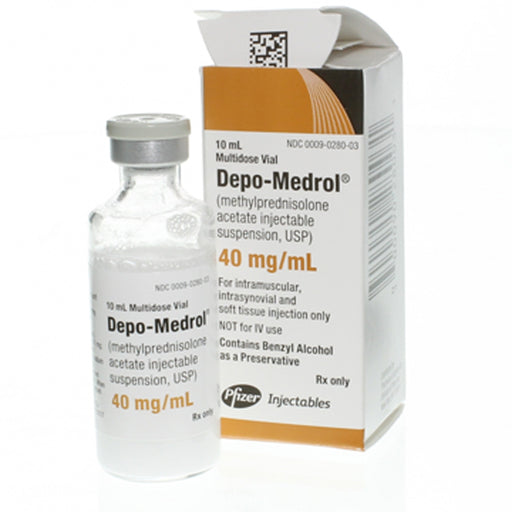
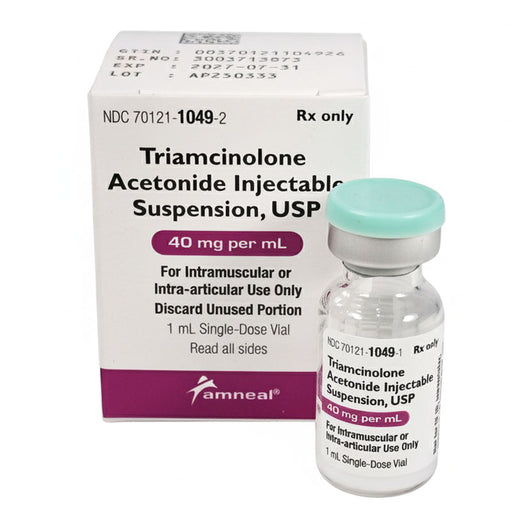
Dexamethasone Injection is a powerful corticosteroid medication widely used in hospitals and clinics to rapidly reduce inflammation and treat a range of serious conditions, including severe allergies, asthma attacks, and autoimmune disorders. Physicians often rely on Dexamethasone Injection for its fast-acting properties, making it essential in emergency situations where immediate relief from swelling, pain, or allergic reactions is needed. Dexamethasone Injection can also play a critical role in managing symptoms associated with certain cancers, COVID-19 complications, and adrenal insufficiency. With its proven safety and effectiveness, Dexamethasone Injection remains a cornerstone in modern medicine for managing acute and chronic inflammatory conditions, trusted by healthcare professionals worldwide.
What It Is Used For
Dexamethasone Injection is employed in the hospital and outpatient setting for:
-
Acute inflammatory and allergic conditions (e.g., asthma, anaphylaxis, severe skin reactions)
-
Cerebral edema associated with tumors, trauma, or neurosurgery
-
Septic shock and adjunctive treatment in severe infections (COVID-19/ARDS under guideline direction; see below)
-
Endocrine disorders (e.g., adrenocortical insufficiency, congenital adrenal hyperplasia)
-
Rheumatic diseases (e.g., rheumatoid arthritis, lupus)
-
Hematologic or neoplastic conditions (e.g., leukemia, lymphoma, severe thrombocytopenias)
- Anti-emetic in chemotherapy
-
Other severe or critical conditions where rapid control of inflammation is needed
Dosage and Administration
-
Adults: Usual IV/IM dose: 0.5 mg to 9 mg per day in divided doses, depending on disease severity and response.
-
For COVID-19 (hospitalized, on oxygen/ventilation): CDC/NIH recommend 6 mg daily for up to 10 days.
-
Cerebral edema (adults): Initial 10 mg IV, then 4 mg every 6 hours (adjust as needed).
- Dosage and frequency always individualized by prescriber.
-
Children: Dose based on body weight and indication.
Always supplied and administered by trained healthcare professionals.
CDC Guidelines & Latest Recommendations
-
COVID-19: CDC/NIH/WHO endorse dexamethasone (IV or oral) for hospitalized patients requiring supplemental oxygen or ventilation.
- Sepsis & ARDS: Corticosteroids are used as adjunctive therapy per Surviving Sepsis Campaign.
Details & Features
-
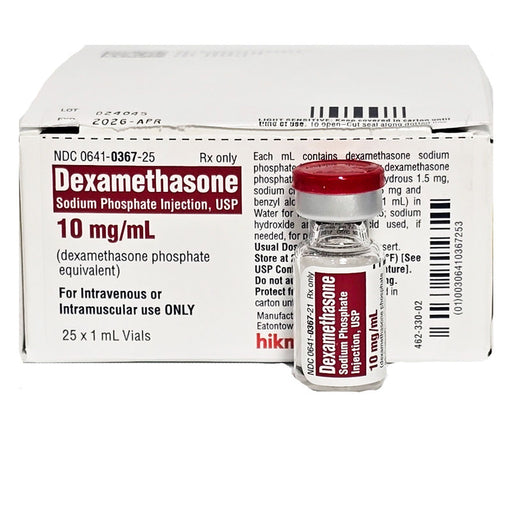
Dosage Strength: 20 mg dexamethasone sodium phosphate per 5 mL vial (4 mg/mL)
-
Pack Size: 10 vials x 5 mL (Total: 100 mL)
-
Multi-dose vials with antimicrobial preservatives
- Clear, colorless, sterile solution
- For IV or IM use only — NOT for subcutaneous or epidural injection
- Compatible with most IV fluids
- Latex-free, pyrogen-free vials
- Manufactured by Hikma Injectables—global pharmaceutical leader
-
Store at 20°C to 25°C (68-77°F); protect from light
Mechanism of Action
Dexamethasone is a synthetic glucocorticoid that:
- Suppresses inflammatory and immune responses by inhibiting leukocyte migration, decreasing capillary permeability, and suppressing cytokine production.
- Reduces tissue response to inflammation and modulates immune function.
- Produces anti-inflammatory, immunosuppressive, and anti-edema effects.
Directions for Use
-
Administration: Only by trained medical personnel.
-
Inspect solution for particles/discoloration before use.
-
Draw up prescribed dose using aseptic technique; inject IV or IM per specific indication.
-
Label vials when first accessed; follow institutional and USP guidelines for multi-dose vial storage and expiration.
Warnings & Precautions
- Not for use in patients with systemic fungal infections, live vaccines, or known hypersensitivity to dexamethasone.
- Prolonged use increases risk of:
- Immunosuppression & secondary infection
- Hyperglycemia, hypertension, fluid retention, Cushingoid features, peptic ulcers
- Psychiatric disturbances
- HPA axis suppression and adrenal crisis if withdrawn abruptly after high doses or prolonged therapy
- Use in pregnancy, lactation, and pediatrics only if clearly necessary and under strict physician control.
- Monitor closely for infection, blood sugar, electrolytes, and blood pressure in at-risk patients.
-
Do not mix with other medications in the same syringe unless confirmed compatible.
Possible Side Effects
Common:
- Elevated blood sugar
- Insomnia
- Increased appetite, weight gain
- Mood changes/anxiety
Serious:
- Immunosuppression → risk of bacterial, viral, or fungal infection
- Gastric or duodenal ulcer, GI bleeding
- Osteoporosis (with prolonged use)
- Myopathy, muscle weakness
- Adrenal suppression/crisis on abrupt discontinuation
- Rare: anaphylaxis, seizures, arrhythmias
Seek immediate medical help for:
- Signs of severe infection (fever, chills, sore throat)
- Swelling, rapid weight gain, or vision changes
- Unusual thoughts, severe mood swings
Reliable, multiple-dose corticosteroid injection for acute, critical, and emergency care in hospitals and clinics.
Buy Dexamethasone Injection (Sodium Phosphate) 20 mg/5 mL by Hikma Injectables (10-Pack)
 Skip to content