
Vacutainer Tubes to test blood
Vacutainer Tubes
Vacutainer tubes (often called evacuated blood collection tubes) are the standard devices used to draw and transport blood specimens for laboratory testing. Each tube is a sterile glass or plastic container sealed with a colored rubber stopper under vacuum. When the stopper’s seal is pierced by a blood-drawing needle, the internal vacuum automatically pulls in a fixed volume of blood. This closed-tube system has largely replaced older syringe-and-tube methods, because the vacuum ensures a precise blood volume and minimizes handling.
The colored stopper on a Vacutainer indicates the tube’s additive (if any). Different colors correspond to different preservatives or reagents for various tests. For example, a lavender-top tube contains EDTA anticoagulant for whole blood (hematology) tests, a light-blue tube contains sodium citrate for coagulation studies, and a red or gold stopper (with clot activator) yields clotted blood (serum) for chemistry panels. Because each tube’s vacuum is calibrated to its additive, the correct blood-to-additive ratio is guaranteed.
In practice, Vacutainers are used with a needle holder to collect multiple samples in one venipuncture. After drawing, tubes are capped and gently inverted (if they have anticoagulant) before laboratory processing. The one-time-use, closed design reduces contamination or hemolysis risk. Today, vacutainer tubes are ubiquitous in hospitals and clinics for routine blood tests – from complete blood counts to metabolic panels – providing a safe, standardized way to collect blood.
The name “Vacutainer” comes from BD (Becton Dickinson), which popularized this closed vacuum system, but the term is now used generically for any evacuated collection tube. These tubes are color-coded by stopper (cap) color to indicate the tube’s additive (anticoagulant, clot activator, etc.) or test type. For example, common Vacutainer colors include red (plain tube, no additive, for serum), lavender/purple (EDTA anticoagulant, for hematology like CBC), green (heparin anticoagulant, for plasma chemistry), gray (fluoride/oxalate, for glucose testing), and blue (sodium citrate, for coagulation assays). The stopper color (and often a printed label) ensures the correct additive and volume are used for each laboratory test. In short, Vacutainer tubes provide a safe, standardized way to collect and transport blood samples for virtually all routine blood tests.
Types of Vacutainer Tubes
Vacutainer tubes are specialized collection tubes used in phlebotomy to collect and store blood samples for testing and analysis. Each type of tube is designed for specific tests and contains different additives. Here are some common types of Vacutainer tubes:
Red Top: No additives. Used for serum collection in chemistry tests.
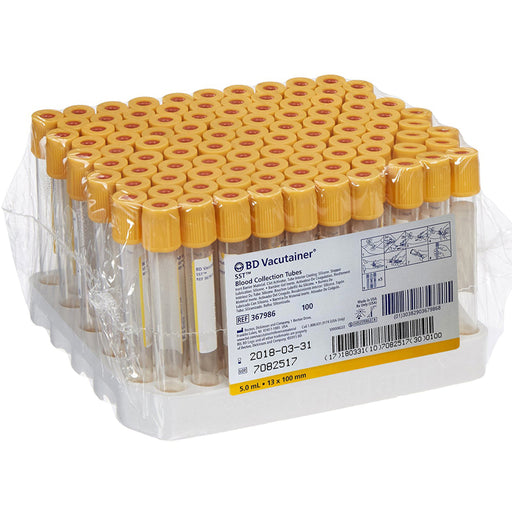
Gold or Tiger Top (SST): Contains gel for serum separation and a clot activator. Used for chemistry panels and serology tests.
Light Blue Top: Contains sodium citrate as an anticoagulant. Used for coagulation studies, like PT and APTT.
Green Top: Contains heparin (either sodium or lithium). Used for plasma or whole blood determinations in chemistry.
Lavender or Purple Top: Contains EDTA as an anticoagulant. Used for hematology tests, like complete blood counts (CBC).
Gray Top: Contains potassium oxalate as an anticoagulant and sodium fluoride as a glycolytic inhibitor. Used for glucose and lactate testing.
Pink Top: Contains EDTA. Similar to the lavender tube but used specifically for blood bank tests.
Yellow Top (SPS): Contains sodium polyanethol sulfonate. Used for blood cultures.
Yellow Top (ACD): Contains acid citrate dextrose. Used for HLA phenotyping and DNA testing.
Each tube is color-coded based on the additives it contains, and it is crucial to use the appropriate tube for the test being conducted to ensure accurate and reliable results.
Vacutainer tubes are sterile, evacuated glass or plastic tubes used to draw blood samples. They are single-use and supplied by needle holders in a closed system (minimizing exposure risk). Each tube’s stopper color indicates its additive (anticoagulants, clot activators, gels, etc.) tailored to specific tests. After collection, the tubes are capped and can be stored or sent for analysis of serum, plasma or whole blood. “Vacutainer” was originally a BD brand name for these tubes, but the term is commonly used for any evacuated blood collection tube of this type.
-
 Sale 22%
Original price $ 79.95Current price $ 62.00
Sale 22%
Original price $ 79.95Current price $ 62.00BD Vacutainer SST Blood Collection Tubes 5 mL 13mm x 100mm, 100/box
BDBD 367986 Vacutainer SST Blood Collection Tubes add efficiency and safety to laboratory workflow. The prepared plastic tubes are used for blood s...
View full details
Vacutainer Tubes
Vacutainer tubes (often called evacuated blood collection tubes) are the standard devices used to draw and transport blood specimens for laboratory testing. Each tube is a sterile glass or plastic container sealed with a colored rubber stopper under vacuum. When the stopper’s seal is pierced by a blood-drawing needle, the internal vacuum automatically pulls in a fixed volume of blood. This closed-tube system has largely replaced older syringe-and-tube methods, because the vacuum ensures a precise blood volume and minimizes handling.
The colored stopper on a Vacutainer indicates the tube’s additive (if any). Different colors correspond to different preservatives or reagents for various tests. For example, a lavender-top tube contains EDTA anticoagulant for whole blood (hematology) tests, a light-blue tube contains sodium citrate for coagulation studies, and a red or gold stopper (with clot activator) yields clotted blood (serum) for chemistry panels. Because each tube’s vacuum is calibrated to its additive, the correct blood-to-additive ratio is guaranteed.
In practice, Vacutainers are used with a needle holder to collect multiple samples in one venipuncture. After drawing, tubes are capped and gently inverted (if they have anticoagulant) before laboratory processing. The one-time-use, closed design reduces contamination or hemolysis risk. Today, vacutainer tubes are ubiquitous in hospitals and clinics for routine blood tests – from complete blood counts to metabolic panels – providing a safe, standardized way to collect blood.
The name “Vacutainer” comes from BD (Becton Dickinson), which popularized this closed vacuum system, but the term is now used generically for any evacuated collection tube. These tubes are color-coded by stopper (cap) color to indicate the tube’s additive (anticoagulant, clot activator, etc.) or test type. For example, common Vacutainer colors include red (plain tube, no additive, for serum), lavender/purple (EDTA anticoagulant, for hematology like CBC), green (heparin anticoagulant, for plasma chemistry), gray (fluoride/oxalate, for glucose testing), and blue (sodium citrate, for coagulation assays). The stopper color (and often a printed label) ensures the correct additive and volume are used for each laboratory test. In short, Vacutainer tubes provide a safe, standardized way to collect and transport blood samples for virtually all routine blood tests.
Types of Vacutainer Tubes
Vacutainer tubes are specialized collection tubes used in phlebotomy to collect and store blood samples for testing and analysis. Each type of tube is designed for specific tests and contains different additives. Here are some common types of Vacutainer tubes:
Red Top: No additives. Used for serum collection in chemistry tests.
Gold or Tiger Top (SST): Contains gel for serum separation and a clot activator. Used for chemistry panels and serology tests.
Light Blue Top: Contains sodium citrate as an anticoagulant. Used for coagulation studies, like PT and APTT.
Green Top: Contains heparin (either sodium or lithium). Used for plasma or whole blood determinations in chemistry.
Lavender or Purple Top: Contains EDTA as an anticoagulant. Used for hematology tests, like complete blood counts (CBC).
Gray Top: Contains potassium oxalate as an anticoagulant and sodium fluoride as a glycolytic inhibitor. Used for glucose and lactate testing.
Pink Top: Contains EDTA. Similar to the lavender tube but used specifically for blood bank tests.
Yellow Top (SPS): Contains sodium polyanethol sulfonate. Used for blood cultures.
Yellow Top (ACD): Contains acid citrate dextrose. Used for HLA phenotyping and DNA testing.
Each tube is color-coded based on the additives it contains, and it is crucial to use the appropriate tube for the test being conducted to ensure accurate and reliable results.
Vacutainer tubes are sterile, evacuated glass or plastic tubes used to draw blood samples. They are single-use and supplied by needle holders in a closed system (minimizing exposure risk). Each tube’s stopper color indicates its additive (anticoagulants, clot activators, gels, etc.) tailored to specific tests. After collection, the tubes are capped and can be stored or sent for analysis of serum, plasma or whole blood. “Vacutainer” was originally a BD brand name for these tubes, but the term is commonly used for any evacuated blood collection tube of this type.