
Filters
Availability
Price
$
-
$
$0
$2999
Collection
Tags
- Antibacterial (2)
- Antibacterial Injection (2)
- antibiotic for resistant bacteria (1)
- Bacterial endocarditis antibiotics (1)
- Best injectable antibiotics (1)
- Bone and joint infection (1)
- C. difficile (1)
- doctor-only (10)
- Gram-positive bacterial infection (1)
- Hospital-grade IV antibiotics (1)
- ICU antibiotic (1)
- IV infusion vancomycin (1)
- MRSA (4)
- MRSA infection (1)
- MRSA infection treatment (1)
- MRSA Medicine (1)
- Preservative-free vancomycin (1)
- Sepsis treatment medication (1)
- Treat bacterial infections (7)
- Treat Endocarditis (1)
- Treat MRSA (3)
- Treat Septicemia (1)
- Vancomycin (7)
- Vancomycin for C. difficile (1)
- Vancomycin Hydrochloride (9)
- Vancomycin Hydrochloride Injection (2)
- Vancomycin IV antibiotic (1)
- Vancomycin powder for injection (1)
- Colitis Treatment (2)
- Glycopeptide Antibiotics (1)
- Treat Colitis (2)
- Treat ulcerative colitis (1)
- Ulcerative Colitis Treatment (1)
- Bacterial Infections (6)
- Methicillin-Resistant Staphylococcus Aureus (3)
- pneumonia (2)
- Resistant Strains (2)
- Treat Pneumonia (2)
- Treatment of bacterial infections (4)
- Cell Wall Synthesis (1)
- Skin Infections (1)
- Treat skin infections (1)
- Antibiotic Injection (2)
- Antibiotic Medicine (3)
- Gram-positive infections (1)
- Inhibit bacterial cell wall synthesis (1)
- Life-threatening infections (1)
- Methicillin-resistant Staphylococcus aureus (MRSA) (1)
- Nephrotoxicity (1)
- Ototoxicity (1)
- Compounding (1)
- Gram-Positive Bacteria (1)
- Medisca (1)
- Pharmacy Compounding (1)
- Antibiotic Medication (2)
- Bacterial cell wall synthesis (1)
- C. diff Infections (1)
- Clostridium difficile (2)
- Gastrointestinal health (1)
- Gastrointestinal tract (1)
- Resistant strains (1)
- bacterial endocarditis (1)
- broad-spectrum antibiotics (1)
- hospital pharmacy (1)
- ICU antibiotics (1)
- intravenous antibiotics (1)
- MRSA treatment (2)
- multi-drug resistant infection (1)
- pneumonia antibiotics (1)
- sepsis antibiotics (1)
- septicemia treatment (1)
- serious bacterial infection (1)
- vancomycin for hospital (1)
- Vancomycin injection (1)
- vancomycin IV (1)
- 72078-0065-99 (1)
- best IV antibiotic for sepsis (1)
- Enterococcus faecalis (1)
- hospital antibiotics injections (1)
- IV vancomycin for MRSA (1)
- Mylan vancomycin bulk wholesale (1)
- Staphylococcus epidermidis (1)
- sterile powder antibiotic injection (1)
- Treating resistant staph infections (1)
- Vancomycin 1.75 g (1)
- vancomycin 1.75g price (1)
- Vancomycin Mylan (1)
Vancomycin Injection
Vancomycin Injection (Vancomycin Hydrochloride, IV)
Vancomycin is a glycopeptide antibiotic supplied for intravenous injection/infusion. It is indicated for serious Gram-positive infections – especially methicillin-resistant Staphylococcus aureus (MRSA) – when susceptible to vancomycin. Common uses include bacteremia/sepsis, infective endocarditis, pneumonia, osteomyelitis, and complicated skin/soft-tissue infections caused by Staphylococcus, Streptococcus, and other susceptible organisms. (Vancomycin oral formulations exist for C. difficile colitis, but the injection form is for systemic IV use only.)
- Formulation: Vancomycin Injection typically comes either as a sterile powder (500 mg or 1 g per vial) that must be reconstituted, or as ready-to-use IV infusion bags. For example, single-dose IV bags are available containing 500 mg in 100 mL, 1 g in 200 mL, up to 2 g in 400 mL of diluent. Vials contain vancomycin HCl powder and are reconstituted with sterile water before dilution. The final infusion solutions are generally isotonic (often in 5% dextrose) and must be administered within recommended concentrations.
- Indications: Vancomycin Injection is reserved for proven or strongly suspected serious infections caused by Gram-positive bacteria. This includes: Staphylococcal infections (e.g. MRSA septicemia, endocarditis, skin/soft-tissue infections) and certain Streptococcal or Enterococcal infections (often endocarditis, usually in combination with an aminoglycoside). It is often used in penicillin-allergic patients or when first-line beta-lactams fail. The label notes vancomycin should be used only when the infecting organism is known or strongly suspected to be susceptible (to reduce resistance).
Dosage and Administration
- Route: Intravenous infusion only. Vancomycin is irritating to tissue – giving it by any route other than IV infusion is contraindicated. Do not administer orally or intramuscularly. (IM injections are extremely painful and can cause severe tissue damage and necrosis.) To avoid IV site irritation, use a large vein or central line if possible.
- Infusion Rate: Administer each dose by slow IV infusion. Recommended: infuse over at least 60 minutes (or longer) for doses of 1 g or less. Some guidelines suggest not exceeding 10 mg/minute (e.g. 1 g over 100 minutes) to minimize infusion-related reactions. Rapid bolus or overly concentrated infusions must be avoided to prevent “Red Man Syndrome” (a histamine-mediated reaction). If a reaction occurs (flushing, itching, hypotension), stop the infusion until symptoms resolve.
- Adult Dosage: Typical total daily dose is ~2 grams/day in divided doses. For example, 500 mg every 6 hours or 1 g every 12 hours. The initial total daily dose should be at least 15–20 mg/kg of body weight.
- Pediatric Dosage: In children (≥1 month old), the dose is weight-based. The usual regimen is 10–15 mg/kg per dose every 6–8 hours. (Neonates and infants under 1 month have specific dosing schedules per age and weight.) Maximum total daily dose is typically 60–80 mg/kg or 2 g/day, whichever is less. Children require the same slow infusion precautions as adults.
- Renal Impairment: Because vancomycin is cleared by the kidneys, dosage and frequency should be adjusted in renal insufficiency. Trough serum vancomycin levels are often monitored in prolonged therapy to avoid toxicity. (Consult full prescribing information or a pharmacist for specific renal dosing.)
- Preparation: Reconstitute vials with sterile water (usually to 50–100 mg/mL), then dilute in compatible IV fluid (e.g. D5W or NS). The final concentration should generally not exceed 5–10 mg/mL except in fluid-restricted patients. Prefilled bags are already diluted. Use aseptic technique; do not mix vancomycin with IV blood products or other drugs in the same line.
Side Effects and Precautions
- Infusion-Related Reactions: The most characteristic reaction is “Red Man Syndrome”: flushing, rash (especially of the upper body), and hypotension due to histamine release when vancomycin is infused too quickly. This is not a true allergy, and is prevented by slowing the infusion rate. Other infusion reactions may include fever, chills, and, rarely, anaphylactoid signs (wheezing, shock). To lessen risk, always infuse vancomycin over ≥60 minutes and premedicate with antihistamines if needed in patients with prior reactions.
- Nephrotoxicity: Vancomycin can cause acute kidney injury (interstitial nephritis or tubular necrosis) especially at high levels or with concurrent nephrotoxins. Renal function (serum creatinine, BUN) should be monitored during therapy. Avoid other nephrotoxic drugs (e.g. aminoglycosides, NSAIDs) when possible. If renal function declines, adjust dose interval or dose.
- Ototoxicity: High levels of vancomycin can damage the inner ear. Hearing impairment (tinnitus, hearing loss) has been reported. This risk is higher with pre-existing hearing loss, high trough concentrations, prolonged therapy, or concurrent ototoxic drugs (e.g. gentamicin, loop diuretics). Monitor for tinnitus or vertigo, particularly in patients on high doses or prolonged courses.
- Injection Site Reactions: Phlebitis/thrombophlebitis is common with IV administration. Rotating infusion sites helps. Vancomycin is very irritating; extravasation or IM injection causes severe pain, inflammation, and tissue necrosis. Use a secure IV access and stop infusion if leakage occurs.
- Hypersensitivity: Anaphylaxis to vancomycin is rare but possible. Infusion may cause urticaria or SJS/TEN rash. If signs of severe hypersensitivity (rash, difficulty breathing, swelling) occur, discontinue immediately. Vancomycin is contraindicated in patients with known hypersensitivity.
- Other: Reductions in blood cell counts (neutropenia, eosinophilia, thrombocytopenia) may occur, especially with long courses. Clostridioides difficile colitis can result from any broad antibiotic use; evaluate if diarrhea develops.
- Drug Interactions: Concomitant use of other ototoxic/nephrotoxic drugs (aminoglycosides, amphotericin B, cisplatin, etc.) increases toxicity risk. Concurrent intravenous anesthetics can exacerbate “red man” reactions. Avoid potent vasodilators or PDE-5 inhibitors with vancomycin as hypotension could worsen.
Pregnancy, Lactation and Special Populations
- Pregnancy: This formulation of vancomycin contains polyethylene glycol 400 and N-acetyl-alanine excipients, which caused fetal malformations in animal studies. The label carries a warning to avoid use in the first and second trimesters if possible. Vancomycin itself does not cross the placenta well, but caution is still advised. Consultation with OB/GYN is recommended.
- Lactation: Vancomycin is excreted in breast milk; caution nursing.
- Pediatrics: Use as above for children ≥1 month old. Neonates (<1 month) have special dosing regimens.
- Resistance: To prevent resistance, vancomycin should only be used for proven or strongly suspected susceptible infections. It has no activity against Gram-negative organisms.
Storage and Handling
Vancomycin injection should be stored at controlled room temperature (typically 20–25 °C). Do not freeze. Chemically, it is stable as prepared solutions for a limited time (check product label for “how supplied/storage”). Use only sterile technique when preparing. Discard any unused portion (the drug is single-use and not preservative-containing). Protect the solution from light if required by container instructions.
Vancomycin injection (vancomycin HCl) is a potent IV antibiotic for serious Gram-positive infections (notably MRSA). It must be given by slow IV infusion using properly reconstituted/diluted sterile solution. Standard adult dosing is about 2 g/day (divided doses) with pediatric doses ~10–15 mg/kg every 6–8 hours. Key precautions include infusing over ≥60 minutes to avoid “red man” reactions, monitoring renal function and drug levels, and adjusting for kidney impairment. Phlebitis and tissue necrosis can occur if infused improperly. Used properly, vancomycin injection is a vital therapy for life-threatening staphylococcal and related infections.
-
 Sale 29%
Original price $ 84.95Current price $ 59.95
Sale 29%
Original price $ 84.95Current price $ 59.95Vancomycin Injection 1 gram Vial, Preservative Free 10/Box (RX)
No reviewsTrusted IV Antibiotic for MRSA, Sepsis, and Severe Bacterial Infections Vancomycin Hydrochloride Injection 1g, Preservative-Free Vial by Slate Run ...
View full details🔒 Medical License Required -
 Sale 9%
Original price $ 54.95Current price $ 49.95
Sale 9%
Original price $ 54.95Current price $ 49.95Vancomycin Injection 500 mg Antibiotic by Slate Run 10/Pack (RX)
No reviewsVancomycin HCL Injection is used to treat severe bacterial infections, such as infections of the blood, bone, skin, and lungs. It is an antibiotic ...
View full details🔒 Medical License Required -
 Sale 26%
Original price $ 199.95Current price $ 147.00
Sale 26%
Original price $ 199.95Current price $ 147.00Vancomycin Injection 500 mg Vials 10/Box by Pfizer (Rx)
No reviewsVancomycin Hydrochloride for Injection 500 mg Vials is an antibiotic used to treat severe bacterial infections caused by Gram-positive organisms, i...
View full details🔒 Medical License Required -
 Sale 20%
Original price $ 225.00Current price $ 179.95
Sale 20%
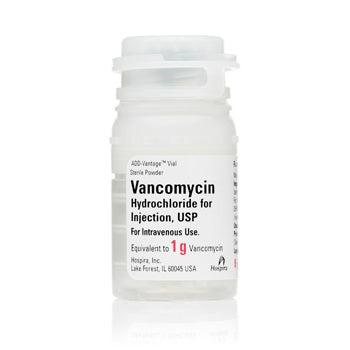
Original price $ 225.00Current price $ 179.95Vancomycin Injection 1 Gram ADD-Vantage Vials, 10/Box by Pfizer (Rx)
No reviewsVancomycin Hydrochloride 1 Gram Injection is an antibiotic used to treat serious bacterial infections, particularly those caused by Gram-positive b...
View full details🔒 Medical License Required -
 Sale 21%
Original price $ 149.95Current price $ 119.00
Sale 21%
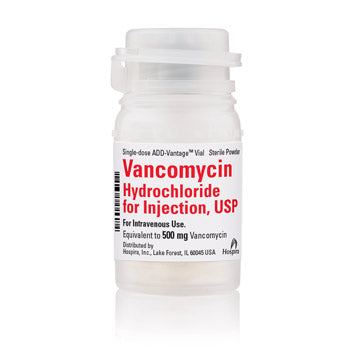
Original price $ 149.95Current price $ 119.00Vancomycin Hydrochloride Injection 500 mL Single-dose ADD-Vantage Vials, 10/Box
No reviewsVancomycin Hydrochloride Injection is an antibiotic used to treat severe bacterial infections, including methicillin-resistant Staphylococcus aureu...
View full details🔒 Medical License Required -
 Sale 25%
Original price $ 179.95Current price $ 135.00
Sale 25%
Original price $ 179.95Current price $ 135.00Vancomycin Injection Pharmacy Bulk Glass Vial 5 Gram by Pfizer (RX)
No reviewsVancomycin Hydrochloride Injection is an antibiotic used to treat severe bacterial infections, especially those caused by methicillin-resistant Sta...
View full details🔒 Medical License Required -
 Sale
$ 250.00
Sale
$ 250.00Vancomycin Hydrochloride USP For Compounding (API)
No reviewsVancomycin Hydrochloride USP for Compounding (API) is an active pharmaceutical ingredient used to formulate customized medications for treating ser...
View full details🔒 Medical License Required -
 Sale 31%
Original price $ 69.95Current price $ 47.95
Sale 31%
Original price $ 69.95Current price $ 47.95Vancomycin Hydrochloride Capsules 125 mg USP 20 Count (RX)
No reviewsVancomycin Hydrochloride Capsules 125 mg are an antibiotic used to treat serious bacterial infections like Clostridium difficile-associated diarrhe...
View full details🔒 Medical License Required -
 Sale 28%
Original price $ 68.95Current price $ 49.95
Sale 28%
Original price $ 68.95Current price $ 49.95Vancomycin Antibiotic Injection 1 gram Per Vial Single-Dose, 10/Box (RX)
No reviewsPowerful Treatment for Serious Bacterial Infections – Hospital-Grade Quality and Purity Vancomycin Antibiotic Injection by Meitheal Pharmaceuticals...
View full details🔒 Medical License Required -
 Sale 30%
Original price $ 759.95Current price $ 535.00
Sale 30%
Original price $ 759.95Current price $ 535.00Vancomycin Hydrochloride Injection 1.75 g per Vial, Single-Dose Powder Vials 50 mL (RX)
No reviewsDiscover one of the most trusted hospital-grade antibiotics for fighting life-threatening infections. Vancomycin Hydrochloride Injection is a power...
View full details🔒 Medical License Required


People Also Searched For
Vancomycin Injection to doctor-only
Vancomycin Injection to Vancomycin Hydrochloride
Vancomycin Injection to Treat bacterial infections
Antibiotic Medications
MRSA Treatments
Bacterial Infection Medicines, Antibiotics & Drugs
Injectable Medications
Antibacterial Medicines
Infection Control Products
Pfizer Injectables
Vancomycin Injection (Vancomycin Hydrochloride, IV)
Vancomycin is a glycopeptide antibiotic supplied for intravenous injection/infusion. It is indicated for serious Gram-positive infections – especially methicillin-resistant Staphylococcus aureus (MRSA) – when susceptible to vancomycin. Common uses include bacteremia/sepsis, infective endocarditis, pneumonia, osteomyelitis, and complicated skin/soft-tissue infections caused by Staphylococcus, Streptococcus, and other susceptible organisms. (Vancomycin oral formulations exist for C. difficile colitis, but the injection form is for systemic IV use only.)
- Formulation: Vancomycin Injection typically comes either as a sterile powder (500 mg or 1 g per vial) that must be reconstituted, or as ready-to-use IV infusion bags. For example, single-dose IV bags are available containing 500 mg in 100 mL, 1 g in 200 mL, up to 2 g in 400 mL of diluent. Vials contain vancomycin HCl powder and are reconstituted with sterile water before dilution. The final infusion solutions are generally isotonic (often in 5% dextrose) and must be administered within recommended concentrations.
- Indications: Vancomycin Injection is reserved for proven or strongly suspected serious infections caused by Gram-positive bacteria. This includes: Staphylococcal infections (e.g. MRSA septicemia, endocarditis, skin/soft-tissue infections) and certain Streptococcal or Enterococcal infections (often endocarditis, usually in combination with an aminoglycoside). It is often used in penicillin-allergic patients or when first-line beta-lactams fail. The label notes vancomycin should be used only when the infecting organism is known or strongly suspected to be susceptible (to reduce resistance).
Dosage and Administration
- Route: Intravenous infusion only. Vancomycin is irritating to tissue – giving it by any route other than IV infusion is contraindicated. Do not administer orally or intramuscularly. (IM injections are extremely painful and can cause severe tissue damage and necrosis.) To avoid IV site irritation, use a large vein or central line if possible.
- Infusion Rate: Administer each dose by slow IV infusion. Recommended: infuse over at least 60 minutes (or longer) for doses of 1 g or less. Some guidelines suggest not exceeding 10 mg/minute (e.g. 1 g over 100 minutes) to minimize infusion-related reactions. Rapid bolus or overly concentrated infusions must be avoided to prevent “Red Man Syndrome” (a histamine-mediated reaction). If a reaction occurs (flushing, itching, hypotension), stop the infusion until symptoms resolve.
- Adult Dosage: Typical total daily dose is ~2 grams/day in divided doses. For example, 500 mg every 6 hours or 1 g every 12 hours. The initial total daily dose should be at least 15–20 mg/kg of body weight.
- Pediatric Dosage: In children (≥1 month old), the dose is weight-based. The usual regimen is 10–15 mg/kg per dose every 6–8 hours. (Neonates and infants under 1 month have specific dosing schedules per age and weight.) Maximum total daily dose is typically 60–80 mg/kg or 2 g/day, whichever is less. Children require the same slow infusion precautions as adults.
- Renal Impairment: Because vancomycin is cleared by the kidneys, dosage and frequency should be adjusted in renal insufficiency. Trough serum vancomycin levels are often monitored in prolonged therapy to avoid toxicity. (Consult full prescribing information or a pharmacist for specific renal dosing.)
- Preparation: Reconstitute vials with sterile water (usually to 50–100 mg/mL), then dilute in compatible IV fluid (e.g. D5W or NS). The final concentration should generally not exceed 5–10 mg/mL except in fluid-restricted patients. Prefilled bags are already diluted. Use aseptic technique; do not mix vancomycin with IV blood products or other drugs in the same line.
Side Effects and Precautions
- Infusion-Related Reactions: The most characteristic reaction is “Red Man Syndrome”: flushing, rash (especially of the upper body), and hypotension due to histamine release when vancomycin is infused too quickly. This is not a true allergy, and is prevented by slowing the infusion rate. Other infusion reactions may include fever, chills, and, rarely, anaphylactoid signs (wheezing, shock). To lessen risk, always infuse vancomycin over ≥60 minutes and premedicate with antihistamines if needed in patients with prior reactions.
- Nephrotoxicity: Vancomycin can cause acute kidney injury (interstitial nephritis or tubular necrosis) especially at high levels or with concurrent nephrotoxins. Renal function (serum creatinine, BUN) should be monitored during therapy. Avoid other nephrotoxic drugs (e.g. aminoglycosides, NSAIDs) when possible. If renal function declines, adjust dose interval or dose.
- Ototoxicity: High levels of vancomycin can damage the inner ear. Hearing impairment (tinnitus, hearing loss) has been reported. This risk is higher with pre-existing hearing loss, high trough concentrations, prolonged therapy, or concurrent ototoxic drugs (e.g. gentamicin, loop diuretics). Monitor for tinnitus or vertigo, particularly in patients on high doses or prolonged courses.
- Injection Site Reactions: Phlebitis/thrombophlebitis is common with IV administration. Rotating infusion sites helps. Vancomycin is very irritating; extravasation or IM injection causes severe pain, inflammation, and tissue necrosis. Use a secure IV access and stop infusion if leakage occurs.
- Hypersensitivity: Anaphylaxis to vancomycin is rare but possible. Infusion may cause urticaria or SJS/TEN rash. If signs of severe hypersensitivity (rash, difficulty breathing, swelling) occur, discontinue immediately. Vancomycin is contraindicated in patients with known hypersensitivity.
- Other: Reductions in blood cell counts (neutropenia, eosinophilia, thrombocytopenia) may occur, especially with long courses. Clostridioides difficile colitis can result from any broad antibiotic use; evaluate if diarrhea develops.
- Drug Interactions: Concomitant use of other ototoxic/nephrotoxic drugs (aminoglycosides, amphotericin B, cisplatin, etc.) increases toxicity risk. Concurrent intravenous anesthetics can exacerbate “red man” reactions. Avoid potent vasodilators or PDE-5 inhibitors with vancomycin as hypotension could worsen.
Pregnancy, Lactation and Special Populations
- Pregnancy: This formulation of vancomycin contains polyethylene glycol 400 and N-acetyl-alanine excipients, which caused fetal malformations in animal studies. The label carries a warning to avoid use in the first and second trimesters if possible. Vancomycin itself does not cross the placenta well, but caution is still advised. Consultation with OB/GYN is recommended.
- Lactation: Vancomycin is excreted in breast milk; caution nursing.
- Pediatrics: Use as above for children ≥1 month old. Neonates (<1 month) have special dosing regimens.
- Resistance: To prevent resistance, vancomycin should only be used for proven or strongly suspected susceptible infections. It has no activity against Gram-negative organisms.
Storage and Handling
Vancomycin injection should be stored at controlled room temperature (typically 20–25 °C). Do not freeze. Chemically, it is stable as prepared solutions for a limited time (check product label for “how supplied/storage”). Use only sterile technique when preparing. Discard any unused portion (the drug is single-use and not preservative-containing). Protect the solution from light if required by container instructions.
Vancomycin injection (vancomycin HCl) is a potent IV antibiotic for serious Gram-positive infections (notably MRSA). It must be given by slow IV infusion using properly reconstituted/diluted sterile solution. Standard adult dosing is about 2 g/day (divided doses) with pediatric doses ~10–15 mg/kg every 6–8 hours. Key precautions include infusing over ≥60 minutes to avoid “red man” reactions, monitoring renal function and drug levels, and adjusting for kidney impairment. Phlebitis and tissue necrosis can occur if infused improperly. Used properly, vancomycin injection is a vital therapy for life-threatening staphylococcal and related infections.
Collection Overview
Product Categories
Comparison Chart
Use Cases & Applications
Selection Guide
Ordering & Bulk Options
Disclaimer
FAQ
- Collection Focus: FDA-approved vancomycin antibiotics for serious gram-positive bacterial infections including MRSA, C. difficile, and sepsis in healthcare facilities, clinics, and emergency care settings.
- Primary Use Cases: Empiric therapy for resistant infections, surgical prophylaxis, bloodstream infections, bone and joint infections, and respiratory tract infections in hospitalized patients.
- Product Type: Injectable vancomycin (powder for IV reconstitution) supplied by established pharmaceutical manufacturers meeting FDA pharmaceutical manufacturing standards.
- Wholesale Model: Competitive bulk pricing with volume discounts for healthcare institutions, clinics, EMS teams, and licensed medical professionals. Free shipping on orders over $100.
- Quality Assurance: Not specified in provided data regarding specific quality certifications; contact Mountainside Medical for detailed sourcing and quality verification documentation.
- Availability: Real-time inventory management ensures consistent product availability. Bulk order support with expedited delivery options for urgent clinical needs.
- Professional Support: Dedicated account management for institutional buyers. Direct contact: sales@mountainside-medical.com or (888) 687-4334 for procurement guidance and compliance verification.
- Vancomycin Powder for Injection (IV): Supplied in pharmaceutical-grade vials for reconstitution with sterile water and dilution in compatible IV solutions. Available in multiple concentration options to support standard dosing protocols.
- Formulation Variants: Single-dose vials and bulk quantities available to support both immediate clinical needs and institutional stockpiling. Specific concentrations (500 mg, 1,000 mg, 2,000 mg per vial) available based on inventory; confirm current stock before ordering.
- Manufacturer Options: Multiple FDA-registered manufacturers represented in our catalog. Brand and generic vancomycin options available at varying price points for institutional budget flexibility.
- Package Sizes: Individual vials for urgent clinical use; bulk cases for institutional contracts and high-volume purchasing agreements with volume-based pricing.
- Storage and Handling: All products supplied with appropriate temperature control during transit and storage instructions for reconstitution stability and shelf-life preservation.
- Regulatory Compliance: All products meet FDA pharmaceutical manufacturing standards for purity, sterility, and potency. Batch and lot number tracking available for institutional record-keeping and regulatory compliance.
- Companion Products: Sterile water for injection, IV administration sets, and compatible diluents available through Mountainside Medical to support complete vancomycin therapy supply chain.
| Characteristic | Vancomycin IV | Linezolid (IV/PO) | Dalbavancin IV |
|---|---|---|---|
| MRSA Efficacy | ~92% (established standard) | ~85–90% | ~88–92% |
| Dosing Frequency | Every 8–12 hours (with TDM) | Every 8–12 hours (no TDM required) | Weekly dosing (long half-life) |
| Monitoring Requirements | Therapeutic drug monitoring, renal function, baseline hearing assessment | CBC monitoring for prolonged therapy; no TDM required | Baseline renal and hepatic function; simplified monitoring |
| Primary Safety Concern | Nephrotoxicity, ototoxicity, infusion reactions | Myelosuppression (prolonged use), serotonin syndrome risk | Renal impairment (dose adjustment needed) |
| Cost Model | Lower cost per dose; volume discounts available | Higher cost; oral option reduces hospitalization | Significantly higher cost; justified by simplified dosing |
| C. difficile Indication | Standard first-line (oral formulation) | Alternative option (oral available) | Not standard for C. difficile |
| Clinical Status | Gold standard; decades of data | Established alternative; growing use | Newer agent; increasing clinical adoption |
- MRSA Infections (Primary Indication): Vancomycin is the standard empiric treatment for suspected or confirmed MRSA bacteremia, pneumonia, endocarditis, skin and soft tissue infections, and bone infections. Resistance rates remain below 1%, making vancomycin reliably effective for resistant staphylococcal infections.
- Clostridioides difficile (C. difficile) Colitis: Vancomycin is designed to treat moderate-to-severe CDI, particularly in fulminant disease, immunocompromised patients, or those with treatment failure to initial antimicrobial therapy. Oral vancomycin formulations achieve high intraluminal concentrations without systemic absorption.
- Healthcare-Associated Infections (HAI) Empiric Therapy: In hospitalized patients with fever and suspected gram-positive sepsis pending culture results, vancomycin serves as empiric coverage for potential MRSA while awaiting identification and susceptibility testing.
- Surgical Site Infection Prophylaxis: Vancomycin is used preoperatively in cardiac, vascular, orthopedic, and neurosurgical procedures to reduce surgical site infection risk, particularly in patients with beta-lactam allergies, penicillin resistance, or high-risk host factors.
- Bone and Joint Infections: Vancomycin achieves therapeutic bone penetration in osteomyelitis and septic arthritis, supporting treatment of MRSA-related bone infections. Duration of therapy typically extends 4–6 weeks based on clinical response and imaging findings.
- Endocarditis and Bacteremia: Vancomycin is standard therapy for suspected or confirmed MRSA bacteremia and endocarditis. Blood culture monitoring and echocardiographic assessment guide therapy duration (typically 4–6 weeks) and clinical decision-making.
- Emergency Department and EMS Application: Vancomycin availability in emergency care settings and EMS transport protocols supports rapid empiric treatment initiation for suspected severe resistant gram-positive infections before definitive diagnosis confirmation.
- Assess Clinical Context: Determine if the suspected or confirmed infection is caused by gram-positive bacteria (particularly MRSA, C. difficile, or vancomycin-susceptible streptococci) rather than gram-negative or mixed flora. Vancomycin efficacy is optimized for gram-positive pathogens; other agents may be more appropriate for gram-negative or polymicrobial infections.
- Evaluate Patient Renal Function: Baseline serum creatinine and creatinine clearance assessment is essential to guide initial dosing and monitoring intervals. Patients with severe renal impairment (eGFR <15 mL/min) require significant dose reduction to prevent drug accumulation and nephrotoxicity.
- Consider Infection Site and Severity: Serious infections (bacteremia, endocarditis, CNS infection, bone infection) warrant vancomycin as first-line agent. Less severe skin or urinary tract infections may respond to alternative oral agents, which would reduce cost and monitoring burden.
- Review Allergy and Drug Interaction History: Confirm absence of glycopeptide allergy (rare) and assess concurrent medications for potential nephrotoxic interactions (NSAIDs, ACE inhibitors, aminoglycosides). These factors may necessitate alternative agents or enhanced monitoring.
- Institutional Formulary and Inventory: Verify vancomycin availability and pricing through your institutional pharmacy. Bulk purchasing agreements with Mountainside Medical can optimize costs for high-volume institutions and ensure consistent inventory to support clinical protocols.
- Culture and Susceptibility Results: Once microbiology results are available, confirm vancomycin susceptibility and consider narrowing therapy to a more targeted agent if indicated. De-escalation protocols support stewardship and reduce unnecessary broad-spectrum antibiotic use.
- Contact Mountainside Medical for Purchasing Support: Our team provides institutional procurement guidance, volume-based pricing evaluation, and licensing verification to streamline vancomycin supply chain integration (sales@mountainside-medical.com, 888-687-4334).
- Online Ordering Process: Browse available vancomycin products, dosages, manufacturers, and package sizes through the Mountainside Medical catalog. Add products to cart, verify quantity and shipping address, and proceed to secure checkout. Licensed healthcare professionals complete transaction immediately with validated credentials.
- Bulk and Volume Pricing: Healthcare institutions, clinics, and high-volume purchasers qualify for volume-based discounts on vancomycin orders. Contact our sales team (sales@mountainside-medical.com or 888-687-4334) to discuss institutional pricing agreements, annual contracts, and customized procurement solutions.
- Wholesale Pricing Structure: Competitive per-unit pricing with escalating discounts for higher order quantities. Request a quote for your anticipated vancomycin usage to evaluate cost savings versus current supplier arrangements.
- Shipping and Delivery: Free US shipping on orders totaling $100 or more. Standard ground delivery (5–7 business days estimated); expedited shipping options available for urgent clinical needs. All shipments include temperature-controlled packaging to maintain product integrity during transit.
- Licensing and Credentialing Requirements: Not specified in provided data; contact Mountainside Medical to confirm current licensing verification protocols for your facility type, location, and buyer classification (hospital, clinic, EMS, retail, etc.).
- Dedicated Account Management: Institutional buyers receive assigned account representatives for ongoing procurement support, inventory planning, billing management, and compliance coordination. Your account manager facilitates bulk orders, contract negotiations, and emergency supply requests.
- Quality Assurance and Traceability: All vancomycin products supplied include batch and lot number documentation for institutional record-keeping, regulatory compliance, and product traceability in case of recalls. Contact our compliance team for detailed product sourcing and quality certifications if required for your purchasing or accreditation requirements.
Medical Product Disclaimer
Professional Use Only: All vancomycin products listed on this collection page are prescription medications intended exclusively for use by qualified healthcare professionals (physicians, nurses, pharmacists, dentists, veterinarians, EMTs, and other licensed practitioners) or under direct professional medical supervision. These products are not available for consumer self-medication or non-professional use.
Not Medical Advice: The clinical information provided on this page (uses, dosing, side effects, monitoring requirements, alternatives) is educational in nature and does not constitute medical advice, diagnosis, or treatment recommendations. All clinical decisions regarding vancomycin selection, dosing, monitoring, drug interactions, and appropriateness for specific patient populations remain the sole responsibility of the prescribing physician and clinical care team.
Regulatory Compliance: Vancomycin is a controlled pharmaceutical product subject to FDA approval and state pharmacy regulations. Purchase, possession, and distribution of vancomycin are restricted to licensed healthcare entities and professionals in compliance with federal and state law. Mountainside Medical verifies buyer credentials and licensing status to ensure lawful distribution.
Product Information Limitations: The clinical information presented reflects general vancomycin pharmacology and standard clinical practice guidelines. Individual product characteristics, manufacturing details, regulatory clearances, and specific brand information may vary. Review complete FDA-approved product labeling (package insert) and institutional clinical protocols before vancomycin administration.
Safety and Adverse Events: Vancomycin carries significant safety risks including nephrotoxicity, ototoxicity, and infusion-related reactions. Healthcare providers must implement therapeutic drug monitoring (TDM), renal function assessment, and institutional safety protocols before and during vancomycin therapy. Any adverse events or suspected medication errors should be reported to the FDA MedWatch program (www.fda.gov/medwatch).
Liability Limitation: Mountainside Medical is a pharmaceutical distributor and does not provide medical services, clinical decision-making support, or treatment guidance. Healthcare providers and institutions bear full responsibility for proper vancomycin selection, dosing, administration, monitoring, and adverse event management. Mountainside Medical assumes no liability for clinical outcomes, medication errors, or adverse events resulting from vancomycin use.
Availability and Accuracy: Product availability, pricing, and specifications are subject to change without notice. While we maintain current inventory information, stockouts and discontinuations may occur. Confirm product availability and specifications with Mountainside Medical before finalizing institutional purchasing agreements.
Questions or Concerns: For clinical questions, adverse event reporting, or product-specific regulatory information, contact your institutional pharmacy or prescribing physician. For Mountainside Medical purchasing, compliance, or product sourcing questions, contact sales@mountainside-medical.com or (888) 687-4334.
-
What is vancomycin used to treat?
Vancomycin is designed to treat serious bacterial infections caused by gram-positive organisms, particularly antibiotic-resistant strains. The primary clinical uses include MRSA (methicillin-resistant Staphylococcus aureus) infections, Clostridioides difficile (C. difficile) infections, and other serious infections where beta-lactam antibiotics have failed. Common infection types treated include bacteremia, endocarditis, pneumonia, bone infections, surgical site infections, and sepsis. Dosing and treatment duration depend on the specific infection type, severity, renal function, and clinical response. All prescribing decisions remain the responsibility of the licensed healthcare provider.
-
What is the standard vancomycin dosage?
Standard vancomycin IV dosing is typically 15–20 mg/kg administered intravenously every 8–12 hours, with subsequent adjustments based on renal function and therapeutic drug monitoring (TDM) results. Target trough concentrations are generally 15–20 µg/mL for most infections, though higher troughs (20–25 µg/mL) may be warranted for CNS infections or severe cases. Patients with significant renal impairment require substantial dose reduction to prevent drug accumulation and nephrotoxicity. Dosing must be individualized and monitored by the prescribing physician and clinical pharmacy team. Always consult institutional clinical protocols and the FDA-approved product labeling for specific dosing guidance.
-
How fast does vancomycin work?
Vancomycin's onset of therapeutic action depends on infection type, severity, and individual pharmacokinetics. Most patients show clinical improvement (fever reduction, hemodynamic stability, lab value improvement) within 24–48 hours of therapy initiation. MRSA bacteremia typically responds within 2–3 days; bone infections may require 5–7 days for clinical improvement signals; CNS infections require 48–72 hours for adequate therapeutic drug penetration. However, microbiological cure (documented negative repeat cultures) typically requires 3–5 days following appropriate vancomycin therapy. Overall treatment duration extends beyond initial clinical improvement (typically 10–14 days for bacteremia, up to 6 weeks for endocarditis or bone infections). Treatment decisions remain based on clinical response, cultural results, imaging findings, and provider assessment.
-
What is the difference between vancomycin and other antibiotics like linezolid or dalbavancin?
Vancomycin, linezolid, and dalbavancin all treat serious gram-positive bacterial infections including MRSA, but they differ in mechanism, dosing, monitoring, cost, and side effect profiles. Vancomycin (glycopeptide antibiotic) requires intravenous administration, therapeutic drug monitoring, and careful renal function monitoring due to nephrotoxicity risk, but offers extensive clinical data and lower cost. Linezolid (oxazolidinone) is available in IV and oral formulations (supporting outpatient therapy), requires no TDM, but carries myelosuppression risk with prolonged use and is significantly more expensive. Dalbavancin (lipoglycopeptide) features a long half-life (~15 days) allowing weekly dosing and simplified monitoring, but is substantially more costly and is not standard for C. difficile treatment. Selection depends on clinical context, patient factors, infection severity, renal function, and institutional formulary. Vancomycin remains the first-line standard for MRSA and C. difficile due to established efficacy, safety data, and cost-effectiveness.
-
Does vancomycin have significant side effects?
Vancomycin carries notable safety risks requiring careful monitoring. The most serious concern is nephrotoxicity (acute kidney injury), particularly in patients with pre-existing renal impairment, those receiving concurrent nephrotoxic drugs, or those with high vancomycin trough levels. Baseline and serial creatinine/BUN monitoring is mandatory. Ototoxicity (hearing loss) is rare but possible, particularly with high cumulative doses or concurrent ototoxic medications; baseline hearing assessment may be warranted in high-risk patients. Infusion-related reactions ("Red Man Syndrome": facial flushing, pruritus, hypotension) occur with rapid infusion and are prevented by slow infusion rates (≥60 minutes) and premedication with antihistamines. Drug interactions with other nephrotoxic or ototoxic agents increase risk and require enhanced monitoring. All patients receiving vancomycin require institutional safety protocols including therapeutic drug monitoring (TDM), renal function assessment, and careful patient observation. Any adverse events should be reported immediately to the prescribing physician and institutional safety systems.
-
What formulations of vancomycin does Mountainside Medical supply?
Mountainside Medical supplies FDA-approved vancomycin powder for injection (IV formulations) in pharmaceutical vials containing multiple concentration options (specific concentrations available; confirm current stock before ordering). All vancomycin is supplied as powder requiring reconstitution with sterile water for injection and dilution in compatible IV solutions (0.9% sodium chloride or 5% dextrose). Vancomycin is available in single-dose vials for immediate clinical needs and bulk case quantities for institutional contracts. Multiple manufacturers are represented in our catalog, offering both brand-name and generic options at varying price points. Package sizes and specific concentrations vary based on current inventory; contact Mountainside Medical (sales@mountainside-medical.com, 888-687-4334) to confirm available formulations and place orders.
-
How should vancomycin be stored and handled?
Vancomycin powder for injection must be stored at room temperature (15–30°C / 59–86°F) in a dry environment protected from light. After reconstitution with sterile water, vancomycin solution remains stable for specific timeframes depending on concentration and storage conditions (typically 24–72 hours at room temperature or refrigerated; review manufacturer package insert for exact stability data). All shipments from Mountainside Medical include temperature-controlled packaging to maintain product integrity during transit. Upon receipt, vancomycin must be transferred to appropriate institutional pharmacy storage immediately. Storage must comply with institutional pharmacy standards, DEA controlled substance storage requirements (if applicable), and FDA storage guidelines. Questions regarding specific storage requirements should be directed to your institutional pharmacy or the product manufacturer.
-
Why does vancomycin require therapeutic drug monitoring (TDM)?
Therapeutic drug monitoring (TDM) ensures vancomycin trough concentrations remain within the target range (typically 15–20 µg/mL for most infections) to optimize efficacy while minimizing nephrotoxicity and ototoxicity risk. Because vancomycin is renally eliminated and carries concentration-dependent adverse effects, TDM allows individualized dosing adjustments based on measured serum levels rather than weight-based dosing alone. Patients with renal impairment, obesity, critical illness, or those with inadequate clinical response may require dose adjustments identified through TDM. Standard practice involves baseline TDM (24–48 hours after therapy initiation), repeat monitoring after dose adjustments, and periodic reassessment during prolonged therapy. Institutional protocols define TDM frequency and target concentrations for specific infection types. All vancomycin therapy requires prescriber oversight and clinical pharmacy involvement to interpret TDM results and guide dosing decisions.
-
Can I order vancomycin online, and what is the process?
Yes, licensed healthcare professionals and institutions can order vancomycin through Mountainside Medical online at www.mountainside-medical.com. Browse the vancomycin collection, select desired products (dosages, manufacturers, package sizes), add to cart, and proceed to checkout. Your credentials as a licensed healthcare professional or institutional buyer will be verified during the purchasing process. Orders totaling $100 or more qualify for free US shipping with an estimated 5–7 business day delivery timeframe. For high-volume or bulk institutional orders, contact our sales team directly at sales@mountainside-medical.com or call (888) 687-4334 to discuss volume pricing, annual contracts, and dedicated account management. Expedited shipping options are available for urgent clinical needs. Confirm vancomycin availability and current pricing before finalizing orders.
-
What is the cost of vancomycin, and are volume discounts available?
Vancomycin pricing varies based on manufacturer (brand vs. generic), dosage/concentration, package size, and order quantity. Mountainside Medical offers competitive wholesale pricing lower than standard retail rates. Volume discounts are available for bulk institutional orders; the larger the quantity, the lower the per-unit cost. To receive a specific price quote, browse current products on our website or contact our sales team at sales@mountainside-medical.com or (888) 687-4334 with details of your anticipated vancomycin usage, preferred manufacturers, and dosage specifications. Our team will provide competitive pricing and can discuss annual contracts or standing orders for ongoing institutional needs. Bulk purchasing through Mountainside Medical can significantly optimize pharmaceutical budgets for high-volume healthcare facilities compared to standard wholesale suppliers.
-
Is vancomycin available in oral form?
Vancomycin is available in oral (capsule) formulation specifically designed for Clostridioides difficile (C. difficile) colitis treatment. Oral vancomycin is NOT systemically absorbed and achieves high concentrations in the colon, making it ideal for CDI therapy. However, oral vancomycin is not appropriate for systemic infections (bacteremia, endocarditis, bone infections) because it does not produce therapeutic serum concentrations. Intravenous vancomycin powder (the formulation Mountainside Medical primarily supplies) is required for systemic infections. Confirm with your institutional pharmacy and prescribing physician whether oral or IV vancomycin is indicated for your specific patient and infection type. Specific information regarding oral vancomycin availability through Mountainside Medical is not specified in current data; contact our team to inquire about oral formulation sourcing.
-
What should I do if I suspect an adverse event or medication error with vancomycin?
If you suspect an adverse event (nephrotoxicity, ototoxicity, infusion reaction, allergic reaction) or medication error related to vancomycin, immediately notify the prescribing physician and institutional safety/pharmacy team. Your facility should follow internal adverse event reporting protocols. Additionally, serious adverse events can be reported to the FDA MedWatch program at www.fda.gov/medwatch, by phone at 1-888-SAFEFDA (1-888-723-3332), or by mail. For product quality issues, labeling concerns, or suspected counterfeit products, contact Mountainside Medical immediately at sales@mountainside-medical.com or (888) 687-4334. Our compliance team will investigate and coordinate with appropriate regulatory authorities if required. Do not delay reporting serious safety concerns; patient safety is the highest priority.
Collection Overview
- Collection Focus: FDA-approved vancomycin antibiotics for serious gram-positive bacterial infections including MRSA, C. difficile, and sepsis in healthcare facilities, clinics, and emergency care settings.
- Primary Use Cases: Empiric therapy for resistant infections, surgical prophylaxis, bloodstream infections, bone and joint infections, and respiratory tract infections in hospitalized patients.
- Product Type: Injectable vancomycin (powder for IV reconstitution) supplied by established pharmaceutical manufacturers meeting FDA pharmaceutical manufacturing standards.
- Wholesale Model: Competitive bulk pricing with volume discounts for healthcare institutions, clinics, EMS teams, and licensed medical professionals. Free shipping on orders over $100.
- Quality Assurance: Not specified in provided data regarding specific quality certifications; contact Mountainside Medical for detailed sourcing and quality verification documentation.
- Availability: Real-time inventory management ensures consistent product availability. Bulk order support with expedited delivery options for urgent clinical needs.
- Professional Support: Dedicated account management for institutional buyers. Direct contact: sales@mountainside-medical.com or (888) 687-4334 for procurement guidance and compliance verification.
Product Categories
- Vancomycin Powder for Injection (IV): Supplied in pharmaceutical-grade vials for reconstitution with sterile water and dilution in compatible IV solutions. Available in multiple concentration options to support standard dosing protocols.
- Formulation Variants: Single-dose vials and bulk quantities available to support both immediate clinical needs and institutional stockpiling. Specific concentrations (500 mg, 1,000 mg, 2,000 mg per vial) available based on inventory; confirm current stock before ordering.
- Manufacturer Options: Multiple FDA-registered manufacturers represented in our catalog. Brand and generic vancomycin options available at varying price points for institutional budget flexibility.
- Package Sizes: Individual vials for urgent clinical use; bulk cases for institutional contracts and high-volume purchasing agreements with volume-based pricing.
- Storage and Handling: All products supplied with appropriate temperature control during transit and storage instructions for reconstitution stability and shelf-life preservation.
- Regulatory Compliance: All products meet FDA pharmaceutical manufacturing standards for purity, sterility, and potency. Batch and lot number tracking available for institutional record-keeping and regulatory compliance.
- Companion Products: Sterile water for injection, IV administration sets, and compatible diluents available through Mountainside Medical to support complete vancomycin therapy supply chain.
Comparison Chart
| Characteristic | Vancomycin IV | Linezolid (IV/PO) | Dalbavancin IV |
|---|---|---|---|
| MRSA Efficacy | ~92% (established standard) | ~85–90% | ~88–92% |
| Dosing Frequency | Every 8–12 hours (with TDM) | Every 8–12 hours (no TDM required) | Weekly dosing (long half-life) |
| Monitoring Requirements | Therapeutic drug monitoring, renal function, baseline hearing assessment | CBC monitoring for prolonged therapy; no TDM required | Baseline renal and hepatic function; simplified monitoring |
| Primary Safety Concern | Nephrotoxicity, ototoxicity, infusion reactions | Myelosuppression (prolonged use), serotonin syndrome risk | Renal impairment (dose adjustment needed) |
| Cost Model | Lower cost per dose; volume discounts available | Higher cost; oral option reduces hospitalization | Significantly higher cost; justified by simplified dosing |
| C. difficile Indication | Standard first-line (oral formulation) | Alternative option (oral available) | Not standard for C. difficile |
| Clinical Status | Gold standard; decades of data | Established alternative; growing use | Newer agent; increasing clinical adoption |
Use Cases & Applications
- MRSA Infections (Primary Indication): Vancomycin is the standard empiric treatment for suspected or confirmed MRSA bacteremia, pneumonia, endocarditis, skin and soft tissue infections, and bone infections. Resistance rates remain below 1%, making vancomycin reliably effective for resistant staphylococcal infections.
- Clostridioides difficile (C. difficile) Colitis: Vancomycin is designed to treat moderate-to-severe CDI, particularly in fulminant disease, immunocompromised patients, or those with treatment failure to initial antimicrobial therapy. Oral vancomycin formulations achieve high intraluminal concentrations without systemic absorption.
- Healthcare-Associated Infections (HAI) Empiric Therapy: In hospitalized patients with fever and suspected gram-positive sepsis pending culture results, vancomycin serves as empiric coverage for potential MRSA while awaiting identification and susceptibility testing.
- Surgical Site Infection Prophylaxis: Vancomycin is used preoperatively in cardiac, vascular, orthopedic, and neurosurgical procedures to reduce surgical site infection risk, particularly in patients with beta-lactam allergies, penicillin resistance, or high-risk host factors.
- Bone and Joint Infections: Vancomycin achieves therapeutic bone penetration in osteomyelitis and septic arthritis, supporting treatment of MRSA-related bone infections. Duration of therapy typically extends 4–6 weeks based on clinical response and imaging findings.
- Endocarditis and Bacteremia: Vancomycin is standard therapy for suspected or confirmed MRSA bacteremia and endocarditis. Blood culture monitoring and echocardiographic assessment guide therapy duration (typically 4–6 weeks) and clinical decision-making.
- Emergency Department and EMS Application: Vancomycin availability in emergency care settings and EMS transport protocols supports rapid empiric treatment initiation for suspected severe resistant gram-positive infections before definitive diagnosis confirmation.
Selection Guide
- Assess Clinical Context: Determine if the suspected or confirmed infection is caused by gram-positive bacteria (particularly MRSA, C. difficile, or vancomycin-susceptible streptococci) rather than gram-negative or mixed flora. Vancomycin efficacy is optimized for gram-positive pathogens; other agents may be more appropriate for gram-negative or polymicrobial infections.
- Evaluate Patient Renal Function: Baseline serum creatinine and creatinine clearance assessment is essential to guide initial dosing and monitoring intervals. Patients with severe renal impairment (eGFR <15 mL/min) require significant dose reduction to prevent drug accumulation and nephrotoxicity.
- Consider Infection Site and Severity: Serious infections (bacteremia, endocarditis, CNS infection, bone infection) warrant vancomycin as first-line agent. Less severe skin or urinary tract infections may respond to alternative oral agents, which would reduce cost and monitoring burden.
- Review Allergy and Drug Interaction History: Confirm absence of glycopeptide allergy (rare) and assess concurrent medications for potential nephrotoxic interactions (NSAIDs, ACE inhibitors, aminoglycosides). These factors may necessitate alternative agents or enhanced monitoring.
- Institutional Formulary and Inventory: Verify vancomycin availability and pricing through your institutional pharmacy. Bulk purchasing agreements with Mountainside Medical can optimize costs for high-volume institutions and ensure consistent inventory to support clinical protocols.
- Culture and Susceptibility Results: Once microbiology results are available, confirm vancomycin susceptibility and consider narrowing therapy to a more targeted agent if indicated. De-escalation protocols support stewardship and reduce unnecessary broad-spectrum antibiotic use.
- Contact Mountainside Medical for Purchasing Support: Our team provides institutional procurement guidance, volume-based pricing evaluation, and licensing verification to streamline vancomycin supply chain integration (sales@mountainside-medical.com, 888-687-4334).
Ordering & Bulk Options
- Online Ordering Process: Browse available vancomycin products, dosages, manufacturers, and package sizes through the Mountainside Medical catalog. Add products to cart, verify quantity and shipping address, and proceed to secure checkout. Licensed healthcare professionals complete transaction immediately with validated credentials.
- Bulk and Volume Pricing: Healthcare institutions, clinics, and high-volume purchasers qualify for volume-based discounts on vancomycin orders. Contact our sales team (sales@mountainside-medical.com or 888-687-4334) to discuss institutional pricing agreements, annual contracts, and customized procurement solutions.
- Wholesale Pricing Structure: Competitive per-unit pricing with escalating discounts for higher order quantities. Request a quote for your anticipated vancomycin usage to evaluate cost savings versus current supplier arrangements.
- Shipping and Delivery: Free US shipping on orders totaling $100 or more. Standard ground delivery (5–7 business days estimated); expedited shipping options available for urgent clinical needs. All shipments include temperature-controlled packaging to maintain product integrity during transit.
- Licensing and Credentialing Requirements: Not specified in provided data; contact Mountainside Medical to confirm current licensing verification protocols for your facility type, location, and buyer classification (hospital, clinic, EMS, retail, etc.).
- Dedicated Account Management: Institutional buyers receive assigned account representatives for ongoing procurement support, inventory planning, billing management, and compliance coordination. Your account manager facilitates bulk orders, contract negotiations, and emergency supply requests.
- Quality Assurance and Traceability: All vancomycin products supplied include batch and lot number documentation for institutional record-keeping, regulatory compliance, and product traceability in case of recalls. Contact our compliance team for detailed product sourcing and quality certifications if required for your purchasing or accreditation requirements.
Disclaimer
Medical Product Disclaimer
Professional Use Only: All vancomycin products listed on this collection page are prescription medications intended exclusively for use by qualified healthcare professionals (physicians, nurses, pharmacists, dentists, veterinarians, EMTs, and other licensed practitioners) or under direct professional medical supervision. These products are not available for consumer self-medication or non-professional use.
Not Medical Advice: The clinical information provided on this page (uses, dosing, side effects, monitoring requirements, alternatives) is educational in nature and does not constitute medical advice, diagnosis, or treatment recommendations. All clinical decisions regarding vancomycin selection, dosing, monitoring, drug interactions, and appropriateness for specific patient populations remain the sole responsibility of the prescribing physician and clinical care team.
Regulatory Compliance: Vancomycin is a controlled pharmaceutical product subject to FDA approval and state pharmacy regulations. Purchase, possession, and distribution of vancomycin are restricted to licensed healthcare entities and professionals in compliance with federal and state law. Mountainside Medical verifies buyer credentials and licensing status to ensure lawful distribution.
Product Information Limitations: The clinical information presented reflects general vancomycin pharmacology and standard clinical practice guidelines. Individual product characteristics, manufacturing details, regulatory clearances, and specific brand information may vary. Review complete FDA-approved product labeling (package insert) and institutional clinical protocols before vancomycin administration.
Safety and Adverse Events: Vancomycin carries significant safety risks including nephrotoxicity, ototoxicity, and infusion-related reactions. Healthcare providers must implement therapeutic drug monitoring (TDM), renal function assessment, and institutional safety protocols before and during vancomycin therapy. Any adverse events or suspected medication errors should be reported to the FDA MedWatch program (www.fda.gov/medwatch).
Liability Limitation: Mountainside Medical is a pharmaceutical distributor and does not provide medical services, clinical decision-making support, or treatment guidance. Healthcare providers and institutions bear full responsibility for proper vancomycin selection, dosing, administration, monitoring, and adverse event management. Mountainside Medical assumes no liability for clinical outcomes, medication errors, or adverse events resulting from vancomycin use.
Availability and Accuracy: Product availability, pricing, and specifications are subject to change without notice. While we maintain current inventory information, stockouts and discontinuations may occur. Confirm product availability and specifications with Mountainside Medical before finalizing institutional purchasing agreements.
Questions or Concerns: For clinical questions, adverse event reporting, or product-specific regulatory information, contact your institutional pharmacy or prescribing physician. For Mountainside Medical purchasing, compliance, or product sourcing questions, contact sales@mountainside-medical.com or (888) 687-4334.
FAQ
-
What is vancomycin used to treat?
Vancomycin is designed to treat serious bacterial infections caused by gram-positive organisms, particularly antibiotic-resistant strains. The primary clinical uses include MRSA (methicillin-resistant Staphylococcus aureus) infections, Clostridioides difficile (C. difficile) infections, and other serious infections where beta-lactam antibiotics have failed. Common infection types treated include bacteremia, endocarditis, pneumonia, bone infections, surgical site infections, and sepsis. Dosing and treatment duration depend on the specific infection type, severity, renal function, and clinical response. All prescribing decisions remain the responsibility of the licensed healthcare provider.
-
What is the standard vancomycin dosage?
Standard vancomycin IV dosing is typically 15–20 mg/kg administered intravenously every 8–12 hours, with subsequent adjustments based on renal function and therapeutic drug monitoring (TDM) results. Target trough concentrations are generally 15–20 µg/mL for most infections, though higher troughs (20–25 µg/mL) may be warranted for CNS infections or severe cases. Patients with significant renal impairment require substantial dose reduction to prevent drug accumulation and nephrotoxicity. Dosing must be individualized and monitored by the prescribing physician and clinical pharmacy team. Always consult institutional clinical protocols and the FDA-approved product labeling for specific dosing guidance.
-
How fast does vancomycin work?
Vancomycin's onset of therapeutic action depends on infection type, severity, and individual pharmacokinetics. Most patients show clinical improvement (fever reduction, hemodynamic stability, lab value improvement) within 24–48 hours of therapy initiation. MRSA bacteremia typically responds within 2–3 days; bone infections may require 5–7 days for clinical improvement signals; CNS infections require 48–72 hours for adequate therapeutic drug penetration. However, microbiological cure (documented negative repeat cultures) typically requires 3–5 days following appropriate vancomycin therapy. Overall treatment duration extends beyond initial clinical improvement (typically 10–14 days for bacteremia, up to 6 weeks for endocarditis or bone infections). Treatment decisions remain based on clinical response, cultural results, imaging findings, and provider assessment.
-
What is the difference between vancomycin and other antibiotics like linezolid or dalbavancin?
Vancomycin, linezolid, and dalbavancin all treat serious gram-positive bacterial infections including MRSA, but they differ in mechanism, dosing, monitoring, cost, and side effect profiles. Vancomycin (glycopeptide antibiotic) requires intravenous administration, therapeutic drug monitoring, and careful renal function monitoring due to nephrotoxicity risk, but offers extensive clinical data and lower cost. Linezolid (oxazolidinone) is available in IV and oral formulations (supporting outpatient therapy), requires no TDM, but carries myelosuppression risk with prolonged use and is significantly more expensive. Dalbavancin (lipoglycopeptide) features a long half-life (~15 days) allowing weekly dosing and simplified monitoring, but is substantially more costly and is not standard for C. difficile treatment. Selection depends on clinical context, patient factors, infection severity, renal function, and institutional formulary. Vancomycin remains the first-line standard for MRSA and C. difficile due to established efficacy, safety data, and cost-effectiveness.
-
Does vancomycin have significant side effects?
Vancomycin carries notable safety risks requiring careful monitoring. The most serious concern is nephrotoxicity (acute kidney injury), particularly in patients with pre-existing renal impairment, those receiving concurrent nephrotoxic drugs, or those with high vancomycin trough levels. Baseline and serial creatinine/BUN monitoring is mandatory. Ototoxicity (hearing loss) is rare but possible, particularly with high cumulative doses or concurrent ototoxic medications; baseline hearing assessment may be warranted in high-risk patients. Infusion-related reactions ("Red Man Syndrome": facial flushing, pruritus, hypotension) occur with rapid infusion and are prevented by slow infusion rates (≥60 minutes) and premedication with antihistamines. Drug interactions with other nephrotoxic or ototoxic agents increase risk and require enhanced monitoring. All patients receiving vancomycin require institutional safety protocols including therapeutic drug monitoring (TDM), renal function assessment, and careful patient observation. Any adverse events should be reported immediately to the prescribing physician and institutional safety systems.
-
What formulations of vancomycin does Mountainside Medical supply?
Mountainside Medical supplies FDA-approved vancomycin powder for injection (IV formulations) in pharmaceutical vials containing multiple concentration options (specific concentrations available; confirm current stock before ordering). All vancomycin is supplied as powder requiring reconstitution with sterile water for injection and dilution in compatible IV solutions (0.9% sodium chloride or 5% dextrose). Vancomycin is available in single-dose vials for immediate clinical needs and bulk case quantities for institutional contracts. Multiple manufacturers are represented in our catalog, offering both brand-name and generic options at varying price points. Package sizes and specific concentrations vary based on current inventory; contact Mountainside Medical (sales@mountainside-medical.com, 888-687-4334) to confirm available formulations and place orders.
-
How should vancomycin be stored and handled?
Vancomycin powder for injection must be stored at room temperature (15–30°C / 59–86°F) in a dry environment protected from light. After reconstitution with sterile water, vancomycin solution remains stable for specific timeframes depending on concentration and storage conditions (typically 24–72 hours at room temperature or refrigerated; review manufacturer package insert for exact stability data). All shipments from Mountainside Medical include temperature-controlled packaging to maintain product integrity during transit. Upon receipt, vancomycin must be transferred to appropriate institutional pharmacy storage immediately. Storage must comply with institutional pharmacy standards, DEA controlled substance storage requirements (if applicable), and FDA storage guidelines. Questions regarding specific storage requirements should be directed to your institutional pharmacy or the product manufacturer.
-
Why does vancomycin require therapeutic drug monitoring (TDM)?
Therapeutic drug monitoring (TDM) ensures vancomycin trough concentrations remain within the target range (typically 15–20 µg/mL for most infections) to optimize efficacy while minimizing nephrotoxicity and ototoxicity risk. Because vancomycin is renally eliminated and carries concentration-dependent adverse effects, TDM allows individualized dosing adjustments based on measured serum levels rather than weight-based dosing alone. Patients with renal impairment, obesity, critical illness, or those with inadequate clinical response may require dose adjustments identified through TDM. Standard practice involves baseline TDM (24–48 hours after therapy initiation), repeat monitoring after dose adjustments, and periodic reassessment during prolonged therapy. Institutional protocols define TDM frequency and target concentrations for specific infection types. All vancomycin therapy requires prescriber oversight and clinical pharmacy involvement to interpret TDM results and guide dosing decisions.
-
Can I order vancomycin online, and what is the process?
Yes, licensed healthcare professionals and institutions can order vancomycin through Mountainside Medical online at www.mountainside-medical.com. Browse the vancomycin collection, select desired products (dosages, manufacturers, package sizes), add to cart, and proceed to checkout. Your credentials as a licensed healthcare professional or institutional buyer will be verified during the purchasing process. Orders totaling $100 or more qualify for free US shipping with an estimated 5–7 business day delivery timeframe. For high-volume or bulk institutional orders, contact our sales team directly at sales@mountainside-medical.com or call (888) 687-4334 to discuss volume pricing, annual contracts, and dedicated account management. Expedited shipping options are available for urgent clinical needs. Confirm vancomycin availability and current pricing before finalizing orders.
-
What is the cost of vancomycin, and are volume discounts available?
Vancomycin pricing varies based on manufacturer (brand vs. generic), dosage/concentration, package size, and order quantity. Mountainside Medical offers competitive wholesale pricing lower than standard retail rates. Volume discounts are available for bulk institutional orders; the larger the quantity, the lower the per-unit cost. To receive a specific price quote, browse current products on our website or contact our sales team at sales@mountainside-medical.com or (888) 687-4334 with details of your anticipated vancomycin usage, preferred manufacturers, and dosage specifications. Our team will provide competitive pricing and can discuss annual contracts or standing orders for ongoing institutional needs. Bulk purchasing through Mountainside Medical can significantly optimize pharmaceutical budgets for high-volume healthcare facilities compared to standard wholesale suppliers.
-
Is vancomycin available in oral form?
Vancomycin is available in oral (capsule) formulation specifically designed for Clostridioides difficile (C. difficile) colitis treatment. Oral vancomycin is NOT systemically absorbed and achieves high concentrations in the colon, making it ideal for CDI therapy. However, oral vancomycin is not appropriate for systemic infections (bacteremia, endocarditis, bone infections) because it does not produce therapeutic serum concentrations. Intravenous vancomycin powder (the formulation Mountainside Medical primarily supplies) is required for systemic infections. Confirm with your institutional pharmacy and prescribing physician whether oral or IV vancomycin is indicated for your specific patient and infection type. Specific information regarding oral vancomycin availability through Mountainside Medical is not specified in current data; contact our team to inquire about oral formulation sourcing.
-
What should I do if I suspect an adverse event or medication error with vancomycin?
If you suspect an adverse event (nephrotoxicity, ototoxicity, infusion reaction, allergic reaction) or medication error related to vancomycin, immediately notify the prescribing physician and institutional safety/pharmacy team. Your facility should follow internal adverse event reporting protocols. Additionally, serious adverse events can be reported to the FDA MedWatch program at www.fda.gov/medwatch, by phone at 1-888-SAFEFDA (1-888-723-3332), or by mail. For product quality issues, labeling concerns, or suspected counterfeit products, contact Mountainside Medical immediately at sales@mountainside-medical.com or (888) 687-4334. Our compliance team will investigate and coordinate with appropriate regulatory authorities if required. Do not delay reporting serious safety concerns; patient safety is the highest priority.