AneCream (Topical Lidocaine Cream)
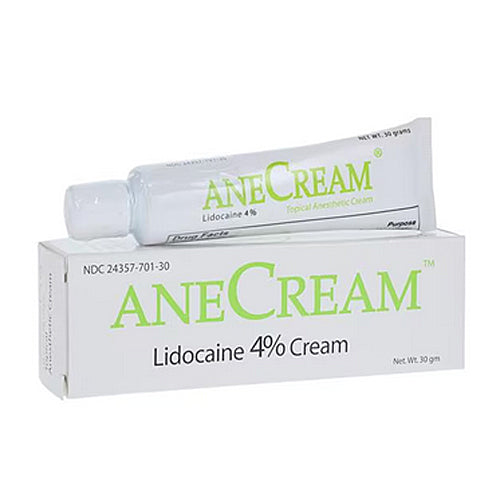
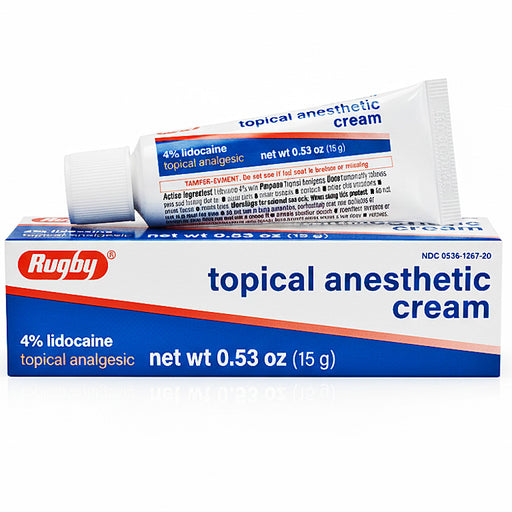
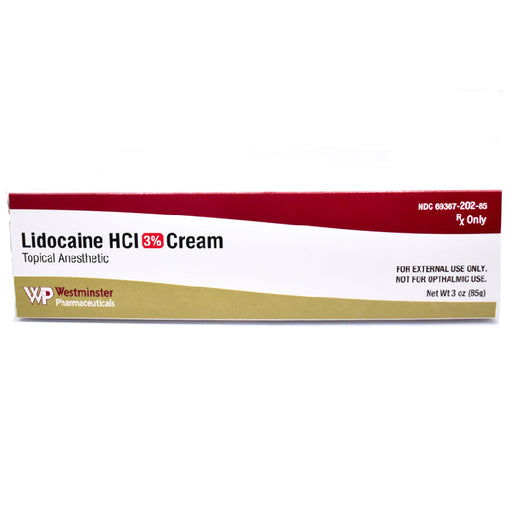
AneCream is a topical anesthetic cream whose active ingredient is lidocaine 4%. Lidocaine is a local anesthetic that “numbs” the skin by blocking nerve signals in the application area. AneCream (4% lidocaine) is sold over-the-counter and is intended for external use only.
Uses and Indications
AneCream is used to temporarily relieve pain and itching from minor skin irritations and injuries. According to the FDA-approved label, it “temporarily relieves pain and itching due to minor cuts, minor scrapes, sunburn, minor skin irritations, minor burns, [and] insect bites”. In practice, people use AneCream on small cuts, scratches, sunburned skin, bug bites, mild burns, and similar skin conditions to reduce discomfort. For example, the manufacturer notes that AneCream 4% is indicated for local pain relief and itching from minor cuts, scrapes, sunburn and minor burns.
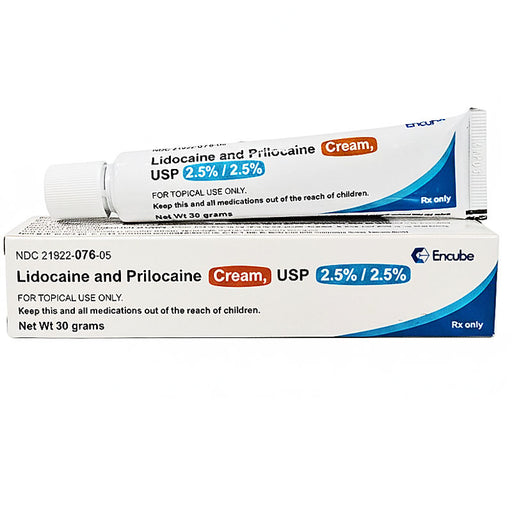
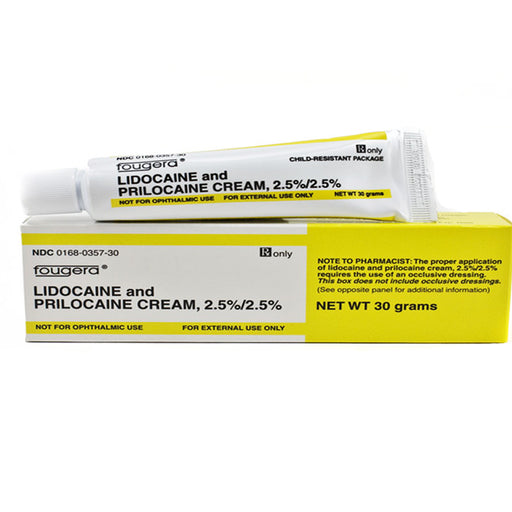
In addition, AneCream can be used to numb healthy skin for minor medical procedures. For instance, it may be applied before a blood draw, IV placement, catheter insertion, breathing tube placement or similar procedures to help reduce pain at the injection or insertion site. AneCream thus serves a similar function to other topical numbing agents (like EMLA cream) in clinical settings.
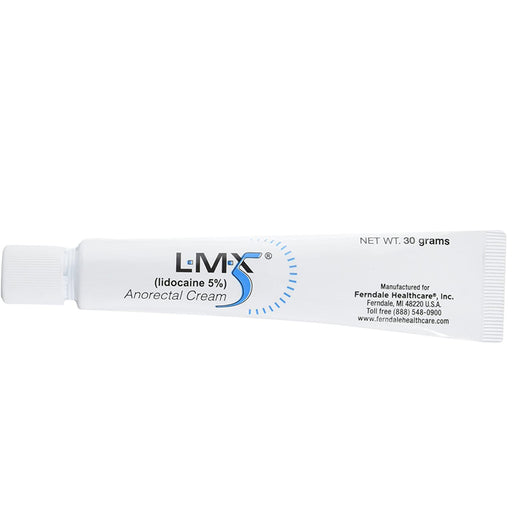
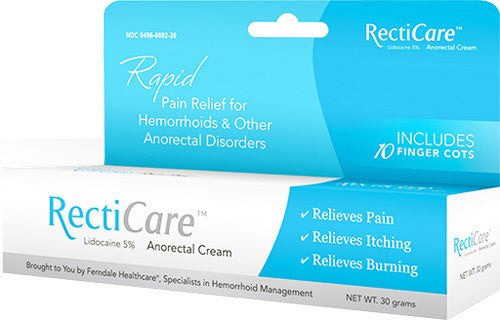
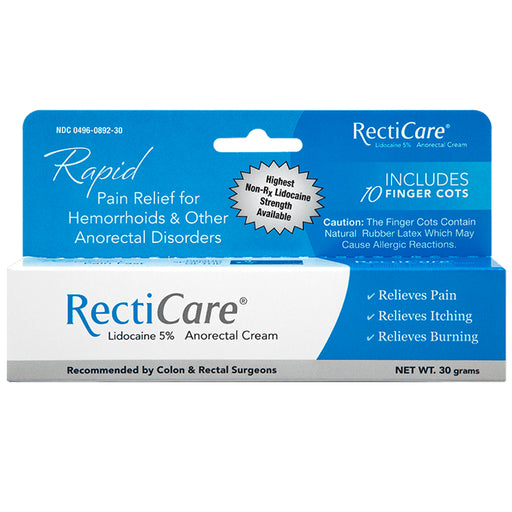
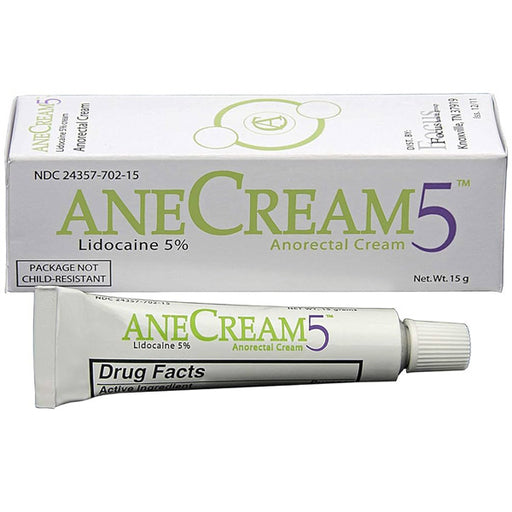
AneCream is also marketed in a 5% lidocaine formulation specifically for anorectal use. The 5% AneCream cream (often supplied in a small applicator kit) “temporarily relieves pain and itching due to anorectal disorders” (such as hemorrhoids). That 5% product is typically used under medical guidance for anal pain/itch; the standard 4% cream is generally for intact skin only.
Directions for Use
-
Application: Apply AneCream to clean, intact skin of the affected area. Use a small amount and gently rub it in. It is best to wash the area and dry it before application. After applying, wash your hands to avoid accidentally rubbing the cream into eyes or other sensitive areas.
-
Dosage: For adults and children over 2 years old, AneCream may be used 3–4 times per day. Do not use it more often than directed. If symptoms do not improve within 7 days, or if the condition worsens, stop use and consult a doctor. For children under 2 years, AneCream should only be used under a doctor’s advice.
-
Amount: Use the smallest amount effective. Only cover the area where you need numbing; do not spread it over large areas or over raw/broken skin. Do not apply AneCream to cuts, wounds or open sores beyond very minor scratches – it is intended for intact skin.
Side Effects
Most side effects of AneCream are localized and mild. Common reactions may include:
-
Skin irritation: redness, itching, burning or swelling at the site of application. These are usually mild and go away on their own.
-
Numbness in unintended areas: if the cream spreads (for example, you accidentally touch your eye), you may feel numbness there. Always wash hands after use.
Rarely, serious side effects can occur:
-
Allergic reactions: As with any lidocaine product, some people may have an allergic reaction. Signs include hives, rash, itching that is severe, swelling of the face/lips/tongue/throat, or difficulty breathing. If these occur, stop use and seek emergency medical help immediately.
-
Excessive numbness: If large amounts are used, or the cream is left on for too long, you might experience systemic symptoms such as dizziness, headache, ringing in the ears, confusion, or irregular heartbeat. (These are very rare when the product is used properly.) If you feel faint, confused, short of breath, or notice your skin becoming pale or bluish after using AneCream, discontinue use and get medical help.
Overdose risk: Using too much AneCream (for example, covering a large area, using more times than advised, or wrapping the treated area with plastic/occlusive bandages) can lead to dangerous lidocaine absorption. An overdose of lidocaine can cause serious or even fatal side effects. Always use only as directed and do not cover the treated skin with bandages or wraps unless a doctor instructs you to do so.
Warnings and Precautions
-
External use only: Do not use AneCream in the eyes, mouth, or other mucous membranes. Avoid contact with the eyes. If contact occurs, rinse thoroughly and seek medical advice if irritation persists.
-
Tender or broken skin: Do not apply AneCream to deep wounds, burns beyond mild sunburn, or heavily inflamed skin. It is intended for minor, superficial cuts or intact skin.
-
Allergy: If you have a known allergy to lidocaine or other “-caine” anesthetics (like benzocaine, procaine, etc.), do not use AneCream. Always check other ingredients in case of any other allergens.
-
Pregnancy and breastfeeding: If you are pregnant or breastfeeding, consult your doctor before use. In general, topical lidocaine in small amounts is considered relatively safe, but one should always confirm with a healthcare provider. (If breastfeeding, avoid applying AneCream to or near the nipple to prevent the infant from ingesting it.)
-
Children: Do not use AneCream on children under 2 years of age unless directed by a physician.
-
Other drugs: Tell your doctor or pharmacist about all medications you are using. Although lidocaine applied to the skin has minimal absorption, let your provider know if you take other anesthetic drugs or have conditions like severe liver disease or heart problems.
Summary
AneCream is an OTC lidocaine-containing numbing cream. It is generally safe when used as directed. It numbs local pain and itching from minor skin irritations (cuts, scrapes, burns, insect bites, etc.). For example, the manufacturer notes it is indicated for “analgesia and itching due to minor cuts, scrapes, sunburn, minor burns and insect bites”. Apply a thin layer to the affected area up to 3–4 times per day. Side effects are uncommon but can include local skin irritation or, rarely, allergic reactions. Use caution: do not apply it near eyes or on large broken skin areas, and do not overuse (avoid heavy application or covering with bandages). If uncertain about use (for example, in pregnancy or on young children) or if severe reactions occur, consult a healthcare professional.