Lidocaine Topical Ointment 5%, 35 gram Tube (Rx)

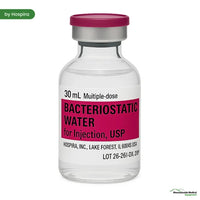
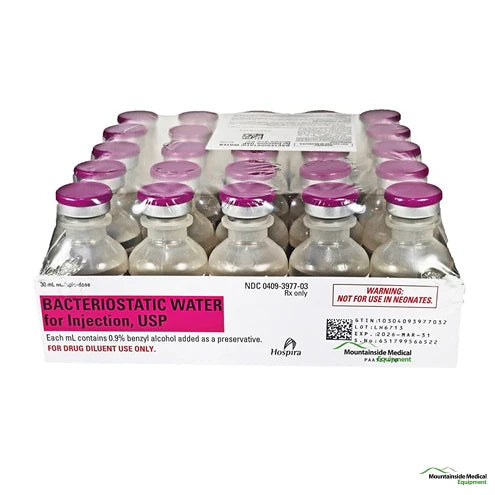
Bacteriostatic Water Injection by Hospira, Multiple Dose Vials 30 mL 25/Pack (Rx)
$ 539.00
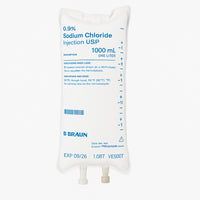
IV Bags, IV Fluid Solution for Intravenous & Infusion IV Therapy (Rx)
$ 10.95
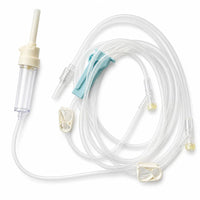
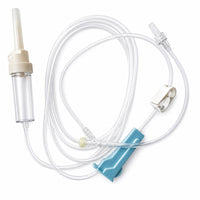
Exel IV Administration Set, Y-Injection Site, 78" Tube, Roller Clamp
$ 1.99
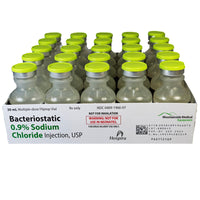
Bacteriostatic Sodium Chloride 0.9% Saline Injection Multiple Dose 30 ml x 25/Pack (Rx)
$ 125.00
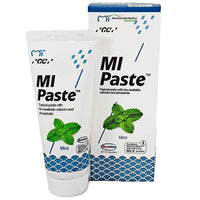
MI Paste with Mint Flavor Remineralizing Toothpaste by GC America
$ 23.00
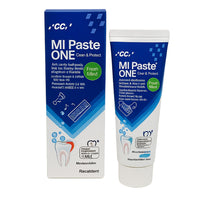
Mi Paste One Anti-Cavity Toothpaste, Fresh Mint by GC America
$ 24.00
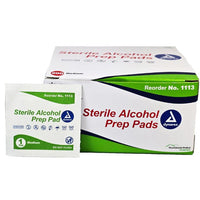
Alcohol Prep Pads Sterile by Dynarex 200/Box
$ 2.49
Nitrile Powder Free Examination Gloves, Blue, 100/Box
$ 7.95
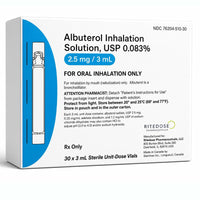
Albuterol Sulfate 0.083% Inhalation Nebulizer Solution 2.5 mg/3 ml 25/Box (Rx)
$ 19.50
IV Set 15 Drop Luer Lock with 78" Tubing, Roller Clamp, and Y-Injection Site Ports
$ 1.99
Sale 22%
🔒 Medical License Required
Sale 29%
Sale 30%
🔒 Medical License Required
Sale 37%
Sale 36%
🔒 Medical License Required
Sale 36%
🔒 Medical License Required
Sale 27%
🔒 Medical License Required
Sale
Sale 29%
🔒 Medical License Required
Sale 41%
🔒 Medical License Required
Sale 41%
🔒 Medical License Required
Sale 29%
🔒 Medical License Required
Sale 32%
🔒 Medical License Required
Sale 28%
This item is sold out
Sale 18%
🔒 Medical License Required
Sale 31%
Sale 37%
Sale 27%
This item is sold out
Sale 21%
🔒 Medical License Required
This item is sold out
Sale 33%
🔒 Medical License Required
Sale 30%
🔒 Medical License Required
Sale 23%
🔒 Medical License Required
Sale 34%
Sale 24%
🔒 Medical License Required
Sale 30%
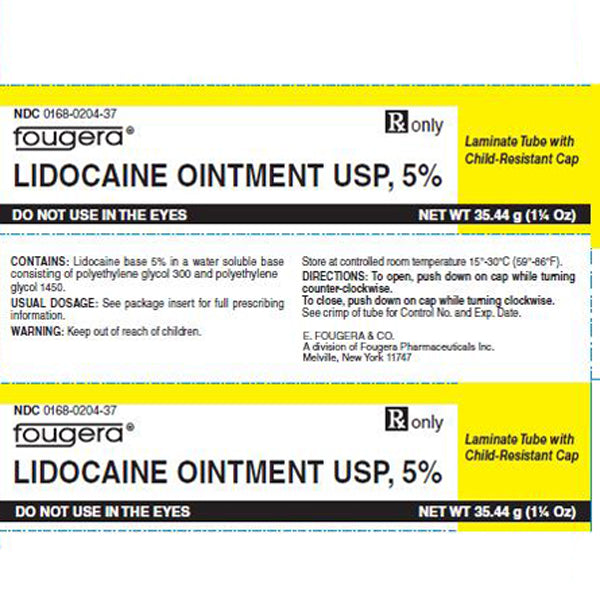
Fougera Lidocaine Ointment 5%, 35 gram Tube is a topical ointment used as an local anesthetic that temporary relief of pain associated with minor burns, including sunburn, abrasions of the skin, and insect bites.
Mechanism of action:
Lidocaine stabilizes the neuronal membrane by inhibiting the ionic fluxes required for the initiation and conduction of impulses, thereby effecting local anesthetic action.
Onset of anesthesia:
Lidocaine Ointment 5% effects local, topical anesthesia. The onset of action is 3-5 minutes. It is ineffective when applied to intact skin.
Hemodynamics:
Excessive blood levels may cause changes in cardiac output, total peripheral resistance, and mean arterial pressure. These changes may be attributable to a direct depressant effect of the local anesthetic agent on various components of the cardiovascular system.
Pharmacokinetics and metabolism:
Lidocaine may be absorbed following topical administration to mucous membranes, its rate and extent of absorption depending upon the specific site of application, duration of exposure, concentration, and total dosage. In general, the rate of absorption of local anesthetic agents following topical application occurs most rapidly after intratracheal administration. Lidocaine is also well-absorbed from the gastrointestinal tract, but little intact drug appears in the circulation because of biotransformation in the liver.
Lidocaine is metabolized rapidly by the liver, and metabolites and unchanged drug are excreted by the kidneys. Biotransformation includes oxidative N-dealkylation, ring hydroxylation, cleavage of the amide linkage, and conjugation. N-dealkylation, a major pathway of biotransformation, yields the metabolites monoethylglycinexylidide and glycinexylidide. The pharmacological/toxicological actions of these metabolites are similar to, but less potent than, those of lidocaine. Approximately 90% of lidocaine administered is excreted in the form of various metabolites, and less than 10% is excreted unchanged. The primary metabolite in urine is a conjugate of 4-hydroxy-2,6-dimethylaniline.
The plasma binding of lidocaine is dependent on drug concentration, and the fraction bound decreases with increasing concentration. At concentrations of 1 to 4 μg of free base per mL, 60 to 80 percent of lidocaine is protein bound. Binding is also dependent on the plasma concentration of the alpha-l-acid glycoprotein.
Lidocaine crosses the blood-brain and placental barriers, presumably by passive diffusion.
Studies of lidocaine metabolism following intravenous bolus injections have shown that the elimination half-life of this agent is typically 1.5 to 2.0 hours. Because of the rapid rate at which lidocaine is metabolized, any condition that affects liver function may alter lidocaine kinetics. The half-life may be prolonged two-fold or more in patients with liver dysfunction. Renal dysfunction does not affect lidocaine kinetics but may increase the accumulation of metabolites.
Factors such as acidosis and the use of CNS stimulants and depressants affect the CNS levels of lidocaine required to produce overt systemic effects. Objective adverse manifestations become increasingly apparent with increasing venous plasma levels above 6.0 μg free base per mL. In the rhesus monkey arterial blood levels of 18-21 μg/mL have been shown to be threshold for convulsive activity.
Brand: Fougera Pharmaceuticals
Size: 35.44 gram tube
NDC: 00168-0204-37
UPC: 301680204376
Buy Fougera Lidocaine Ointment 5%, 35 gram Tube online at Mountainside Medical Equipment.
Fougera Lidocaine Ointment 5%, 35 gram Tube is a topical ointment used as an local anesthetic that temporary relief of pain associated with minor burns, including sunburn, abrasions of the skin, and insect bites.
Mechanism of action:
Lidocaine stabilizes the neuronal membrane by inhibiting the ionic fluxes required for the initiation and conduction of impulses, thereby effecting local anesthetic action.
Onset of anesthesia:
Lidocaine Ointment 5% effects local, topical anesthesia. The onset of action is 3-5 minutes. It is ineffective when applied to intact skin.
Hemodynamics:
Excessive blood levels may cause changes in cardiac output, total peripheral resistance, and mean arterial pressure. These changes may be attributable to a direct depressant effect of the local anesthetic agent on various components of the cardiovascular system.
Pharmacokinetics and metabolism:
Lidocaine may be absorbed following topical administration to mucous membranes, its rate and extent of absorption depending upon the specific site of application, duration of exposure, concentration, and total dosage. In general, the rate of absorption of local anesthetic agents following topical application occurs most rapidly after intratracheal administration. Lidocaine is also well-absorbed from the gastrointestinal tract, but little intact drug appears in the circulation because of biotransformation in the liver.
Lidocaine is metabolized rapidly by the liver, and metabolites and unchanged drug are excreted by the kidneys. Biotransformation includes oxidative N-dealkylation, ring hydroxylation, cleavage of the amide linkage, and conjugation. N-dealkylation, a major pathway of biotransformation, yields the metabolites monoethylglycinexylidide and glycinexylidide. The pharmacological/toxicological actions of these metabolites are similar to, but less potent than, those of lidocaine. Approximately 90% of lidocaine administered is excreted in the form of various metabolites, and less than 10% is excreted unchanged. The primary metabolite in urine is a conjugate of 4-hydroxy-2,6-dimethylaniline.
The plasma binding of lidocaine is dependent on drug concentration, and the fraction bound decreases with increasing concentration. At concentrations of 1 to 4 μg of free base per mL, 60 to 80 percent of lidocaine is protein bound. Binding is also dependent on the plasma concentration of the alpha-l-acid glycoprotein.
Lidocaine crosses the blood-brain and placental barriers, presumably by passive diffusion.
Studies of lidocaine metabolism following intravenous bolus injections have shown that the elimination half-life of this agent is typically 1.5 to 2.0 hours. Because of the rapid rate at which lidocaine is metabolized, any condition that affects liver function may alter lidocaine kinetics. The half-life may be prolonged two-fold or more in patients with liver dysfunction. Renal dysfunction does not affect lidocaine kinetics but may increase the accumulation of metabolites.
Factors such as acidosis and the use of CNS stimulants and depressants affect the CNS levels of lidocaine required to produce overt systemic effects. Objective adverse manifestations become increasingly apparent with increasing venous plasma levels above 6.0 μg free base per mL. In the rhesus monkey arterial blood levels of 18-21 μg/mL have been shown to be threshold for convulsive activity.
Brand: Fougera Pharmaceuticals
Size: 35.44 gram tube
NDC: 00168-0204-37
UPC: 301680204376
Buy Fougera Lidocaine Ointment 5%, 35 gram Tube online at Mountainside Medical Equipment.
customer service answered emails quickly. Thank you
Something went wrong. Please try again.
Check your email for exclusive offers and updates from Mountainside Medical.
Are you sure you want to cancel your payment? Your cart is still saved.
You need an account to add products to your wishlist. Log in or create an account to start saving your favorites.