Asclera (Polidocanol) Injection 1%
Asclera is the brand name for a sterile polidocanol solution used as a sclerosing agent to treat varicose veins. It is a prescription (Rx) medication approved by the FDA (2010) for injection into small leg veins. Asclera’s active ingredient, polidocanol, is a detergent-like compound (a lauryl alcohol ethoxylate) that, when injected, damages the vein lining and causes clotting and fibrosis. Each 2 mL single-use ampule contains either 0.5% or 1.0% polidocanol (5 mg/mL or 10 mg/mL, respectively) in a buffered aqueous solution with 5% ethanol. (Asclera is preservative-free and not available in generic form in the U.S..) In clinical practice, the 0.5% solution is reserved for very fine spider veins (≤1 mm), while the 1% solution is selected for somewhat larger reticular veins (1–3 mm). Asclera is not indicated for varicose veins larger than 3 mm diameter.
Indications and Use
Asclera is indicated for sclerotherapy of uncomplicated spider veins and reticular veins in the lower extremities. Specifically, it “scleros[es]” (closes off) small lower-leg veins by endothelial injury: spider veins (≤1 mm) and reticular veins (1–3 mm). The 1% solution is used only for reticular veins (1–3 mm), while the 0.5% is used for spider veins (≤1 mm) in the same treatment session. The goal is cosmetic improvement and symptomatic relief; Asclera does not cure varicose vein disease in larger veins or prevent new veins from forming.
Mechanism of Action
Polidocanol is a nonionic detergent sclerosant. When injected into a vein, it disrupts endothelial cell membranes. This causes immediate local damage and triggers platelet aggregation and clotting. The treated vein rapidly forms a thrombus (clot) and is gradually replaced by fibrous scar tissue. Over time (weeks to months) the occluded vein is reabsorbed and the visible bulging vein is eliminated. (For reference, related products like Varithena® use polidocanol foam to close larger vein trunks; Asclera is the liquid formulation for smaller veins.)
Dosage and Administration
Asclera is administered by a healthcare provider via direct intravenous injection into the target vein (sclerotherapy). Key points of its use include:
-
Formulation use: Use Asclera 0.5% for spider veins (≤1 mm) and Asclera 1.0% for reticular veins (1–3 mm). Do not use Asclera 1% on veins ≤1 mm; it is specifically for larger reticular veins.
-
Dose per injection: Inject 0.1–0.3 mL of solution into each vein. Multiple veins can be treated in a session, but do not exceed 10 mL total per session. (This volume limit is to reduce systemic effects.)
-
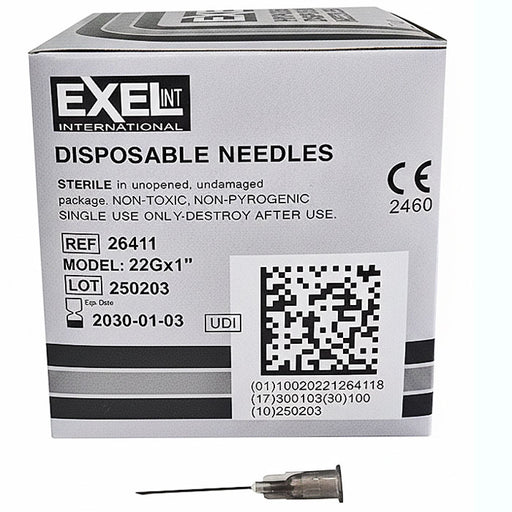
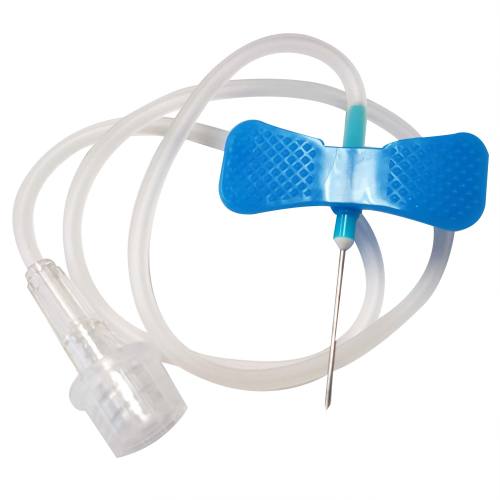
Equipment: Use a fine-gauge needle (typically 26–30 gauge) and a syringe. Insert the needle tangentially into the vein so that the solution will enter the vein lumen.
-
Injection Technique: Inject the solution slowly while the needle is confirmed to be in the vein. Apply only gentle pressure during injection to avoid rupturing the vein. After completing the injection, immediately remove the needle.
-
Post-injection Care: Compress the injection site with an elastic bandage or stocking. Immediately after each session, have the patient walk for 15–20 minutes to promote blood flow. Maintain compression thereafter: typically 2–3 days for spider vein sites and 5–7 days for reticular vein sites.
-
Follow-up Sessions: Treatment often requires multiple sessions to achieve optimal results. Sessions may be repeated every 1–2 weeks as needed. Each session should treat a limited total vein volume (≤10 mL) to stay within safety guidelines.
All injections should be performed by a trained clinician (e.g. dermatologist, vascular specialist) familiar with sclerotherapy techniques. Visual inspection of the solution is advised (discard if particulate matter or discoloration is seen). The ampule is single-use only.
Side Effects and Adverse Reactions
Common side effects of Asclera are generally local and mild. In clinical trials and reports, the most frequent adverse events (>3%) were injection-site reactions such as pain, itching, burning, swelling, redness, skin discoloration or bruising, and small vein clots. These usually resolve over time. Other reported side effects include headache, nausea, and temporary numbness or tingling in the treated leg.
Serious reactions, although rare, can occur. The FDA label and RxList notes that Asclera can induce severe allergic or vaso-occlusive events. For example:
-
Allergic/Anaphylactic Reactions: Symptoms like hives, difficulty breathing, facial or throat swelling, sneezing, or runny nose may indicate a hypersensitivity reaction. Anaphylaxis has been reported (some cases fatal). Therefore, clinicians should monitor patients for 15–20 minutes after injection and have resuscitation measures available.
-
Neurologic/Cerebrovascular: Serious neurologic events (e.g. sudden headache, confusion, vision changes, dizziness or stroke-like symptoms) have been reported. These may result from inadvertent arterial injection or a thromboembolic phenomenon, so any acute neurologic changes warrant immediate medical attention.
-
Thromboembolic Events: Polidocanol intentionally causes local clotting, but there is a risk (albeit low) of deep vein thrombosis (DVT) or pulmonary embolism. Signs include calf pain, swelling, or chest pain and shortness of breath. The prescribing information specifically warns that Asclera “can cause venous thrombosis and subsequent pulmonary embolism” and advises monitoring patients, especially those with underlying risk factors (recent surgery, immobility, prior DVT/PE, etc.). Proper compression and early ambulation help reduce this risk.
-
Cardiovascular: Some patients have reported irregular heartbeat (palpitations), chest tightness, or flushing. These must be evaluated promptly to rule out serious complications.
Note: This is not an exhaustive list of side effects. Any unexpected or severe reaction should prompt medical evaluation. If anesthesia or sedation is used (usually not required), those risks are separate.
Contraindications and Warnings
Asclera is contraindicated in patients with known hypersensitivity to polidocanol or in those with acute thromboembolic disorders (e.g. active deep vein thrombosis, pulmonary embolism). Other key precautions include:
-
Allergy/Anaphylaxis: Due to rare fatal reactions, minimize dose and be prepared to treat anaphylaxis (e.g. epinephrine on hand).
-
Injection Technique: Tight care must be taken to inject only into the vein. Do not inject intra-arterially or allow significant extravasation. Accidental arterial injection or leakage into surrounding tissues can cause severe ischemia or tissue necrosis. (The label advises use the smallest effective volume at each puncture and to consult a vascular surgeon if intra-arterial injection is suspected.)
-
Patient Selection: Asclera has not been studied in veins >3 mm or in veins outside the legs. Its safety in pregnancy and pediatric use is not established (pregnancy category is not recommended 1st trimester or after 36 weeks). Pregnant or nursing individuals should use it only if clearly needed after physician assessment.
-
Post-Treatment Care: To minimize complications, patients are advised to avoid heavy exercise, hot baths/saunas, or long flights for a few days after treatment. Extended use of compression stockings as directed helps prevent DVT.
-
Drug Interactions: None specific are noted for Asclera, but patients should inform their provider of all medications and medical conditions.
Summary
In summary, Asclera 1% injection is a physician-administered sclerosant indicated for small leg varicose veins. It is a specialized treatment and should be performed only by a qualified healthcare professional. The solution (polidocanol 1%) is injected directly into the reticular veins, causing them to close and gradually disappear. The procedure commonly causes temporary local discomfort and bruising; rare but serious adverse events like allergic reaction or thrombosis can occur. All dosing and safety instructions in the prescribing information should be followed.