BD Vacutainer Serum Serum Separator Tubes (16 × 100 mm)
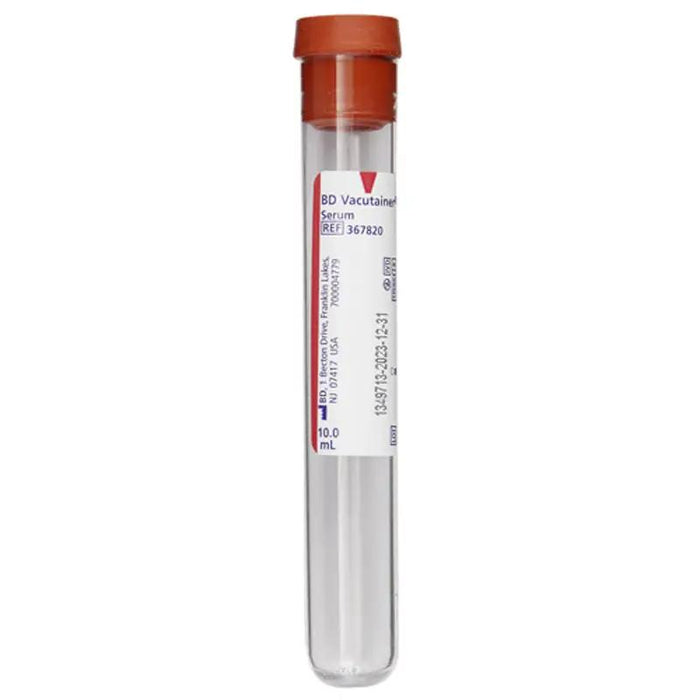
The BD (Becton Dickinson) Vacutainer™ 10 mL serum tube is a standard evacuated blood collection tube used to collect whole blood and obtain serum for laboratory tests. BD developed the original Vacutainer vacuum tube system, and evacuated collection tubes have been widely used since the 1940s because they automatically draw a fixed blood volume and reduce handling/spill risks. In fact, BD and Greiner Bio-One supply most U.S. blood collection tubes. These Vacutainer tubes are clear, single-use PET plastic tubes with a plastic “Hemogard” cap (red top) and contain a clot-activating additive. Under standard conditions they hold up to 10 mL of blood and measure 16 mm diameter × 100 mm length. (As context, most adult tubes are roughly 75–100 mm long and 13 mm diameter for 2–10 mL; this tube’s 16 mm width accommodates the 10 mL volume.
-
Material & Closure: The tube body is made of durable PET plastic, and it uses BD’s one-piece Hemogard™ plastic cap. The Hemogard cap is a red color (BD’s convention for plain serum tubes) that seals the tube. This closure stays attached when removed, reducing splash and exposure risk. (Closures are color-coded by additive; red indicates a non-gel tube with clot activator.)
-
Additive: Unlike plasma tubes, the serum tube contains no anticoagulant. Instead, the inner walls are coated with microscopic silica particles (a clot activator). When blood is drawn in, the silica triggers clotting. The tube is labeled “CAT” (Clot Activator Tube) and “CE” to mark its purpose. (Some newer serum tubes use a thin silicone fluid coating or glass particles for the same effect.)
-
Capacity & Size: The vacuum in each tube draws up to about 10 mL of blood. The filled tube (with cap on) is about 100 mm tall and 16 mm across. The “10 mL” refers to the approximate blood volume absorbed; in practice one may not need to fill completely, depending on test requirements.
-
Sterility: These tubes are supplied sterile for single-use, preventing contamination. (They are intended for one patient sample only.)
-
Color Coding: A red stopper (cap) is the universal indicator for plain serum tubes in the Vacutainer system. This distinguishes it from other tubes (e.g. lavender-top EDTA tubes or green-top heparin tubes).
Usage and Processing
In practice, a phlebotomist attaches a Vacutainer needle and holder to the tube. The pre-evacuated vacuum automatically pulls blood from the patient into the tube when the needle is inserted into the vein. Because the tube has no anticoagulant, the collected blood will clot inside the tube. After collection, gently invert the filled tube a few times to mix the blood with the silica additive. Then allow it to sit upright at ambient temperature (18–25 °C) for clot formation. BD recommends a minimum clotting time of ~60 minutes for normal patients (not on anticoagulants). (Typical practice is 30–60 minutes.)
Once clotted, centrifuge the tube to separate serum. The manufacturer’s guidelines call for spin at about 1,300 × g for 10 minutes at room temperature. After centrifugation, the solid clot and blood cells are at the bottom and the clear serum (the fluid portion of the blood, without fibrinogen) rises to the top. The serum can then be poured or pipetted into test aliquots. Serum is used for most routine chemistry and serology tests (for example, metabolic panels, hormones, antibodies, electrolytes, etc.), anywhere that clot-free blood is required.
Note: If a patient is on anticoagulant therapy, clotting may be delayed or incomplete. In such cases, allow extra time or consider a different tube type. (These red-top tubes are not suitable for coagulation studies or tests requiring plasma, since they have no anticoagulant.)
Common Applications
BD Vacutainer 10 mL serum tubes are ubiquitous in clinical and research labs for any tests that need serum. Typical applications include clinical chemistry (metabolic panels, electrolytes, liver and kidney function tests), immunology and serology (antibody/antigen assays), hormone assays, therapeutic drug monitoring, and many others. The vacuum design (predetermined draw volume) and additive ensure sample consistency.
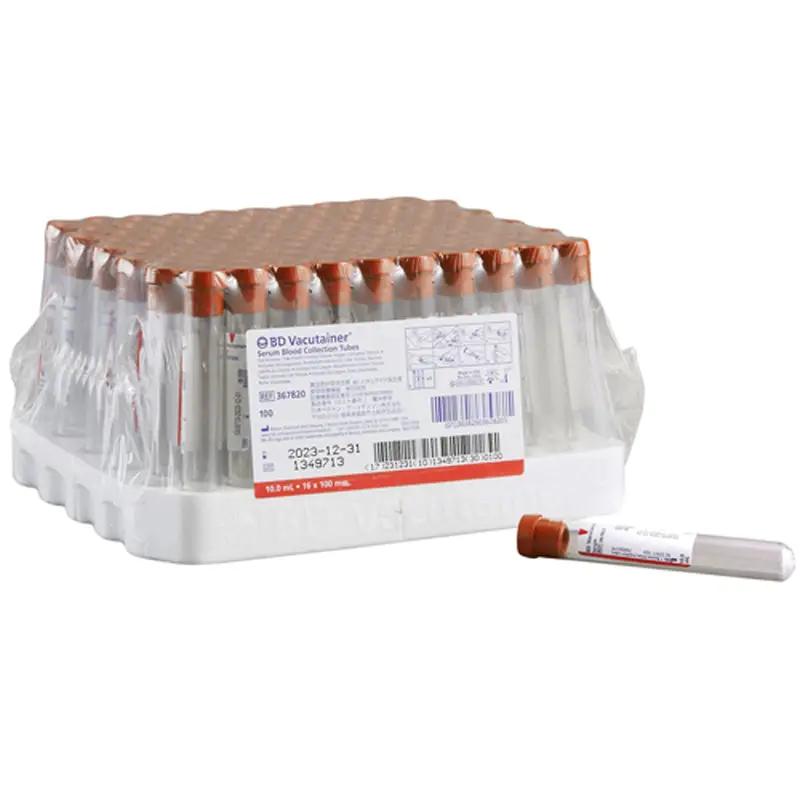
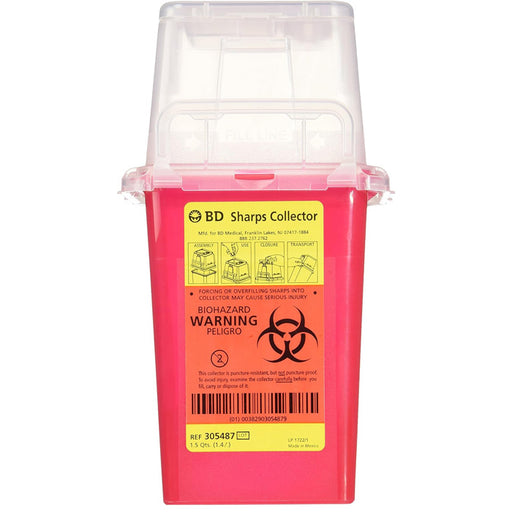
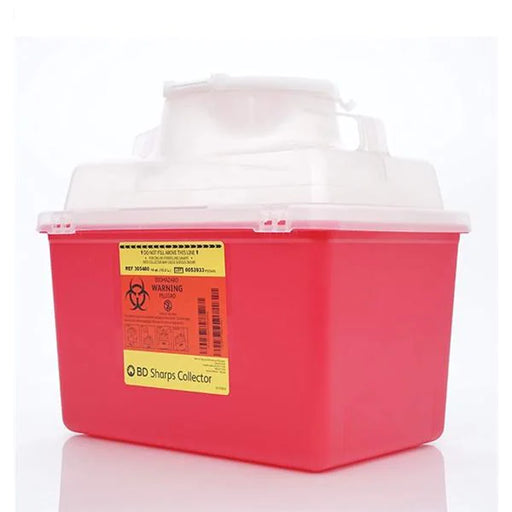
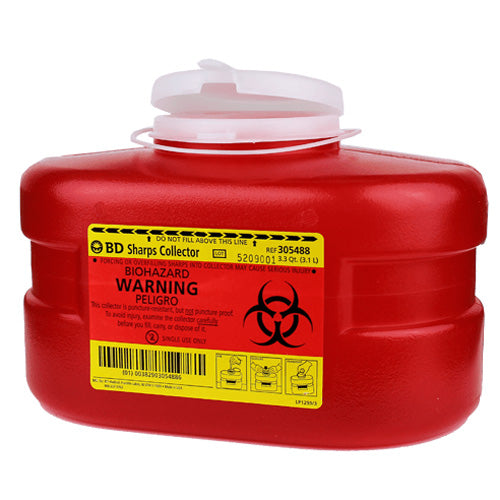
Being part of the standardized Vacutainer system, these tubes integrate with BD needle holders and automation equipment. They are often bought in packs (commonly 100 or 250 per box) and disposed of after use in biohazard sharps containers. BD part numbers associated with this tube (e.g. BD 367895) align with the above description.
- Clot activator
- Silicone coated interior
- Red conventional closure
- Serum tube
- Sterile
- Latex free
- Styrofoam packaging
- 100 tubes per pack
- Brand BD
- Item Number: 367820
- Draw Volume: 10 mL
- Tube Size: 16mm x 100mm