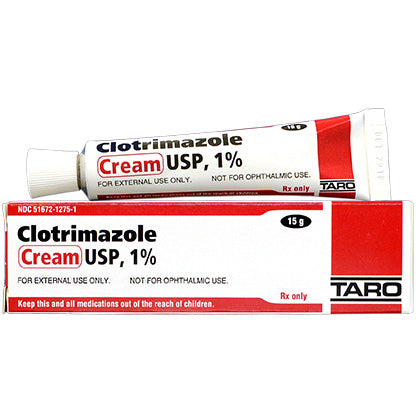
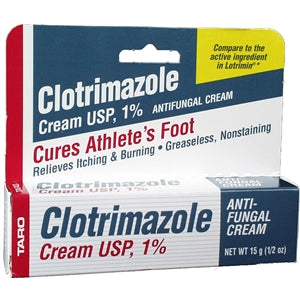
Clotrimazole Lozenges 10 mg by Padagis (Rx)

Bacteriostatic Water Injection by Hospira, Multiple Dose Vials 30 mL 25/Pack (Rx)
$ 539.00
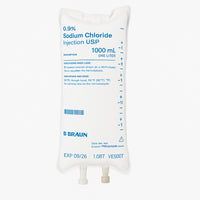
IV Bags, IV Fluid Solution for Intravenous & Infusion IV Therapy (Rx)
$ 10.95
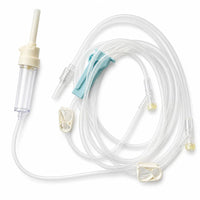
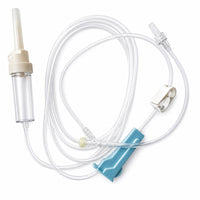
Exel IV Administration Set, Y-Injection Site, 78" Tube, Roller Clamp
$ 1.95
Bacteriostatic Sodium Chloride 0.9% Saline Injection Multiple Dose 30 ml x 25/Pack (Rx)
$ 122.00
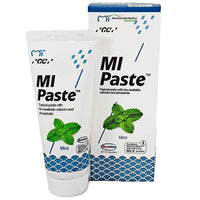
MI Paste with Mint Flavor Remineralizing Toothpaste by GC America
$ 24.00
Mi Paste One Anti-Cavity Toothpaste, Fresh Mint by GC America
$ 24.00
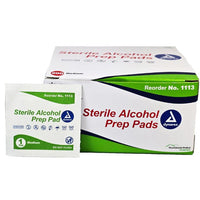
Alcohol Prep Pads Sterile by Dynarex 200/Box
$ 2.49
Nitrile Powder Free Examination Gloves Blue Color, 100/Box
$ 7.95
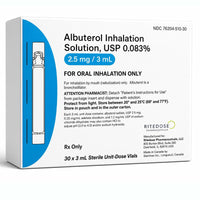
Albuterol Sulfate 0.083% Inhalation Nebulizer Solution 2.5 mg/3 ml 25/Box (Rx)
$ 18.50
IV Set 15 Drop Luer Lock with 78" Tubing, Roller Clamp, and Y-Injection Site Ports
$ 1.99
Sale 46%
Sale 29%
Sale 32%
Sale 36%
Sale 27%
Sale 25%
Sale 35%
This item is sold out
Sale 17%
Low Stock
Sale 30%
Sale 23%
Sale 24%
This item is sold out
Sale 26%
Sale 10%
Low Stock
This item is sold out
Sale 42%
Sale 15%
Sale 34%
Sale 34%
Sale 37%
Sale 34%
Thrush, also known as oropharyngeal candidiasis, is a fungal infection caused by the Candida species of fungi. It can affect various parts of the body, but it most commonly occurs in the mouth and throat. Thrush can cause white or yellow patches to develop on the tongue, gums, inner cheeks, and the back of the mouth. It may also cause redness, soreness, and difficulty swallowing. Thrush is most common in young infants, older adults, and people with weakened immune systems. Treatment for thrush may include antifungal medications and addressing any underlying health conditions.
Oropharyngeal candidiasis, also known as oral thrush, is a fungal infection caused by the overgrowth of Candida albicans in the oral cavity. Candida albicans is a type of yeast that is commonly found in the mouth, digestive tract, and skin. However, under certain conditions, it can multiply and cause an infection.
Some common factors that can increase the risk of developing oropharyngeal candidiasis include:
1. Weakened immune system: People with weakened immune systems, such as those with HIV/AIDS, cancer, or taking immunosuppressive medications, are more susceptible to developing oral thrush.
2. Antibiotic use: Antibiotics can disrupt the balance of bacteria in the mouth, allowing Candida albicans to overgrow and cause an infection.
3. Poor oral hygiene: Not brushing and flossing regularly can lead to the buildup of plaque, which can create an environment for Candida albicans to thrive.
4. Diabetes: People with uncontrolled diabetes are more likely to have high sugar levels in their saliva, which can promote the growth of Candida albicans.
5. Dentures: Wearing dentures that fit poorly or are not cleaned properly can cause irritation and lead to the development of oral thrush.
6. Certain medications: Some medications, such as corticosteroids and chemotherapy drugs, can weaken the immune system and increase the likelihood of developing oral thrush.
7. Smoking: Smoking can damage the lining of the mouth, making it more susceptible to fungal infections.
8. Dry mouth: People with dry mouth, a condition in which the salivary glands do not produce enough saliva, are at a higher risk of developing oral thrush.
Overall, oropharyngeal candidiasis is more likely to occur in people with weakened immune systems or those who have underlying medical conditions that affect their overall health. Good oral hygiene and a healthy lifestyle can help prevent this fungal infection. If you are experiencing symptoms of oral thrush, consult your healthcare provider for proper diagnosis and treatment.
Thrush, also known as oropharyngeal candidiasis, is a fungal infection caused by the Candida species of fungi. It can affect various parts of the body, but it most commonly occurs in the mouth and throat. Thrush can cause white or yellow patches to develop on the tongue, gums, inner cheeks, and the back of the mouth. It may also cause redness, soreness, and difficulty swallowing. Thrush is most common in young infants, older adults, and people with weakened immune systems. Treatment for thrush may include antifungal medications and addressing any underlying health conditions.
Oropharyngeal candidiasis, also known as oral thrush, is a fungal infection caused by the overgrowth of Candida albicans in the oral cavity. Candida albicans is a type of yeast that is commonly found in the mouth, digestive tract, and skin. However, under certain conditions, it can multiply and cause an infection.
Some common factors that can increase the risk of developing oropharyngeal candidiasis include:
1. Weakened immune system: People with weakened immune systems, such as those with HIV/AIDS, cancer, or taking immunosuppressive medications, are more susceptible to developing oral thrush.
2. Antibiotic use: Antibiotics can disrupt the balance of bacteria in the mouth, allowing Candida albicans to overgrow and cause an infection.
3. Poor oral hygiene: Not brushing and flossing regularly can lead to the buildup of plaque, which can create an environment for Candida albicans to thrive.
4. Diabetes: People with uncontrolled diabetes are more likely to have high sugar levels in their saliva, which can promote the growth of Candida albicans.
5. Dentures: Wearing dentures that fit poorly or are not cleaned properly can cause irritation and lead to the development of oral thrush.
6. Certain medications: Some medications, such as corticosteroids and chemotherapy drugs, can weaken the immune system and increase the likelihood of developing oral thrush.
7. Smoking: Smoking can damage the lining of the mouth, making it more susceptible to fungal infections.
8. Dry mouth: People with dry mouth, a condition in which the salivary glands do not produce enough saliva, are at a higher risk of developing oral thrush.
Overall, oropharyngeal candidiasis is more likely to occur in people with weakened immune systems or those who have underlying medical conditions that affect their overall health. Good oral hygiene and a healthy lifestyle can help prevent this fungal infection. If you are experiencing symptoms of oral thrush, consult your healthcare provider for proper diagnosis and treatment.
Something went wrong. Please try again.
Check your email for exclusive offers and updates from Mountainside Medical.
Are you sure you want to cancel your payment? Your cart is still saved.
You need an account to add products to your wishlist. Log in or create an account to start saving your favorites.