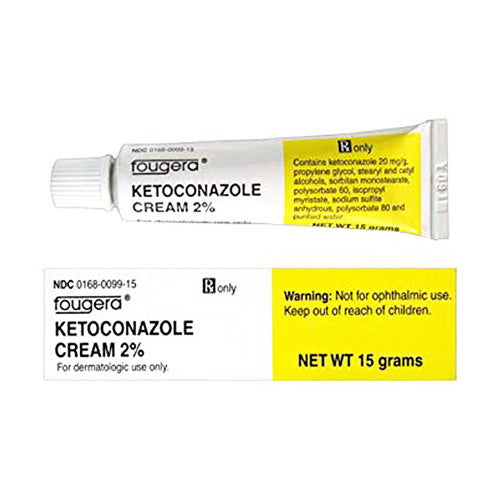
Ketoconazole Cream 2%
Ketoconazole cream is a topical antifungal medication used to treat a variety of skin fungal (and some yeast) infections. It belongs to the imidazole class of antifungals and works by inhibiting the fungus’s ability to make ergosterol, an essential component of its cell membrane. In effect, ketoconazole damages the fungal cell membrane and stops fungal growth, which helps clear the infection. The cream is applied to the skin (it is for external use only) and is not absorbed systemically at significant levels.
Uses and Indications
Ketoconazole cream 2% is prescribed for superficial skin infections caused by fungi or yeasts. According to medical references, its main uses include treating conditions such as:
-
Athlete’s foot (tinea pedis) – a fungal infection of the feet.
-
Body ringworm (tinea corporis) – ring-shaped fungal rash on the body.
-
Jock itch (tinea cruris) – fungal infection of the groin or inner thigh.
-
Seborrheic dermatitis – a flaky, itchy rash on oily areas (scalp, face, chest).
-
Tinea versicolor (pityriasis versicolor) – fungal “sun fungus” causing discolored patches.
-
Cutaneous candidiasis – yeast infection of the skin (e.g. in folds).
These indications are confirmed by sources like the Mayo Clinic, which lists ketoconazole cream for athlete’s foot, jock itch, ringworm of the body, seborrheic dermatitis, tinea versicolor, and skin yeast infections. (Ketoconazole also comes in other forms – e.g. shampoos for dandruff or tinea versicolor, and tablets for systemic use – but the 2% cream is specifically for skin.)
How It Works
Ketoconazole disrupts the fungal cell membrane by blocking a key enzyme (14-α-demethylase) needed to make ergosterol. Without ergosterol, fungal cells cannot maintain their membrane structure. This action stops fungal growth and can kill fungi in high concentration. In simple terms, ketoconazole damages the fungus’s cell membrane and prevents further multiplication. As an imidazole antifungal, it has broad activity against dermatophytes (tinea fungi) and some yeasts, which relieves symptoms like itching, redness, and scaling.
Application and Dosage
Ketoconazole cream should be used exactly as directed by your doctor or the product label. General guidance includes:
-
Preparation: Wash and dry the affected skin thoroughly. The skin should be clean and dry before application.
-
Application: Apply a thin layer of cream to cover the infected area and a small margin of surrounding skin. Gently rub it in until absorbed. Do not use the cream on healthy (uninfected) skin beyond the affected area.
-
Frequency: Usually the cream is applied once or twice daily, or as your prescriber instructs. Consistency is important: use it at the same times each day.
-
Duration: Continue treatment for the full prescribed course (often 2–4 weeks or longer), even if symptoms improve earlier. Stopping too soon can allow the fungus to return. Mayo Clinic notes that infections like these can be slow to clear, so full treatment (sometimes several weeks) is needed.
-
After application: Wash your hands after applying the cream (unless the hands are being treated) to avoid spreading the infection. Do not cover the treated skin with tight bandages or plastic wrap unless your doctor advises, as that can increase absorption.
Important: This medication is only for the skin. Do not get the cream in your eyes, nose, mouth, or vagina. If contact occurs, rinse the area with water immediately. Also avoid applying ketoconazole cream to open wounds, cuts, or broken skin, as it may cause irritation.
If you miss a dose, apply it as soon as possible and continue with your regular schedule. Do not double up. If your infection does not start to improve after a couple of weeks (or worsens), let your doctor know.
Side Effects
Topical ketoconazole is generally well-tolerated, but like all medications, it can cause side effects. Common and serious side effects include:
-
Common (usually mild, local): Burning, stinging, itching, redness, or irritation at the application site. These symptoms often improve as treatment continues. (If irritation is severe, you may use the cream less frequently or check with your doctor.)
-
Less common/rare (warm to serious): Rash or skin blistering, peeling, scaling, oily skin, or pustules. These usually involve more severe skin reaction. Allergic reactions are rare but possible – signs include hives, severe rash, swelling of the face, lips, tongue or throat, or trouble breathing. If you experience any serious skin reaction or allergy, stop use and seek medical attention immediately.
-
Other effects: Occasionally, discoloration of hair or nails (from shampoo use), changes in taste, or dry eyes have been reported with ketoconazole formulations, but these are uncommon.
Always inform your doctor or pharmacist if you notice side effects that concern you. The information above is not a full list – for more detail, refer to the product leaflet or reliable sources like the FDA or Merative (Mayo) drug information.
Precautions and Warnings
-
Allergies: Tell your doctor if you have ever had an allergic reaction to ketoconazole or other azole antifungals. Also disclose any allergies to dyes, preservatives, or other medicines.
-
Skin conditions: Avoid using ketoconazole cream on large areas of damaged or burned skin. It is meant only for localized infections of intact skin.
-
Other medications: Topical ketoconazole has minimal systemic absorption, so it is not known to interact significantly with other drugs. However, always tell your healthcare provider about any other creams, ointments, or medicines you are using.
-
Laboratory tests: If you are undergoing allergy testing or other skin tests, mention you are using ketoconazole, as it may affect the results.
-
Pregnancy and lactation: If you are pregnant, nursing, or planning pregnancy, discuss with your doctor. There is limited data on topical ketoconazole in pregnancy or breastfeeding. Ketoconazole cream should be used only if clearly needed and prescribed by a physician in such cases.
-
Children: The safety of ketoconazole cream in children under 12 has not been established. It should be used in children only under medical advice.
-
Storage: Store the cream at room temperature (typically 20–25 °C) away from excess heat and moisture. Keep it tightly closed and out of reach of children.
Ketoconazole cream is a prescription antifungal for skin infections. It is generally effective when used correctly and for the recommended duration. Always follow your healthcare provider’s instructions and read the product leaflet. Keep treating the area for the full length prescribed, even if symptoms clear early, to prevent the infection from returning.
If you have further questions about ketoconazole 2% cream (such as specific dosing for an individual case, or how to handle a side effect), consult your doctor or pharmacist. They can provide guidance tailored to your health situation.
 Skip to content