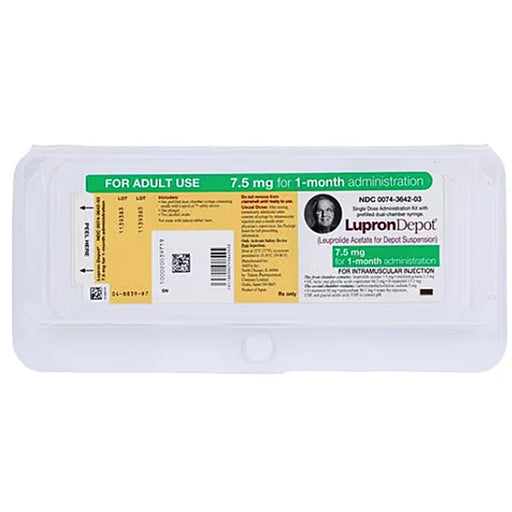
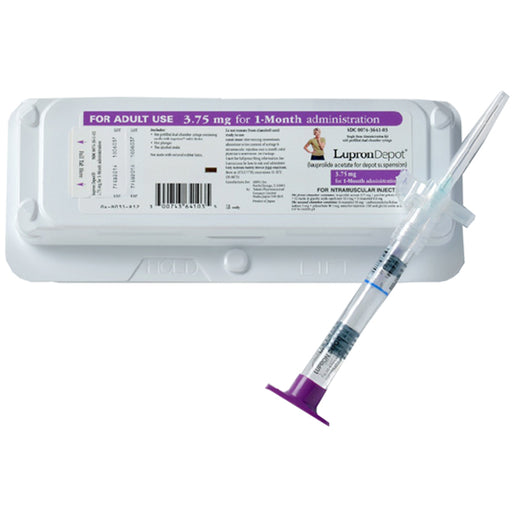
Leuprolide Acetate Injection (Lupron) – 14 mg per 2.8 mL vial
Leuprolide acetate suppresses the body's production of certain hormones—specifically, luteinizing hormone (LH) and follicle-stimulating hormone (FSH), which leads to decreased levels of sex hormones (testosterone in men, estrogen in women).
Leuprolide acetate is a gonadotropin-releasing hormone (GnRH) agonist (a synthetic analog of natural GnRH) used as a “chemical castration” therapy. By initially stimulating and then desensitizing pituitary GnRH receptors, it ultimately suppresses the release of luteinizing hormone (LH) and follicle-stimulating hormone (FSH). In men this causes testosterone to fall to castrate levels within ~2–4 weeks of daily dosing. (In women, chronic use similarly lowers estrogen to post-menopausal levels.) This injectable form (Lupron or Lupron Injection) is a multi-dose vial (5 mg/mL solution, 2.8 mL total volume = 14 mg) intended for daily subcutaneous injection. It is not active orally, so must be injected like insulin.
Indications and Clinical Use
-
Prostate cancer (palliative) – Leuprolide injection is FDA-approved for treatment of advanced (metastatic) prostate cancer, as part of androgen-deprivation therapy. By lowering testosterone, it slows hormone-dependent tumor growth. (As hormone therapy, it is often combined with other cancer treatments.)
-
Mechanism in practice: After the first injection, LH and testosterone transiently rise (known as a “flare”), which can temporarily worsen cancer symptoms (e.g. bone pain or urinary obstruction). Continued daily dosing suppresses LH/FSH, leading to sustained testosterone suppression to castrate levels. This reduction in sex hormones reduces tumor stimulation.
-
Other uses: This specific Lupron injection (daily multi-dose) is formulated for adult prostate cancer. Depot (long-acting) formulations of leuprolide exist for other indications (notably endometriosis, uterine fibroids, precocious puberty, or assisted reproduction), but the 14 mg/2.8 mL product is intended for prostate cancer only. (It should not be used in pregnant women or for pediatric indications.)
Common Uses
-
Prostate Cancer: Used to lower testosterone levels and slow the growth of prostate cancer cells.
-
Endometriosis: Suppresses ovarian hormone production, relieving endometrial pain and lesions.
-
Uterine Fibroids: Used prior to surgery to shrink fibroids and improve anemia.
-
Central Precocious Puberty (CPP): Delays early onset puberty in children.
-
Other Uses: Sometimes in infertility protocols and as part of transgender hormone therapy regimens.
How Is It Given?
-
Injection Under the Skin (Subcutaneous): Daily or periodic dosing.
-
Intramuscular Injection: Monthly or every few months, depending on the formulation.
Common Brand Names:
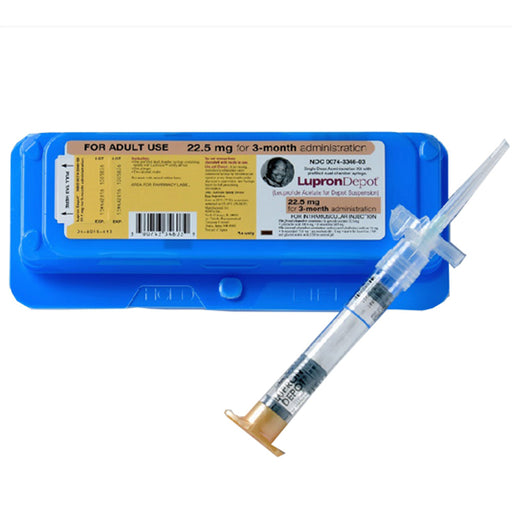
- Lupron®
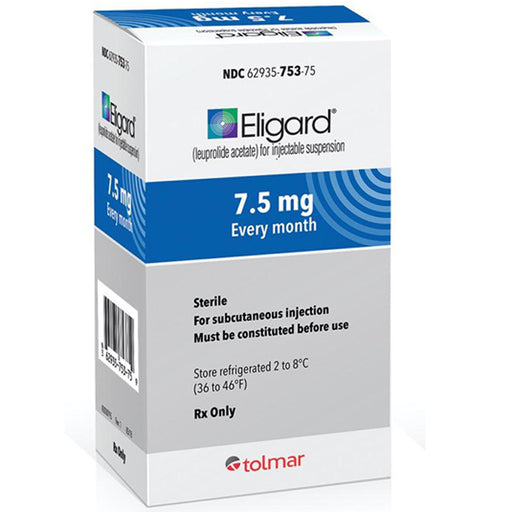
- Eligard®
-
Leuprorelin acetate (generic name in some regions)
Dosage and Administration
-
Recommended dose: 1 mg (0.2 mL) subcutaneously once daily. Using the provided 2.8 mL multi-dose vial, each 0.2 mL contains 1 mg of leuprolide. Patients self-inject one 0.2 mL dose each day for the prescribed treatment course.
-
Preparation: The vial contains leuprolide acetate in water with sodium chloride and benzyl alcohol preservative. It should be clear and colorless; do not use if cloudy or particulate. Shake the vial gently to mix before drawing each dose. Use each syringe only once. After 14 doses (2.8 mL used up), discard the vial. The kit includes 14 syringes and 28 alcohol swabs for 14 days of dosing.
-
Injection technique: Leuprolide injection is given subcutaneously (under the skin). Common injection sites are the abdomen, thigh, or upper arm. Clean the site with an alcohol swab. Pinch up a fold of skin, insert the needle at a 45°–90° angle, inject the 0.2 mL dose slowly, then withdraw. Rotate injection sites daily – do not inject in the same spot repeatedly. This reduces local irritation. Dispose of used syringes safely as instructed.
-
Special considerations: Store the vial in its carton refrigerated or below 77°F (25°C) until use. Do not freeze. If the solution changes color or precipitates, do not inject. Give the injection at roughly the same time each day for consistent effect. The first few weeks of therapy may require close monitoring (see Side Effects). After starting treatment, periodically check testosterone and PSA levels to confirm suppression is achieved.
Side Effects and Adverse Reactions
Because leuprolide profoundly lowers sex hormones, side effects are often related to hypogonadism and the initial hormone surge. Common effects include:
-
Hormonal/Endocrine effects: Hot flashes (flushing) – very common (in one study ~55% of men experienced hot flushes). Loss of libido and impotence (erectile dysfunction) are expected. Many men also report night sweats, fatigue, headache, mood changes or depression, and insomnia. Gynecomastia (breast enlargement or tenderness) can occur (observed in ~7% of patients). Over time, long-term androgen deprivation can cause clinical or radiographic osteoporosis (bone density loss) and bone pain due to metastases. (Bone loss is significant especially in the first year of therapy. Consider calcium/vitamin D and bone density monitoring if treatment is prolonged.)
-
Tumor flare effects: During the first 2–4 weeks, transient testosterone rise may worsen cancer symptoms. Some patients experience increased bone or back pain, hematuria (blood in urine), urinary obstruction, or spinal cord compression symptoms. These usually subside as testosterone falls. Pain relievers or temporary add-on therapy (e.g. anti-androgens) are sometimes used to manage this “flare.”
-
Injection-site reactions: Pain, redness, or swelling at the injection site may occur (often mild). Because the vial contains benzyl alcohol preservative, some patients can develop a local hypersensitivity (redness, itching) from the benzyl alcohol. Rotate sites to lessen irritation. Rarely, injection can cause severe local reactions (e.g. abscess) if not done aseptically.
-
Others: Nausea, vomiting, constipation or diarrhea have been reported in a minority of patients. Some experience peripheral edema (swelling of legs or hands) or weight gain. Headache, dizziness or decreased concentration can occur. Injection can transiently increase serum potassium or alter lipid profiles, though these are uncommon on this regimen. Leukopenia or anemia are not typical, but vigilance for infection is prudent as with any cancer therapy.
-
Serious risks: Leuprolide can rarely trigger life-threatening reactions. Severe skin reactions: There are reports of Stevens-Johnson syndrome/toxic epidermal necrolysis and other severe rash with leuprolide. If a patient develops severe rash, blisters, or systemic symptoms (fever, swollen glands), stop the drug and seek dermatologic evaluation. Hyperglycemia/Diabetes: GnRH agonists raise blood sugar in some men – new diabetes or worsening of existing diabetes has been observed. Monitor blood glucose or HbA1c periodically during therapy. Cardiovascular effects: Androgen deprivation modestly increases cardiovascular risk. Men on leuprolide have a higher incidence of heart attacks and stroke, especially among those with other risk factors. Blood pressure and cardiovascular status should be monitored, and risk factors managed per guidelines. Bone health: As noted, long-term use markedly decreases bone mineral density. Patients should consider calcium/vitamin D supplementation and periodic bone density testing if treated for more than a few months. (Add-back therapy with estrogen/progestin is used in women; in men no standard add-back is used clinically.)
Most side effects are related to the drug’s hormone effects. They often improve with time or after stopping therapy. Common symptoms like hot flashes and skin reactions are usually managed supportively. However, the initial symptom flare and any new or severe side effects should prompt medical review.
Contraindications and Precautions
-
Contraindications: Do not use in patients with known hypersensitivity to leuprolide or other GnRH analogs . Also contraindicated in undiagnosed vaginal bleeding (for women), pregnancy, or any female use (pregnancy risk) – it can cause fetal harm. (This product is intended for adult men.) Do not use in patients with metastatic spine lesions or urinary obstruction without careful supervision, due to tumor flare risks.
-
Pregnancy/Lactation: Category X – can cause fetal harm. Do not use in pregnant women; it shuts down ovarian hormones. Unknown if excreted in human milk; best to avoid breastfeeding during treatment.
-
Bone and Endocrine Effects: Because it stops estrogen/testosterone, counsel on bone, metabolic health. As above, monitor bone density, lipids, glucose. Women of reproductive age: counsel on contraception before starting (though this formulation is for men). Fertility: Long-term use leads to reversible infertility via testicular atrophy. HIV or chronic disease patients on long-term GnRH therapy should have bone health monitored.
-
CV Risk: Use cautiously in patients with severe cardiovascular disease or arrhythmias; androgen-deprivation can prolong QT in predisposed patients. Ensure electrolytes (potassium, magnesium) are normal.
-
Preservative (Benzyl alcohol): Leuprolide injection contains benzyl alcohol as a preservative. Allergic reactions (injectable site burning, redness) can occur. Neonates and premature infants (if ever used) are especially sensitive (gas cleaning syndrome), so avoid use in patients <3.
-
Drug interactions: Leuprolide has no major CYP-drug interactions. It is degraded by tissue peptidases, not by cytochrome P450 enzymes. Clinically significant drug–drug interactions are unlikely. (Leuprolide may magnify or be affected by other hormone therapies, but has no direct effect on common medications.)
-
Monitoring: Obtain a baseline testosterone and PSA before and shortly after starting therapy to ensure testosterone suppression. Regularly check blood sugar and lipids. If severe or persistent adverse effects occur (e.g. chest pain, arrhythmia, severe depression, suicidal thoughts, or any signs of anaphylaxis), discontinue the injection and seek medical help immediately.
Summary
Leuprolide acetate 14 mg/2.8 mL injection (Lupron) is a daily subcutaneous GnRH agonist used primarily for treating advanced prostate cancer. Its once-daily 1 mg doses suppress testosterone production after an initial surge. This “medical castration” slows prostate tumor growth. Patients should be aware of the initial flare period (temporary worsening of symptoms) and common side effects such as hot flashes, libido loss, and injection site reactions. Long-term effects include bone loss and metabolic changes; appropriate monitoring is essential. The drug is given as a pre-packaged 14-day kit (14 syringes provided) with instructions for daily self-injection. Always follow your healthcare provider’s instructions and the drug labeling. If you experience concerning symptoms (severe rash, chest pain, depression, etc.), inform your doctor right away.
Note: This summary is informational and not a substitute for professional medical advice. Always read the full prescribing information and discuss any questions with your healthcare provider.