Fast-Acting Local Anesthetic for Pain Management & Medical Procedures
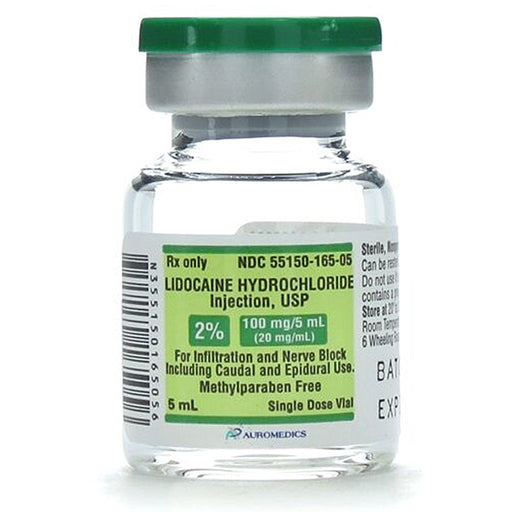
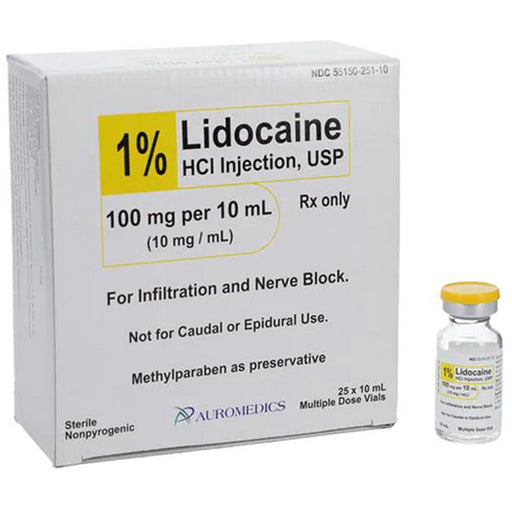
Lidocaine Hydrochloride Injection 1% (10 mg/mL), 30 mL Single-Dose Vial by Eugia US is the hospital-standard, FDA-approved local anesthetic for rapid, effective, and reliable pain control. Trusted by healthcare professionals and clinicians nationwide, this sterile injectable solution is a top choice for local and regional anesthesia in surgeries, dental work, minor skin procedures, laceration repairs, nerve blocks, and acute pain management. Choose Eugia’s high-purity lidocaine for uncompromising patient safety and comfort.
The Lidocaine 1% Hydrochloride Injection 30 mL Single-Dose Vial by Eugia is a top-choice, hospital-grade local anesthetic trusted by healthcare professionals for rapid and effective pain control. This preservative-free, methyl paraben-free formulation delivers pure, reliable numbing for a wide range of medical, dental, and minor surgical procedures.
Uses
-
Local Anesthesia for Minor Surgeries: Ideal for skin lesion removal, wound sutures, biopsies, and other in-office procedures.
-
Dental Procedures: Superior choice for dental anesthetic during fillings, extractions, or dental surgery.
-
Nerve Block & Infiltration Anesthesia: Provides targeted pain relief for acute pain management and regional nerve blocks.
-
Pain Relief During Injections: Reduces discomfort from IV, IM, or subcutaneous injections and minor dermatological procedures.
How Does Lidocaine Work?
Lidocaine hydrochloride blocks sodium ions from entering nerve membranes, which prevents nerve signal transmission and provides rapid local anesthesia. Fast onset and predictable duration ensure a pain-free experience for patients undergoing medical and dental procedures.
Order Lidocaine 1% Hydrochloride Injection 30 mL Single-Dose Vial by Eugia US Now!
NDC: 55150-0163-00 | UPC: 355150163304 Fast Shipping | 100% Authentic | Bulk Pricing Available | FDA-Approved Experience unwavering confidence in pain management and local anesthesia with Eugia—the best choice for every clinical need.
Uses & Applications
Lidocaine Hydrochloride 1% Injection is indicated for:
- Local anesthesia: For minor surgical procedures including suturing, excisions, and skin biopsies
- Dental anesthesia: Numbing gums and oral tissues for dental work
- Regional anesthesia: Nerve block, infiltration, or field block for larger area or limb procedures
- Acute pain management: Rapid relief during laceration repairs, trauma care, or wound treatment
- Epidural or spinal anesthesia (as per practitioner protocols and in hospital/controlled settings)
- IV regional anesthesia (Bier block)
- Pain relief in emergency, urgent care, and outpatient procedures
Instructions on How to Use
- Inspect vial for clarity and particulate matter; do not use if solution is discolored or cloudy.
- Clean injection site with antiseptic swab.
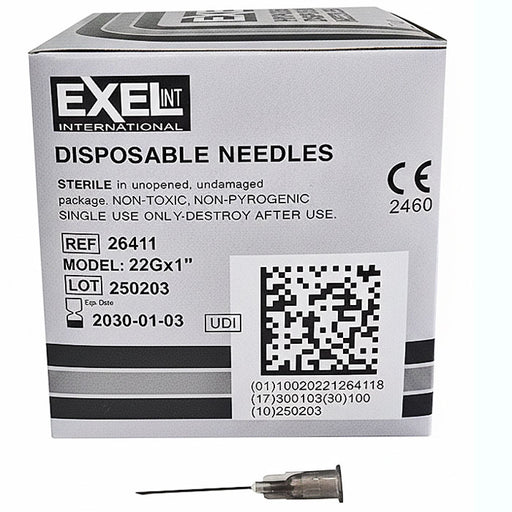
- Draw the required dose using a sterile needle and syringe; use aseptic technique.
- Administer via appropriate route:
- Local infiltration: Inject slowly at procedure site
- Nerve block: Inject into the area near target nerve(s)
- Epidural/IV regional: Only by experienced medical professionals
- Aspirate before injecting to avoid inadvertent intravascular injection.
- Dispose of any unused solution after initial use; single-dose vial is not intended for multiple entries or repeated dosing.
Administer only by trained healthcare professionals.
Dosage and Administration
- Local infiltration/dental: 1–5 mL (10–50 mg) per procedure, depending on extent and site. Maximum in adults: 300 mg (30 mL of 1%) in 1 dose.
- Nerve block: Dose varies by block type (usually 3–10 mL per block), not exceeding maximum safety dose.
- Epidural/regional: Dose individualized—see institutional protocol.
- Pediatric dosing: Weight-based; always consult pediatric dosage guidelines.
Do not exceed recommended dosing—overdosage increases risk of serious adverse events or toxicity.
Drug Interactions
- Other local anesthetics: Increased risk of systemic toxicity—avoid concurrent use.
- Antiarrhythmics (Class I): May potentiate cardiac side effects.
- Beta-blockers/cimetidine: May slow lidocaine metabolism, raising serum levels/toxicity.
- CNS depressants or medications lowering seizure threshold: May increase risk for CNS side effects.
Advise your healthcare provider of all medications before administration.