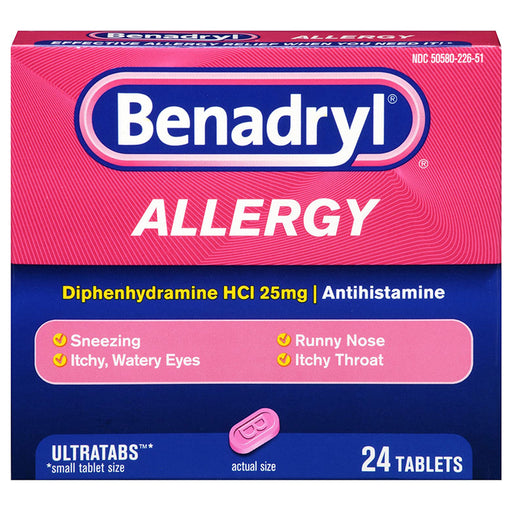
Diphenhydramine 50 mg
Diphenhydramine Injection 50 mg is a powerful, fast-acting solution for acute allergy relief. As an injectable form of the familiar antihistamine (what patients know as “the IV Benadryl”), it delivers medication directly into the bloodstream – providing immediate relief when oral pills won’t work or when seconds count. This single-dose vial (50 mg/mL) is pre-measured and sterile, so healthcare providers can act quickly and confidently. In practice, Diphenhydramine injection is a go-to tool in emergencies: it halts severe itching, hives, swelling, runny nose, and sneezing almost as soon as it’s administered. By blocking histamine in the body within minutes (often 5–15 minutes), it stops allergic reactions in their tracks, preventing those frightening symptoms from spiraling into something worse.
Key Benefits:
-
Rapid Allergy Relief: Because it’s given by injection, this medication works far quicker than an oral pill. In emergencies like anaphylaxis or a sudden transfusion reaction, every moment matters. Diphenhydramine injection floods the system immediately, neutralizing the body’s histamine response at once. Patients feel comfort faster – the itching and swelling begin to subside within minutes – which means less suffering and greater safety when fighting a runaway allergy.
-
Works When Pills Can’t: This injection solves a critical pain point: what if a patient can’t swallow? For children vomiting from nausea, elderly patients who choke on pills, or anyone suddenly unconscious or unable to take oral meds, Diphenhydramine injection still delivers the needed dose. In other words, it guarantees relief even if stomach distress or shock prevents breathing or swallowing. Med students learn that by skipping the digestive tract, the IV route provides 100% bioavailability – the full dose acts without delay or reduction.
-
Calming Comfort: Beyond allergy symptoms, Diphenhydramine’s mild sedative properties give patients a soothing bonus. Those wracked by intense itching or breathing difficulties often feel their anxiety ease as the medicine kicks in. This dual action – anti-itch plus calming – means children can relax rather than panic, and adults can rest easier. In fact, doctors sometimes appreciate this calming effect during minor procedures or when treating patients who are extremely anxious or in pain. It’s like relieving the symptoms and the stress at the same time.
-
Versatile Multi-Symptom Relief: Diphenhydramine injection isn’t just for classic allergies. It also tackles motion sickness and certain neurological spasm issues. Imagine a patient on a boat who can’t stop vomiting – this injection can be given to banish nausea when they can’t hold down an oral tablet. Or a patient suffering from involuntary drug-induced muscle spasms (like acute dystonic reactions in Parkinsonism) – this antihistamine’s anticholinergic action can help relax those muscles. In short, it combines multiple uses in one shot, so patients and clinicians don’t have to juggle several different drugs.
-
Precision and Convenience: Each 50 mg dose is measured in just 1 mL of liquid, making it easy to give exactly the right amount. This simplicity removes guesswork in dosing calculations during busy emergency care. It’s supplied in a ready-to-use, preservative-containing vial, so there’s no mixing or dilution needed – just attach a syringe and inject. For medical teams, that means one less worry in critical moments.
Who Benefits Most: Any patient suffering an urgent allergic reaction or severe itching experiences immediate improvement. Parents and providers watching a child with spreading hives can breathe easier knowing the first dose can arrest the reaction quickly. Travelers plagued by relentless motion sickness gain relief without enduring more nausea. In hospital settings, patients who suddenly develop unexpected allergy symptoms (for example, after a transfusion or medication) get a fast and reliable fix. Even healthcare trainees will appreciate having this in their toolkit – it’s the textbook solution when oral diphenhydramine isn’t possible.
Diphenhydramine Injection is a fast-acting, reliable medication widely used in clinical settings to treat severe allergic reactions, motion sickness, and symptoms of Parkinsonism. Healthcare professionals often choose Diphenhydramine Injection for its rapid onset of action, making it essential in emergency situations where immediate relief from allergic responses such as anaphylaxis is critical. Diphenhydramine Injection is also trusted for its versatility, providing effective management of nausea and dystonic reactions when oral antihistamines are not feasible. With its proven safety record and efficacy, Diphenhydramine Injection remains a cornerstone medication for both hospitals and outpatient facilities that prioritize patient care and emergency preparedness.
Diphenhydramine for Injection is used to treat allergic reactions, relieve symptoms of anaphylaxis, and alleviate itching, hives, and motion sickness. As an antihistamine, it blocks histamine action in the body, providing rapid relief from allergy symptoms. It is particularly useful in acute situations where oral administration is not feasible, such as severe allergic reactions or nausea related to surgery or chemotherapy. In emergency settings, its fast-acting properties help manage life-threatening allergic responses, supporting patient safety and comfort.
Uses:
Diphenhydramine injection 50 mg/mL is used primarily for its antihistamine properties. It's commonly administered for:
-
Severe Allergic Reactions: To manage symptoms of anaphylaxis or severe allergic reactions when rapid response is needed.
-
Motion Sickness: In some cases, it can be used to prevent or treat nausea and motion sickness.
-
Symptoms of Parkinsonism: To help control symptoms such as tremors.
-
Sedation: Sometimes used as a sedative for patients who require it.
-
Pre-Medication: Given prior to certain chemotherapy protocols to minimize allergic reactions.
It is typically used when oral administration is not feasible. However, it should be administered under the guidance of a healthcare professional.
Mechanism of Action:
Diphenhydramine functions as an H1 receptor antagonist, blocking the action of histamine—a substance in the body that causes allergic symptoms. By occupying the histamine receptors without activating them, diphenhydramine prevents the typical responses triggered by histamine, such as itching, swelling, and vasodilation. Additionally, diphenhydramine has sedative properties, contributing to its effectiveness in managing acute allergic reactions and its utility as a nighttime sleep aid.
Warnings:
-
Drowsiness: Diphenhydramine may cause significant drowsiness or sedation. Patients should be advised against operating machinery or driving after administration.
-
Use with Caution: In patients with narrow-angle glaucoma, bladder neck obstruction, peptic ulcers, or hyperthyroidism, diphenhydramine should be used cautiously due to potential exacerbation of symptoms.
-
Avoid in Newborns and Premature Infants: Due to the risk of respiratory depression, diphenhydramine is contraindicated for use in newborns or premature infants.
-
Elderly Patients: Enhanced likelihood of confusion and anticholinergic effects; dosing adjustments may be necessary.
-
Severe Allergic Reaction: Though rare, some individuals may experience hypersensitivity. Discontinue use immediately if any severe reactions occur.
Side Effects:
-
Common: Sedation, dizziness, dry mouth, and blurred vision.
-
Serious: Cardiovascular effects such as hypotension, tachycardia, or arrhythmias—mostly occurring with high doses or in predisposed patients.
-
CNS Effects: Confusion, especially in older adults, and potential exacerbation of chronic respiratory disorders.
Important Considerations:
-
Administration: Ensure correct dosing and adherence to administration protocols, especially when administered intravenously, to minimize adverse effects.
-
Monitoring: Patients should be observed following administration for any adverse reactions or side effects, especially if administered in high doses or to patients with existing health conditions.
-
Storage: Store vials at controlled room temperature and protect from light to maintain the integrity of the active ingredients.
Diphenhydramine for Injection is a prescription medication and should only be administered by healthcare professionals. Proper understanding of contraindications, interactions, and individual patient conditions is essential to ensure safe and effective use. Always refer to the product’s prescribing information for comprehensive guidance.
 Skip to content