Nplate (romiplostim) is a once-weekly subcutaneous injection used to treat low blood platelet counts (thrombocytopenia) resulting from specific medical conditions. Given by a healthcare professional, Nplate acts by mimicking the action of the natural hormone thrombopoietin (TPO), thereby stimulating the bone marrow to increase platelet production.
Nplate® (Romiplostim) Injection 125 mcg is a medication used primarily in the treatment of thrombocytopenia (low platelet counts), especially for patients with chronic immune (idiopathic) thrombocytopenic purpura (ITP) who have had an insufficient response to corticosteroids, immunoglobulins, or splenectomy.
Quick Facts
- Generic name: Romiplostim
- Brand name: Nplate
- Dosage form: Injection
- Strength: 125 mcg per vial (multiple strengths available)
- Administration: Subcutaneous injection (under the skin)
- Manufacturer: Amgen
How It Works
Romiplostim is a thrombopoietin receptor agonist. It works by stimulating the bone marrow to produce more platelets, thereby raising platelet counts and decreasing the risk of bleeding in individuals with ITP.
Indications
- Adults and pediatric patients (1 year and older) with chronic ITP who are refractory to other treatments (such as corticosteroids, IVIG, or splenectomy).
Dosing
- Starting dose: Often 1 mcg/kg once weekly, administered subcutaneously.
- Dose adjustment: May be adjusted weekly based on platelet response (target: ≥50,000/μL but ≤400,000/μL).
- 125 mcg vial: Intended for dose preparation; the actual dose administered will depend on the patient’s weight and platelet count.
Note: Dose modifications are made by a healthcare professional based on ongoing blood tests.
Administration
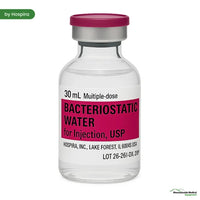
- Preparation: Reconstituted with sterile water for injection, forming a clear and colorless solution.
- Injected: Subcutaneously, usually by a healthcare provider.
- Storage: Unopened vials are stored in the refrigerator. See manufacturer instructions post-reconstitution.
Side Effects
Common:
- Headache
- Fatigue
- Arthralgia (joint pain)
- Dizziness
- Insomnia
Serious:
- Increased risk of blood clots
- Bone marrow changes
- Worsening of blood disorders after discontinuation
Warnings and Precautions
- Risk of thrombosis (blood clots) if platelets rise too high.
- Progression of myelodysplastic syndromes (MDS) or acute myeloid leukemia (AML) if used for unapproved indications.
- Rebound thrombocytopenia: platelet count may drop sharply after stopping therapy—monitor closely.
- Regular monitoring of platelets and blood counts required.
Patient Counseling
- Do not self-inject unless trained by a healthcare professional.
- Attend all scheduled appointments and laboratory tests.
- Inform your doctor of any signs of bleeding or blood clots (e.g., unusual bruising, leg pain/swelling, chest pain, shortness of breath).
Nplate (romiplostim) is a once-weekly subcutaneous injection used to treat low blood platelet counts (thrombocytopenia) resulting from specific medical conditions. Given by a healthcare professional, Nplate acts by mimicking the action of the natural hormone thrombopoietin (TPO), thereby stimulating the bone marrow to increase platelet production.
Nplate® (Romiplostim) Injection 125 mcg is a medication used primarily in the treatment of thrombocytopenia (low platelet counts), especially for patients with chronic immune (idiopathic) thrombocytopenic purpura (ITP) who have had an insufficient response to corticosteroids, immunoglobulins, or splenectomy.
Quick Facts
- Generic name: Romiplostim
- Brand name: Nplate
- Dosage form: Injection
- Strength: 125 mcg per vial (multiple strengths available)
- Administration: Subcutaneous injection (under the skin)
- Manufacturer: Amgen
How It Works
Romiplostim is a thrombopoietin receptor agonist. It works by stimulating the bone marrow to produce more platelets, thereby raising platelet counts and decreasing the risk of bleeding in individuals with ITP.
Indications
- Adults and pediatric patients (1 year and older) with chronic ITP who are refractory to other treatments (such as corticosteroids, IVIG, or splenectomy).
Dosing
- Starting dose: Often 1 mcg/kg once weekly, administered subcutaneously.
- Dose adjustment: May be adjusted weekly based on platelet response (target: ≥50,000/μL but ≤400,000/μL).
- 125 mcg vial: Intended for dose preparation; the actual dose administered will depend on the patient’s weight and platelet count.
Note: Dose modifications are made by a healthcare professional based on ongoing blood tests.
Administration
- Preparation: Reconstituted with sterile water for injection, forming a clear and colorless solution.
- Injected: Subcutaneously, usually by a healthcare provider.
- Storage: Unopened vials are stored in the refrigerator. See manufacturer instructions post-reconstitution.
Side Effects
Common:
- Headache
- Fatigue
- Arthralgia (joint pain)
- Dizziness
- Insomnia
Serious:
- Increased risk of blood clots
- Bone marrow changes
- Worsening of blood disorders after discontinuation
Warnings and Precautions
- Risk of thrombosis (blood clots) if platelets rise too high.
- Progression of myelodysplastic syndromes (MDS) or acute myeloid leukemia (AML) if used for unapproved indications.
- Rebound thrombocytopenia: platelet count may drop sharply after stopping therapy—monitor closely.
- Regular monitoring of platelets and blood counts required.
Patient Counseling
- Do not self-inject unless trained by a healthcare professional.
- Attend all scheduled appointments and laboratory tests.
- Inform your doctor of any signs of bleeding or blood clots (e.g., unusual bruising, leg pain/swelling, chest pain, shortness of breath).
Nplate (Romiplostim) Injection – Frequently Asked Questions
-
What is Nplate (Romiplostim) Injection used for?
Nplate is used to treat low platelet counts (thrombocytopenia) in adults with chronic immune thrombocytopenia (ITP) who have had an insufficient response to other treatments, such as corticosteroids or immunoglobulins. It is also used in pediatric patients with ITP and, in some cases, to increase platelet counts in patients with severe aplastic anemia.
-
How does Nplate work?
Nplate is a thrombopoietin receptor agonist. It stimulates the bone marrow to produce more platelets, helping to reduce the risk of bleeding in people with ITP or other related conditions.
-
How is Nplate administered?
Nplate is given as a subcutaneous (under the skin) injection, typically once a week, by a healthcare professional. In some cases, patients may be trained to self-inject at home.
-
What are the most common side effects of Nplate?
Common side effects include headache, joint or muscle pain, fatigue, dizziness, stomach pain, and sometimes minor bleeding or bruising at the injection site. Serious side effects are rare but can include increased risk of blood clots and bone marrow changes.
-
How soon does Nplate start to work?
Platelet counts may begin to increase within 1 to 2 weeks of starting treatment, but full effects can take longer and will be monitored by regular blood tests.
-
Do I need regular blood tests while on Nplate?
Yes, regular blood tests are required to monitor platelet counts and help your provider adjust the dose as needed.
-
Can Nplate cure ITP or other low platelet conditions?
No, Nplate is not a cure. It helps manage platelet counts and reduce the risk of bleeding as long as you continue treatment. Your healthcare provider will determine if or when treatment can be stopped.
-
What should I do if I miss a dose?
Contact your healthcare provider for instructions if you miss a dose. Do not try to inject extra doses to make up for a missed one.
-
Can Nplate be used during pregnancy or breastfeeding?
The safety of Nplate in pregnancy and breastfeeding is not well established. You should tell your doctor if you are pregnant, planning to become pregnant, or breastfeeding before starting treatment.
-
Does Nplate interact with other medications?
No significant drug interactions are commonly reported, but you should always inform your doctor of all medications and supplements you are taking.
-
Are there any long-term risks with Nplate?
Long-term risks may include increased risk for bone marrow changes (fibrosis) and blood clots (thromboembolism), especially in patients with underlying risk factors. Your provider will monitor for these issues during treatment.
-
Can Nplate increase the risk of blood clots?
Yes, particularly if your platelet count becomes too high. Your doctor will regularly monitor your platelet levels to reduce this risk.
-
How should Nplate be stored?
If self-administering, follow specific storage instructions provided by your pharmacy or doctor. Generally, Nplate should be refrigerated and protected from light until ready for use.
-
Can I stop Nplate suddenly?
Suddenly stopping Nplate may cause your platelet counts to drop quickly. Always follow your doctor’s instructions about discontinuing or changing the dose.