Skip to content
Free US shipping over $100

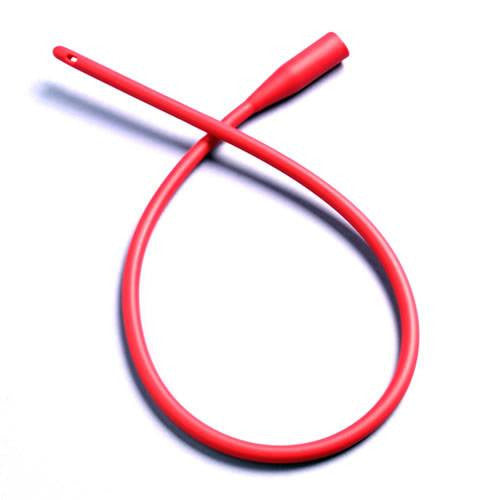
Red Rubber Catheter, 10, 12, 14, 16, 18 French Sterile, 16 inch length

by Amsino
Sale 42%
Original price $ 1.39
Current price $ 0.80
SKU AS44010

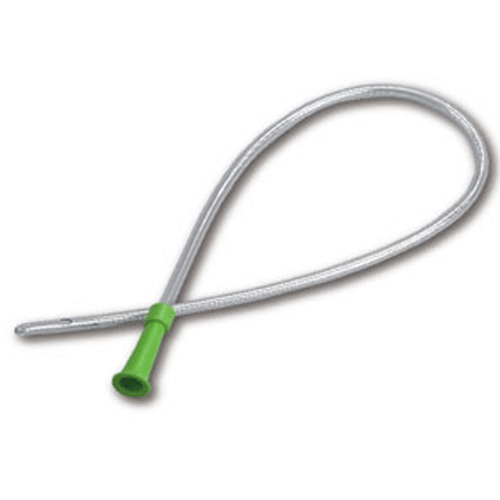
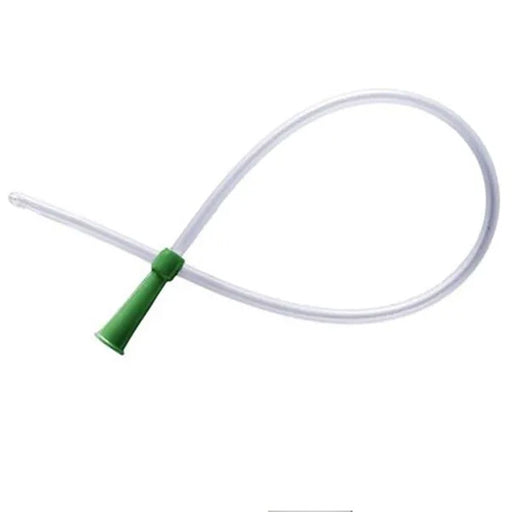
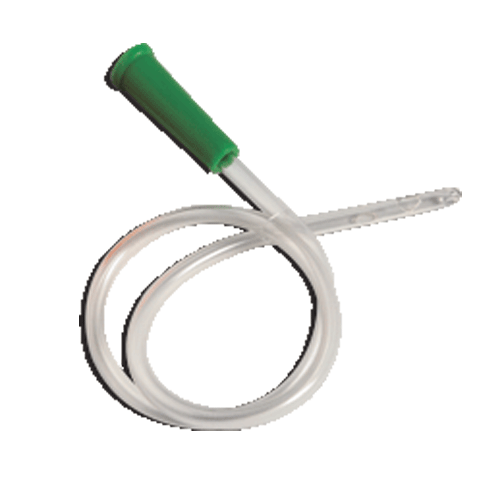
A Red Rubber Catheter is a type of flexible, hollow tube made of soft red rubber (latex), primarily used for short-term urinary catheterization, but it also has other medical applications.

Uses:

  1. Intermittent (in-and-out) urinary catheterization: Inserted to drain urine and then removed immediately afterward (not left in place).
  2. Obtaining sterile urine samples: Especially when a patient cannot provide a sample normally.
  3. Relief of temporary urinary retention: Such as after surgery, medications, or procedures.
  4. Instillation of medications into the bladder.
  5. Other medical, surgical, or diagnostic applications: Sometimes used in procedures involving the nasopharynx, rectum, or as a tourniquet in surgery.

A Red Rubber Catheter is a soft, flexible, single-use urinary catheter made from red rubber, used mainly for temporary (“in and out”) urinary drainage, urine sampling, or medication administration into the bladder. It is not meant for long-term use inside the bladder.

How Catheter Size Is Measured

  • French (Fr) scale:
    • 1 Fr = 0.33 mm in outer diameter.
    • The higher the French number, the larger the catheter’s diameter.

For example:

  • A 14 Fr catheter = 14 x 0.33 mm = 4.62 mm outer diameter.
  • A 10 Fr catheter = 10 x 0.33 mm = 3.3 mm outer diameter.

Common Red Rubber Catheter Sizes

  • Pediatric: 6 Fr – 10 Fr
  • Adult: 12 Fr – 24 Fr (most commonly used adult sizes: 14 Fr and 16 Fr).

Who Should NOT Use Red Rubber Catheters

1. Patients with Latex Allergy or Sensitivity

  • Red rubber catheters are made of latex.
  • Latex can cause allergic reactions ranging from skin irritation to very serious anaphylactic reactions.
  • Anyone with a known or suspected latex sensitivity or allergy should NOT use red rubber catheters.
  • Alternative: Use silicone or PVC catheters, which are latex-free.

2. Patients Requiring Long-Term Indwelling Catheterization

  • Red rubber catheters do not have a retention balloon and are not designed to stay in the bladder for extended periods.
  • Prolonged use increases risk of urethral irritation, infection, and accidental dislodgement.
  • These catheters are for short-term procedures only.

3. Patients With Urethral Strictures or Severe Trauma

  • The flexibility of red rubber is good for comfort in many, but if there is suspicion of urethral injury, stricture, or trauma, specialized catheters or advanced care should be used.

4. Patients Needing Catheters for Non-Urinary Medical Indications

  • For certain medical or surgical procedures outside the scope of intermittent urinary catheterization, different specialized catheters may be required.

Red rubber catheters should not be used in patients with latex allergy, those needing long-term indwelling urinary drainage, or when specialized catheters are required for trauma or other medical situations. Always assess patient history and choose the most appropriate catheter material and design.

Frequently Asked Questions (FAQs) for Red Rubber Catheters,
  • What is a red rubber catheter?

    A red rubber catheter is a flexible, red-colored, latex urinary catheter used for intermittent (one-time) catheterization to drain urine from the bladder.

  • What are red rubber catheters used for?

    They are primarily used for intermittent catheterization (in-and-out cath), obtaining sterile urine specimens, relieving temporary urinary retention, and sometimes for medical or diagnostic procedures (e.g., medication instillation).
  • Why is it called a “red rubber” catheter?

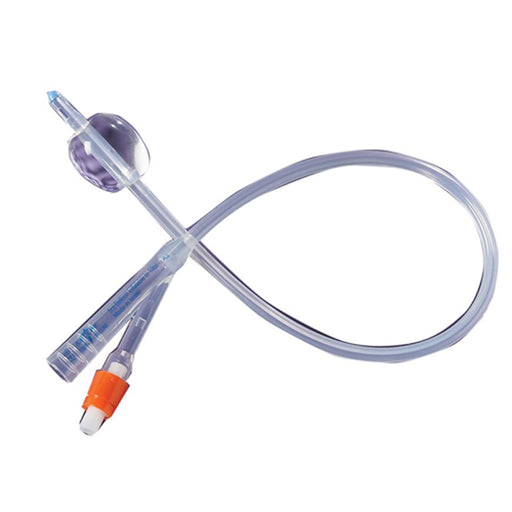
    The catheter is made of red-colored rubber material, making it visually distinctive from other types (such as silicone or latex Foley catheters).

  • Are red rubber catheters latex-free?

    No. Most red rubber catheters are made of natural latex. People with latex allergies should use latex-free alternatives, such as silicone catheters.

  • Can red rubber catheters be reused?

    Red rubber catheters are generally intended for single-use to minimize infection risk. Some may be reusable if medically advised, but strict cleaning protocols must be followed.

  • How is a red rubber catheter inserted?

    It is inserted through the urethra into the bladder using aseptic (sterile) technique, usually after proper lubrication to reduce discomfort and trauma.

  • What sizes do red rubber catheters come in?

    They are available in a range of French sizes (often 8 Fr to 24 Fr), with the diameter selected according to patient age and need.

  • What’s the difference between a red rubber catheter and a Foley catheter?

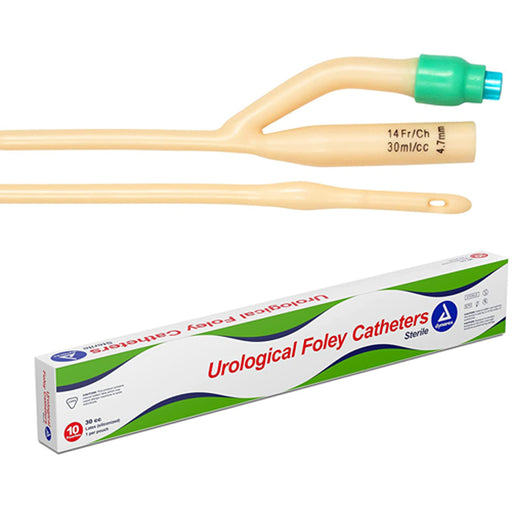
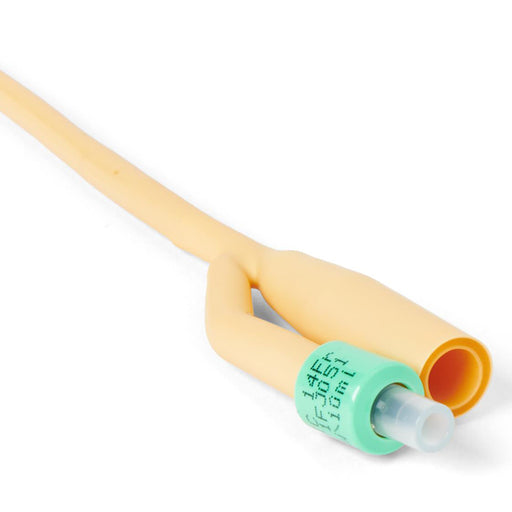
    A red rubber catheter is for intermittent/brief use—it does NOT have a balloon to retain it in the bladder. A Foley catheter stays in place for prolonged use and has a retention balloon.
  • Can a red rubber catheter be used for both men and women?

    Yes! Red rubber catheters are available in male, female, and pediatric lengths.

  • Are there risks or side effects with red rubber catheters?

    Possible risks include urinary tract infection (UTI), urethral trauma, bleeding, and (in rare cases) allergy to latex.

  • How do you clean a reusable red rubber catheter?

    If advised to reuse, wash with soap and water, rinse thoroughly, disinfect as instructed by your healthcare provider, and dry completely before reuse.

  • What lubricants can be used with red rubber catheters?

    Water-based lubricants are recommended; avoid petroleum-based lubricants as they may damage rubber.

  • Where can I purchase red rubber catheters?

    They are available at medical supply stores, pharmacies, and through online medical suppliers. A prescription may be required.

  • How do you properly dispose of a red rubber catheter?

    Single-use catheters should be discarded in regular trash after use unless contaminated, in which case follow your facility or local guidelines for medical waste disposal.

Search Any Type of Product, Medication, or Alignment