Triamcinolone Acetonide Injection 10 mg (5 mL Multi-Dose Vial)
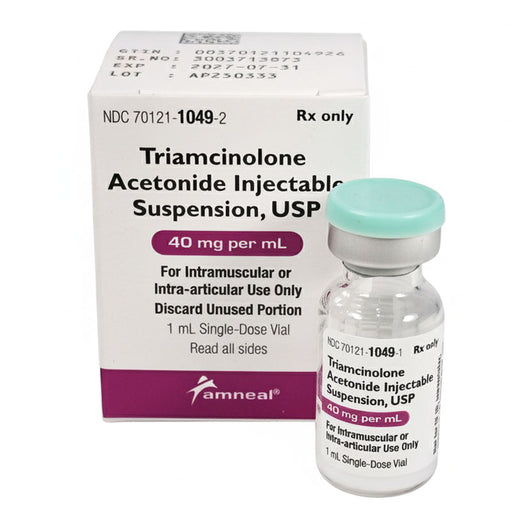
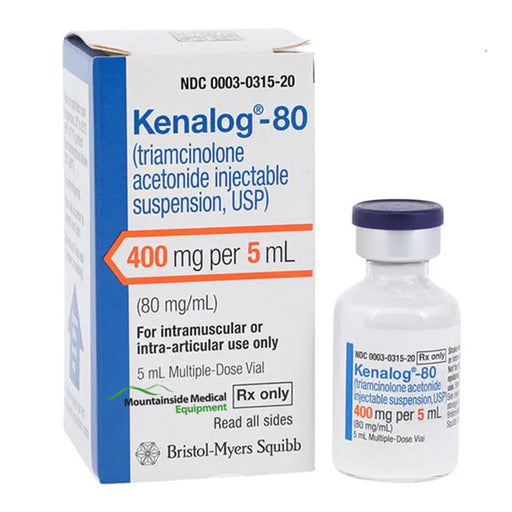
Triamcinolone acetonide injection is a synthetic glucocorticoid corticosteroid used by healthcare professionals to reduce inflammation in various tissues. Each mL of suspension contains 10 mg triamcinolone (50 mg total per 5 mL vial) plus benzyl alcohol preservative. It works by suppressing the immune response and inflammatory mediators, relieving swelling, redness, itching and pain in the injected area. This formulation is intended for intra-articular (joint) and intralesional (skin lesion) injections only – it should not be given intravenously, intramuscularly (unless specifically directed), epidurally, or into the eye. Administration is by prescription only, under sterile conditions by a trained provider.
Generic Kenalog
Uses and Indications
-
Joint inflammation (intra-articular): Injected directly into joints or bursae to treat acute flares of inflammatory joint conditions. Common indications include gouty arthritis, rheumatoid arthritis, osteoarthritis synovitis, acute bursitis, tendonitis/tenosynovitis, and epicondylitis (tennis elbow). A single injection can provide relief from joint pain and swelling, often lasting for weeks. Typical doses range from 2.5–5 mg in small joints up to 10–15 mg in large joints, with a total of ~20 mg or more if treating multiple sites.
-
Skin and soft tissue lesions (intralesional): Injected into or just under the skin to treat localized inflammatory lesions. Uses include alopecia areata patches, keloids or hypertrophic scars, lichen planus lesions, discoid lupus plaques, psoriasis plaques, granuloma annulare, necrobiosis lipoidica, nodular acne cysts, and similar dermatoses. Doses per site are typically small (often 2–10 mg) and chosen based on lesion size. Injections may be repeated (e.g. weekly) if needed, but total steroid per site should be minimized to reduce side effects.
-
Intramuscular (systemic) use: In some cases where oral corticosteroids are not possible, triamcinolone injection may be given IM for systemic conditions. For example, severe asthma exacerbations, acute allergic reactions, or widespread dermatitis may be treated with a single large IM dose (often 40–80 mg in adults). (Note: this 10 mg/mL multi-dose vial is primarily intended for local use, but the same drug can be used IM if clinically indicated.)
-
Other uses: Intramuscular doses are also used for seasonal allergic disorders (hay fever), flares of ulcerative colitis, multiple sclerosis relapses, and as an alternative to oral steroids in certain chronic diseases. Triamcinolone injection can also palliate symptoms of systemic lupus, select blood disorders, or ocular inflammatory conditions.
Dosage & Administration
-
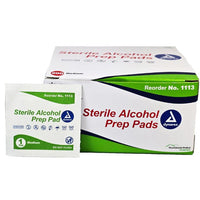
Preparation: Shake the vial well before drawing up the dose (the suspension should be uniformly milky). Inspect for clumps or separation; discard the vial if the drug has precipitated. Use strict aseptic technique (wipe rubber stopper with alcohol, use a sterile syringe/needle).
-
Injecting: For intra-articular or intralesional use, slowly inject the prescribed dose into the target area. For joint injections, typical initial doses are 2.5–5 mg for small joints (e.g. wrist, elbow) and 5–15 mg for large joints (e.g. knee, shoulder). Several joints can be treated in one session (totaling ~20 mg or more if needed). For skin lesions, inject 2–5 mg per site (some lesions require more, up to 10 mg) and spread out multiple sites by ≥1 cm; avoid injecting large volumes in one area to prevent skin atrophy.
-
Frequency: A single injection often provides weeks of relief. If inflammation recurs, injections may be repeated (commonly at ≥1–4 week intervals) as clinically indicated. Use the lowest effective dose. For chronic therapy, doses should be tapered off gradually rather than stopped abruptly.
-
Observe: After injection, observe the patient for any immediate reactions (e.g. allergic). Continue monitoring for relief and side effects over the following days. Always have emergency equipment ready in case of rare anaphylaxis.
-
Routes Not Allowed: Do not use this product intravenously, intrathecally, epidurally, or into the eye. Intramuscular injection with this preservative-containing vial is generally discouraged (use preservative-free forms for IV/IM high-dose therapy).
Key Points & Side Effects
-
Mechanism: Triamcinolone is a potent glucocorticoid that suppresses inflammation and immune activity. It does not relieve pain from non-inflammatory causes (e.g. mechanical pain) – its effect is on the inflammatory process.
-
Onset/Effect: Patients often feel relief within hours to a day. Effects can last days to weeks (longer than oral steroids in many cases).
-
Injection site effects: Expect some pain, redness or swelling immediately after injection. Local adverse effects (especially intralesional): skin and tissue atrophy (dimpling/indentations) at the injection site is common with repeated dosing. Other delayed local effects include pigment changes (light or dark spots), telangiectasia, or steroid-induced acne around the area. Using the correct technique (deep into joint or lesion) minimizes superficial atrophy.
-
Systemic steroid effects: Even though doses are often local, systemic absorption can occur. Common systemic side effects include: rattling fluid retention/bloating, weight gain, high blood pressure, elevated blood sugar (risk of diabetes), increased appetite, and mood/behavior changes (insomnia, anxiety, irritability, euphoria). These are similar to other corticosteroids.
-
Immunosuppression: All corticosteroids weaken the immune response. Patients on steroids receive increased risk of infection. Watch for infections (fever, cough, sore throat, etc.). Latent infections (tb, hepatitis) may reactivate.
-
Adrenal suppression: Long-term or large steroid doses suppress the hypothalamic–pituitary–adrenal (HPA) axis. Sudden withdrawal can precipitate adrenal insufficiency (symptoms: weakness, fatigue, nausea, low blood pressure, salt craving). Therefore, if used chronically, doses should be tapered.
-
Bones and muscles: Prolonged use can cause weakened bones (osteoporosis), muscle wasting, and even stress fractures. Tendon and ligament integrity may be compromised (risk of tendon rupture).
-
Eyes: Repeated steroid use can increase intraocular pressure (glaucoma) and lead to cataracts over time.
-
Allergic reactions: True allergic reactions to triamcinolone are very rare. Occasionally patients react to benzyl alcohol preservative (contact dermatitis). Anaphylaxis is extremely uncommon but possible.
-
Contraindications: Do not use in patients with untreated systemic infections. Use with caution in those with diabetes (may worsen glucose control), hypertension, osteoporosis, or peptic ulcer disease. Avoid injecting into areas of active skin infection. (Note: idiopathic thrombocytopenic purpura is generally a contraindication to intramuscular steroids.)
-
Special populations: Not for neonates/infants: Multi-dose vials contain benzyl alcohol, which can cause fatal “gasping syndrome” in newborns. Use cautiously in children (may slow growth) and elderly (greater sensitivity to side effects). If used in pregnancy, only if benefits justify potential risks (animal studies suggest possible cleft palate risk).
Packaging and Storage
-
Container: The product is supplied as a 5 mL multiple-dose vial of clear, white suspension. Each mL provides 10 mg triamcinolone acetonide (10 mg/mL) plus 0.99% benzyl alcohol as preservative. (The vial allows multiple withdrawals; discard after labeled period once punctured.)
-
Administration: Use a sterile needle and syringe. Shake the vial gently to re-suspend before each withdrawal. Withdraw only the needed dose and cap the vial. Do not dilute or mix with other drugs.
-
Storage: Store at room temperature (20–25 °C or 68–77 °F). Do not freeze. Avoid exposure to extreme heat or cold. Keep original packaging to protect from light. Once opened, discard unused portion after the recommended time or per protocols.
-
Disposal: Dispose of empty vials and syringes in sharps containers per local regulations.
Summary: Triamcinolone acetonide 10 mg/mL injection is a potent anti-inflammatory steroid for targeted relief of joint and skin inflammation. Proper dosing and technique are essential to balance benefits against steroid risks. It can dramatically reduce pain and swelling in steroid-responsive conditions, often with weeks of effect, but must be used cautiously to avoid local tissue atrophy and systemic steroid side effects.
 Skip to content