 Skip to content








Filters
- Acne Medicine (34)
- acne treatment cream (1)
- Aesthetic Supplies MedSpa Supplies & Cosmetic Surgery Supplies (7)
- anti-aging cream (2)
- dark spot cream (1)
- doctor-only (27)
- hyperpigmentation treatment (1)
- prescription retinoid (1)
- Retin A cream (1)
- Retin-A (5)
- retinoid for wrinkles (1)
- skin renewal (1)
- Treat Acne (33)
- Treat Dark Spots (5)
- Trerinon (4)
- Trerinon Cream (4)
- Trerinon Gel (3)
- tretinoin 0.1% (1)
- Tretinoin cream (1)
- vitamin a (6)
- Bacteria on the Skin (2)
- bacterial infection (1)
- Bacterial Infection Medicine (1)
- Bacterial Infection Treatment (1)
- Bacterial Infections (1)
- Clindamycin (6)
- Clindamycin Gel (2)
- Clindamycin Phosphate (6)
- Clindamycin Phosphate Gel (1)
- Topical Clindamycin (6)
- Treat bacterial infections (1)
- Treatment of bacterial infections (1)
- Acne Gel (18)
- Acne Treatment (25)
- Bausch Health (2)
- Face (1)
- Retin-A Cream (1)
- Retinoid (3)
- Wrinkles (3)
- Acne Cleanser (8)
- Acne Face Wash (8)
- Face Cleanser (1)
- Rosacea Cleanser (1)
- Sulfacetamide (1)
- Sulfur (1)
- Cleocin-T (1)
- Clindamycin Pads (1)
- Clindamycin Phosphate 1% (3)
- Pledgets (1)
- Azelaic (2)
- Azelaic Acid (2)
- Cell turnover (2)
- Pigmentation (2)
- Pores (2)
- Redness (2)
- Reduce Swelling (2)
- Skin texture (2)
- Treat Rosacea (2)
- acne antibiotic (1)
- acne breakout (1)
- antibiotic for acne (1)
- Benzoyl Peroxide (6)
- benzoyl peroxide gel (1)
- best prescription for acne (1)
- clear skin (2)
- Clindamycin and Benzoyl Peroxide (1)
- clindamycin gel (1)
- clindamycin phosphate gel (2)
- combination acne medication (1)
- oil control (1)
- Padagis (1)
- pimples (1)
- prescription acne gel (1)
- Antibiotic (2)
- Erygel (2)
- Fungal Skin Infections (1)
- Macrolide antibiotic (2)
- Topical Antibiotic (3)
- Treat skin infections (1)
- Acne Treatment Cream (3)
- Acne Vulgaris (12)
- Atralin (1)
- Avita (1)
- best retinoid for acne (1)
- Dark spots (1)
- Generic Tretinoin (1)
- how much tretinoin to use (1)
- how often to use tretinoin (1)
- how to use tretinoin cream (1)
- prescription tretinoin (1)
- Renova (1)
- treatment of acne (5)
- Tretin-X (1)
- tretinoin before and after (1)
- Tretinoin Cream (3)
- tretinoin dosage (1)
- tretinoin drug interactions (1)
- tretinoin for acne (1)
- tretinoin for dark spots (1)
- tretinoin for wrinkles (1)
- Tretinoin Side Effects (1)
- tretinoin uses (1)
- tretinoin vs retinol (1)
- Unclogs pores (1)
- anti-inflammatory gel (1)
- clear skin solution (1)
- cystic acne (1)
- topical antibiotic for acne (1)
- 0.025% (1)
- Anti-Aging (2)
- Fine Lines (1)
- Rertin-A Gel (1)
- Rertin-A Gel 0.025% (1)
- 00187-5172-15 (1)
- acne scars (1)
- acne solution (1)
- blackheads (1)
- collagen production (1)
- dermatologist (1)
- Green Tube (1)
- pore size (1)
- Retin-A Gel 0.01% (1)
- retinoid gel (1)
- tretinoin acne medication (1)
- tretinoin gel (1)
- unclog pores (1)
- whiteheads (1)
- #acnelotion (1)
- Antibiotic lotion (1)
- Clindamycin Phosphate Lotion (1)
- Topical Antibiotic Cream (1)
- Adapalene (3)
- Adapalene Cream (1)
- Adapalene Topical Cream (1)
- Clindamycin 1% (1)
- Clindamycin Liquid (1)
- Perrigo (1)
- Acne Cream (1)
- Bacteria on Skin (1)
- Cell Stimulants (1)
- Teva Pharmaceuticals (1)
- Tretinoin Gel (1)
- tritenoina (1)
- Differin Acne Gel (1)
- Differin Gel (1)
- Retinoid Adapalene 1% (1)
- Adapalene Gel (1)
- Adapalene Pump (1)
- Alembic Adapalene (1)
- Generic Differin (1)
- Retinoids (1)
- Topical Gel (1)
- 10% benzoyl peroxide (2)
- Acne Wipes (2)
- Face Wipes (1)
- Salicylic acid (5)
- Stridex (2)
- Clean & Clear (1)
- Persa Gel 10 (1)
- Pimple Cream (1)
- Clear Pore (1)
- Neutrogena (2)
- Neutrogena Clear Pore Oil-Eliminating Astringent (1)
- Neutrogena Brand (1)
- Clearasil (1)
- Clearasil Acne Control (1)
- Exfoliating Face Wash (1)
- Face Wash Soap (1)
- Compounding (1)
- Medisca (1)
- Pharmacy Compounding (1)
- Salicylic Acid Powder (1)
- Clear Face (1)
- Face Gel (1)
- Prevents Breakouts (1)
- Unclog Pores (1)
- Antibiotic Gel (1)
- Clear Pimples (1)
- Erythromycin Topical Gel (1)
- Macrolide Antibiotic (1)
- Adapalene and Benzoyl Peroxide Gel 0.1% (1)
- Epiduo Forte (1)
- Avage (1)
- Plaque Psoriasis (1)
- Psoriasis Cream (2)
- Psoriasis Skin Relief (2)
- Psoriasis Treatment (2)
- Retinoid Treatment (1)
- Tazarotene (2)
- Tazorac (2)
- Treat Psoriasis (2)
- dermatology (1)
- Skin health (1)
- Tazarotene Gel (1)
- hydrophilic cream (1)
- topical retinoid (1)
- Tretinoin 0.025% (1)
- Vitamin A (1)
- Acne medicine (1)
- Acnezil (1)
- antimicrobial silver (1)
- Silver Acne (1)
- silver gel (1)
Filters
- Acne Medicine (34)
- acne treatment cream (1)
- Aesthetic Supplies MedSpa Supplies & Cosmetic Surgery Supplies (7)
- anti-aging cream (2)
- dark spot cream (1)
- doctor-only (27)
- hyperpigmentation treatment (1)
- prescription retinoid (1)
- Retin A cream (1)
- Retin-A (5)
- retinoid for wrinkles (1)
- skin renewal (1)
- Treat Acne (33)
- Treat Dark Spots (5)
- Trerinon (4)
- Trerinon Cream (4)
- Trerinon Gel (3)
- tretinoin 0.1% (1)
- Tretinoin cream (1)
- vitamin a (6)
- Bacteria on the Skin (2)
- bacterial infection (1)
- Bacterial Infection Medicine (1)
- Bacterial Infection Treatment (1)
- Bacterial Infections (1)
- Clindamycin (6)
- Clindamycin Gel (2)
- Clindamycin Phosphate (6)
- Clindamycin Phosphate Gel (1)
- Topical Clindamycin (6)
- Treat bacterial infections (1)
- Treatment of bacterial infections (1)
- Acne Gel (18)
- Acne Treatment (25)
- Bausch Health (2)
- Face (1)
- Retin-A Cream (1)
- Retinoid (3)
- Wrinkles (3)
- Acne Cleanser (8)
- Acne Face Wash (8)
- Face Cleanser (1)
- Rosacea Cleanser (1)
- Sulfacetamide (1)
- Sulfur (1)
- Cleocin-T (1)
- Clindamycin Pads (1)
- Clindamycin Phosphate 1% (3)
- Pledgets (1)
- Azelaic (2)
- Azelaic Acid (2)
- Cell turnover (2)
- Pigmentation (2)
- Pores (2)
- Redness (2)
- Reduce Swelling (2)
- Skin texture (2)
- Treat Rosacea (2)
- acne antibiotic (1)
- acne breakout (1)
- antibiotic for acne (1)
- Benzoyl Peroxide (6)
- benzoyl peroxide gel (1)
- best prescription for acne (1)
- clear skin (2)
- Clindamycin and Benzoyl Peroxide (1)
- clindamycin gel (1)
- clindamycin phosphate gel (2)
- combination acne medication (1)
- oil control (1)
- Padagis (1)
- pimples (1)
- prescription acne gel (1)
- Antibiotic (2)
- Erygel (2)
- Fungal Skin Infections (1)
- Macrolide antibiotic (2)
- Topical Antibiotic (3)
- Treat skin infections (1)
- Acne Treatment Cream (3)
- Acne Vulgaris (12)
- Atralin (1)
- Avita (1)
- best retinoid for acne (1)
- Dark spots (1)
- Generic Tretinoin (1)
- how much tretinoin to use (1)
- how often to use tretinoin (1)
- how to use tretinoin cream (1)
- prescription tretinoin (1)
- Renova (1)
- treatment of acne (5)
- Tretin-X (1)
- tretinoin before and after (1)
- Tretinoin Cream (3)
- tretinoin dosage (1)
- tretinoin drug interactions (1)
- tretinoin for acne (1)
- tretinoin for dark spots (1)
- tretinoin for wrinkles (1)
- Tretinoin Side Effects (1)
- tretinoin uses (1)
- tretinoin vs retinol (1)
- Unclogs pores (1)
- anti-inflammatory gel (1)
- clear skin solution (1)
- cystic acne (1)
- topical antibiotic for acne (1)
- 0.025% (1)
- Anti-Aging (2)
- Fine Lines (1)
- Rertin-A Gel (1)
- Rertin-A Gel 0.025% (1)
- 00187-5172-15 (1)
- acne scars (1)
- acne solution (1)
- blackheads (1)
- collagen production (1)
- dermatologist (1)
- Green Tube (1)
- pore size (1)
- Retin-A Gel 0.01% (1)
- retinoid gel (1)
- tretinoin acne medication (1)
- tretinoin gel (1)
- unclog pores (1)
- whiteheads (1)
- #acnelotion (1)
- Antibiotic lotion (1)
- Clindamycin Phosphate Lotion (1)
- Topical Antibiotic Cream (1)
- Adapalene (3)
- Adapalene Cream (1)
- Adapalene Topical Cream (1)
- Clindamycin 1% (1)
- Clindamycin Liquid (1)
- Perrigo (1)
- Acne Cream (1)
- Bacteria on Skin (1)
- Cell Stimulants (1)
- Teva Pharmaceuticals (1)
- Tretinoin Gel (1)
- tritenoina (1)
- Differin Acne Gel (1)
- Differin Gel (1)
- Retinoid Adapalene 1% (1)
- Adapalene Gel (1)
- Adapalene Pump (1)
- Alembic Adapalene (1)
- Generic Differin (1)
- Retinoids (1)
- Topical Gel (1)
- 10% benzoyl peroxide (2)
- Acne Wipes (2)
- Face Wipes (1)
- Salicylic acid (5)
- Stridex (2)
- Clean & Clear (1)
- Persa Gel 10 (1)
- Pimple Cream (1)
- Clear Pore (1)
- Neutrogena (2)
- Neutrogena Clear Pore Oil-Eliminating Astringent (1)
- Neutrogena Brand (1)
- Clearasil (1)
- Clearasil Acne Control (1)
- Exfoliating Face Wash (1)
- Face Wash Soap (1)
- Compounding (1)
- Medisca (1)
- Pharmacy Compounding (1)
- Salicylic Acid Powder (1)
- Clear Face (1)
- Face Gel (1)
- Prevents Breakouts (1)
- Unclog Pores (1)
- Antibiotic Gel (1)
- Clear Pimples (1)
- Erythromycin Topical Gel (1)
- Macrolide Antibiotic (1)
- Adapalene and Benzoyl Peroxide Gel 0.1% (1)
- Epiduo Forte (1)
- Avage (1)
- Plaque Psoriasis (1)
- Psoriasis Cream (2)
- Psoriasis Skin Relief (2)
- Psoriasis Treatment (2)
- Retinoid Treatment (1)
- Tazarotene (2)
- Tazorac (2)
- Treat Psoriasis (2)
- dermatology (1)
- Skin health (1)
- Tazarotene Gel (1)
- hydrophilic cream (1)
- topical retinoid (1)
- Tretinoin 0.025% (1)
- Vitamin A (1)
- Acne medicine (1)
- Acnezil (1)
- antimicrobial silver (1)
- Silver Acne (1)
- silver gel (1)
Acne Medicines, Acne Treatments
-

 Sale 35%
Retin A Cream 0.1% Retinoid Tretinoin Cream 20 gram (RX)
Original price $ 45.95Current price $ 29.954 reviews🔒 Medical License Required -

 Sale 47%
Clindamycin Phosphate Gel 1% (Clindamycin Gel) 30 mg (Rx)
Original price $ 27.95Current price $ 14.95🔒 Medical License Required -

 Sale 39%
Retin-A Cream (Tretinoin) 0.05% 20 gram (Rx)
Original price $ 45.00Current price $ 27.504 reviews🔒 Medical License Required -
 Sale 42%
Sodium Sulfacetamide 10% with Sulfur 5% Face Cleanser Liquid 170.3 grams (RX)
Original price $ 125.50Current price $ 73.00🔒 Medical License Required -

 Sale 31%
Clindamycin Phosphate 1%Topical Solution (Pledgets) 60 Count (Rx)
Original price $ 54.75Current price $ 38.001 review🔒 Medical License Required -

 Sale 39%
Azelaic Acid Gel 15% Topical 50 grams (Rx)
Original price $ 129.95Current price $ 79.001 review🔒 Medical License Required -

 Sale 24%
Clindamycin Phosphate 1.2% with Benzoyl Peroxide 5% Gel (Rx)
Original price $ 69.95Current price $ 52.95🔒 Medical License Required -

 Sale 29%
Erythromycin Topical Gel 2%, 30 grams (Rx)
Original price $ 37.95Current price $ 26.95🔒 Medical License Required -
 Sale 20%
Tretinoin Cream 0.025% for Acne, Wrinkles 20 gram Tube (Rx)
Original price $ 59.95Current price $ 47.85🔒 Medical License Required -
 Sale 47%
Clindamycin Phosphate Gel 1% Topical Treatment 30 grams (Rx)
Original price $ 28.95Current price $ 15.25🔒 Medical License Required -

 Sale 34%
Retin-A Cream 0.025% (Tretinoin) 20 gram (Rx)
Original price $ 39.95Current price $ 26.252 reviews🔒 Medical License Required -

 Sale 31%
Retin-A Gel 0.025% (Tretinoin) Topical Retinoid Gel for Acne & Anti-Aging Wrinkles 15 gram (RX)
Original price $ 38.95Current price $ 26.90🔒 Medical License Required -

 Sale 42%
Retin-A Gel (Trerinon) 0.01% Acne Medication 15 gram Green Tube (RX)
Original price $ 39.95Current price $ 23.00🔒 Medical License Required -
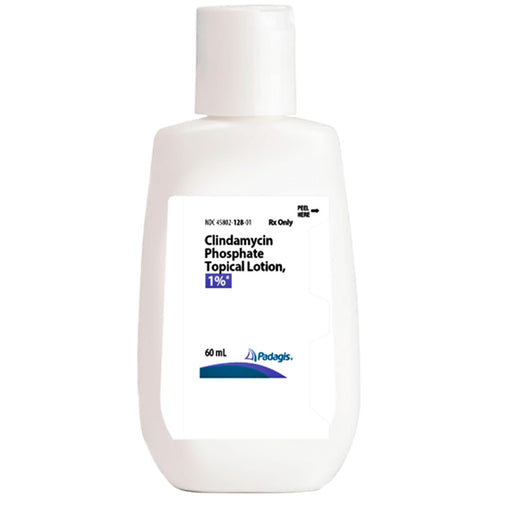 Sale 25%
Clindamycin Lotion 1% Acne Treatment Antibiotic Skin Lotion 60 mg
Original price $ 78.95Current price $ 59.00🔒 Medical License Required -

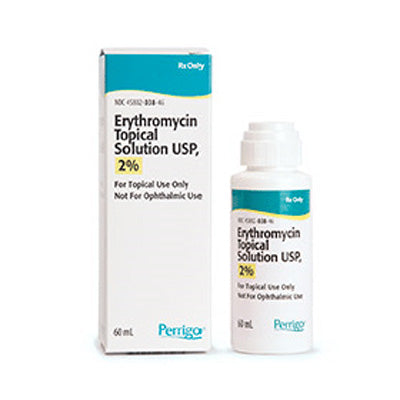 Sale 44%
Erythromycin Topical Solution 2%, 60 grams
Original price $ 49.95Current price $ 27.95🔒 Medical License Required -
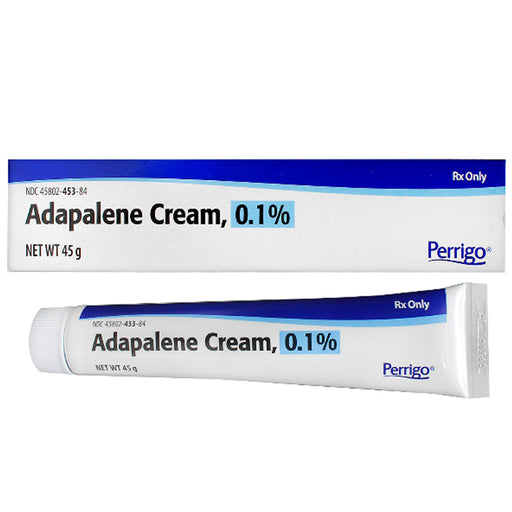 Sale 22%
Adapalene Topical Cream 0.1% 45 gram
Original price $ 199.95Current price $ 155.00🔒 Medical License Required -

 This item is sold out
-

 Sale 31%
Clindamycin Phosphate 1% Topical Solution 30 mL (RX)
Original price $ 65.00Current price $ 45.00🔒 Medical License Required -

 Sale 28%
Tretinoin Cream 0.025% Tube 45 gram (Rx)
Original price $ 275.00Current price $ 199.00🔒 Medical License Required -

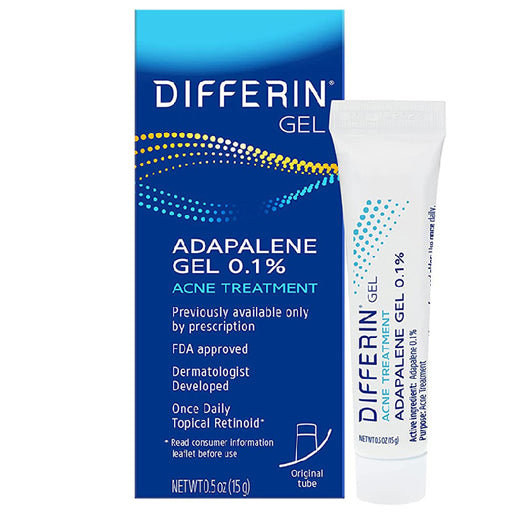 Sale 39%
Differin Gel 0.1% Retinoid Adapalene for Acne Treatment
Original price $ 34.95Current price $ 21.251 review -

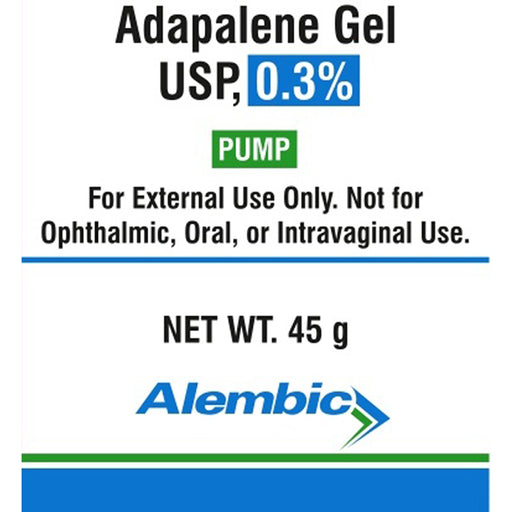 Sale 27%
Alembic Adapalene 0.3% Gel Pump, 45 Gram (Generic Differin) (Rx)
Original price $ 199.95Current price $ 145.10🔒 Medical License Required -

 Sale 22%
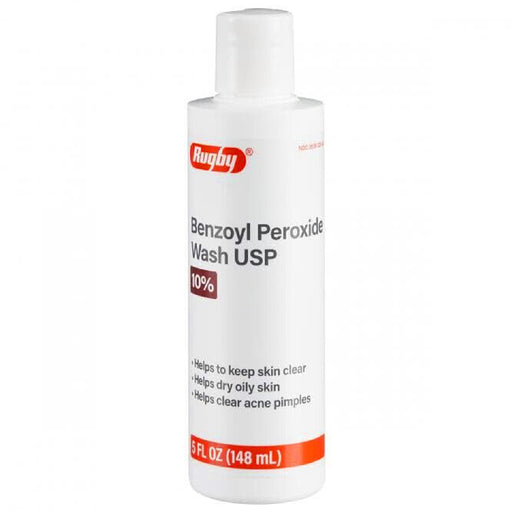
Alembic Adapalene Topical Gel 0.3% Acne Treatment 45 Gram Tube (Rx)
Original price $ 125.00Current price $ 97.00🔒 Medical License Required -

 This item is sold out
-

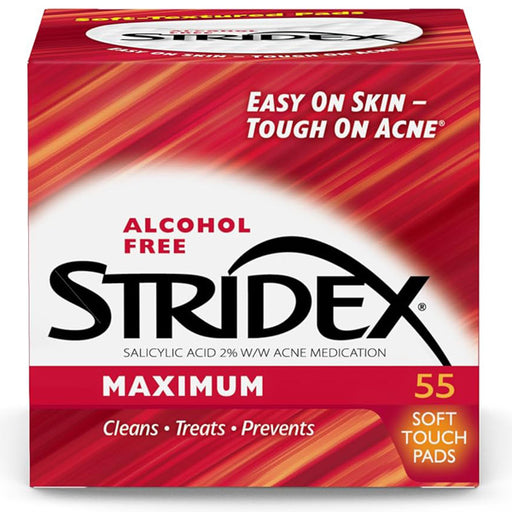 Sale 21%
Stridex Alcohol-free Maximum Strength Acne Pads, 55 Count
Original price $ 6.29Current price $ 4.99


People Also Searched For
Shop our #1 Acne Medicines for fast, effective acne treatment and clear, healthy skin. Trusted by dermatologists, our FDA-approved creams, gels, and oral medications target acne causes—reducing inflammation, unclogging pores, and preventing breakouts. Perfect for all skin types, including sensitive skin, our acne solutions help treat blackheads, whiteheads, cystic acne, and blemishes. Achieve smoother, radiant skin and optimal acne control with our top-rated acne medicines.
Acne Treatments
Acne vulgaris is an inflammatory skin condition of the hair follicles and oil (sebaceous) glands. It is driven by excess sebum (oil) production, clogged pores (comedones), Cutibacterium acnes bacteria, and inflammation. Acne manifests as whiteheads, blackheads, pimples, or cysts, and can range from mild to severe. Treatments aim to target these factors – for example, by reducing oil, preventing pores from plugging, killing acne bacteria, or calming inflammation. The choice of therapy depends on acne severity, patient age, and tolerability. Mild acne often starts with topical treatments, while more severe cases may need oral (systemic) medications. Current guidelines advise that topical retinoids can benefit any acne severity (including maintenance therapy), and that topical or oral antibiotics should only be used with benzoyl peroxide or retinoids (to avoid resistance) and for a limited time. Potent oral isotretinoin is generally reserved for severe, treatment-resistant acne.
Topical therapies
- Topical retinoids: Tretinoin, adapalene, and tazarotene (vitamin A derivatives) are applied as creams or gels. They normalize follicle cell turnover and prevent clogged pores. These agents treat both comedonal (noninflammatory) and inflammatory acne and are often used long-term for maintenance. Side effects are common and include skin dryness, flaking, redness, and increased sun sensitivity. (Use sparingly at first and always apply sunscreen.)
- Benzoyl peroxide: An antimicrobial and mild peeling agent. It kills C. acnes bacteria and causes mild exfoliation of skin (keratolytic). Benzoyl peroxide is available over-the-counter in 2.5–10% strengths. It reduces oil and acne-causing bacteria in pores, and unlike antibiotics it does not induce bacterial resistance. It is often combined with topical antibiotics or retinoids in treatment regimens. Side effects include skin irritation, dryness, and bleaching of fabrics or hair.
- Topical antibiotics: Clindamycin or erythromycin gels/lotions kill C. acnes and reduce inflammation. They are typically applied once or twice daily. Because bacteria can become resistant, topical antibiotics are almost always paired with benzoyl peroxide (and/or a retinoid). For example, clindamycin+BPO or erythromycin+BPO combos are common. Topical antibiotics alone are generally not recommended. Common side effects are mild redness or irritation at the application site.
- Other topical agents: Azelaic acid, salicylic acid, and dapsone are additional options. Azelaic acid (15–20% cream/gel) has antibacterial and exfoliating properties and can improve post-acne pigmentation. It is effective for mild-to-moderate acne and is safe in pregnancy. Salicylic acid (found in many OTC washes, usually 0.5–2%) gently peels the skin to clear pores, though evidence is less robust. Topical dapsone gel (5%) is an anti-inflammatory antibiotic gel often used for inflammatory acne, particularly in adult women. Side effects of these agents typically include skin redness or dryness.
Systemic therapies
- Oral antibiotics: For moderate-to-severe acne, dermatologists often prescribe oral antibiotics. First-line are tetracyclines (doxycycline, minocycline), which kill C. acnes and have anti-inflammatory effects). (If tetracyclines cannot be used, alternatives include erythromycin, azithromycin or other antibiotics.) Oral antibiotics are taken for a limited duration (often 6–12 weeks) to reduce bacterial resistance. They are usually combined with a topical agent (benzoyl peroxide and/or a retinoid). Side effects can include stomach upset, increased sun sensitivity, and rarely yeast infections.
- Hormonal therapy (women): In female patients, hormonal treatments can help. Certain combined oral contraceptive pills (estrogen + progestin) are FDA-approved for acne and can be very effective. Examples include Ortho Tri-Cyclen, Yaz, and others. These pills may take a few months to improve acne, and side effects may include weight gain, breast tenderness, and a higher risk of blood clots. Another option is spironolactone (an anti-androgen) which blocks the effect of male hormones on oil glands. Spironolactone can reduce oil production and improve hormonal acne, but may cause menstrual irregularities or breast tenderness. (Hormonal therapies are used only when appropriate; they do not treat acne in men or those not producing ovarian hormones.)
- Oral isotretinoin: An oral vitamin A (retinoid) pill reserved for severe, recalcitrant acne. It works on all four acne factors: shrinking sebaceous glands, normalizing skin cell shedding, reducing bacteria, and calming inflammation. A typical course is taken over 4–6 months at about 0.5–1 mg/kg/day. Isotretinoin often produces dramatic clearance of nodular or cystic acne. However, it has significant side effects: it causes very dry skin, lips and eyes, muscle/joint aches, elevated blood lipids, and can affect mood. Most critically, isotretinoin is highly teratogenic (causes birth defects). Women of childbearing potential must have frequent pregnancy tests and use two forms of birth control (programs like iPledge enforce this). Patients are monitored closely by their dermatologist during treatment.
Disclaimer: This information is for general educational purposes only and is not medical advice. Treatment should be individualized and guided by a healthcare professional. If you have acne, consult a dermatologist or doctor to find the safest and most effective therapy for you.