 Skip to content





Filters
Filters
Acne Treatment Products for Rosacea
-

 Sale 29%
🔒 Medical License Required
Sale 29%
🔒 Medical License Required
-
 Sale 16%
🔒 Medical License Required
Sale 16%
🔒 Medical License Required
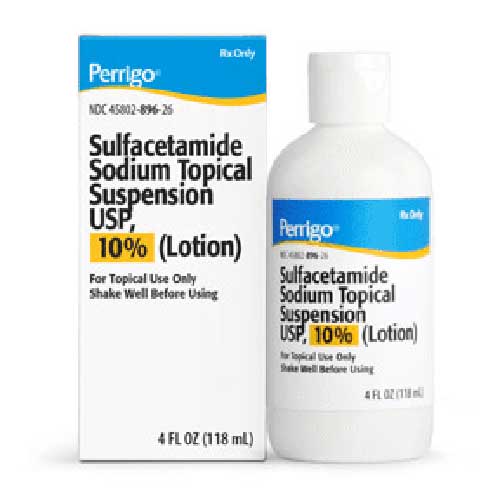
Sulfacetamide Sodium Lotion 10% Topical Suspension for Acne & Rosacea 118 mL
16% OFFOriginal price $ 215.00Current price $ 179.95 -

 This item is sold out
🔒 Medical License Required
This item is sold out
🔒 Medical License Required
Azelaic Acid Gel 15% Topical 50 gram by Sandoz (Rx)
21% OFFOriginal price $ 298.00Current price $ 235.00 -

 Sale 27%
🔒 Medical License Required
Sale 27%
🔒 Medical License Required
Metronidazole Gel 0.75% Topical-Use 45 grams (Rx)
27% OFFOriginal price $ 298.00Current price $ 219.00 -

 Sale 34%
🔒 Medical License Required
Sale 34%
🔒 Medical License Required
Erythromycin and Benzoyl Peroxide Topical Gel 3.5% USP 23.3 gram Jar
34% OFFOriginal price $ 119.95Current price $ 79.00 -
 Sale 23%
🔒 Medical License Required
Sale 23%
🔒 Medical License Required
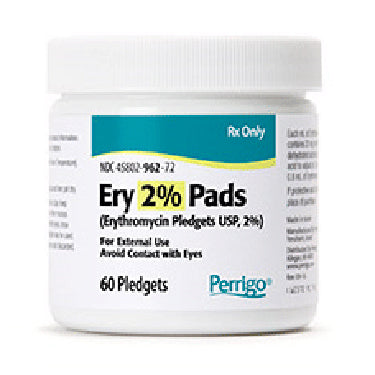
Ery 2% Pads Erythromycin Antibiotic Acne Treatment
23% OFFOriginal price $ 195.95Current price $ 149.95 -
 Sale 33%
🔒 Medical License Required
Sale 33%
🔒 Medical License Required
Ivermectin Cream 1% by Padagis 45 gram Tube (RX)
33% OFFOriginal price $ 379.00Current price $ 255.00 -
 Sale 29%
🔒 Medical License Required
Sale 29%
🔒 Medical License Required
Metronidazole Cream 0.75% Topical Rosacea Cream 45 grams (RX)
29% OFFOriginal price $ 65.95Current price $ 47.00 -

 This item is sold out
🔒 Medical License Required
This item is sold out
🔒 Medical License Required
Azelaic Acid Gel 15% Topical 50 grams (Rx)
5.0 (1) 5.0 out of 5 stars, 1 review36% OFFOriginal price $ 129.95Current price $ 83.00 -
 Sale 37%
🔒 Medical License Required
Sale 37%
🔒 Medical License Required
Metronidazole Gel 0.75% Topical-Use 45 grams by Encube (RX)
37% OFFOriginal price $ 37.95Current price $ 24.00


People Also Searched For
Acne treatment products are the many medications and skincare items used to reduce acne (whiteheads, blackheads, pimples, etc.). These range from over-the-counter (OTC) cleansers and creams to prescription drugs. Common categories and active ingredients include:
-
Topical OTC cleansers and lotions: For mild acne, gentle washes often contain benzoyl peroxide or salicylic acid to unclog pores and kill bacteria. Benzoyl peroxide is a potent antibacterial agent that also peels off dead skin cells (exfoliant). Salicylic acid (a β-hydroxy acid) helps dissolve the debris clogging pores. Other cosmetic acne products may contain alpha-hydroxy acids (e.g. glycolic acid), sulfur, niacinamide (vitamin B3), linoleic acid or zinc – all of which can help normalize skin cells or reduce inflammation. (General skincare: Non-comedogenic moisturizers and oil-free sunscreen are also recommended adjuncts.)
-
Topical prescription medications: If OTC treatments aren’t enough, dermatologists prescribe stronger topicals. Retinoids (vitamin A–derived creams/gels) like tretinoin, adapalene or tazarotene are standard for moderate acne. They normalize follicle lining and prevent clogging. Topical antibiotics (clindamycin or erythromycin) are used to kill Cutibacterium acnes bacteria and reduce inflammation. (Clinicians often combine them with benzoyl peroxide to prevent antibiotic resistance) Other prescription topicals include azelaic acid (a natural acid with antibacterial and anti-keratinization effects), salicylic acid (high-strength formulations), and dapsone gel (an anti-inflammatory agent).
-
Combination products: Many modern acne products combine these actives. For example, fixed combinations of benzoyl peroxide with a retinoid or antibiotic are common first-line therapies). Adapalene + benzoyl peroxide gel (e.g. Epiduo) or clindamycin + benzoyl peroxide (Duac) are examples. These combinations attack different causes (bacteria, clogged pores, inflammation) simultaneously.
-
Oral medications: For moderate-to-severe acne or when topicals alone aren’t enough, doctors may add oral treatments. Antibiotic pills (tetracyclines like doxycycline or minocycline, or macrolides) reduce skin bacteria and inflammation. They are used short-term (typically <3–4 months) alongside topicals. Hormonal therapies in women (certain birth-control pills or spironolactone) can lower sebum production and improve acne. For the most severe cystic acne, oral isotretinoin (a vitamin A derivative) is prescribed– it dramatically shrinks oil glands and clears acne but has significant side effects (teratogenicity, etc.).
-
Procedural and adjunctive products: Dermatology clinics also use procedures and prescriptions not in an “OTC bottle,” but they’re part of acne management. These include chemical peels (salicylic or glycolic acid solutions), laser/light therapies (blue/red light devices for acne bacteria), comedone extraction tools, and intralesional steroid injections for nodules. While not “products” in a pharmacy sense, such treatments complement topical/oral therapies.
In summary, acne products range from simple drugstore washes (benzoyl peroxide washes, salicylic acid scrubs) to prescription creams (retinoids, azelaic acid, antibiotic gels) to oral drugs (antibiotics, hormonal agents, isotretinoin). Combination therapy is common. References note that first-line acne treatments include topical retinoids and benzoyl peroxide (with or without antibiotics), with more aggressive drugs (oral antibiotics or isotretinoin) reserved for harder cases.