
Filters
- Allergy Antihistamine (6)
- Allergy Relief Spray (3)
- antihistamine spray (5)
- Azelastine (3)
- Azelastine Hydrochloride (3)
- doctor-only (4)
- Nasal Congestion Relief (3)
- Nasal Spray (7)
- Steroid (2)
- Allergy Spray (2)
- astepro (2)
- astepro allergy (2)
- Azelastine Hydrochloride 0.1% (1)
- Hay Fever (2)
- Vasomotor (1)
- Vasomotor Rhinitis (1)
- Childrens Astepro (1)
- Acetonide (1)
- congestion (1)
- glucocorticoid (1)
- Glucocorticoids (1)
- sinus congestion (1)
- Sinus Congestion Relief (1)
- Triamcinolone Acetonide (1)
- Triamcinolone Acetonide Spray (1)
- Allergic Rhinitis (1)
- allergy medicine (1)
- Allergy Relief Medicine (1)
- Blocks H1 Receptors (1)
- Olopatadine (1)
- Olopatadine Hydrochloride (1)
- Olopatadine Nasal Spray (1)
- Patanase (1)
- Runny Nose (1)
- sneezing (1)
- 24 hour relief (1)
- 24 hours allergy relief (1)
- allergies (1)
- Allergy Medicaine (1)
- flonase (1)
- Fluticasone Propionate (1)
- nasal allergies (1)
- Flonase (1)
- Fluticasone Propionate ( (1)
Antihistamine Medicines
Antihistamines are medicines commonly used to relieve symptoms of allergic reactions. They work by blocking the action of histamine, a chemical your body releases during an allergy response that causes sneezing, itching, runny nose, and swelling. By preventing histamine from binding to its receptors in your body, antihistamines help reduce these symptoms and make you feel better. Most people know antihistamines as allergy pills (for hay fever, pet allergies, or hives), but they can also be used for other conditions – for example, some are taken to prevent motion sickness or treat nausea, and certain ones can even be used short-term as nighttime sleep aids. In essence, antihistamine medications turn down your body’s histamine-driven reactions, whether in the nose, skin, eyes, or elsewhere.
Over-the-Counter Antihistamine Tablets: Many antihistamine medications are available without a prescription, often sold as tablets or capsules like the ones shown above. People frequently keep these on hand to manage seasonal allergies (hay fever) or sudden allergy symptoms such as hives from food or pollen exposure. Antihistamines are also ingredients in many combination cold and flu remedies – they help dry up a runny nose and can make you a bit drowsy, which is why “night-time” cold medicines often include them. Because these drugs are so common, it’s important to read labels (especially if taking multiple medicines) to avoid doubling up on similar antihistamine ingredients.
Antihistamine medicines are a cornerstone of allergy relief. They come in many varieties, allowing you to choose one that fits your needs – whether it’s a non-drowsy pill for daytime hay fever or a sedating syrup at bedtime for itchy hives. When used properly, antihistamines can significantly improve comfort for people suffering from allergies or related conditions by calming the body’s overactive histamine signals. As with any medication, it’s important to use them responsibly: stick to recommended doses, be mindful of side effects, and seek medical advice if you have any concerns or if your symptoms are not improving. With the right antihistamine, most people can successfully keep allergy symptoms in check and carry on with daily life with much less discomfort.
-
 Sale 32%
Original price $ 28.95Current price $ 19.59
Sale 32%
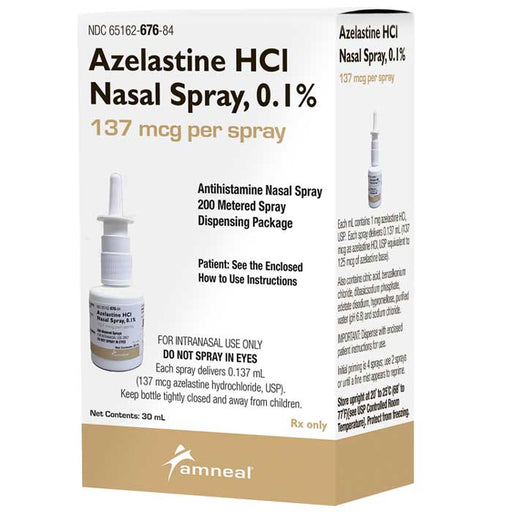
Original price $ 28.95Current price $ 19.59Azelastine Nasal Spray 137 mcg (Rx)
No reviewsAzelastine Nasal Spray 137 mcg, manufactured by Amneal Pharmaceuticals, is a leading prescription antihistamine nasal spray formulated for fast-act...
View full details🔒 Medical License Required -
 Sale 23%
Original price $ 29.95Current price $ 23.00
Sale 23%
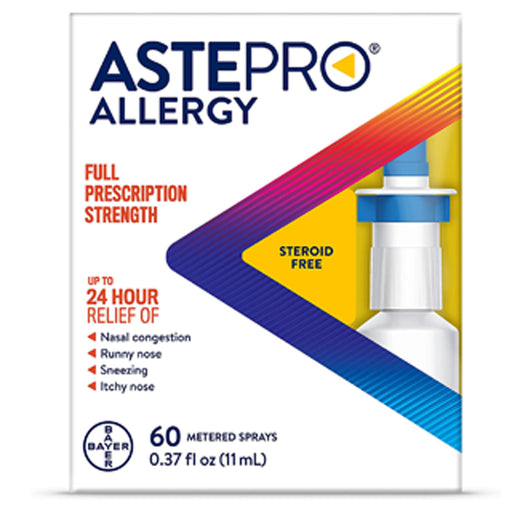
Original price $ 29.95Current price $ 23.00Astepro Allergy Nasal Spray, 24-Hour Allergy Relief, Steroid-Free Antihistamine, 60 Metered Sprays
No reviewsAstepro Allergy is the first and only 24 hour, steroid-free nasal spray for allergy relief. While steroid allergy sprays may take hours to start wo...
View full details -
 Sale 26%
Original price $ 22.95Current price $ 16.95
Sale 26%
Original price $ 22.95Current price $ 16.95Azelastine Hydrochloride 0.1% Nasal Spray by Aurobindo Pharma (RX)
No reviewsAurobindo Azelastine Hydrochloride Allergy Relief Nasal Spray is a highly effective medication that is used to alleviate the symptoms of seasonal a...
View full details🔒 Medical License Required -
 Sold out
Original price $ 26.95Current price $ 21.00
Sold out
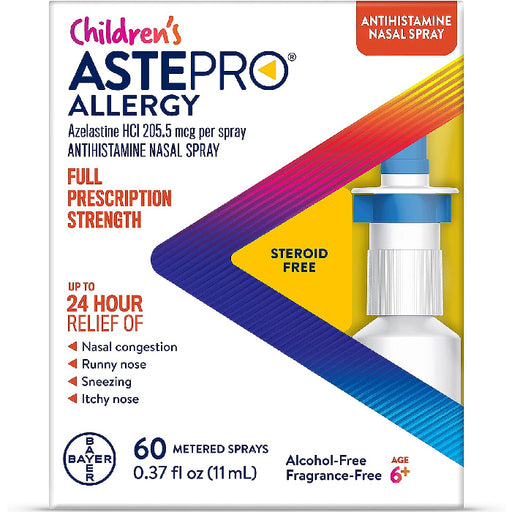
Original price $ 26.95Current price $ 21.00Children's Astepro Allergy Nasal Spray 24-Hour Allergy Relief, Nasal Congestion, Runny Nose, 60 Metered Sprays
No reviewsChildren's Astepro Allergy Nasal Spray is a highly effective and trusted solution for providing 24-hour relief from a multitude of allergy symptoms...
View full details -
 Sale 35%
Original price $ 26.95Current price $ 17.50
Sale 35%
Original price $ 26.95Current price $ 17.50Allergy Nasal Spray Multi-Symptom Relief Triamcinolone Acetonide 55 mcg (glucocorticoid)
No reviewsExperience Fast, Powerful Relief from Allergies Discover the ultimate solution for seasonal and year-round allergy symptoms with Leader Allergy Nas...
View full details -
 Sale 31%
Original price $ 79.95Current price $ 54.95
Sale 31%
Original price $ 79.95Current price $ 54.95Olopatadine Hydrochloride Nasal Spray (Nasal Solution) 665 mcg (RX)
No reviewsOlopatadine Hydrochloride nasal spray is used to treat symptoms of seasonal allergic rhinitis, such as nasal congestion, sneezing, and runny or itc...
View full details🔒 Medical License Required -
 Sale 35%
Original price $ 39.95Current price $ 25.95
Sale 35%
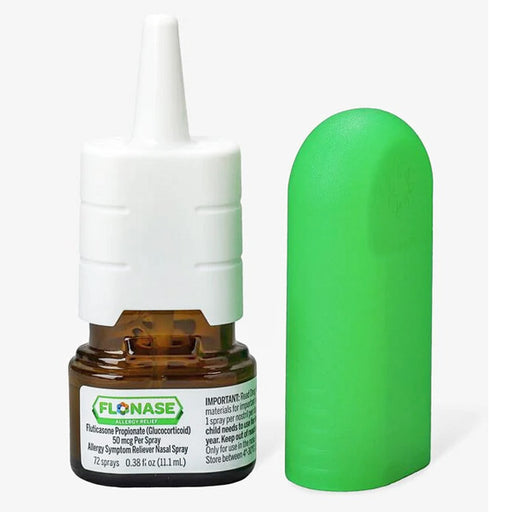
Original price $ 39.95Current price $ 25.95Flonase Allergy Relief Nasal Spray 72 Sprays
No reviewsFlonase Allergy Relief Nasal Spray is a medication used to treat symptoms of seasonal and year-round allergies, such as sneezing, runny nose, and n...
View full details -
 Sale 40%
Original price $ 12.95Current price $ 7.75
Sale 40%
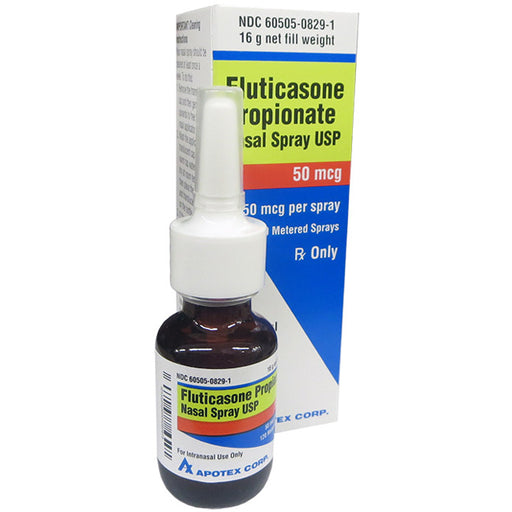
Original price $ 12.95Current price $ 7.75Fluticasone Propionate (Flonase) Nasal Spray 15mL (Rx)
6 reviewsFluticasone Propionate Nasal Spray is a corticosteroid used to treat nasal symptoms such as congestion, sneezing, and runny nose caused by allergie...
View full details🔒 Medical License Required


People Also Searched For
Antihistamines are medicines commonly used to relieve symptoms of allergic reactions. They work by blocking the action of histamine, a chemical your body releases during an allergy response that causes sneezing, itching, runny nose, and swelling. By preventing histamine from binding to its receptors in your body, antihistamines help reduce these symptoms and make you feel better. Most people know antihistamines as allergy pills (for hay fever, pet allergies, or hives), but they can also be used for other conditions – for example, some are taken to prevent motion sickness or treat nausea, and certain ones can even be used short-term as nighttime sleep aids. In essence, antihistamine medications turn down your body’s histamine-driven reactions, whether in the nose, skin, eyes, or elsewhere.
Over-the-Counter Antihistamine Tablets: Many antihistamine medications are available without a prescription, often sold as tablets or capsules like the ones shown above. People frequently keep these on hand to manage seasonal allergies (hay fever) or sudden allergy symptoms such as hives from food or pollen exposure. Antihistamines are also ingredients in many combination cold and flu remedies – they help dry up a runny nose and can make you a bit drowsy, which is why “night-time” cold medicines often include them. Because these drugs are so common, it’s important to read labels (especially if taking multiple medicines) to avoid doubling up on similar antihistamine ingredients.
Antihistamine medicines are a cornerstone of allergy relief. They come in many varieties, allowing you to choose one that fits your needs – whether it’s a non-drowsy pill for daytime hay fever or a sedating syrup at bedtime for itchy hives. When used properly, antihistamines can significantly improve comfort for people suffering from allergies or related conditions by calming the body’s overactive histamine signals. As with any medication, it’s important to use them responsibly: stick to recommended doses, be mindful of side effects, and seek medical advice if you have any concerns or if your symptoms are not improving. With the right antihistamine, most people can successfully keep allergy symptoms in check and carry on with daily life with much less discomfort.
How Antihistamine Medicine Works
When you have an allergic reaction, your immune system releases a substance called histamine. Histamine binds to H1 receptors on cells, triggering the familiar allergy symptoms – widening of blood vessels (leading to redness and swelling), irritation of nerves (itching), and mucus production (sneezing and runny nose). Antihistamine medicines block the H1 histamine receptors, so that histamine can’t attach to cells and exert its effects. With the receptors blocked, the cascade of allergy symptoms is blunted or stopped. (There are other types of histamine receptors too – for example, H2 receptors in the stomach that cause acid release. Drugs like famotidine (Pepcid®) are H2-blocking antihistamines for heartburn, but when people say “antihistamines” they usually mean the H1 blockers for allergies
Types of Antihistamines (Sedating vs. Non-Sedating)
There are many antihistamine drugs, but they are often grouped into two main categories: those that can cause drowsiness (“first-generation” antihistamines) and those that are much less likely to make you sleepy (**“second-generation” antihistamines). First-generation antihistamines are older, and they enter the brain easily – this often leads to sedation (making you feel sleepy) as a side effect. These include medicines like diphenhydramine (Benadryl®), chlorpheniramine (Chlor-Trimeton®), clemastine, promethazine, and hydroxyzine, among others. They can relieve allergy symptoms well, and sometimes their sedative effect is intentionally used – for example, taking diphenhydramine at night for allergy-induced insomnia or using promethazine to ease nausea and help a patient rest.
By contrast, second-generation antihistamines are newer medications that are non-drowsy (or at least far less sedating). These drugs were designed to not cross into the brain as much, so they primarily work in the rest of the body to quell allergy symptoms without causing sleepiness. Common second-generation antihistamines include loratadine (Claritin®), cetirizine (Zyrtec®), fexofenadine (Allegra®), desloratadine (Clarinex®), and levocetirizine (Xyzal®). Most people prefer these for daytime allergy relief because they control sneezing, runny nose, and itchiness without making you drowsy. It’s worth noting that even “non-drowsy” antihistamines can occasionally cause mild sleepiness in some individuals, but overall they have fewer side effects than the first-generation class
Common Antihistamine Medications:
- Diphenhydramine – (Benadryl®) First-generation; causes drowsiness. Often used for quick allergy relief and as a nighttime sleep aid for its sedative effect.
- Chlorpheniramine – (Chlor-Trimeton®) First-generation; mildly sedating. Used for hay fever, often in older cold/allergy formulations.
- Promethazine – (Phenergan®) First-generation; sedating. Used for severe allergies, motion sickness, and nausea; prescription in many places.
- Loratadine – (Claritin®) Second-generation; non-drowsy. Popular over-the-counter pill for seasonal allergies (once-daily dosing).
- Cetirizine – (Zyrtec®) Second-generation; low-drowsiness. Effective for allergic rhinitis and hives; taken once daily (may cause slight sleepiness in some).
- Fexofenadine – (Allegra®) Second-generation; non-drowsy. Another OTC option for allergies, often preferred for not causing sedation.
Antihistamines also come in a variety of forms besides oral tablets. There are liquid antihistamine syrups (often given to children or people who have trouble swallowing pills), and disintegrating tablets that melt in the mouth. For localized symptoms, you can find antihistamine eye drops (e.g., ketotifen or olopatadine for itchy eyes) and nasal sprays (e.g., azelastine for allergic nasal symptoms) that deliver the medicine right where it’s needed. There are even topical antihistamine creams or gels for itching – for example, to soothe insect bite reactions or mild allergic rashes on the skin. All of these work on the same principle of blocking histamine, but the choice of form depends on which symptoms you’re treating (eyes, nose, skin, or general allergy symptoms).
Antihistamine Side Effects and Safety
Because histamine has effects in various parts of the body, blocking it can cause some side effects. The most well-known side effect is drowsiness. First-generation antihistamines (like diphenhydramine) often cause marked sleepiness, which is why you should avoid driving or operating heavy machinery after taking them. They also have what are called anticholinergic effects: common ones include dry mouth, dry eyes, blurred vision, dizziness, constipation, and difficulty urinating. Some people (especially children) might experience the opposite of drowsiness and get a bit hyper or restless – but this is less common. Second-generation antihistamines, on the other hand, cause far fewer side effects; they are designed to target the allergy symptoms without affecting other systems as much.
In terms of safety, antihistamines are generally considered safe when used as directed, but there are a few precautions to keep in mind. Avoid mixing multiple antihistamine medicines at the same time – for example, don’t take an allergy pill and a “PM” cold medicine together, since both may contain antihistamines. Taking more than one can increase side effects or risk an overdose. Also, be careful about alcohol or sedatives (like sleeping pills or anti-anxiety drugs) if you’ve taken a drowsy antihistamine, as the sedative effects can add up. Many antihistamines are over-the-counter, but some stronger ones are prescription-only; always follow dosing instructions, and if symptoms persist or you need to use an antihistamine daily for a long time, it’s wise to consult a healthcare provider. Certain individuals – such as people with glaucoma, enlarged prostate, asthma, or liver/kidney disease – should check with a doctor or pharmacist, because some antihistamines might not be ideal for them. Additionally, first-generation antihistamines are not recommended for young children (usually under age 4) due to potential risks. Pregnant or breastfeeding women should also talk to a healthcare provider before using antihistamines, to choose one that’s known to be safe for them.
How Antihistamine Medicine Works
When you have an allergic reaction, your immune system releases a substance called histamine. Histamine binds to H1 receptors on cells, triggering the familiar allergy symptoms – widening of blood vessels (leading to redness and swelling), irritation of nerves (itching), and mucus production (sneezing and runny nose). Antihistamine medicines block the H1 histamine receptors, so that histamine can’t attach to cells and exert its effects. With the receptors blocked, the cascade of allergy symptoms is blunted or stopped. (There are other types of histamine receptors too – for example, H2 receptors in the stomach that cause acid release. Drugs like famotidine (Pepcid®) are H2-blocking antihistamines for heartburn, but when people say “antihistamines” they usually mean the H1 blockers for allergies
Types of Antihistamines (Sedating vs. Non-Sedating)
There are many antihistamine drugs, but they are often grouped into two main categories: those that can cause drowsiness (“first-generation” antihistamines) and those that are much less likely to make you sleepy (**“second-generation” antihistamines). First-generation antihistamines are older, and they enter the brain easily – this often leads to sedation (making you feel sleepy) as a side effect. These include medicines like diphenhydramine (Benadryl®), chlorpheniramine (Chlor-Trimeton®), clemastine, promethazine, and hydroxyzine, among others. They can relieve allergy symptoms well, and sometimes their sedative effect is intentionally used – for example, taking diphenhydramine at night for allergy-induced insomnia or using promethazine to ease nausea and help a patient rest.
By contrast, second-generation antihistamines are newer medications that are non-drowsy (or at least far less sedating). These drugs were designed to not cross into the brain as much, so they primarily work in the rest of the body to quell allergy symptoms without causing sleepiness. Common second-generation antihistamines include loratadine (Claritin®), cetirizine (Zyrtec®), fexofenadine (Allegra®), desloratadine (Clarinex®), and levocetirizine (Xyzal®). Most people prefer these for daytime allergy relief because they control sneezing, runny nose, and itchiness without making you drowsy. It’s worth noting that even “non-drowsy” antihistamines can occasionally cause mild sleepiness in some individuals, but overall they have fewer side effects than the first-generation class
Common Antihistamine Medications:
- Diphenhydramine – (Benadryl®) First-generation; causes drowsiness. Often used for quick allergy relief and as a nighttime sleep aid for its sedative effect.
- Chlorpheniramine – (Chlor-Trimeton®) First-generation; mildly sedating. Used for hay fever, often in older cold/allergy formulations.
- Promethazine – (Phenergan®) First-generation; sedating. Used for severe allergies, motion sickness, and nausea; prescription in many places.
- Loratadine – (Claritin®) Second-generation; non-drowsy. Popular over-the-counter pill for seasonal allergies (once-daily dosing).
- Cetirizine – (Zyrtec®) Second-generation; low-drowsiness. Effective for allergic rhinitis and hives; taken once daily (may cause slight sleepiness in some).
- Fexofenadine – (Allegra®) Second-generation; non-drowsy. Another OTC option for allergies, often preferred for not causing sedation.
Antihistamines also come in a variety of forms besides oral tablets. There are liquid antihistamine syrups (often given to children or people who have trouble swallowing pills), and disintegrating tablets that melt in the mouth. For localized symptoms, you can find antihistamine eye drops (e.g., ketotifen or olopatadine for itchy eyes) and nasal sprays (e.g., azelastine for allergic nasal symptoms) that deliver the medicine right where it’s needed. There are even topical antihistamine creams or gels for itching – for example, to soothe insect bite reactions or mild allergic rashes on the skin. All of these work on the same principle of blocking histamine, but the choice of form depends on which symptoms you’re treating (eyes, nose, skin, or general allergy symptoms).
Antihistamine Side Effects and Safety
Because histamine has effects in various parts of the body, blocking it can cause some side effects. The most well-known side effect is drowsiness. First-generation antihistamines (like diphenhydramine) often cause marked sleepiness, which is why you should avoid driving or operating heavy machinery after taking them. They also have what are called anticholinergic effects: common ones include dry mouth, dry eyes, blurred vision, dizziness, constipation, and difficulty urinating. Some people (especially children) might experience the opposite of drowsiness and get a bit hyper or restless – but this is less common. Second-generation antihistamines, on the other hand, cause far fewer side effects; they are designed to target the allergy symptoms without affecting other systems as much.
In terms of safety, antihistamines are generally considered safe when used as directed, but there are a few precautions to keep in mind. Avoid mixing multiple antihistamine medicines at the same time – for example, don’t take an allergy pill and a “PM” cold medicine together, since both may contain antihistamines. Taking more than one can increase side effects or risk an overdose. Also, be careful about alcohol or sedatives (like sleeping pills or anti-anxiety drugs) if you’ve taken a drowsy antihistamine, as the sedative effects can add up. Many antihistamines are over-the-counter, but some stronger ones are prescription-only; always follow dosing instructions, and if symptoms persist or you need to use an antihistamine daily for a long time, it’s wise to consult a healthcare provider. Certain individuals – such as people with glaucoma, enlarged prostate, asthma, or liver/kidney disease – should check with a doctor or pharmacist, because some antihistamines might not be ideal for them. Additionally, first-generation antihistamines are not recommended for young children (usually under age 4) due to potential risks. Pregnant or breastfeeding women should also talk to a healthcare provider before using antihistamines, to choose one that’s known to be safe for them.