 Skip to content


Filters
- Allergic Reaction (6)
- Allergic Reaction Treatments (4)
- allergic reactions (4)
- Allergy Injection (1)
- Allergy Relief (15)
- Antihistamine (27)
- benadryl (1)
- Buy at Mountainside Medical (1)
- Diphenhydramine (2)
- Diphenhydramine for Injection (3)
- doctor-only (16)
- Ethanolamine derivatives (1)
- Motion Sickness (3)
- Motion SIckness Relief (3)
- Near Me (1)
- Parkinsonism (1)
- Severe Allergic Reactions (1)
- Allergy Medicaine (6)
- allergy medicine (8)
- Allergy Relief Caplets (1)
- allergy relief pills (1)
- Allergy Tablets (1)
- antihistamine for allergies (1)
- Benadryl (9)
- Benadryl Dye Free (3)
- Benadryl Tablets (1)
- Benedryl (2)
- best OTC sleep aid (1)
- diphenhydramine (10)
- Diphenhydramine 25mg (1)
- Diphenhydramine HCI 25mg (1)
- Diphenhydramine HCl (10)
- Diphenhydramine Hydrochloride (4)
- Hay Fever (5)
- Insomnia (1)
- insomnia relief (2)
- itchy eyes relief (1)
- night time allergy relief (1)
- Nigth time sleep aid (2)
- Relief Waterly Eyes (1)
- Relieve Runny Nose (1)
- Sleep aid (4)
- sleep aid tablets (1)
- 24 hours allergy relief (8)
- Allergies (5)
- claritin (3)
- claritin allergy relief (3)
- Loratadine (2)
- Loratadine 10 mg (1)
- Loratadine 10mg (2)
- Loratadine Allergy Relief (1)
- non drowsy (1)
- Relieve seasonal allergies (1)
- Allergy Symptoms (1)
- Cetirizine Hydrochloride (1)
- Chronic Urticaria (1)
- generic zyrtec (3)
- Histamine (7)
- Hives (1)
- indoor allergies (1)
- outdoor allergies (1)
- runny nose (3)
- sneezing (9)
- Sneezing Relief (1)
- Allergy Cream (1)
- Fleas (1)
- histamine blocker (1)
- Insect Bites (1)
- mosquitoes (1)
- Poison Ivy (2)
- Poison Oak (2)
- Poison Sumac (2)
- Rash (1)
- Stings (1)
- Ticks (1)
- Allergy Relief Medications (7)
- Histamine blocker (5)
- Nausea (1)
- Nausea Relief (1)
- Phenothiazines (3)
- Prevent nausea (1)
- Promethazine (6)
- Promethazine Hydrochloride (5)
- Sleep medicine (1)
- Allergy Nasal Spray (1)
- Apotex Corp (1)
- Azelastine Hydrochloride (3)
- allergy tablets (2)
- anxiety medication (1)
- Atarax (3)
- Eczema (3)
- eczema itching relief (1)
- Eczema Medicine (3)
- hives relief (1)
- Hydroxyzine (3)
- hydroxyzine for anxiety (1)
- hydroxyzine for sleep (1)
- Hydroxyzine HCL (3)
- Hydroxyzine hydrochloride (3)
- hydroxyzine hydrochloride 25 mg (1)
- Hydroxyzine Tablets (3)
- itching medication (1)
- ntihistamine allergy relief (1)
- pruritus treatment (1)
- Treat Eczema (3)
- Itchy eyes (4)
- Itchy Throat (1)
- Relieve Itchy Eyes (4)
- Ultratab (1)
- Allergy Relief Nasal Spray (2)
- antihistamine spray (2)
- Nasal Congestion Relief (2)
- Steroid (2)
- Anaphylaxis (1)
- Cherry Flavor (1)
- Oral Solution (1)
- Allergy Medicine (1)
- cetirizine (1)
- Cetirizine Tablets (2)
- Indoor allergies (1)
- Outdoor allergies (1)
- Rugby Laboratories (1)
- watery eyes (2)
- Zyrtec (3)
- Alleergy Medicine (1)
- Dye Free Allergy Medicine (1)
- Relieve Allergies (1)
- Anti-itch (1)
- Anti-Itch Relief Spray (1)
- Anti-Itch Spray (1)
- Benadryl Spray (1)
- Histamine blocking (1)
- Insect bites (2)
- Itch relief (1)
- Skin rash (2)
- Phenadoz (1)
- Phenergan (1)
- Promethazine for Injection (1)
- Promethazine HCL (1)
- Promethegan (1)
- Allegra (5)
- Fexofenadine (1)
- Fexofenadine 180mg (4)
- Non Drowsy (3)
- Relief Seasonal Allergies (2)
- Stop Runny Nose (2)
- Watery Eye Relief (1)
- Best Allergy Medicine (4)
- Generic Allegra (1)
- Perrigo (1)
- Stop Allergies (1)
- Benadryl Cream (2)
- Diphenhydramine Cream (1)
- topical analgesic (2)
- Alaway (1)
- Allergy relief eye drops (3)
- Bausch and Lomb (1)
- Dry Eye Relief (1)
- Eye Allergy Relief (1)
- Eye Drops (2)
- Ketotifen (1)
- Visine-A eye drops (1)
- Antihistaminic agent (3)
- Buy Promethazine (1)
- Promethazine Near You (1)
- Bubble Gum (1)
- Bubble Gum Flavor (1)
- Kids Allergy Relief (1)
- Benzalkonium chloride (1)
- Cromolyn Sodium 5.2 mg (1)
- NasalCom (1)
- Relieve Nasal Allergies (1)
- Sneezing Relief Spray (1)
- Allergy and Cough (2)
- Banophen (1)
- dust allergy (1)
- itchy throat (1)
- mold allergy (1)
- Pet dander (1)
- pollen allergy (1)
- postnasal drip (1)
- sinus congestion (2)
- allegra allergy relief (1)
- Allegra Fexofenadine (1)
- Analgesic (1)
- Analgesic balm (1)
- Anti itch (1)
- Anti-Itch Cream (1)
- Relieve itching (1)
- stop itching (1)
- sunburns (1)
- Zinc Acetate (1)
- Antagonist (1)
- Block H-1 receptors (1)
- Diphenhydramine Syringes (1)
- Cold (3)
- Cold & Flu Medicine (2)
- Cold and Cough (2)
- cold and flu (2)
- Cold Medicine (3)
- Fever Reducer (2)
- Fever Relief (1)
- Liquid (1)
- Night Time Medicine (1)
- sore throat (2)
- Tylenol Cold Max (1)
- Tylenol Cold Medicine (1)
- Tylenol Liquid (1)
- Wild Berry (1)
- cetirizine HCI (4)
- children's zyrtec (2)
- cold & flu (2)
- Cold and Flu Medicine (1)
- Cold Cough (1)
- Cold Remedy Medicine (2)
- Corcidin HBP (1)
- cough and cold relief (2)
- Heart Friendly (2)
- Heart Health (2)
- Allergy and Congestion (2)
- Blood Pressure Friendly (1)
- Cold & Cough (1)
- cold and flu relief (1)
- cold and flu season (1)
- Cold Symptom (1)
- Cold Symptoms (1)
- Cold Therapy (1)
- Common Cold (1)
- Coricidin HBP (1)
- Cough suppressant (2)
- Cough Suppressents (1)
- Coughing (1)
- Daytime Cold Medicine (1)
- Mucous (1)
- remove mucus (1)
- Sneeze (1)
- allergy injection (1)
- anaphylaxis medication (1)
- Antiparkinsonism (1)
- Benadryl injectable (1)
- emergency IV antihistamine (1)
- hospital allergy rescue (1)
- Motion sickness (1)
- Acetaminophen Fever Reducer (1)
- Acetaminophen Pain Reliever (1)
- Adult Robitussin (1)
- All Night Pain Reliever (1)
- Headaches (1)
- Honey (1)
- Minor aches and pains (1)
- Relieve Sore Throat (1)
- children's allergy (2)
- Childrens allergy medicine (1)
- Citrus Flavored (1)
- Adrenal (1)
- Corticosteroid (1)
- Corticosteroid Solution (1)
- Corticosteroids (1)
- Grape Flavor (1)
- Oral Corticosteroid (1)
- Pharmaceutical Associates (1)
- Prednisolone (1)
- Prednisolone Sodium (1)
- Prednisolone Sodium Phosphate (1)
- Azelastine Hydrochloride 0.1% (1)
- Vasomotor (1)
- Vasomotor Rhinitis (1)
- Antistamine (1)
- Olopatadine (1)
- Olopatadine Ophthalmic Solution (1)
- Redness Eye Drops (1)
- Claritin Reditabs (1)
- Unit Dose (1)
- Unit Dose Tablets (1)
- Children's Cold and Flu Medicine (1)
- Children's Cold Medicine (1)
- Childrens Cough Medicine (1)
- Stuffy nose (1)
- Children's Allergy Medicine (1)
Filters
- Allergic Reaction (6)
- Allergic Reaction Treatments (4)
- allergic reactions (4)
- Allergy Injection (1)
- Allergy Relief (15)
- Antihistamine (27)
- benadryl (1)
- Buy at Mountainside Medical (1)
- Diphenhydramine (2)
- Diphenhydramine for Injection (3)
- doctor-only (16)
- Ethanolamine derivatives (1)
- Motion Sickness (3)
- Motion SIckness Relief (3)
- Near Me (1)
- Parkinsonism (1)
- Severe Allergic Reactions (1)
- Allergy Medicaine (6)
- allergy medicine (8)
- Allergy Relief Caplets (1)
- allergy relief pills (1)
- Allergy Tablets (1)
- antihistamine for allergies (1)
- Benadryl (9)
- Benadryl Dye Free (3)
- Benadryl Tablets (1)
- Benedryl (2)
- best OTC sleep aid (1)
- diphenhydramine (10)
- Diphenhydramine 25mg (1)
- Diphenhydramine HCI 25mg (1)
- Diphenhydramine HCl (10)
- Diphenhydramine Hydrochloride (4)
- Hay Fever (5)
- Insomnia (1)
- insomnia relief (2)
- itchy eyes relief (1)
- night time allergy relief (1)
- Nigth time sleep aid (2)
- Relief Waterly Eyes (1)
- Relieve Runny Nose (1)
- Sleep aid (4)
- sleep aid tablets (1)
- 24 hours allergy relief (8)
- Allergies (5)
- claritin (3)
- claritin allergy relief (3)
- Loratadine (2)
- Loratadine 10 mg (1)
- Loratadine 10mg (2)
- Loratadine Allergy Relief (1)
- non drowsy (1)
- Relieve seasonal allergies (1)
- Allergy Symptoms (1)
- Cetirizine Hydrochloride (1)
- Chronic Urticaria (1)
- generic zyrtec (3)
- Histamine (7)
- Hives (1)
- indoor allergies (1)
- outdoor allergies (1)
- runny nose (3)
- sneezing (9)
- Sneezing Relief (1)
- Allergy Cream (1)
- Fleas (1)
- histamine blocker (1)
- Insect Bites (1)
- mosquitoes (1)
- Poison Ivy (2)
- Poison Oak (2)
- Poison Sumac (2)
- Rash (1)
- Stings (1)
- Ticks (1)
- Allergy Relief Medications (7)
- Histamine blocker (5)
- Nausea (1)
- Nausea Relief (1)
- Phenothiazines (3)
- Prevent nausea (1)
- Promethazine (6)
- Promethazine Hydrochloride (5)
- Sleep medicine (1)
- Allergy Nasal Spray (1)
- Apotex Corp (1)
- Azelastine Hydrochloride (3)
- allergy tablets (2)
- anxiety medication (1)
- Atarax (3)
- Eczema (3)
- eczema itching relief (1)
- Eczema Medicine (3)
- hives relief (1)
- Hydroxyzine (3)
- hydroxyzine for anxiety (1)
- hydroxyzine for sleep (1)
- Hydroxyzine HCL (3)
- Hydroxyzine hydrochloride (3)
- hydroxyzine hydrochloride 25 mg (1)
- Hydroxyzine Tablets (3)
- itching medication (1)
- ntihistamine allergy relief (1)
- pruritus treatment (1)
- Treat Eczema (3)
- Itchy eyes (4)
- Itchy Throat (1)
- Relieve Itchy Eyes (4)
- Ultratab (1)
- Allergy Relief Nasal Spray (2)
- antihistamine spray (2)
- Nasal Congestion Relief (2)
- Steroid (2)
- Anaphylaxis (1)
- Cherry Flavor (1)
- Oral Solution (1)
- Allergy Medicine (1)
- cetirizine (1)
- Cetirizine Tablets (2)
- Indoor allergies (1)
- Outdoor allergies (1)
- Rugby Laboratories (1)
- watery eyes (2)
- Zyrtec (3)
- Alleergy Medicine (1)
- Dye Free Allergy Medicine (1)
- Relieve Allergies (1)
- Anti-itch (1)
- Anti-Itch Relief Spray (1)
- Anti-Itch Spray (1)
- Benadryl Spray (1)
- Histamine blocking (1)
- Insect bites (2)
- Itch relief (1)
- Skin rash (2)
- Phenadoz (1)
- Phenergan (1)
- Promethazine for Injection (1)
- Promethazine HCL (1)
- Promethegan (1)
- Allegra (5)
- Fexofenadine (1)
- Fexofenadine 180mg (4)
- Non Drowsy (3)
- Relief Seasonal Allergies (2)
- Stop Runny Nose (2)
- Watery Eye Relief (1)
- Best Allergy Medicine (4)
- Generic Allegra (1)
- Perrigo (1)
- Stop Allergies (1)
- Benadryl Cream (2)
- Diphenhydramine Cream (1)
- topical analgesic (2)
- Alaway (1)
- Allergy relief eye drops (3)
- Bausch and Lomb (1)
- Dry Eye Relief (1)
- Eye Allergy Relief (1)
- Eye Drops (2)
- Ketotifen (1)
- Visine-A eye drops (1)
- Antihistaminic agent (3)
- Buy Promethazine (1)
- Promethazine Near You (1)
- Bubble Gum (1)
- Bubble Gum Flavor (1)
- Kids Allergy Relief (1)
- Benzalkonium chloride (1)
- Cromolyn Sodium 5.2 mg (1)
- NasalCom (1)
- Relieve Nasal Allergies (1)
- Sneezing Relief Spray (1)
- Allergy and Cough (2)
- Banophen (1)
- dust allergy (1)
- itchy throat (1)
- mold allergy (1)
- Pet dander (1)
- pollen allergy (1)
- postnasal drip (1)
- sinus congestion (2)
- allegra allergy relief (1)
- Allegra Fexofenadine (1)
- Analgesic (1)
- Analgesic balm (1)
- Anti itch (1)
- Anti-Itch Cream (1)
- Relieve itching (1)
- stop itching (1)
- sunburns (1)
- Zinc Acetate (1)
- Antagonist (1)
- Block H-1 receptors (1)
- Diphenhydramine Syringes (1)
- Cold (3)
- Cold & Flu Medicine (2)
- Cold and Cough (2)
- cold and flu (2)
- Cold Medicine (3)
- Fever Reducer (2)
- Fever Relief (1)
- Liquid (1)
- Night Time Medicine (1)
- sore throat (2)
- Tylenol Cold Max (1)
- Tylenol Cold Medicine (1)
- Tylenol Liquid (1)
- Wild Berry (1)
- cetirizine HCI (4)
- children's zyrtec (2)
- cold & flu (2)
- Cold and Flu Medicine (1)
- Cold Cough (1)
- Cold Remedy Medicine (2)
- Corcidin HBP (1)
- cough and cold relief (2)
- Heart Friendly (2)
- Heart Health (2)
- Allergy and Congestion (2)
- Blood Pressure Friendly (1)
- Cold & Cough (1)
- cold and flu relief (1)
- cold and flu season (1)
- Cold Symptom (1)
- Cold Symptoms (1)
- Cold Therapy (1)
- Common Cold (1)
- Coricidin HBP (1)
- Cough suppressant (2)
- Cough Suppressents (1)
- Coughing (1)
- Daytime Cold Medicine (1)
- Mucous (1)
- remove mucus (1)
- Sneeze (1)
- allergy injection (1)
- anaphylaxis medication (1)
- Antiparkinsonism (1)
- Benadryl injectable (1)
- emergency IV antihistamine (1)
- hospital allergy rescue (1)
- Motion sickness (1)
- Acetaminophen Fever Reducer (1)
- Acetaminophen Pain Reliever (1)
- Adult Robitussin (1)
- All Night Pain Reliever (1)
- Headaches (1)
- Honey (1)
- Minor aches and pains (1)
- Relieve Sore Throat (1)
- children's allergy (2)
- Childrens allergy medicine (1)
- Citrus Flavored (1)
- Adrenal (1)
- Corticosteroid (1)
- Corticosteroid Solution (1)
- Corticosteroids (1)
- Grape Flavor (1)
- Oral Corticosteroid (1)
- Pharmaceutical Associates (1)
- Prednisolone (1)
- Prednisolone Sodium (1)
- Prednisolone Sodium Phosphate (1)
- Azelastine Hydrochloride 0.1% (1)
- Vasomotor (1)
- Vasomotor Rhinitis (1)
- Antistamine (1)
- Olopatadine (1)
- Olopatadine Ophthalmic Solution (1)
- Redness Eye Drops (1)
- Claritin Reditabs (1)
- Unit Dose (1)
- Unit Dose Tablets (1)
- Children's Cold and Flu Medicine (1)
- Children's Cold Medicine (1)
- Childrens Cough Medicine (1)
- Stuffy nose (1)
- Children's Allergy Medicine (1)
Antihistamine Medicines
-
 Sale 13%
NyQuil SEVERE VapoCOOL Nighttime Cold & Flu Liquid 12 oz
13% OFFOriginal price $ 15.95Current price $ 13.90 -

 Sale 23%
Advil Allergy & Sinus Relief Medicine 20 Caplets
23% OFFOriginal price $ 21.95Current price $ 16.95 -

 Sale 34%
Anti-Itch Cream (Extra Strength) Diphenhydramine HCl and Zinc Acetate Cream 0.1% Padagis 1 oz
4.3 (6) 4.3 out of 5 stars, 6 reviews34% OFFOriginal price $ 5.95Current price $ 3.95 -
 Sale 34%
🔒 Medical License Required
Sale 34%
🔒 Medical License Required
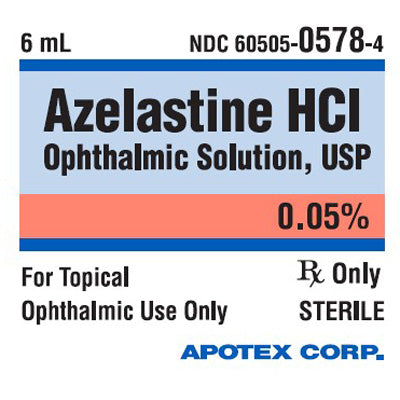
Azelastine HCL 0.5% Ophthalmic Eye Drop Solution, Sterile 6 mL (RX)
34% OFFOriginal price $ 12.95Current price $ 8.50 -
 Sale 17%
🔒 Medical License Required
Sale 17%
🔒 Medical License Required
Azelastine Hydrochloride and Fluticasone Propionate Nasal Spray 137 mcg (RX)
17% OFFOriginal price $ 199.95Current price $ 165.00 -

 Sale 31%
🔒 Medical License Required
Sale 31%
🔒 Medical License Required
Diphenhydramine Injection (Benadryl injection) 50 mg/mL 1 mL x 5/Box (Rx)
31% OFFOriginal price $ 32.99Current price $ 22.89 -

 Sale 26%
🔒 Medical License Required
Sale 26%
🔒 Medical License Required
Famotidine for Injection 20 mg Per 2 mL, Preservative Free 2 mL x 25/Pack **Requires Refrigeration (RX)
26% OFFOriginal price $ 159.95Current price $ 119.00 -

 Sale 14%
🔒 Medical License Required
Sale 14%
🔒 Medical License Required
Itraconazole Capsules 100 mg by Ascend Laboratories 30 Count (Rx)
14% OFFOriginal price $ 139.00Current price $ 119.00 -
 Sale 30%
🔒 Medical License Required
Sale 30%
🔒 Medical License Required
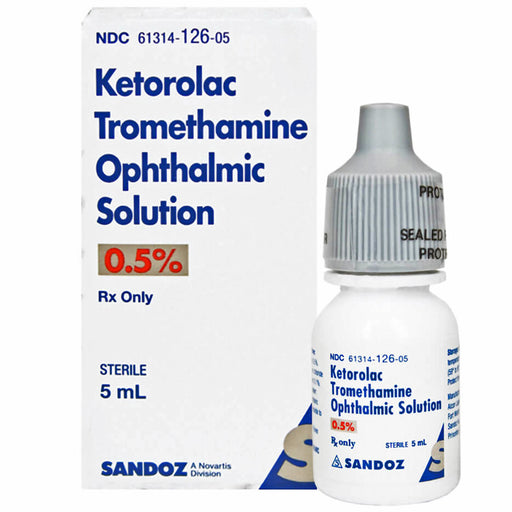
Ketorolac Tromethamine 0.5% Ophthalmic Eye Drops in Dropper Bottle 5 mL by Sandoz (RX)
30% OFFOriginal price $ 49.95Current price $ 35.00 -
 This item is sold out
🔒 Medical License Required
This item is sold out
🔒 Medical License Required
Promethazine Hydrochloride Injection 25 mg/mL x 25 Ampules By Xgen Pharma (RX)
16% OFFOriginal price $ 159.95Current price $ 135.00 -
 Sale 21%
🔒 Medical License Required
Sale 21%
🔒 Medical License Required
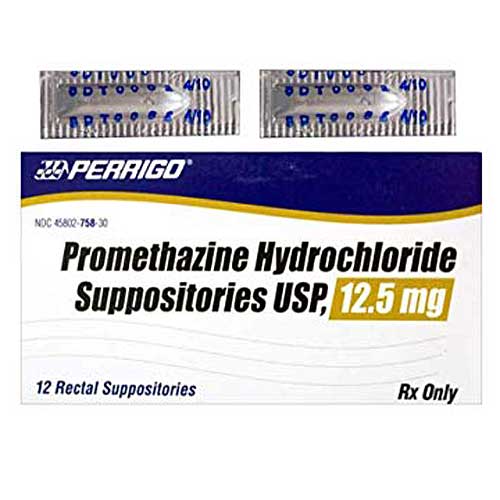
Promethazine Hydrochloride Suppositories 12.5 mg, 12 Count (Rx)
21% OFFOriginal price $ 149.95Current price $ 119.00 -

 Sale 23%
🔒 Medical License Required
Sale 23%
🔒 Medical License Required
Promethegan Promethazine HCL Suppositories 25 mg, 12 Count **Refrigerated (Rx)
23% OFFOriginal price $ 149.95Current price $ 115.00 -
 Sale 15%
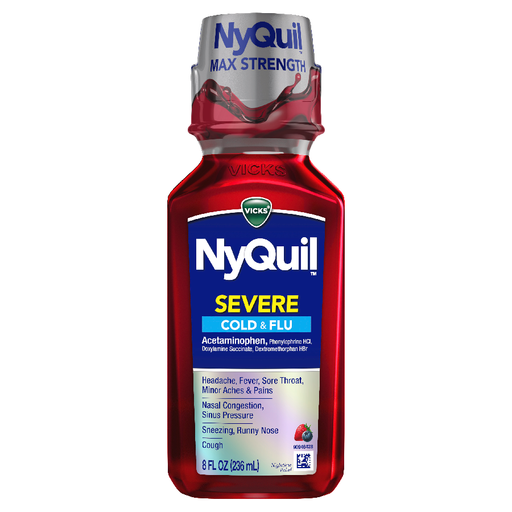
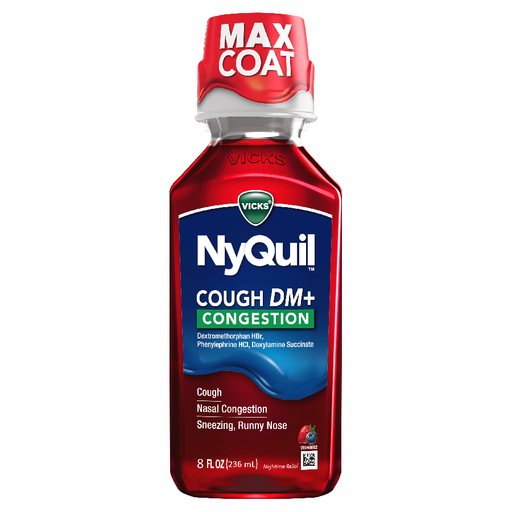
Vicks Nyquil Severe Cold & Flu Nighttime Liquid Berry 8 oz
15% OFFOriginal price $ 13.95Current price $ 11.79 -
 Sale 14%
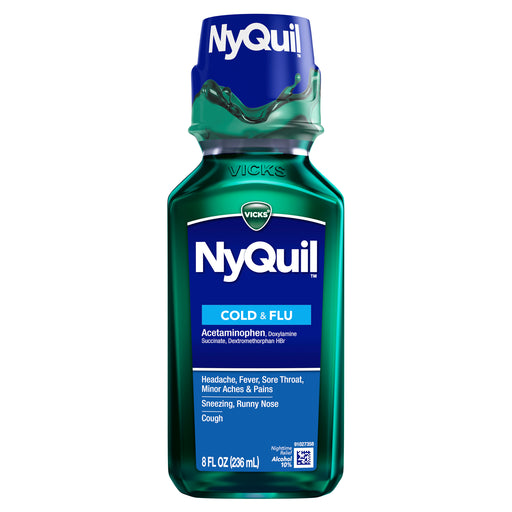
Vicks Nyquil Cold & Flu Nighttime Relief Original Flavor 8 oz
14% OFFOriginal price $ 10.95Current price $ 9.39 -

 Sale 28%
Vicks Nyquil Cold Flu Nighttime Relief Medicine Liquid 8 oz
28% OFFOriginal price $ 17.95Current price $ 12.89 -

 Sale 35%
-
 Sale 40%
🔒 Medical License Required
Sale 40%
🔒 Medical License Required
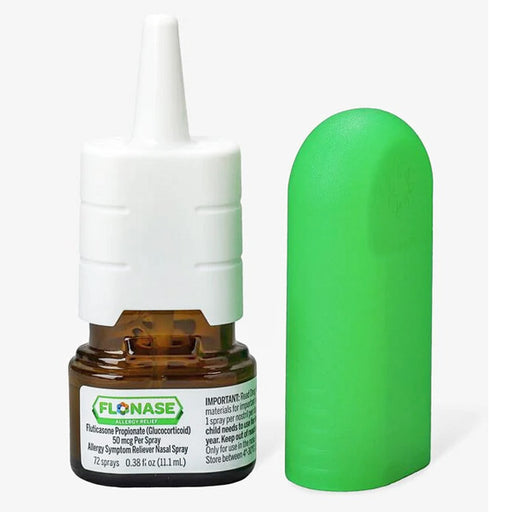
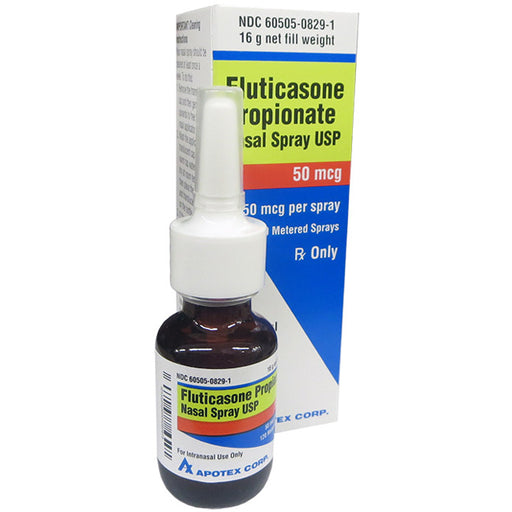
Fluticasone Propionate (Flonase) Nasal Spray 15mL (Rx)
3.8 (6) 3.8 out of 5 stars, 6 reviews40% OFFOriginal price $ 12.95Current price $ 7.75 -

 Sale 35%
🔒 Medical License Required
Sale 35%
🔒 Medical License Required
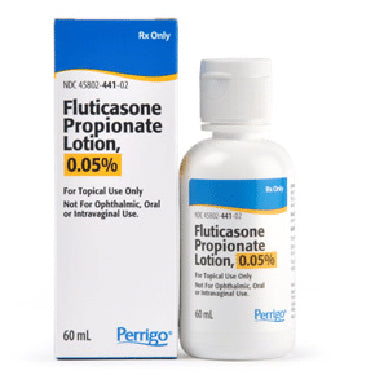
Fluticasone Propionate Cream 0.05% 30 gram Tube (Rx)
5.0 (4) 5.0 out of 5 stars, 4 reviews35% OFFOriginal price $ 37.95Current price $ 24.75 -

 Sale 19%
🔒 Medical License Required
Sale 19%
🔒 Medical License Required
-

 Sale 42%
🔒 Medical License Required
Sale 42%
🔒 Medical License Required
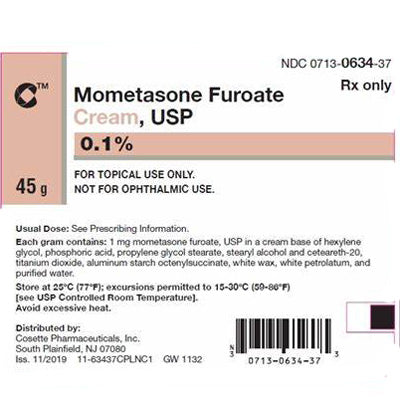
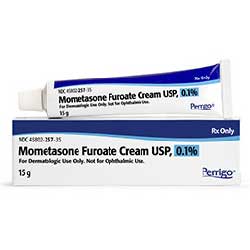
Mometasone Furoate 0.1% Topical Solution 30 mL by Padagis (RX)
42% OFFOriginal price $ 39.95Current price $ 23.00 -
 Sale 36%
🔒 Medical License Required
Sale 36%
🔒 Medical License Required
-
 Sale 29%
🔒 Medical License Required
Sale 29%
🔒 Medical License Required
Mometasone Furoate Topical Solution 0.1% 60 mL (RX)
29% OFFOriginal price $ 67.85Current price $ 48.50 -
 Sale 37%
Allergy Relief Liquid Medicine, Diphenhydramine 12.5mg/5ml - Kids Allergy Syrup Cherry Flavor
37% OFFOriginal price $ 13.95Current price $ 8.79 -
 Sale 39%
🔒 Medical License Required
Sale 39%
🔒 Medical License Required
Promethazine Hydrochloride Oral Solution 6.25 mg/5 mg by Quiagen 16 oz (Rx)
39% OFFOriginal price $ 65.95Current price $ 39.95 -
 Sale 37%
🔒 Medical License Required
Sale 37%
🔒 Medical License Required
Levocetirizine Dihydrochloride Tablets 5 mg by Camber 90 Count (Rx)
37% OFFOriginal price $ 19.95Current price $ 12.59 -
 Sale 33%
Chlorphen Allergy, Sinus and Hay Fever Relief Medicine Chlorpheniramine Maleate 4mg Unit Dose Tablets 250 Packets
33% OFFOriginal price $ 23.95Current price $ 15.98 -
 Sale 43%
Fexofenadine 180 mg Allergy Relief Tablets, Non-Drowsy 100 Count
43% OFFOriginal price $ 34.95Current price $ 19.95








People Also Searched For
Antihistamines are medicines commonly used to relieve symptoms of allergic reactions. They work by blocking the action of histamine, a chemical your body releases during an allergy response that causes sneezing, itching, runny nose, and swelling. By preventing histamine from binding to its receptors in your body, antihistamines help reduce these symptoms and make you feel better. Most people know antihistamines as allergy pills (for hay fever, pet allergies, or hives), but they can also be used for other conditions – for example, some are taken to prevent motion sickness or treat nausea, and certain ones can even be used short-term as nighttime sleep aids. In essence, antihistamine medications turn down your body’s histamine-driven reactions, whether in the nose, skin, eyes, or elsewhere.
Primary Indications and Therapeutic Uses:
1. Allergic Disorders
- Allergic Rhinitis (Hay Fever): First-line therapy for symptomatic relief of nasal congestion, rhinorrhea, sneezing, pruritus, and conjunctivitis.
- Urticaria (Acute and Chronic Spontaneous): Core treatment to alleviate pruritus and wheal formation; second-generation agents preferred due to superior safety profile.
- Atopic Dermatitis (Adjunctive Role): Useful for dermal pruritus, particularly in cases with significant sleep disruption.
- Allergic Conjunctivitis: Oral or topical ocular antihistamines decrease histamine-mediated conjunctival symptoms.
2. Anaphylactic Reactions
- Adjunctive in Acute Management: Intravenous or intramuscular antihistamines can reduce cutaneous symptoms (e.g., urticaria, angioedema) but do not reverse airway or circulatory compromise (epinephrine remains the primary intervention).
3. Motion Sickness and Vestibular Disorders
- First-generation antihistamines (e.g., meclizine, dimenhydrinate): Possess anticholinergic and CNS-suppressant effects useful in prophylaxis and treatment of motion sickness, vertigo, and labyrinthitis.
4. Sleep Disorders (Sedative Use)
- Short-term insomnia: Some first-generation antihistamines (e.g., diphenhydramine, doxylamine) are used off-label for their sedating properties but are not recommended for long-term management due to anticholinergic burden and cognitive impairment risk, especially in older adults.
5. Cough, Cold, and Respiratory Illnesses
- Component of many combination remedies for cough and upper respiratory symptoms, although efficacy for viral infections is limited and use in young children is discouraged due to safety concerns.
Other and Emerging Indications
- Antiemetic therapy: In chemotherapy- or pregnancy-induced nausea and vomiting (e.g., promethazine).
- Adjunctive analgesia: In combination with opioids to manage opioid-induced pruritus.
- Part of multi-modal regimens in mast cell activation disorders/neoplasms (e.g., systemic mastocytosis).
Classification and Considerations
- First-generation antihistamines: Cross the blood-brain barrier, leading to sedation and anticholinergic effects (dry mouth, urinary retention, delirium).
- Second- and Third-generation antihistamines: More selective and less sedating (loratadine, cetirizine, fexofenadine, levocetirizine, desloratadine), preferred for chronic use.
Safety and Contraindications
- Adverse effects: Include sedation, cognitive impairment, anticholinergic side effects (first-generation), paradoxical agitation in children, QT prolongation in susceptible individuals.
- Drug interactions: May potentiate CNS depressants and other anticholinergic medications; caution in elderly, patients with glaucoma, benign prostatic hyperplasia, or cardiac arrhythmias.
Antihistamine medicines are critical agents in the management of a broad spectrum of allergic disorders, urticaria, certain pruritic skin conditions, motion sickness, and serve as adjuncts in anaphylaxis and other rare indications. Their utility is governed by their generation-specific pharmacodynamics, safety profile, and patient-specific factors. Judicious selection and dosing are essential to maximize efficacy and minimize adverse outcomes.