
Filters
- antibiotic ointment (1)
- Ciclopirox (4)
- Ciclopirox Olamine Cream (2)
- doctor-only (23)
- Fungal Infections (14)
- Treat Fungal Infections (1)
- Antifungal (14)
- Athletes foot (5)
- Athlete’s foot (4)
- Clotrimazole (4)
- Clotrimazole Cream (2)
- Jock itch (6)
- Jock Itch Treatment (6)
- Lotrimin (1)
- Lotrimin AF (1)
- ringworm (10)
- Antifungal cream (1)
- Vaginal Infections (1)
- Vaginal Irritation (1)
- Antibiotic Medicine (1)
- Antifungal Cream (2)
- Antifungal Medications (10)
- Antifungal Treatment (12)
- Ciclopirox Gel (1)
- Fungal Infections Treatment (11)
- Fungal Skin Infections (5)
- gel (1)
- Loprox (2)
- seborrheic dermatitis (1)
- Serious Fungal Infections (8)
- Tinea corporis (5)
- Topical antiseptic (1)
- Topical Gel (1)
- treat fungal infections (14)
- treat seborrheic dermatitis (1)
- athlete's foot (5)
- Glenmark (1)
- Tinea Pedis (3)
- Treat Athlete's foot (7)
- Yeast infections (5)
- Aloe vera (1)
- Anti-Inflammatory (1)
- Anti-itch (1)
- Anti-Itch Cream (1)
- Anti-Itch Relief Cream (1)
- eczema (1)
- Fougera (1)
- Fougera Pharmaceuticals (1)
- Hydrocortisone Cream (1)
- Hydrocortisone Cream 1% (1)
- psoriasis (1)
- Psoriasis Skin Relief (1)
- antifungal cream (6)
- Generic Mycostatin (2)
- Nystatin (2)
- Nystatin Cream (2)
- Nystatin Units (2)
- Buy Clotrimazole (1)
- Clotrimazole liquid (1)
- Clotrimazole Local (1)
- Clotrimazole Near Me (1)
- Antifungal Powder (1)
- athlete’s foot treatment (1)
- cutaneous candidiasis cure (1)
- Diaper Rash (1)
- Nystatin Powder (1)
- nystatin powder 100000 units (1)
- Nystop (1)
- Nystop powder (1)
- pediatric antifungal (1)
- ringworm cure (1)
- skin yeast infection (1)
- Treat skin infections (3)
- Nystatin Cream 100000 Units (1)
- Antibiotics (1)
- Bacterial skin infections (1)
- folliculitis (1)
- Gentamicin Sulfate (1)
- impetigo (1)
- Topical Antibiotic Cream (1)
- Treat Skin Infections (1)
- Trewat Bacterial skin infections (1)
- Athlete’s foot treatment (1)
- best cream for ringworm (1)
- itchy skin (1)
- Keto (1)
- Ketoconazole (2)
- Ketoconazole Cream (1)
- ketoconazole cream 2% (1)
- Ketoconazole Topical (1)
- prescription antifungal (1)
- ring worm (1)
- Ringworm Treatment (2)
- skin fungus (1)
- tinea versicolor (1)
- topical antifungal cream (1)
- Treat Jock Itch (1)
- Treat Ring Worm (1)
- Econazole Nitrate (1)
- Econazole Nitrate Cream (1)
- Griseofulvin (2)
- Griseofulvin Liduid (2)
- Griseofulvin Oral Solution (1)
- Oral Antifungal (4)
- Oral Antifungal Medicine (1)
- Ringworm on the Scalp (2)
- Tinea capitis (2)
- Tinea pedis (2)
- Tinea unguium (2)
- Griseofulvin Tablets (1)
- Antifungal Injection (2)
- Fungal Meningitis (1)
- Lyophilized Powder (2)
- serious infection (1)
- Treat Fungal Meningitis (1)
- Voriconazole (2)
- Voriconazole Tablets (1)
- Antifungal Spray Powder (1)
- Efinaconazole (1)
- Jublia (1)
- Nail growth (1)
- Onychomycosis (1)
- Toenail Fungas (1)
- Toenails (1)
- Topical Solution (1)
- Topical Suspension (1)
- alternative to Diflucan (1)
- antifungal pills (1)
- Azole antifungal drug (1)
- Best antifungal tablets (1)
- Candida treatment (1)
- Candidiasis (1)
- Candidiasis treatment (1)
- Cryptococcal (1)
- DiFlucan (1)
- esophageal (1)
- Fluconazole (1)
- Fluconazole 200 mg (1)
- Fluconazole Tabs (1)
- Fungal nail infection pills (1)
- High dose antifungal (1)
- HIV antifungal therapy (1)
- meningitis medicine (1)
- Oral thrush (1)
- Systemic antifungal (1)
- Treat urinary tract infections (1)
- Treats oral (1)
- Vaginal candidiasis (1)
- Vaginal yeast infection cure (1)
- Yeast infection treatment (1)
- Antifungal Medicated (1)
- Ciclopirox Cream (1)
- Ciclopirox Topical (1)
- RX antifungal (1)
- Skin bacteria (1)
- Skin rash (1)
- superficial fungal infections (1)
- Topical bacteria (1)
- Treat Skin Rashes (1)
Athlete's Foot Treatments to doctor-only
Athlete’s Foot Treatments
Athlete’s foot, also known as tinea pedis, is a common fungal infection of the skin on the feet. It causes an itchy, burning rash, often between the toes, and sometimes scaly or cracked skin on the soles. Because it’s a fungus (the same type that causes ringworm and jock itch), the primary treatments aim to kill or stop the fungus and heal the skin. Here are the main treatments and management strategies for athlete’s foot:
Over-the-Counter Antifungal Medications (Topical)
Most cases of athlete’s foot can be treated with over-the-counter (OTC) antifungal products applied directly to the affected skin. These come in various forms such as creams, ointments, gels, sprays, or powders. They contain ingredients that specifically target the fungi (dermatophytes) causing the infection. Common active ingredients include:
- Clotrimazole – found in products like Lotrimin AF® cream. Apply twice daily to the rash and surrounding area as directed.
- Miconazole – found in Micatin® cream or Desenex® powder. Also typically used twice a day on the affected skin.
- Tolnaftate – found in Tinactin® cream, powder, or spray. Often used once or twice daily; tolnaftate is known as a reliable athlete’s foot remedy.
- Terbinafine – found in Lamisil AT® cream or gel. Terbinafine tends to work quickly; some formulations are applied once daily for 1-2 weeks (read the package instructions). It actually kills the fungus (fungicidal) rather than just slowing growth.
- (Less commonly OTC: Undecylenic acid – found in some foot fungus liquids; this is another antifungal ingredient that can help mild cases.)
These antifungal treatments are usually used for 1 to 4 weeks, depending on the product. It’s important to continue using the medicine for the full time listed, even if symptoms improve sooner. Keep applying the cream/powder until a few days after the skin looks healed, to make sure the fungus is completely gone. If you stop treatment too early, the infection can come back (often tougher to eliminate)
Prescription Treatments (Topical and Oral)
For stubborn or more severe cases of athlete’s foot, a healthcare provider can prescribe stronger antifungal medications:
- Prescription-strength creams or solutions: A doctor might prescribe a higher strength terbinafine or clotrimazole cream, or other antifungals like econazole or ciclopirox if the infection doesn’t respond to OTC meds. There are also prescription antifungal liquids (like clotrimazole or naftifine solutions) that can be applied if the infection is in hard-to-reach areas or very moccasin-type (soles) athlete’s foot.
- Oral antifungal pills: If athlete’s foot is widespread, very persistent, or has spread to the toenails (which are hard to treat), oral medication may be necessary. Common oral antifungals for tinea pedis include terbinafine tablets, itraconazole, or fluconazole. These pills are typically taken for a few weeks (up to about 2-6 weeks) for skin infections; nail infections would require a longer course (3+ months). Because oral medications have to be processed by your body, they are used for more severe infections or when topical treatments fail. Your doctor will decide which is appropriate based on your condition and medical history (for example, oral terbinafine is often very effective but requires checking that you have no liver issues or interactions). It’s crucial to finish the full course of oral meds as prescribed even if the foot looks better sooner. Stopping early can lead to recurrence.
Additionally, if the fungal infection has led to secondary bacterial infection (for example, excessive scratching might break the skin and let bacteria in, causing increased redness or pus), a doctor might prescribe an antibiotic alongside the antifungal treatment. But note, antibiotics alone do not treat the fungus – they would only address bacteria if present. The primary treatment must be antifungal.
-
 Sale 15%
Original price $ 19.95Current price $ 16.90
Sale 15%
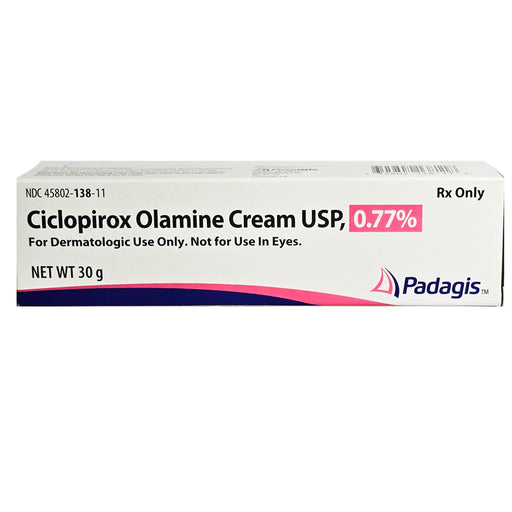
Original price $ 19.95Current price $ 16.90Ciclopirox Olamine Cream 0.77% USP 30 gram by Padagis (Rx)
18 reviewsCiclopirox Olamine Cream 0.77% USP by Padagis is an effective antifungal treatment designed to combat a variety of fungal skin infections. Ideal fo...
View full details🔒 Medical License Required -
 Sale 12%
Original price $ 8.95Current price $ 7.85
Sale 12%
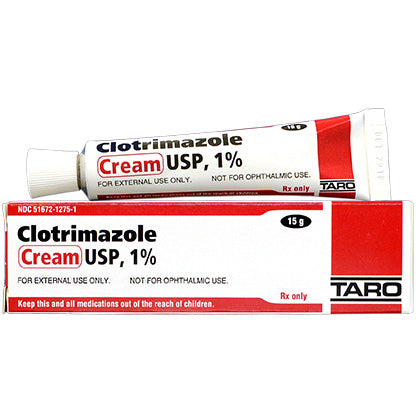
Original price $ 8.95Current price $ 7.85Clotrimazole Cream 1% Antifungal Relief 30 Gram Tube (Rx)
5 reviewsClotrimazole Cream 1% by Taro is an effective antifungal treatment designed to relieve itching, burning, cracking, and discomfort associated with f...
View full details🔒 Medical License Required -
 Sale 29%
Original price $ 9.79Current price $ 6.95
Sale 29%
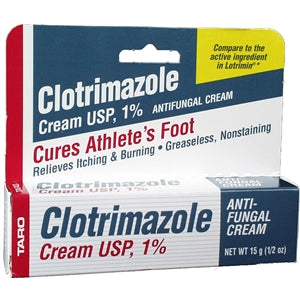
Original price $ 9.79Current price $ 6.95Clotrimazole Antifungal Cream 1% by Taro, 15 grams (Rx)
2 reviewsTaro Clotrimazole Cream 1% is an antifungal medication used to treat various fungal and certain yeast infections. It works by stopping the growth o...
View full details🔒 Medical License Required -
 Sale 31%
Original price $ 159.95Current price $ 110.00
Sale 31%
Original price $ 159.95Current price $ 110.00Ciclopirox Gel 0.77% Topical Antifungal Medication 30 grams (Rx)
2 reviewsCiclopirox Gel 0.77% is a high-efficacy, prescription-strength topical antifungal treatment formulated by Glenmark Pharmaceuticals. Designed for de...
View full details🔒 Medical License Required -
 Sale 36%
Original price $ 47.00Current price $ 29.95
Sale 36%
Original price $ 47.00Current price $ 29.95Ciclopirox Cream 0.77% by Glenmark Pharmaceuticals 15 Gram (RX)
12 reviewsCiclopirox Cream 0.77% by Glenmark Pharmaceuticals is a topical antifungal medication used to treat various fungal skin infections. The active ingr...
View full details🔒 Medical License Required -
 Sale 33%
Original price $ 149.95Current price $ 99.95
Sale 33%
Original price $ 149.95Current price $ 99.95Hydrocortisone Cream 1% Anti-Itch 454 gram Jar (Rx)
4 reviewsFougera Hydrocortisone 1% anti-Itch cream with aloe vera is used to temporarily relieve itching associated with minor skin irritations, inflammatio...
View full details🔒 Medical License Required -
 Sale
$ 19.95
Sale
$ 19.95Nystatin Cream 100,000 Units USP (Rx)
12 reviewsNystatin Cream 100,000 Units is a highly effective antifungal treatment designed to alleviate and manage fungal skin infections. This topical medic...
View full details🔒 Medical License Required -
 Sale 27%
Original price $ 149.95Current price $ 109.95
Sale 27%
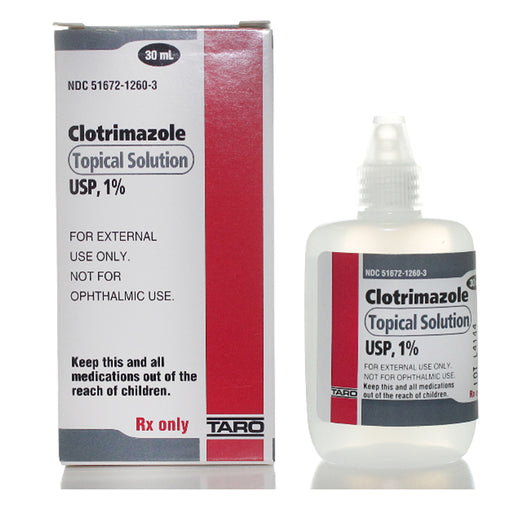
Original price $ 149.95Current price $ 109.95Clotrimazole Topical Solution 1% 30 mL Bottle by Taro (Rx)
Clotrimazole Topical Solution 1% is a medicinal liquid formulation containing 1% clotrimazole, an antifungal agent, intended for application on the...
View full details🔒 Medical License Required -
 Sale 50%
Original price $ 37.95Current price $ 19.00
Sale 50%
Original price $ 37.95Current price $ 19.00Nystop Nystatin Topical Powder 100,000 Units Antifungal Relief 30 grams by Padagis (Rx)
3 reviews#1 Antifungal Powder for Skin | Jock Itch, Athlete’s Foot, Diaper Rash & Candidiasis Nystop Nystatin Topical Powder by Padagis US delivers powe...
View full details🔒 Medical License Required -
 Sale 31%
Original price $ 22.95Current price $ 15.95
Sale 31%
Original price $ 22.95Current price $ 15.95Nystatin Cream 100,000 Units by Torrent Pharmaceuticals, 30 grams (Rx)
1 reviewNystatin Cream 100,000 Units by Torrent Pharmaceuticals is a powerful antifungal medication used to treat a range of fungal infections of the skin,...
View full details🔒 Medical License Required -
 Sale 50%
Original price $ 39.95Current price $ 19.95
Sale 50%
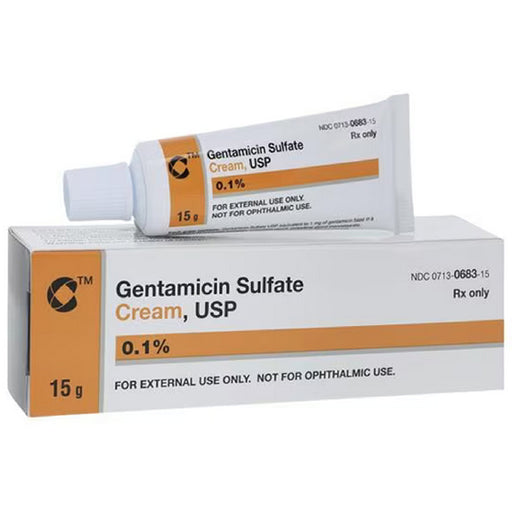
Original price $ 39.95Current price $ 19.95Gentamicin Sulfate Cream 0.1% 15 Grams by Cosette Pharma (RX)
Gentamicin Sulfate Cream 0.1% 15 Grams is an antibiotic medication used to treat bacterial skin infections. Medical professionals may prescribe it ...
View full details🔒 Medical License Required -
 Sold out
Original price $ 28.95Current price $ 19.95
Sold out
Original price $ 28.95Current price $ 19.95Ketoconazole Topical Antifungal Cream 2% Teva 30 gram tube (Rx)
Prescription-Strength, Fast-Acting Relief for Fungal Skin Infections Trusted By Dermatologists. Clinically Proven. Unbeatable Fungal Infection Defe...
View full details -
 Sale
$ 6.95
Sale
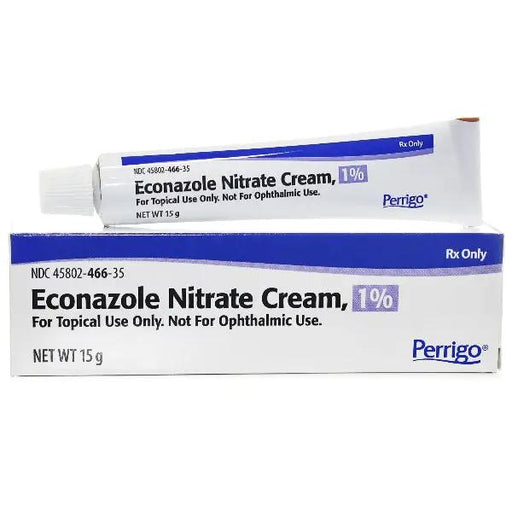
$ 6.95Econazole Nitrate Fungal Relief Cream 1% by Padagis (RX)
Econazole Nitrate Cream is used to treat a variety of fungal skin infections such as athlete's foot, jock itch, and ringworm. This medication cream...
View full details🔒 Medical License Required -
 Sale 35%
Original price $ 85.95Current price $ 55.95
Sale 35%
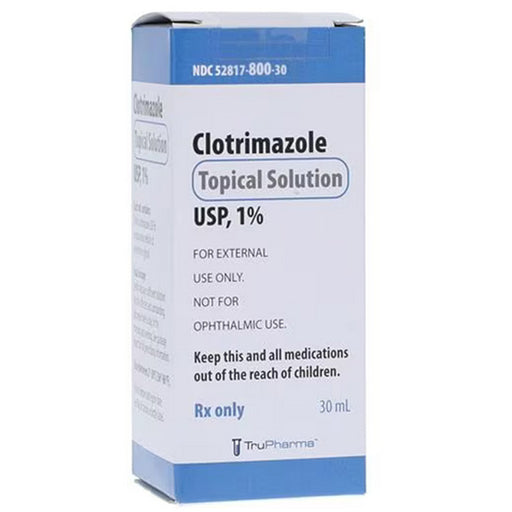
Original price $ 85.95Current price $ 55.95Clotrimazole Topical Solution 1% 30mL Bottle by Trupharma (RX)
Trupharma Clotrimazole Topical Solution 1% 30mL Bottle is a medication for the management of various fungal or yeast infections. It is most often p...
View full details🔒 Medical License Required -
 Sale 24%
Original price $ 109.95Current price $ 84.00
Sale 24%
Original price $ 109.95Current price $ 84.00Griseofulvin Oral Suspension Liquid 125 mg/5 mL (microsize) 120 mL (RX)
Griseofulvin Oral Suspension is an antifungal medication used to treat a variety of fungal infections of the skin, hair, and nails. The active ingr...
View full details🔒 Medical License Required -
 Sale 19%
Original price $ 725.00Current price $ 589.00
Sale 19%
Original price $ 725.00Current price $ 589.00Griseofulvin Ultramicrosize Tablets 125 mg by Avet Pharma 100 Count (RX)
Griseofulvin Ultramicrosize Tablets are a prescription antifungal medication specifically formulated to treat a variety of fungal infections such a...
View full details🔒 Medical License Required -
 Sale 21%
Original price $ 74.95Current price $ 59.00
Sale 21%
Original price $ 74.95Current price $ 59.00Voriconazole Injection 200 mg Powder Vial by Fosun Pharma (RX)
Voriconazole injection is used to treat serious fungal infections, including invasive aspergillosis and certain serious Candida infections. It's ty...
View full details🔒 Medical License Required -
 Sale 31%
Original price $ 99.95Current price $ 69.00
Sale 31%
Original price $ 99.95Current price $ 69.00Voriconazole Tablets 200 mg by Ajanta Pharma 30 Count (RX)
Voriconazole tablets are antifungal medication used to treat serious fungal infections, such as invasive aspergillosis and certain candida infectio...
View full details🔒 Medical License Required -
 Sale
$ 1,100.00
Sale
$ 1,100.00Jublia (efinaconazole) Topical Solution 10%
Jublia (efinaconazole) Topical Solution 10% is an antifungal medication used for the treatment of onychomycosis, a fungal infection of the toenails...
View full details🔒 Medical License Required -
 Sale 22%
Original price $ 89.95Current price $ 69.97
Sale 22%
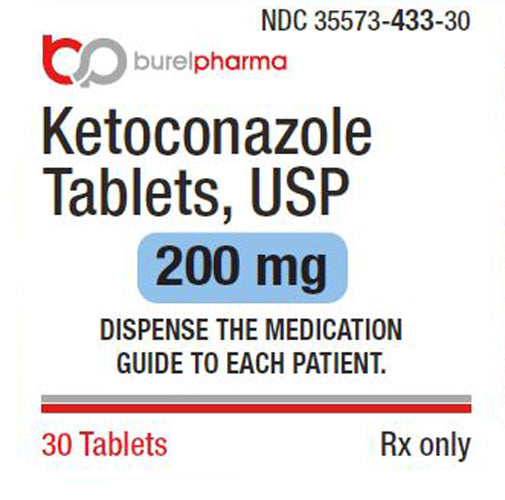
Original price $ 89.95Current price $ 69.97Ketoconazole Tablets 200 mg by Prasco Labs 30 Count (Rx)
Ketoconazole Tablets 200 mg are an antifungal medication used to treat various fungal infections. They work by inhibiting the growth of fungi, trea...
View full details🔒 Medical License Required -
 Sale 29%
Original price $ 54.75Current price $ 38.95
Sale 29%
Original price $ 54.75Current price $ 38.95Ciclopirox Olamine Lotion Topical Suspension 0.77% (RX)
Ciclopirox Olamine lotion is an antifungal medication used to treat various fungal skin infections, such as athlete's foot, ringworm, jock itch, an...
View full details🔒 Medical License Required -
 Sale 28%
Original price $ 54.00Current price $ 39.00
Sale 28%
Original price $ 54.00Current price $ 39.00Fluconazole Tablets 200 mg by Rising Pharmaceuticals 30/Bottle (RX)
Get Powerful, Broad-Spectrum Antifungal Relief with Fluconazole 200 mg – The Doctor-Recommended Solution for Systemic and Severe Fungal Infections ...
View full details🔒 Medical License Required -
 Sale 43%
Original price $ 14.95Current price $ 8.50
Sale 43%
Original price $ 14.95Current price $ 8.50Ciclopirox Cream 0.77% (Olamine) Antifungal Cream, 30 gram (Rx)
Ciclopirox Cream 0.77% – Topical Antifungal (Skin) Ciclopirox is an antifungal medication often formulated as a cream (also as gel, lotion, shampoo...
View full details🔒 Medical License Required


People Also Searched For
Athlete’s Foot Treatments
Athlete’s foot, also known as tinea pedis, is a common fungal infection of the skin on the feet. It causes an itchy, burning rash, often between the toes, and sometimes scaly or cracked skin on the soles. Because it’s a fungus (the same type that causes ringworm and jock itch), the primary treatments aim to kill or stop the fungus and heal the skin. Here are the main treatments and management strategies for athlete’s foot:
Over-the-Counter Antifungal Medications (Topical)
Most cases of athlete’s foot can be treated with over-the-counter (OTC) antifungal products applied directly to the affected skin. These come in various forms such as creams, ointments, gels, sprays, or powders. They contain ingredients that specifically target the fungi (dermatophytes) causing the infection. Common active ingredients include:
- Clotrimazole – found in products like Lotrimin AF® cream. Apply twice daily to the rash and surrounding area as directed.
- Miconazole – found in Micatin® cream or Desenex® powder. Also typically used twice a day on the affected skin.
- Tolnaftate – found in Tinactin® cream, powder, or spray. Often used once or twice daily; tolnaftate is known as a reliable athlete’s foot remedy.
- Terbinafine – found in Lamisil AT® cream or gel. Terbinafine tends to work quickly; some formulations are applied once daily for 1-2 weeks (read the package instructions). It actually kills the fungus (fungicidal) rather than just slowing growth.
- (Less commonly OTC: Undecylenic acid – found in some foot fungus liquids; this is another antifungal ingredient that can help mild cases.)
These antifungal treatments are usually used for 1 to 4 weeks, depending on the product. It’s important to continue using the medicine for the full time listed, even if symptoms improve sooner. Keep applying the cream/powder until a few days after the skin looks healed, to make sure the fungus is completely gone. If you stop treatment too early, the infection can come back (often tougher to eliminate)
Prescription Treatments (Topical and Oral)
For stubborn or more severe cases of athlete’s foot, a healthcare provider can prescribe stronger antifungal medications:
- Prescription-strength creams or solutions: A doctor might prescribe a higher strength terbinafine or clotrimazole cream, or other antifungals like econazole or ciclopirox if the infection doesn’t respond to OTC meds. There are also prescription antifungal liquids (like clotrimazole or naftifine solutions) that can be applied if the infection is in hard-to-reach areas or very moccasin-type (soles) athlete’s foot.
- Oral antifungal pills: If athlete’s foot is widespread, very persistent, or has spread to the toenails (which are hard to treat), oral medication may be necessary. Common oral antifungals for tinea pedis include terbinafine tablets, itraconazole, or fluconazole. These pills are typically taken for a few weeks (up to about 2-6 weeks) for skin infections; nail infections would require a longer course (3+ months). Because oral medications have to be processed by your body, they are used for more severe infections or when topical treatments fail. Your doctor will decide which is appropriate based on your condition and medical history (for example, oral terbinafine is often very effective but requires checking that you have no liver issues or interactions). It’s crucial to finish the full course of oral meds as prescribed even if the foot looks better sooner. Stopping early can lead to recurrence.
Additionally, if the fungal infection has led to secondary bacterial infection (for example, excessive scratching might break the skin and let bacteria in, causing increased redness or pus), a doctor might prescribe an antibiotic alongside the antifungal treatment. But note, antibiotics alone do not treat the fungus – they would only address bacteria if present. The primary treatment must be antifungal.
Foot Hygiene and Home Care
Treating athlete’s foot isn’t just about applying creams or taking pills – your daily foot care habits are very important to help get rid of the fungus and keep it from coming back.
Here are key steps:
- Keep Feet Clean and Dry: Wash your feet daily with soap and water, then dry them thoroughly, especially between the toes. Fungus thrives in moisture, so keeping the feet dry is essential. If you can, go barefoot at home to let air circulate (but wear flip-flops in communal areas like public showers to avoid spreading it). Change out of sweaty shoes and socks as soon as possible.
- Use Clean Socks and Shoes: Change your socks every day, and more often if your feet get sweaty. Cotton or moisture-wicking socks are better than nylon at keeping feet dry. Also, alternate your shoes – don’t wear the same pair two days in a row. This allows shoes to air out and dry; putting feet in a still-damp shoe can perpetuate the fungus. You can also use antifungal or drying powders inside your shoes. Wash or disinfect shoes if possible (some spray antifungals are made for shoe interiors).
- Avoid Spreading It: Athlete’s foot is contagious to yourself and others. Wear flip-flops in locker rooms, public showers, or around pools to avoid picking up or spreading fungus. At home, don’t share towels, socks, or shoes with others. Wash your towels and bedding frequently in hot water while treating your feet to kill any fungi on those fabrics. Also, when applying cream or touching the infected area, wash your hands well afterwards so you don’t spread it to other parts of your body (for instance, the same fungus can cause jock itch in the groin if transferred).
- Don’t Scratch, Treat the Itch Instead: Athlete’s foot can be very itchy, but avoid scratching the rash. Scratching can create tiny breaks in the skin that allow the infection to spread or worsen. It can even lead to the fungus getting on your hands (and then possibly to your fingernails or other areas). If itching is bad, some strategies to ease it include: soaking your feet in cool water, using an anti-itch cream (like hydrocortisone) sparingly and only in conjunction with antifungal treatment (some doctors may recommend a combination to reduce inflammation, but never use steroid creams alone for athlete’s foot). Often, as the antifungal medicine works, the itching will decrease.
- Home Remedies (with Caution): There are a few home remedy ideas people try – for example, tea tree oil has natural antifungal properties and some studies suggest a 25-50% tea tree oil solution can help mild athlete’s foot, though it may not be as reliably effective as OTC medications. Foot soaks in dilute vinegar or Epsom salt water might help dry out blisters or soothe itching, but they won’t kill all the fungus. You can use these as complementary measures if desired, but the core treatment should still be an antifungal medication for best results.
How Long to Treat and When to See a Doctor
With consistent treatment, mild athlete’s foot usually improves within 1 to 2 weeks and can clear in about 4 weeks. The skin should gradually lose redness, peeling reduces, and itching stops. Even if symptoms subside, continue treatment for the recommended duration. If you’ve treated for a full course (say 4 weeks) and it’s not completely gone, or at least significantly improved, you may need a stronger prescription treatment – consult a healthcare provider. See a doctor sooner if the infection is severe (lots of redness, swelling, pain, or pus), if you have diabetes (any foot infection in diabetics should be watched closely) or if the rash spreads to other parts of the body despite treatment.
Additionally, if athlete’s foot spreads into your toenails (onychomycosis), you’ll notice thick, discolored nails. Toenail fungus often requires oral antifungals or special treatments – mention this to your doctor, as treating nail fungus is a longer process and topical creams for athlete’s foot usually aren’t sufficient for nails.
Key point:
Athlete’s foot is highly treatable. The cornerstone is using antifungal products diligently and maintaining good foot hygiene. By keeping your feet dry, clean, and medicated as directed, you can eliminate the infection and prevent it from coming back. Even after it clears, continue some preventive steps if you’re prone to athlete’s foot – for example, keep up the habit of drying your feet well and alternating shoes. This can go a long way in keeping your feet fungus-free once they’re healed.
Foot Hygiene and Home Care
Treating athlete’s foot isn’t just about applying creams or taking pills – your daily foot care habits are very important to help get rid of the fungus and keep it from coming back.
Here are key steps:
- Keep Feet Clean and Dry: Wash your feet daily with soap and water, then dry them thoroughly, especially between the toes. Fungus thrives in moisture, so keeping the feet dry is essential. If you can, go barefoot at home to let air circulate (but wear flip-flops in communal areas like public showers to avoid spreading it). Change out of sweaty shoes and socks as soon as possible.
- Use Clean Socks and Shoes: Change your socks every day, and more often if your feet get sweaty. Cotton or moisture-wicking socks are better than nylon at keeping feet dry. Also, alternate your shoes – don’t wear the same pair two days in a row. This allows shoes to air out and dry; putting feet in a still-damp shoe can perpetuate the fungus. You can also use antifungal or drying powders inside your shoes. Wash or disinfect shoes if possible (some spray antifungals are made for shoe interiors).
- Avoid Spreading It: Athlete’s foot is contagious to yourself and others. Wear flip-flops in locker rooms, public showers, or around pools to avoid picking up or spreading fungus. At home, don’t share towels, socks, or shoes with others. Wash your towels and bedding frequently in hot water while treating your feet to kill any fungi on those fabrics. Also, when applying cream or touching the infected area, wash your hands well afterwards so you don’t spread it to other parts of your body (for instance, the same fungus can cause jock itch in the groin if transferred).
- Don’t Scratch, Treat the Itch Instead: Athlete’s foot can be very itchy, but avoid scratching the rash. Scratching can create tiny breaks in the skin that allow the infection to spread or worsen. It can even lead to the fungus getting on your hands (and then possibly to your fingernails or other areas). If itching is bad, some strategies to ease it include: soaking your feet in cool water, using an anti-itch cream (like hydrocortisone) sparingly and only in conjunction with antifungal treatment (some doctors may recommend a combination to reduce inflammation, but never use steroid creams alone for athlete’s foot). Often, as the antifungal medicine works, the itching will decrease.
- Home Remedies (with Caution): There are a few home remedy ideas people try – for example, tea tree oil has natural antifungal properties and some studies suggest a 25-50% tea tree oil solution can help mild athlete’s foot, though it may not be as reliably effective as OTC medications. Foot soaks in dilute vinegar or Epsom salt water might help dry out blisters or soothe itching, but they won’t kill all the fungus. You can use these as complementary measures if desired, but the core treatment should still be an antifungal medication for best results.
How Long to Treat and When to See a Doctor
With consistent treatment, mild athlete’s foot usually improves within 1 to 2 weeks and can clear in about 4 weeks. The skin should gradually lose redness, peeling reduces, and itching stops. Even if symptoms subside, continue treatment for the recommended duration. If you’ve treated for a full course (say 4 weeks) and it’s not completely gone, or at least significantly improved, you may need a stronger prescription treatment – consult a healthcare provider. See a doctor sooner if the infection is severe (lots of redness, swelling, pain, or pus), if you have diabetes (any foot infection in diabetics should be watched closely) or if the rash spreads to other parts of the body despite treatment.
Additionally, if athlete’s foot spreads into your toenails (onychomycosis), you’ll notice thick, discolored nails. Toenail fungus often requires oral antifungals or special treatments – mention this to your doctor, as treating nail fungus is a longer process and topical creams for athlete’s foot usually aren’t sufficient for nails.
Key point:
Athlete’s foot is highly treatable. The cornerstone is using antifungal products diligently and maintaining good foot hygiene. By keeping your feet dry, clean, and medicated as directed, you can eliminate the infection and prevent it from coming back. Even after it clears, continue some preventive steps if you’re prone to athlete’s foot – for example, keep up the habit of drying your feet well and alternating shoes. This can go a long way in keeping your feet fungus-free once they’re healed.