Skip to content
New users? Get 5% off on your first purchase.
Free US shipping over $100
New users? Get 5% off on your first purchase.
Free US shipping over $100

Added to your cart:

Cart subtotal

Filters

Price
$
-
$
$0 $839
Collection
Tags

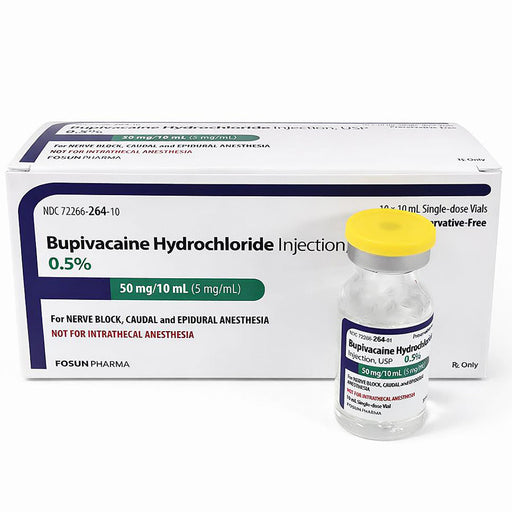
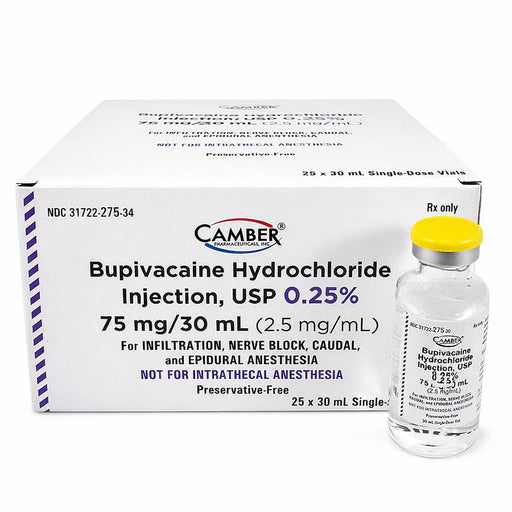
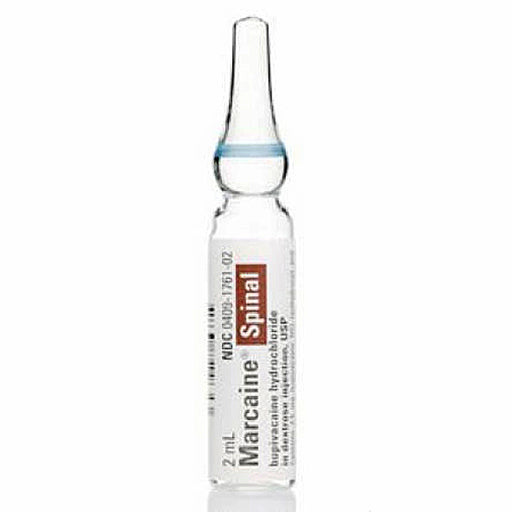
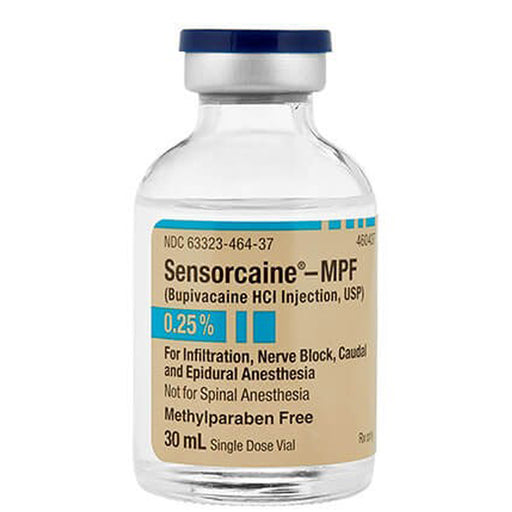
Bupivacaine Injections

Discover top-quality Bupivacaine Injection solutions designed for effective pain management, anesthesia, and surgical procedures. Our Bupivacaine HCl products deliver fast-acting, long-lasting local and regional anesthesia, making them ideal for nerve blocks, epidural, and spinal anesthesia. Trusted by healthcare professionals, these injections ensure patient safety, precise dosage, and reliable results. Shop our FDA-approved Bupivacaine injections for enhanced surgical outcomes, superior pain control, and optimized patient care.

Discover top-quality Bupivacaine Injection solutions designed for effective pain management, anesthesia, and surgical procedures. Our Bupivacaine HCl products deliver fast-acting, long-lasting local and regional anesthesia, making them ideal for nerve blocks, epidural, and spinal anesthesia. Trusted by healthcare professionals, these injections ensure patient safety, precise dosage, and reliable results. Shop our FDA-approved Bupivacaine injections for enhanced surgical outcomes, superior pain control, and optimized patient care.

FAQs for Bupivacaine Injections

  • What is a Bupivacaine Injection Used For?

    Bupivacaine Injection is used to numb specific parts of the body during surgery, childbirth (labor epidurals), dental procedures, or minor surgical interventions. It is commonly used for: Regional anesthesia Spinal and epidural anesthesia Peripheral nerve blocks Postoperative pain management Labor and delivery pain relief

  • Top Health Benefits & Key Features

    Long-Lasting Local Anesthetic: Provides pain relief for up to 6–12 hours, much longer than alternative anesthetics. Targeted Pain Control: Perfect for blocking pain in a specific area, reducing the need for opioid painkillers. Proven Safety: Extensively tested in clinical settings for surgical anesthesia and chronic pain management.

  • How long does a bupivacaine injection last?

    Bupivacaine offers extended anesthesia; effects usually last 6 to 12 hours depending on dose and site of administration.

  • Can bupivacaine cause nausea?

    Yes, some patients may experience side effects such as nausea, vomiting, dizziness, or low blood pressure. Always consult your doctor if you experience side effects.

  • Is bupivacaine used in pregnancy?

    Yes, bupivacaine is frequently used during labor and delivery as an epidural anesthesia for pain relief. However, your doctor will determine if it's appropriate for your pregnancy.

  • What pain does bupivacaine take away?

    Bupivacaine is effective against surgical pain, dental pain, labor pain, and postoperative discomfort through regional or local administration.

  • Is bupivacaine a cortisone shot?

    No, bupivacaine is a local anesthetic, not a corticosteroid. It numbs nerves to block pain but does not reduce inflammation like cortisone.

  • What is the cost of bupivacaine?

    The cost of bupivacaine can vary by dose, brand, and location. On average, hospital/surgical use ranges from $5 to $30 per dose. Bulk or pharmacy prices may differ.

  • How much bupivacaine is needed for a spinal?

    For spinal anesthesia, the typical adult dose is 7.5–15 mg (0.5% solution, 1.5–3 mL), but your anesthesiologist will determine the safest dose tailored to your procedure.

  • Where can bupivacaine be injected?

    Bupivacaine can be injected into or near spinal fluid, epidural space, peripheral nerves, gums (dental), or surgical sites, depending on the application.

  • What drugs interact with bupivacaine?

    Possible interactions include antiarrhythmics (like mexiletine), other local anesthetics, CNS depressants, anticoagulants, and certain antibiotics. Always consult your doctor regarding all current medications.

  • What should I tell my doctor before bupivacaine?

    Tell your doctor if you have any allergies, liver disease, heart conditions, history of seizures, or are taking any medications or herbal supplements.

  • How long does local anesthesia stay in your system?

    While numbness may fade after 6–12 hours, bupivacaine and its metabolites may remain in the body for up to 24 hours. Your body clears it naturally.

  • Why Choose Bupivacaine?

    Best local anesthetic for major and minor procedures Widely used for spinal, epidural, and nerve block anesthesia Trusted by surgeons, dentists, and anesthesiologists High safety profile when administered by professionals

Bupivacaine Injections – Premium Local Anesthetic for Effective Pain Management

Buy Bupivacaine Injections Online | Best Local Anesthetic for Surgical, Dental & Labor Pain Relief

Unlock Superior Pain Relief with Bupivacaine Injections
Bupivacaine Injection is a top-rated, long-acting local anesthetic trusted by healthcare professionals worldwide. Designed for fast, effective, and prolonged pain relief, Bupivacaine is widely used in a variety of medical, dental, surgical, orthopedic, and obstetrics procedures. Whether you’re searching for a reliable anesthetic for nerve block, spinal anesthesia, or epidural pain control, Bupivacaine Injection offers unparalleled efficacy and safety

Order Bupivacaine Injections Now | Trusted Local Anesthetic for Surgery & Pain Management

Description
Collection Overview
Product Categories
Comparison Chart
Use Cases & Applications
Selection Guide
Ordering & Bulk Options
Disclaimer
FAQ

Discover top-quality Bupivacaine Injection solutions designed for effective pain management, anesthesia, and surgical procedures. Our Bupivacaine HCl products deliver fast-acting, long-lasting local and regional anesthesia, making them ideal for nerve blocks, epidural, and spinal anesthesia. Trusted by healthcare professionals, these injections ensure patient safety, precise dosage, and reliable results. Shop our FDA-approved Bupivacaine injections for enhanced surgical outcomes, superior pain control, and optimized patient care.

  • Product Focus: Bupivacaine injections—FDA-approved, long-acting local anesthetics for surgical, obstetric, and pain management applications
  • Primary Users: Licensed healthcare professionals including anesthesiologists, surgeons, pain specialists, dentists, obstetricians, and institutional buyers
  • Key Benefit: Extended anesthesia duration (4–12 hours) reduces need for repeat dosing and supports opioid-sparing pain management protocols
  • Available Formats: Multiple concentrations (0.25%, 0.5%, 0.75%, 1%) in single-dose and multi-dose vials, with and without epinephrine
  • Supply Model: Wholesale distribution direct to hospitals, clinics, surgical centers, EMS teams, dental practices, and institutional buyers across the United States
  • Compliance: All products meet FDA pharmaceutical standards for sterility, potency, and safety; intended for qualified healthcare professional use only
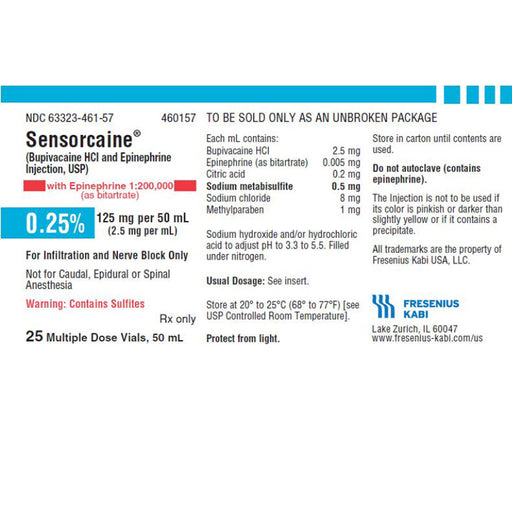
  • 0.25% Bupivacaine: Infiltration anesthesia and peripheral nerve blocks; lower concentration used for sensory blockade with minimal motor impairment
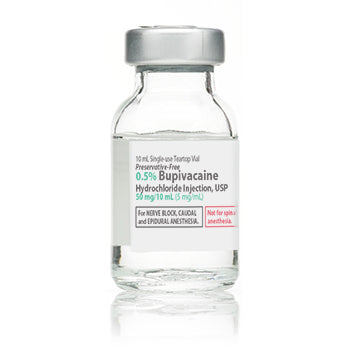
  • 0.5% Bupivacaine: Epidural and spinal anesthesia; most commonly used concentration for surgical and obstetric applications
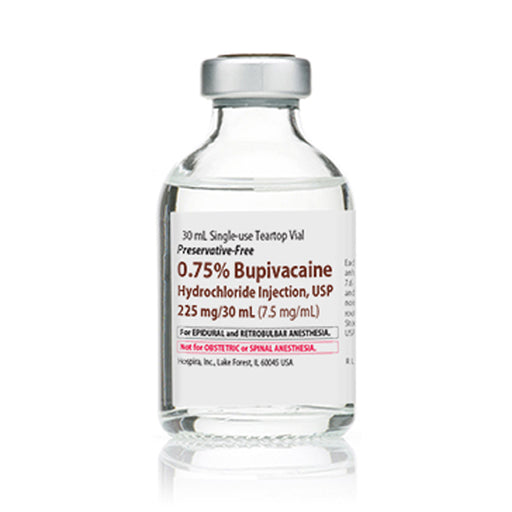
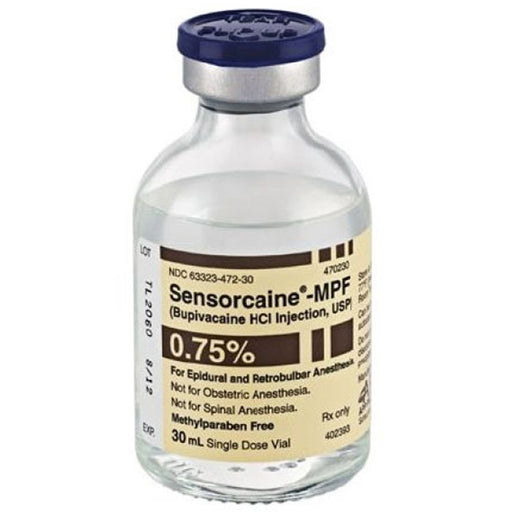
  • 0.75% Bupivacaine: Epidural anesthesia for major surgery; higher concentration for profound anesthesia; available single-dose only
  • 1% Bupivacaine: Peripheral nerve blocks and infiltration anesthesia; used when faster onset or deeper blockade is required
  • Formulations with Epinephrine: Addition of epinephrine extends duration further, reduces bleeding in surgical fields, and slows systemic absorption for improved safety margins
  • Single-Dose and Multi-Dose Vials: Single-dose vials support infection control protocols; multi-dose vials reduce per-unit cost for high-volume facilities
Feature Bupivacaine Lidocaine (for comparison)
Onset Time 5–10 minutes 3–5 minutes (faster)
Duration 4–12 hours 30 minutes–2 hours
Ideal Use Major surgery, regional blocks, labor, chronic pain management Minor procedures, brief infiltration anesthesia, rapid pain relief
Opioid-Sparing Superior—extended duration reduces need for systemic opioids Moderate—shorter duration may require supplemental pain control
Cost per Procedure Higher per vial; lower total cost due to extended duration reducing re-dosing Lower per vial; may require multiple doses for extended procedures

Both are FDA-approved local anesthetics. Clinical choice depends on procedure duration, patient factors, and institutional protocols.

  • Surgical Anesthesia: General, regional, and local anesthesia for inpatient and outpatient surgical procedures across all specialties
  • Labor and Delivery: Epidural and spinal anesthesia for labor pain management, vaginal delivery, and cesarean section procedures; first-line choice in obstetric anesthesia
  • Pain Management Clinics: Nerve block injections for chronic pain conditions including sciatica, back pain, neuropathic pain, and post-operative pain management
  • Orthopedic Surgery: Peripheral nerve blocks for shoulder, knee, hip, and extremity surgery; supports same-day discharge protocols
  • Dental Surgery: Local infiltration and nerve blocks for extractions, implant placement, and other dental procedures
  • Wound Repair and Minor Procedures: Soft tissue infiltration anesthesia for laceration repair, abscess drainage, and dermatological interventions
  • Determine Procedure Duration: Procedures lasting 2+ hours benefit from bupivacaine's extended action; shorter procedures may use lidocaine or mepivacaine
  • Choose Concentration Based on Application: 0.25% for infiltration and distal blocks; 0.5% for epidural and most surgical blocks; 0.75% for major epidural surgery; 1% for peripheral nerve blocks requiring faster onset
  • Consider Epinephrine Addition: With epinephrine extends duration 50–100%, reduces bleeding in surgical fields, and slows systemic absorption; avoid in areas with end-artery blood supply (fingers, ears, nose, toes)
  • Evaluate Patient Factors: Liver disease, severe renal impairment, cardiac conditions, or pregnancy require careful dose adjustment or alternative agents; consult anesthesia guidelines or pharmacist
  • Select Vial Format: Single-dose vials for infection control and convenience; multi-dose vials reduce per-unit cost for high-volume facilities
  • Confirm Availability: Contact Mountainside Medical sales team to confirm stock of your preferred concentration and formulation; bulk ordering may offer volume discounts
  • Licensed Professional Requirement: Bupivacaine injections are prescription pharmaceutical products; purchases require valid medical license verification or institutional pharmacy license
  • Minimum Order Quantities: Contact sales@mountainside-medical.com for MOQ information and bulk pricing structures tailored to your facility volume
  • Wholesale Pricing: Competitive pricing for institutional and high-volume buyers; volume discounts available on large orders
  • Fast Shipping: Orders ship quickly to healthcare facilities across the United States; free shipping on orders over $100 supports efficient procurement
  • Direct Contact for Clinical Questions: Phone: (888) 687-4334 | Email: sales@mountainside-medical.com. Our team includes licensed pharmacy professionals available to discuss indications, dosing, compatibility, and clinical application
  • 5% First-Purchase Discount: New customers receive 5% off first order to support cost-effective sourcing and relationship building

Professional Use Only: Bupivacaine injections are pharmaceutical products intended for use by qualified healthcare professionals only. This product is not intended for self-administration or use outside a clinical setting under professional supervision.

Not a Substitute for Professional Medical Advice: The information provided on this page is educational in nature and is not a substitute for professional medical advice, diagnosis, or treatment. All clinical decisions regarding bupivacaine use must be made by licensed healthcare professionals following established clinical guidelines and protocols.

Safety Considerations: Bupivacaine carries risk of systemic toxicity if administered improperly or in excessive doses. All users must understand maximum recommended doses, patient-specific contraindications, and risk mitigation strategies. This product is contraindicated in patients with certain cardiac conditions, severe liver disease, or severe renal impairment without appropriate dose adjustment.

FDA Approval Status: Bupivacaine is FDA-approved as a local anesthetic for use as described in the approved prescribing information. Mountainside Medical distributes pharmaceutical-grade bupivacaine manufactured to FDA standards for sterility, potency, and purity.

Regulatory Compliance: Mountainside Medical is licensed to distribute prescription and injectable pharmaceutical products in accordance with state and federal regulations. All products are sourced from licensed pharmaceutical manufacturers and comply with FDA pharmaceutical standards.

Storage and Handling: Bupivacaine injections must be stored and handled according to manufacturer specifications. Users are responsible for proper storage, inventory management, and adherence to expiration dates and handling protocols.

  • How long does bupivacaine last?

    Depending on concentration, formulation, and application, bupivacaine provides local anesthesia for 4–12 hours. When combined with epinephrine, duration can extend further—sometimes 12–24 hours for specific nerve block applications. Onset time is typically 5–10 minutes. The exact duration varies based on injection site, tissue perfusion, patient factors, and whether epinephrine is included.

  • What is the difference between bupivacaine and lidocaine?

    The primary difference is duration. Lidocaine has a faster onset (3–5 minutes) but shorter duration (30 minutes to 2 hours), making it ideal for brief procedures. Bupivacaine has slower onset (5–10 minutes) but extended duration (4–12 hours), making it superior for lengthy surgical procedures, regional blocks, and situations requiring prolonged pain control. Bupivacaine is preferred when duration and reduced re-dosing frequency are priorities. Lidocaine remains preferred for rapid, short-duration applications.

  • Is bupivacaine safe?

    Yes, when administered by trained healthcare professionals following established dosing protocols and clinical guidelines. Bupivacaine is used safely in millions of surgical procedures annually. However, it is a potent medication requiring proper training and dose adherence. Improper administration or overdosing carries risk of central nervous system (CNS) or cardiac toxicity. All bupivacaine use must be supervised by qualified healthcare professionals. Certain patient populations (severe cardiac disease, liver disease, severe renal impairment) require careful dose adjustment or alternative agents.

  • Can bupivacaine be used in children?

    Yes, bupivacaine is commonly used in pediatric anesthesia and pain management with appropriate age and weight-based dosing. Pediatric use requires careful attention to maximum recommended doses, which are lower than adult doses. Bupivacaine is used safely for pediatric nerve blocks, infiltration anesthesia, and epidural/spinal anesthesia in children. All pediatric dosing must follow established pediatric anesthesia guidelines and be administered by healthcare professionals experienced in pediatric anesthesia.

  • Is bupivacaine used in labor and delivery?

    Yes, bupivacaine is a first-line choice for epidural and spinal anesthesia during labor and delivery, including vaginal delivery and cesarean section procedures. It is widely used and well-studied in obstetric anesthesia. Bupivacaine provides safe, effective pain control for labor and is preferred over lidocaine due to its extended duration, reducing the need for frequent re-dosing. Obstetric anesthesia requires management by trained obstetric anesthesiologists or anesthesia teams.

  • What are the concentrations available?

    Mountainside Medical supplies bupivacaine in standard FDA pharmaceutical concentrations: 0.25%, 0.5%, 0.75%, and 1%. Concentration choice depends on the clinical application. 0.25% is used for infiltration and distal nerve blocks; 0.5% for most epidural, spinal, and surgical nerve blocks; 0.75% for major epidural surgery; 1% for peripheral nerve blocks. All concentrations are available in single-dose and multi-dose vials, with and without epinephrine (where clinically appropriate).

  • Can bupivacaine be mixed with epinephrine?

    Yes, bupivacaine is safely combined with epinephrine in FDA-approved formulations. Epinephrine extends anesthetic duration, reduces bleeding in surgical fields, and slows systemic absorption of the local anesthetic, improving the safety margin. Epinephrine-containing formulations are contraindicated in areas supplied by end-arteries (fingers, ears, nose, toes) due to risk of tissue ischemia. Mountainside Medical supplies both formulations—with and without epinephrine.

  • What are the main uses for bupivacaine injections?

    Bupivacaine injections are used for surgical anesthesia (general, regional, local); epidural and spinal blocks for labor, delivery, and back pain; peripheral nerve blocks for limb surgery; infiltration anesthesia for soft tissue procedures; and chronic pain management via nerve block injections. Specific use cases include orthopedic surgery, dental procedures, obstetric anesthesia, and postoperative pain control. Clinical application depends on procedure type, duration, and patient factors. Healthcare professionals select bupivacaine when extended anesthesia duration is required.

  • How do I order bupivacaine from Mountainside Medical?

    Contact our sales team directly: Phone: (888) 687-4334 | Email: sales@mountainside-medical.com. Bupivacaine is a prescription pharmaceutical product; orders require valid medical license or institutional pharmacy license verification. We offer wholesale pricing, volume discounts, fast shipping (free on orders over $100), and new-customer 5% discount on first purchase. New users receive 5% off. Contact our licensed pharmacy team to confirm availability, discuss bulk pricing, and address clinical questions.

  • What are the maximum recommended doses for bupivacaine?

    Maximum recommended doses vary by application and patient factors. Standard guidelines recommend maximum 175 mg without epinephrine and 225 mg with epinephrine for healthy adults (not to exceed 3 mg/kg without epinephrine or 4.5 mg/kg with epinephrine). Pediatric doses are significantly lower and weight-based. Maximum doses must be strictly observed to avoid CNS and cardiac toxicity. All dosing decisions must be made by qualified healthcare professionals following published guidelines and product prescribing information. Dose adjustments are required for elderly patients, those with liver or severe renal disease, and certain cardiac conditions.

  • What patient populations require dose adjustment?

    Certain patient populations require careful dose adjustment or consideration of alternative agents. These include: elderly patients (reduced clearance); patients with liver disease (impaired metabolism); patients with severe renal impairment; patients with significant cardiac disease or conduction abnormalities; pregnant patients (especially first trimester); and patients taking medications that interact with local anesthetics. All dose adjustments must be determined by the treating healthcare professional based on individual patient assessment and clinical guidelines.

Get Notified When Back in Stock