Skip to content

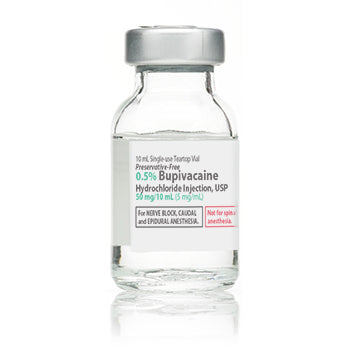
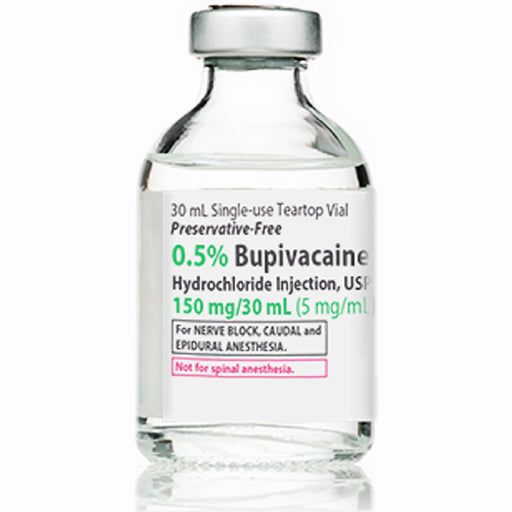
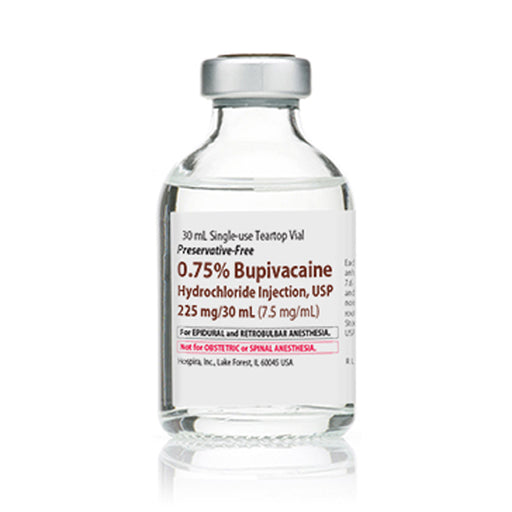
Bupivacaine Injection 0.5% Single Dose 50mg/10ml Preservative-Free 10 ml x 10/Box (RX)

SKU: 72266-0264-10
Sale 29%
Original price $ 65.00
Current price $ 46.00
*Mountainside Medical does not fill personal prescriptions Medical Professional License Required to Unlock Account

How to Order:

Send an email request to: sales@mountainside-medical.com

You will receive instructions on how to create an account along with Rx Ordering Details.

(Note: Acceptable licenses must have Prescriptive Authority in the license issuing state.)
Free Shipping on orders above $100
Fast Delivery
Fast Delivery
24/7 Support
24/7 Support
No Returns
No Returns
Hospital Grade
Hospital Grade
Payment Secure transaction
Packaging Ships in product packaging
Service-Disabled Veteran-Owned Small Business
Located in Adirondack Mountains in NY
Family Owned Business 2002
Sale 29%
Original price $ 65.00
Current price $ 46.00
Free Shipping on orders above $100
Fast Delivery
Fast Delivery
24/7 Support
24/7 Support
No Returns
No Returns
Hospital Grade
Hospital Grade
Payment Secure transaction
Packaging Ships in product packaging
Bupivacaine Injection 0.5% Single Dose 50mg/10ml Preservative-Free 10 ml x 10/Box (RX)
$ 65.00 $ 46.00
🔒 Medical License Required
Description
How does Bupivacaine Injection Work
Bupivacaine Injection Considerations & Precautions

Bupivacaine Injection 0.5% (Preservative-Free)

Bupivacaine 0.5% Injection is a local anesthetic solution used to produce numbness (loss of sensation) in a specific area of the body. It contains bupivacaine hydrochloride, a potent long-acting anesthetic of the amide class, dissolved in sterile water for injection. This formulation is 0.5% w/v, meaning it has 5 mg of bupivacaine per mL; in a 10 mL vial there is a total of 50 mg of the drug. The product is labeled “Single Dose, Preservative-Free,” indicating that the vial is intended for one-time use and contains no antimicrobial preservatives (such as parabens). Without a preservative, any unused solution must be discarded after opening to maintain sterility and safety.

Uses in Anesthesia

Bupivacaine 0.5% is utilized by medical professionals to produce local or regional anesthesia (numbing a specific area without affecting consciousness). Common uses include:

  • Infiltration Anesthesia: Injecting directly into tissues to numb a small area (for example, to suture a laceration or for minor surgical procedures).
  • Peripheral Nerve Blocks: Injecting near a specific nerve or nerve plexus to anesthetize an entire region. For instance, a brachial plexus block can numb an arm for surgery, and an intercostal nerve block can numb an area of the ribs. Bupivacaine is often chosen for nerve blocks when a longer duration of pain relief is desired.
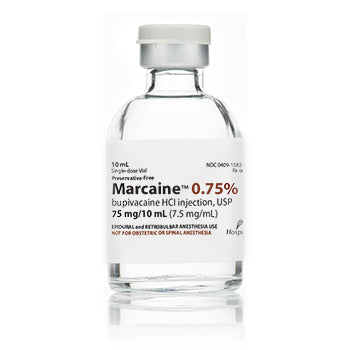
  • Epidural Anesthesia: Injection into the epidural space around the spinal cord (such as in the lumbar region) to block pain from an entire portion of the body. Epidural bupivacaine is commonly used for labor and delivery (obstetrical epidurals) and for surgeries of the lower limbs, abdomen, or pelvis. The 0.5% preservative-free solution is suitable for epidural use. (Higher concentrations like 0.75% are generally not used in obstetrical epidurals due to a higher risk of cardiac toxicity in pregnant patients.
  • Caudal and Spinal Blocks: In caudal anesthesia (a type of epidural given through the sacral canal) or spinal anesthesia (injection into the subarachnoid space), bupivacaine can provide profound numbness for surgeries below the waist. Only preservative-free, sterile solutions are used for these central neural blocks to avoid any neurotoxic additives. (Note: A specialized formulation of bupivacaine with dextrose is often used for spinal anesthesia to make it heavier than cerebrospinal fluid).
  • Retrobulbar Block: Injection behind the eyeball (into the retrobulbar space) to numb the eye muscles and nerves for ophthalmic procedures. Bupivacaine’s long action is useful for longer eye surgeries.
  • Dental and Minor Surgical anesthesia: Although lidocaine is more common for dental work, bupivacaine 0.5% (often with epinephrine) is sometimes used for lengthy dental procedures or for prolonged postoperative dental pain relief due to its extended duration.

In all these uses, bupivacaine is administered by trained healthcare providers (such as anesthesiologists, nurse anesthetists, or surgeons) in a controlled setting. The onset of numbness with bupivacaine is a bit slower (taking anywhere from 5 to 15 minutes to fully work), but the trade-off is a much longer-lasting effect compared to shorter-acting local anesthetics.

Bupivacaine Injection 0.5% (50 mg/10 mL) is a single-use, preservative-free local anesthetic solution. It is a long-duration anesthetic employed for numbing specific areas during surgery or painful procedures (via infiltration, nerve blocks, or epidurals). It achieves anesthesia by blocking nerve conduction (sodium channel blockade). While extremely useful for pain control, it must be used with care to avoid systemic toxicity. The preservative-free single-dose format ensures it’s safe for sensitive applications like epidural anesthesia and minimizes the risk of adverse reactions.

How does Bupivacaine Injection Work

Bupivacaine blocks pain signals by interfering with nerve impulse conduction. It specifically binds to voltage-gated sodium channels on nerve cell membranes and prevents sodium ions from entering the nerve cell. By stopping this sodium influx, bupivacaine inhibits the depolarization process that normally generates an electrical impulse. In practical terms, the nerves in the area cannot “fire,” so they cannot send pain signals to the brain. This blockade is reversible – as the drug’s effect wears off (the drug is absorbed into the bloodstream and metabolized by the liver), the sodium channels regain function and normal sensation gradually returns.

Notably, bupivacaine and similar local anesthetics affect small pain fibers first (which relieves pain) while often sparing larger nerve fibers to some extent (those responsible for touch or muscle control) when used at appropriate doses. This is why an epidural can sometimes relieve pain (block sensory nerves) while still allowing a patient to move their legs a bit or feel pressure. At higher concentrations, though, bupivacaine will produce deeper anesthesia including loss of muscle control in the area.

Bupivacaine Injection Considerations & Precautions

Administration by Professionals: Bupivacaine must be administered in a healthcare setting by trained professionals. The dose and technique are carefully chosen for the specific patient and type of block. Providers always aspirate the syringe before injecting and often give incremental doses to ensure the anesthetic is not accidentally injected into a blood vessel. Injecting bupivacaine intravenously (by mistake) can lead to rapid, dangerous systemic effects. In fact, bupivacaine is absolutely contraindicated for use in intravenous regional anesthesia (Bier block) because even a regular dose in the bloodstream can cause severe toxicity. Cardiotoxicity and CNS Toxicity: Bupivacaine is one of the most potent local anesthetics, and unfortunately, also one of the more cardiotoxic if it enters systemic circulation in high amounts. Signs of systemic toxicity can include symptoms affecting the central nervous system (ringing in ears, metallic taste, numb tongue, seizures) and the cardiovascular system (low blood pressure, irregular heart rhythm, atrioventricular block, or cardiac arrest in worst cases). The heart is particularly sensitive – bupivacaine can impair the heart’s electrical conduction and contractility, sometimes leading to serious arrhythmias. Because of this risk, clinicians are prepared to manage complications: for example, Intralipid (an intravenous fat emulsion) can be used as an antidote to help treat severe bupivacaine overdose by absorbing the drug (lipid rescue therapy). A specific boxed warning exists for the 0.75% concentration in obstetric anesthesia due to reports of cardiac arrest at that higher strength. The 0.5% dose in a single-dose vial is considered safer for obstetric use, but the medical team still exercises great caution, especially in sensitive populations like pregnant patients.Advantages of Preservative-Free Formulation: The preservative-free nature of this product is not only to allow single use, but also to enable injection in sensitive areas (like around the spinal cord or inside joints) without risk of tissue irritation. Preservatives such as methylparaben or benzyl alcohol, found in some multi-dose vials, can cause inflammation or even nerve damage if introduced into the epidural or intrathecal space. Using a preservative-free solution avoids this risk. It also reduces the chance of allergic reactions – while true allergy to amide anesthetics like bupivacaine is exceedingly rare, some patients may react to preservatives in anesthetic solutions. Therefore, “MPF” (methylparaben-free) single-dose vials are standard for techniques such as epidurals, spinal blocks, and ophthalmic blocks.Duration and Caution: Because bupivacaine’s effects last so long, it provides excellent pain relief but also requires caution in dosing. A single injection can continue to numb tissue well into the postoperative period, which is great for pain control. However, clinicians must calculate the total amount of bupivacaine given across all uses (for example, if multiple blocks or top-ups are done) to stay within safe limits. Typically, the maximum recommended dose (without epinephrine) for bupivacaine in an adult is around 175 mg per single administration, or 225 mg over 24 hours, though lower limits are used if doing a single-injection nerve block. Exceeding safe doses or inadvertently injecting into the bloodstream can cause the toxic effects described above. It’s also important to note that bupivacaine should not be injected into infected or inflamed tissues, as acidity in those areas can reduce the drug’s effectiveness and unpredictable absorption could occur.Development of Safer Analogs: The high cardiotoxicity of bupivacaine led to the development of newer anesthetics like levobupivacaine and ropivacaine. Levobupivacaine is essentially the purified S-enantiomer of bupivacaine, and ropivacaine is a related compound; both were found to have similar anesthetic benefits with a lower risk of cardiac toxicity. In many practices, ropivacaine has partially replaced bupivacaine for epidurals and nerve blocks, especially for continuous infusions, to improve safety margins. Even so, bupivacaine 0.5% remains widely used, due to its reliability in producing a dense and long-lasting nerve block.

Description

Bupivacaine Injection 0.5% (Preservative-Free)

Bupivacaine 0.5% Injection is a local anesthetic solution used to produce numbness (loss of sensation) in a specific area of the body. It contains bupivacaine hydrochloride, a potent long-acting anesthetic of the amide class, dissolved in sterile water for injection. This formulation is 0.5% w/v, meaning it has 5 mg of bupivacaine per mL; in a 10 mL vial there is a total of 50 mg of the drug. The product is labeled “Single Dose, Preservative-Free,” indicating that the vial is intended for one-time use and contains no antimicrobial preservatives (such as parabens). Without a preservative, any unused solution must be discarded after opening to maintain sterility and safety.
Uses in Anesthesia

Bupivacaine 0.5% is utilized by medical professionals to produce local or regional anesthesia (numbing a specific area without affecting consciousness). Common uses include:

  • Infiltration Anesthesia: Injecting directly into tissues to numb a small area (for example, to suture a laceration or for minor surgical procedures).
  • Peripheral Nerve Blocks: Injecting near a specific nerve or nerve plexus to anesthetize an entire region. For instance, a brachial plexus block can numb an arm for surgery, and an intercostal nerve block can numb an area of the ribs. Bupivacaine is often chosen for nerve blocks when a longer duration of pain relief is desired.
  • Epidural Anesthesia: Injection into the epidural space around the spinal cord (such as in the lumbar region) to block pain from an entire portion of the body. Epidural bupivacaine is commonly used for labor and delivery (obstetrical epidurals) and for surgeries of the lower limbs, abdomen, or pelvis. The 0.5% preservative-free solution is suitable for epidural use. (Higher concentrations like 0.75% are generally not used in obstetrical epidurals due to a higher risk of cardiac toxicity in pregnant patients.
  • Caudal and Spinal Blocks: In caudal anesthesia (a type of epidural given through the sacral canal) or spinal anesthesia (injection into the subarachnoid space), bupivacaine can provide profound numbness for surgeries below the waist. Only preservative-free, sterile solutions are used for these central neural blocks to avoid any neurotoxic additives. (Note: A specialized formulation of bupivacaine with dextrose is often used for spinal anesthesia to make it heavier than cerebrospinal fluid).
  • Retrobulbar Block: Injection behind the eyeball (into the retrobulbar space) to numb the eye muscles and nerves for ophthalmic procedures. Bupivacaine’s long action is useful for longer eye surgeries.
  • Dental and Minor Surgical anesthesia: Although lidocaine is more common for dental work, bupivacaine 0.5% (often with epinephrine) is sometimes used for lengthy dental procedures or for prolonged postoperative dental pain relief due to its extended duration.

In all these uses, bupivacaine is administered by trained healthcare providers (such as anesthesiologists, nurse anesthetists, or surgeons) in a controlled setting. The onset of numbness with bupivacaine is a bit slower (taking anywhere from 5 to 15 minutes to fully work), but the trade-off is a much longer-lasting effect compared to shorter-acting local anesthetics.

Bupivacaine Injection 0.5% (50 mg/10 mL) is a single-use, preservative-free local anesthetic solution. It is a long-duration anesthetic employed for numbing specific areas during surgery or painful procedures (via infiltration, nerve blocks, or epidurals). It achieves anesthesia by blocking nerve conduction (sodium channel blockade). While extremely useful for pain control, it must be used with care to avoid systemic toxicity. The preservative-free single-dose format ensures it’s safe for sensitive applications like epidural anesthesia and minimizes the risk of adverse reactions.

How does Bupivacaine Injection Work

How does Bupivacaine Injection Work

Bupivacaine blocks pain signals by interfering with nerve impulse conduction. It specifically binds to voltage-gated sodium channels on nerve cell membranes and prevents sodium ions from entering the nerve cell. By stopping this sodium influx, bupivacaine inhibits the depolarization process that normally generates an electrical impulse. In practical terms, the nerves in the area cannot “fire,” so they cannot send pain signals to the brain. This blockade is reversible – as the drug’s effect wears off (the drug is absorbed into the bloodstream and metabolized by the liver), the sodium channels regain function and normal sensation gradually returns.

Notably, bupivacaine and similar local anesthetics affect small pain fibers first (which relieves pain) while often sparing larger nerve fibers to some extent (those responsible for touch or muscle control) when used at appropriate doses. This is why an epidural can sometimes relieve pain (block sensory nerves) while still allowing a patient to move their legs a bit or feel pressure. At higher concentrations, though, bupivacaine will produce deeper anesthesia including loss of muscle control in the area.
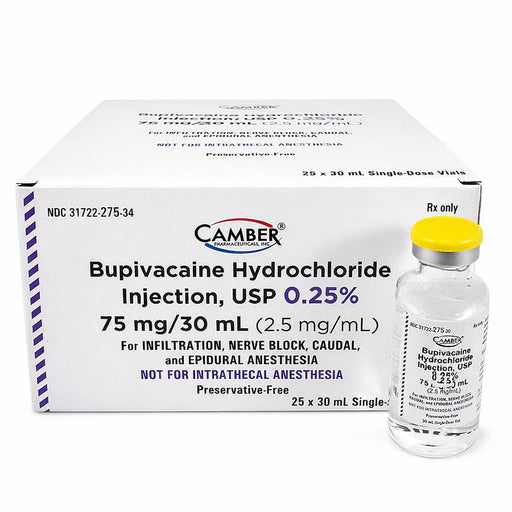
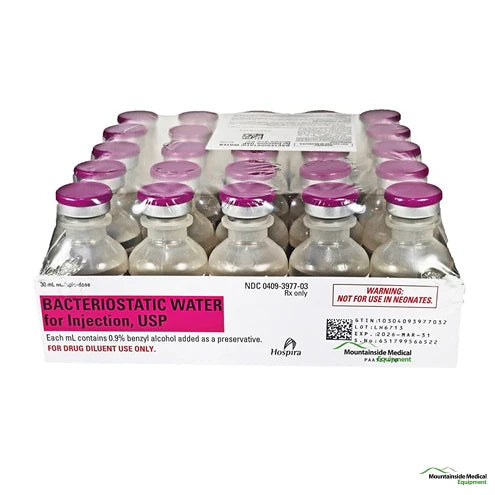
Bupivacaine Injection Considerations & Precautions

Bupivacaine Injection Considerations & Precautions

Administration by Professionals: Bupivacaine must be administered in a healthcare setting by trained professionals. The dose and technique are carefully chosen for the specific patient and type of block. Providers always aspirate the syringe before injecting and often give incremental doses to ensure the anesthetic is not accidentally injected into a blood vessel. Injecting bupivacaine intravenously (by mistake) can lead to rapid, dangerous systemic effects. In fact, bupivacaine is absolutely contraindicated for use in intravenous regional anesthesia (Bier block) because even a regular dose in the bloodstream can cause severe toxicity. Cardiotoxicity and CNS Toxicity: Bupivacaine is one of the most potent local anesthetics, and unfortunately, also one of the more cardiotoxic if it enters systemic circulation in high amounts. Signs of systemic toxicity can include symptoms affecting the central nervous system (ringing in ears, metallic taste, numb tongue, seizures) and the cardiovascular system (low blood pressure, irregular heart rhythm, atrioventricular block, or cardiac arrest in worst cases). The heart is particularly sensitive – bupivacaine can impair the heart’s electrical conduction and contractility, sometimes leading to serious arrhythmias. Because of this risk, clinicians are prepared to manage complications: for example, Intralipid (an intravenous fat emulsion) can be used as an antidote to help treat severe bupivacaine overdose by absorbing the drug (lipid rescue therapy). A specific boxed warning exists for the 0.75% concentration in obstetric anesthesia due to reports of cardiac arrest at that higher strength. The 0.5% dose in a single-dose vial is considered safer for obstetric use, but the medical team still exercises great caution, especially in sensitive populations like pregnant patients.Advantages of Preservative-Free Formulation: The preservative-free nature of this product is not only to allow single use, but also to enable injection in sensitive areas (like around the spinal cord or inside joints) without risk of tissue irritation. Preservatives such as methylparaben or benzyl alcohol, found in some multi-dose vials, can cause inflammation or even nerve damage if introduced into the epidural or intrathecal space. Using a preservative-free solution avoids this risk. It also reduces the chance of allergic reactions – while true allergy to amide anesthetics like bupivacaine is exceedingly rare, some patients may react to preservatives in anesthetic solutions. Therefore, “MPF” (methylparaben-free) single-dose vials are standard for techniques such as epidurals, spinal blocks, and ophthalmic blocks.Duration and Caution: Because bupivacaine’s effects last so long, it provides excellent pain relief but also requires caution in dosing. A single injection can continue to numb tissue well into the postoperative period, which is great for pain control. However, clinicians must calculate the total amount of bupivacaine given across all uses (for example, if multiple blocks or top-ups are done) to stay within safe limits. Typically, the maximum recommended dose (without epinephrine) for bupivacaine in an adult is around 175 mg per single administration, or 225 mg over 24 hours, though lower limits are used if doing a single-injection nerve block. Exceeding safe doses or inadvertently injecting into the bloodstream can cause the toxic effects described above. It’s also important to note that bupivacaine should not be injected into infected or inflamed tissues, as acidity in those areas can reduce the drug’s effectiveness and unpredictable absorption could occur.Development of Safer Analogs: The high cardiotoxicity of bupivacaine led to the development of newer anesthetics like levobupivacaine and ropivacaine. Levobupivacaine is essentially the purified S-enantiomer of bupivacaine, and ropivacaine is a related compound; both were found to have similar anesthetic benefits with a lower risk of cardiac toxicity. In many practices, ropivacaine has partially replaced bupivacaine for epidurals and nerve blocks, especially for continuous infusions, to improve safety margins. Even so, bupivacaine 0.5% remains widely used, due to its reliability in producing a dense and long-lasting nerve block.

Get Notified When Back in Stock