
Filters
Availability
Price
$
-
$
$0
$5895
Vendor
Collection
Tags
- Adrenal (2)
- Anti-Inflammatory Injection (6)
- Buy Dexamethasone (1)
- Corticosteroid Cortisone (2)
- Corticosteroid for inflammation (1)
- Corticosteroids (13)
- Decadron (8)
- Decadron Generic (2)
- dexamethasone (18)
- Dexamethasone Injection (9)
- Dexamethasone Locally (1)
- Dexamethasone Near Me (1)
- Dexamethasone Sodium Phosphate (16)
- Dexamethasone vials (9)
- doctor-only (18)
- Emergency Injection (2)
- Emergency Medication (2)
- Steroid shot for allergies (1)
- Allergies (1)
- anti-inflammatory drug (1)
- Arthritis pain (1)
- arthritis pain relief (1)
- Asthma (2)
- Asthma Medication (3)
- Asthma Treatment (2)
- cort (1)
- Corticosteroid Medication (3)
- Immune (1)
- Inflammation (3)
- Joint Pain (1)
- Pain Relief (1)
- Pain Relief Medicine (1)
- Reduce inflammation (2)
- Reduces Inflammation (1)
- Relieve Joint Pain (1)
- Rheumatoid Arthritis (1)
- Sodium phosphate (3)
- Swelling (1)
- Treat Asthma (1)
- Treat Inflammation (9)
- Intramuscular or Intravenous (1)
- Adrenals (3)
- allergic reactions (2)
- brain swelling (1)
- Corticosteroid Medicine (4)
- severe inflammation (1)
- Shock (2)
- Treat Shock (2)
- Allergic Reaction (1)
- Allergic Reaction Treatment (1)
- Dexamethasone Intensol (1)
- Dexamethasone Intensol Drops (1)
- Dexamethasone Solution (1)
- Hikma (1)
- Oral Solution (1)
- Treat Allergic Reactions (1)
- Acute asthma (1)
- Adrenal crisis (1)
- Anti-inflammatory steroid injection (1)
- Cancer Treatment Drug (1)
- Cancer Treatment Medication (1)
- corticosteroid injection (1)
- Dexamethasone IV (1)
- Emergency corticosteroid injection (1)
- Hospital injection for shock (1)
- Injection for cerebral edema (1)
- injection for inflammation (1)
- Mylan dexamethasone (1)
- Mylan product 042312 (1)
- NDC 67457-0423-12 (1)
- Oncologic (1)
- Septic Shock (1)
- Severe allergic reaction (1)
- Sterile dexamethasone (1)
- Steroid injection (3)
- Steroid injection for inflammation (1)
- UPC 367457423128 (1)
- Arthritis steroid shot (1)
- Chemotherapy nausea medication (1)
- corticosteroid for asthma (1)
- Emergency allergy treatment (1)
- inflammation Injection (1)
- injection for swelling (1)
- IV dexamethasone (1)
- Allergy Relief (1)
- Autoimmune Diseases (1)
- immune suppression (1)
- injectable steroids (2)
- Synthetic Corticosteroid (1)
- treatment for rheumatoid arthritis (1)
- 10 ml (1)
- 10 ml vials (1)
- dexamethasone for asthma (1)
- immunosuppressive injection (1)
- inflammatory disorders (1)
- IV steroid (1)
- Multiple Dose (2)
- Multiple Dose Vial (2)
- Multiple Dose Vials (2)
- steroid Injection (1)
- Steroids (1)
- Autoimmune conditions (1)
- Cerebral edema (1)
- Corticosteroid Skin Treatment (1)
- Critical care (1)
- Immune Response (1)
- Severe allergies (1)
- Skin disorders (1)
- prefilled syringes (2)
- Corticosteroid Injection (1)
- Dexamethasone 20 mg (1)
- prescription drug (1)
- prescription injection (1)
- Compounding (1)
- Medisca (1)
- Pharmacy Compounding (1)
Dexamethasone Injection
Dexamethasone Injection
Dexamethasone injection is a potent synthetic corticosteroid (glucocorticoid) medication given by injection to reduce inflammation and modulate the immune system. It mimics the body’s natural adrenal hormone (cortisol) and is used to provide a rapid anti‐inflammatory effect. In practice, it is often supplied as a water-soluble salt (dexamethasone sodium phosphate) for intramuscular (IM) or intravenous (IV) use. (For example, an official drug insert notes “Dexamethasone Sodium Phosphate Injection… produces a rapid response even when injected intramuscularly”). Dexamethasone injections are prescription‐only and usually administered by healthcare professionals.
- Drug class: A glucocorticoid corticosteroid. It belongs to the same class as cortisol.
- Mechanism: It works by binding steroid receptors and altering gene transcription to “decrease inflammation and slow down an overactive immune system”. In other words, it stores away inflammatory chemicals and reduces swelling, redness and immune activity.
- Form: Typically comes as a powdered vial or ready solution for injection. (The sodium phosphate ester form is water‐soluble for quick effect). It can be given deep into muscle or directly into a vein.
- Brand names: Often sold under brand names like Decadron (among others) and also available generically.
Common Uses/Indications
Dexamethasone injection is used in severe or acute conditions where fast, strong anti-inflammatory action is needed. These include many allergic, inflammatory, and endocrine disorders:
- Severe allergies and anaphylaxis: Used for life‐threatening allergic reactions (hives, swelling, breathing difficulty) to reduce immune response.
- Asthma and respiratory inflammation: To treat acute asthma flare-ups or other serious lung inflammation by suppressing airway swelling.
- Arthritis and joint inflammation: For intense flares of rheumatoid arthritis, psoriatic arthritis or gout when oral treatment is inadequate.
- Inflammatory bowel and skin diseases: Conditions like ulcerative colitis, Crohn’s disease, severe eczema or dermatitis, where it calms gut or skin inflammation.
- Blood and organ disorders: Used in certain blood cancers (like leukemia, lymphoma) and to manage transplant rejection by suppressing the immune attack. It can also reduce cerebral edema (brain swelling) or inflammation around tumors.
- Edema (fluid retention): To treat significant swelling from various causes (e.g. kidney disease, cerebral edema).
- Endocrine/Adrenal support: In adrenal insufficiency (Addison’s disease) or septic shock, it replaces cortisol and stabilizes blood pressure. It is given as part of shock protocols in critical care.
- Other uses: Occasionally used for severe chemotherapy side effects (e.g. antiemesis), to alleviate nausea/vomiting from cancer treatment, or to prevent organ transplant rejection..
For example, MedlinePlus notes that dexamethasone “is used to treat severe allergic reactions” and a range of conditions involving the blood, skin, eyes, thyroid, kidneys, lungs and nervous system. The Cleveland Clinic similarly states it “treats many conditions such as asthma, allergic reactions, arthritis, inflammatory bowel diseases, [and] adrenal … disorders” by damping down inflammation and immune activity.
Administration of the Injection
Dexamethasone injection is given by a healthcare provider (doctor, nurse, or trained patient). It comes as a sterile powder or solution:
- Preparation: Powdered dexamethasone (sodium phosphate) is mixed with a sterile diluent just before use. The resulting solution can be injected.
- Routes: It can be given intramuscularly (IM) or intravenously (IV), depending on the situation. IV doses are common in emergencies (e.g. anaphylaxis or shock) for rapid blood levels, whereas IM injections may be used for less acute settings.
- Setting: Often administered in a hospital, clinic, or emergency room. In some cases (for slower taper or recurring therapy) a patient may learn self-injection technique to use at home under medical guidance.
- Dosage: Dose and schedule vary widely by condition (from single large doses to multiple days of therapy). Doctors carefully adjust the dose based on the patient’s condition and response.
After administration, dexamethasone acts quickly. Because of its potency and long half-life, even a single injection can have effects lasting a day or longer. (The physician will determine how long to continue and how to taper off to avoid withdrawal.)
Additional Information
- Prescription status: Only available by prescription due to its potency. It is not an over-the-counter drug.
- Handling: As a potent steroid, it must be used under supervision. Doses are usually tapered gradually to avoid adrenal insufficiency.
- Side effects: (Though not asked, note that like all steroids it can cause various side effects if used long-term or in high doses.) Common effects include increased blood sugar, fluid retention, mood changes, and others.
-
 Sale 36%
Original price $ 139.95Current price $ 89.99
Sale 36%
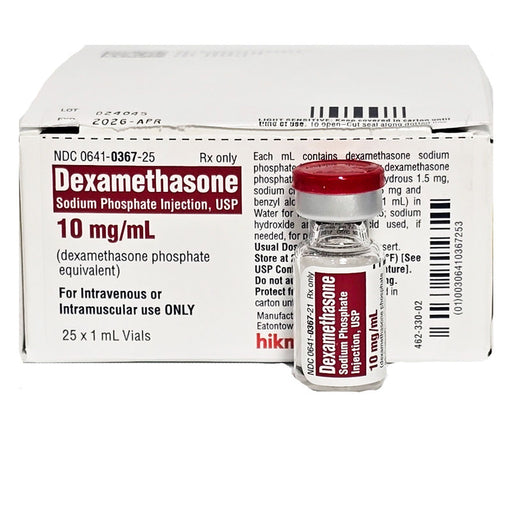
Original price $ 139.95Current price $ 89.99Dexamethasone Sodium Phosphate Injection 1 mL (Decadron Shot) 25/Pack (Rx)
Hikma PharmaceuticalsNo reviews#1 Trusted Corticosteroid for Rapid Inflammation, Allergy, and Immune Control Dexamethasone Sodium Phosphate Injection 1 mL (Decadron Shot) from Hi...
View full details🔒 Medical License Required -
 Sale 13%
Original price $ 45.00Current price $ 39.00
Sale 13%
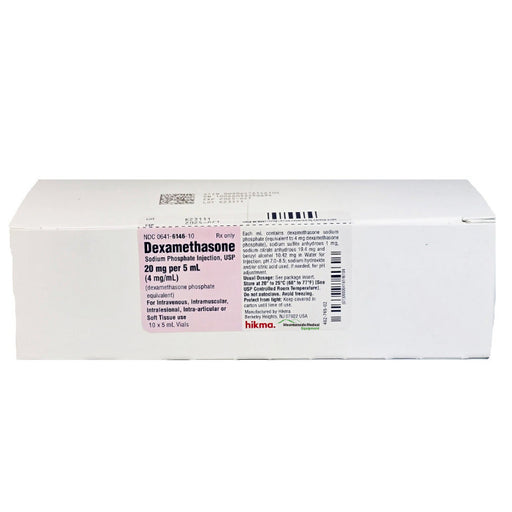
Original price $ 45.00Current price $ 39.00Dexamethasone Injection 20 mg Per 5 mL Multiple-Dose Vials 5 mL x 10/Pack (RX)
Hikma Injectables2 reviewsDexamethasone Injection is a powerful corticosteroid medication widely used in hospitals and clinics to rapidly reduce inflammation and treat a ran...
View full details🔒 Medical License Required -
Sale 21%
Original price $ 12.50Current price $ 9.89
Dexamethasone Sodium Phosphate 1 mL for Injection EACH (Rx)
HikmaNo reviewsDexamethasone Sodium Phosphate is a synthetic glucocorticoid drug. It is used as an anti-inflammatory and immunosuppressive agent. Dexamethasone So...
View full details🔒 Medical License Required -
 Sale 23%
Original price $ 109.00Current price $ 83.95
Sale 23%
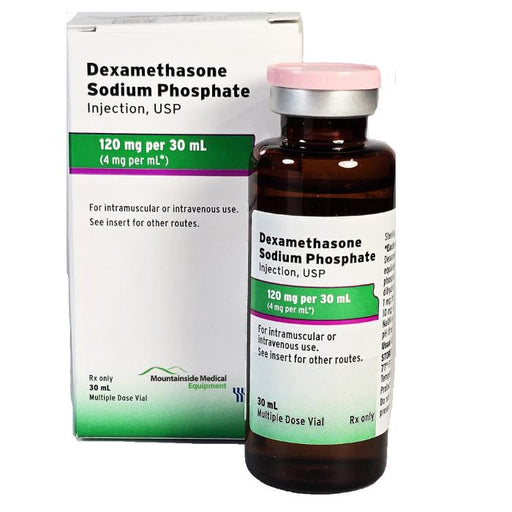
Original price $ 109.00Current price $ 83.95Dexamethasone Sodium Phosphate Injection 120 mg Per 30 mL (4 mg/mL) Multi-Dose Vials 30 mL (RX)
Fresenius KabiNo reviewsDexamethasone Sodium Phosphate Injection 120 mg per 30 mL is a corticosteroid solution used for managing severe inflammation and modulating the imm...
View full details🔒 Medical License Required -
 Sale 8%
Original price $ 239.00Current price $ 219.00
Sale 8%
Original price $ 239.00Current price $ 219.00Dexamethasone Sodium Phosphate Injection 10 mL Multi-Dose Vials, 10/Tray (Rx)
Eugia USNo reviewsDexamethasone Sodium Phosphate Injection 10 mL Multi-Dose Vials are used to treat a variety of conditions, including inflammation, allergies, and c...
View full details🔒 Medical License Required -
 Sale 34%
Original price $ 79.95Current price $ 52.80
Sale 34%
Original price $ 79.95Current price $ 52.80Dexamethasone Sodium Phosphate Injection 4 mg Single-Dose Vials 1 mL x 25/Tray (RX)
Hikma InjectablesNo reviewsDexamethasone Sodium Phosphate Injection is a prescription medication used for its potent anti-inflammatory and immunosuppressant effects. It is th...
View full details🔒 Medical License Required -
 Sale 29%
Original price $ 69.50Current price $ 49.50
Sale 29%
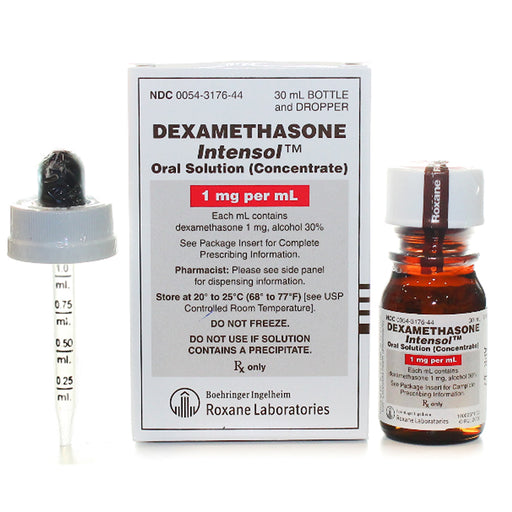
Original price $ 69.50Current price $ 49.50Dexamethasone Intensol Oral Solution (Concentrated) 30 mL Bottle 1 mg/mL (Rx)
HikmaNo reviewsDexamethasone Intensol Oral Solution (Concentrated) 1 mg/mL is an oral corticosteroid used to treat conditions that involve severe inflammation and...
View full details🔒 Medical License Required -
 Sale 34%
Original price $ 119.95Current price $ 79.00
Sale 34%
Original price $ 119.95Current price $ 79.00Dexamethasone Sodium Phosphate 4 mg Injection Single Dose Vials 1 mL x 25/Pack (Rx)
Mylan InstitutionalNo reviews#1 Hospital-Grade Steroid Injection for Inflammation, Allergic Reactions & Severe Conditions Dexamethasone Sodium Phosphate Injection 4 mg/mL b...
View full details🔒 Medical License Required -
 Sale 25%
Original price $ 52.75Current price $ 39.75
Sale 25%
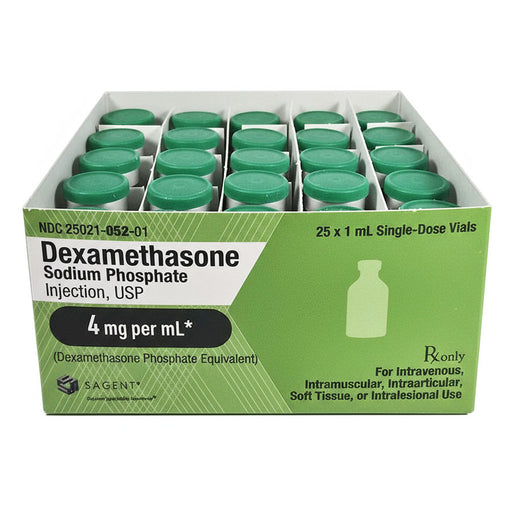
Original price $ 52.75Current price $ 39.75Dexamethasone Sodium Phosphate Injection 4 mg per mL, Single-Use Vials 1 mL x 25/Box (RX)
Sagent PharmaceuticalsNo reviewsFast-Acting Steroid Anti-Inflammatory for Severe Allergies, Inflammation & Autoimmune Conditions Dexamethasone Sodium Phosphate Injection 4 mg ...
View full details🔒 Medical License Required -
 Sale 32%
Original price $ 259.95Current price $ 177.00
Sale 32%
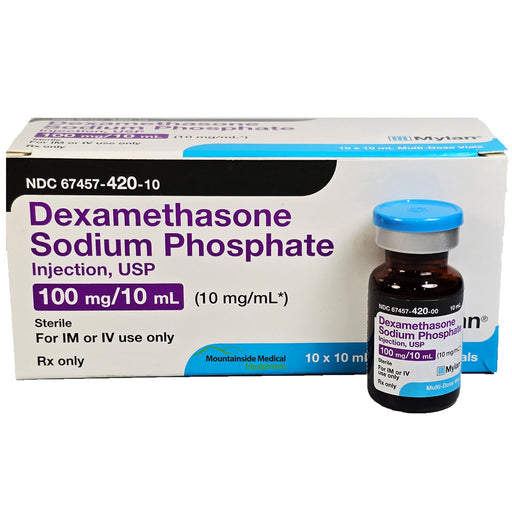
Original price $ 259.95Current price $ 177.00Dexamethasone Sodium Phosphate Injection 10 mg/mL Multi-Dose Vials 10 mL x 10/Tray (Rx)
Mylan InstitutionalNo reviewsDexamethasone Sodium Phosphate Injection 10 mg/mL Multi-Dose Vials 10 mL is a type of corticosteroid medication that is used to treat various condi...
View full details🔒 Medical License Required -
 Sale 37%
Original price $ 99.95Current price $ 63.00
Sale 37%
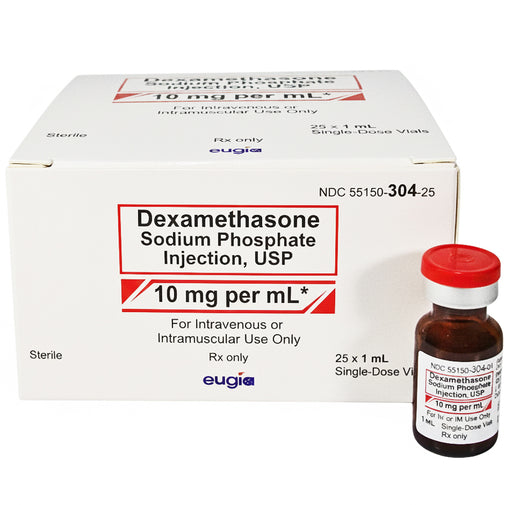
Original price $ 99.95Current price $ 63.00Dexamethasone Sodium Phosphate 10 mg Per mL Single-Dose 1 mL x 25/Box (RX)
Eugia USNo reviewsTop-Rated Injectable Steroid for Inflammation, Allergies, and Autoimmune Conditions. Powerful Pharmaceutical-Grade Corticosteroid for Fast Relief –...
View full details🔒 Medical License Required -
 Sale 24%
Original price $ 129.95Current price $ 99.00
Sale 24%
Original price $ 129.95Current price $ 99.00Dexamethasone Sodium Phosphate njection 10 ml Multiple-Dose Vials 10/Box (RX)
Somerset PharmaNo reviews#1 Choice for Anti-Inflammatory, Immunosuppressive & Allergy Therapy Experience rapid relief from inflammation, severe allergies, adrenal insuf...
View full details🔒 Medical License Required -
 Sale 19%
Original price $ 675.95Current price $ 549.00
Sale 19%
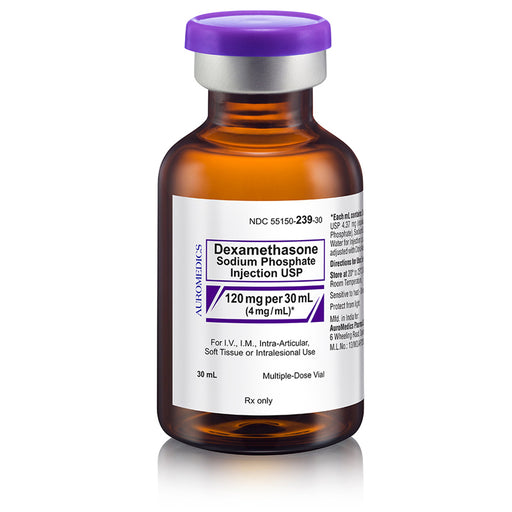
Original price $ 675.95Current price $ 549.00Dexamethasone Sodium Phosphate Injection 30 mL Multi-Dose Vials, 4mg/mL, 25/Tray (Rx)
Eugia USNo reviewsEugia Dexamethasone Sodium Phosphate Injection 4mg/mL Multi-Dose Vials 30 mL x 25/Tray. For Intravenous or Intramuscular Use Only. NDC: 55150-0239-...
View full details🔒 Medical License Required -
 Sale 30%
Original price $ 659.95Current price $ 459.00
Sale 30%
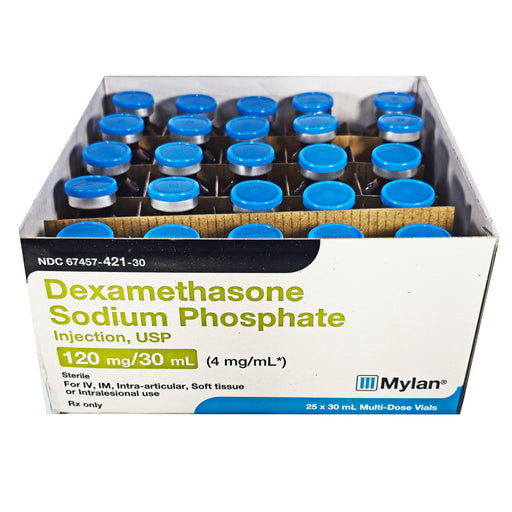
Original price $ 659.95Current price $ 459.00Dexamethasone Sodium Phosphate Injection 120 mg Per 30 mL Multiple-Dose Vials 30 mL x 25/Tray (RX)
Mylan InstitutionalNo reviewsDexamethasone Sodium Phosphate Injection is used for treating inflammatory and autoimmune conditions, as well as severe allergies. It reduces infla...
View full details🔒 Medical License Required -
 Sale 14%
Original price $ 145.95Current price $ 125.95
Sale 14%
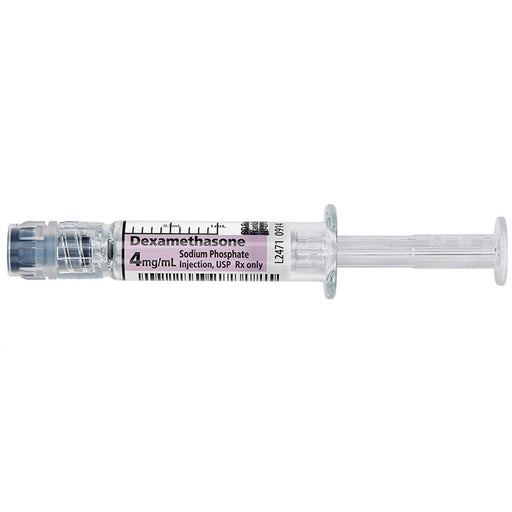
Original price $ 145.95Current price $ 125.95Dexamethasone Sodium Phosphate Injection, 1 mL Prefilled Syringe, 4 mg/mL, 24/Box (Rx)
Fresenius KabiNo reviewsFresenius Dexamethasone Sodium Phosphate Prefilled Syringes work by providing a high concentration of dexamethasone phosphate, a synthetic glucocor...
View full details🔒 Medical License Required -
 Sale 29%
Original price $ 69.95Current price $ 49.50
Sale 29%
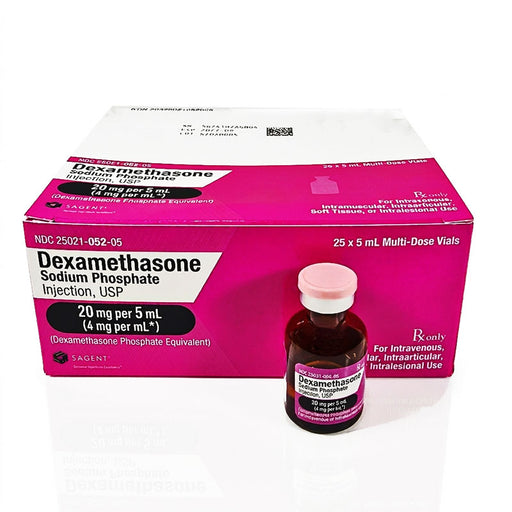
Original price $ 69.95Current price $ 49.50Dexamethasone Injection (Sodium Phosphate) 20 mg/5 mL Multiple-Dose Vials 5 mL x 25/Box (RX)
Sagent PharmaceuticalsNo reviewsDexamethasone injection (as dexamethasone sodium phosphate) is a type of corticosteroid medication – essentially a synthetic glucocorticoid steroid...
View full details🔒 Medical License Required -
 Sale
from $ 115.00
Sale
from $ 115.00Dexamethasone Sodium Phosphate USP for Compounding (API)
Mountainside MedicalNo reviewsDexamethasone Sodium Phosphate USP is a synthetic steroid medication that is used for anti-inflammatory and immunosuppressant effects. It is availa...
View full details🔒 Medical License Required -
 Sale 12%
Original price $ 295.95Current price $ 259.00
Sale 12%
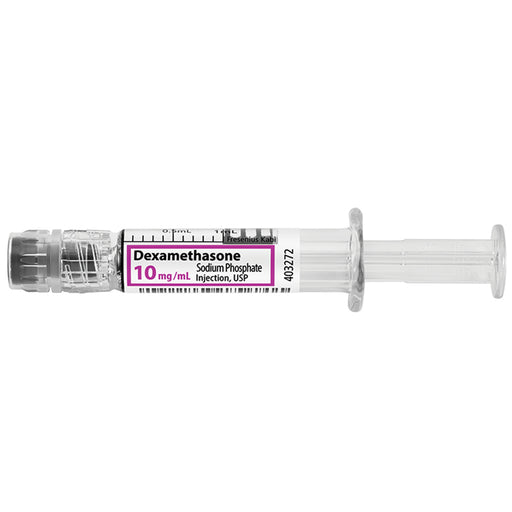
Original price $ 295.95Current price $ 259.00Dexamethasone Sodium Phosphate Injection, 1 mL Prefilled Syringe, 10 mg/mL, 24/Box
Fresenius KabiNo reviewsFresenius Kabi Dexamethasone Sodium Phosphate Injection 10 mg/mL Prefilled Syringes 1 mL x 24/Box. For Intravenous or Intramuscular Use Only. NDC: ...
View full details🔒 Medical License Required


People Also Searched For
Dexamethasone Injection to doctor-only
Dexamethasone Injection to Dexamethasone Sodium Phosphate
Dexamethasone Injection to Corticosteroids
Dexamethasone Injection to Dexamethasone Injection
Dexamethasone Injection to Dexamethasone vials
Dexamethasone Injection to Treat Inflammation
Dexamethasone Injection to Dexamethasone Sodium Phosphate Injection
Dexamethasone Injection to Decadron
Dexamethasone Injection to Anti-Inflammatory Injection
Dexamethasone Injections, Tablets, Oral Solutions & Ear Drops
Dexamethasone Injection
Dexamethasone injection is a potent synthetic corticosteroid (glucocorticoid) medication given by injection to reduce inflammation and modulate the immune system. It mimics the body’s natural adrenal hormone (cortisol) and is used to provide a rapid anti‐inflammatory effect. In practice, it is often supplied as a water-soluble salt (dexamethasone sodium phosphate) for intramuscular (IM) or intravenous (IV) use. (For example, an official drug insert notes “Dexamethasone Sodium Phosphate Injection… produces a rapid response even when injected intramuscularly”). Dexamethasone injections are prescription‐only and usually administered by healthcare professionals.
- Drug class: A glucocorticoid corticosteroid. It belongs to the same class as cortisol.
- Mechanism: It works by binding steroid receptors and altering gene transcription to “decrease inflammation and slow down an overactive immune system”. In other words, it stores away inflammatory chemicals and reduces swelling, redness and immune activity.
- Form: Typically comes as a powdered vial or ready solution for injection. (The sodium phosphate ester form is water‐soluble for quick effect). It can be given deep into muscle or directly into a vein.
- Brand names: Often sold under brand names like Decadron (among others) and also available generically.
Common Uses/Indications
Dexamethasone injection is used in severe or acute conditions where fast, strong anti-inflammatory action is needed. These include many allergic, inflammatory, and endocrine disorders:
- Severe allergies and anaphylaxis: Used for life‐threatening allergic reactions (hives, swelling, breathing difficulty) to reduce immune response.
- Asthma and respiratory inflammation: To treat acute asthma flare-ups or other serious lung inflammation by suppressing airway swelling.
- Arthritis and joint inflammation: For intense flares of rheumatoid arthritis, psoriatic arthritis or gout when oral treatment is inadequate.
- Inflammatory bowel and skin diseases: Conditions like ulcerative colitis, Crohn’s disease, severe eczema or dermatitis, where it calms gut or skin inflammation.
- Blood and organ disorders: Used in certain blood cancers (like leukemia, lymphoma) and to manage transplant rejection by suppressing the immune attack. It can also reduce cerebral edema (brain swelling) or inflammation around tumors.
- Edema (fluid retention): To treat significant swelling from various causes (e.g. kidney disease, cerebral edema).
- Endocrine/Adrenal support: In adrenal insufficiency (Addison’s disease) or septic shock, it replaces cortisol and stabilizes blood pressure. It is given as part of shock protocols in critical care.
- Other uses: Occasionally used for severe chemotherapy side effects (e.g. antiemesis), to alleviate nausea/vomiting from cancer treatment, or to prevent organ transplant rejection..
For example, MedlinePlus notes that dexamethasone “is used to treat severe allergic reactions” and a range of conditions involving the blood, skin, eyes, thyroid, kidneys, lungs and nervous system. The Cleveland Clinic similarly states it “treats many conditions such as asthma, allergic reactions, arthritis, inflammatory bowel diseases, [and] adrenal … disorders” by damping down inflammation and immune activity.
Administration of the Injection
Dexamethasone injection is given by a healthcare provider (doctor, nurse, or trained patient). It comes as a sterile powder or solution:
- Preparation: Powdered dexamethasone (sodium phosphate) is mixed with a sterile diluent just before use. The resulting solution can be injected.
- Routes: It can be given intramuscularly (IM) or intravenously (IV), depending on the situation. IV doses are common in emergencies (e.g. anaphylaxis or shock) for rapid blood levels, whereas IM injections may be used for less acute settings.
- Setting: Often administered in a hospital, clinic, or emergency room. In some cases (for slower taper or recurring therapy) a patient may learn self-injection technique to use at home under medical guidance.
- Dosage: Dose and schedule vary widely by condition (from single large doses to multiple days of therapy). Doctors carefully adjust the dose based on the patient’s condition and response.
After administration, dexamethasone acts quickly. Because of its potency and long half-life, even a single injection can have effects lasting a day or longer. (The physician will determine how long to continue and how to taper off to avoid withdrawal.)
Additional Information
- Prescription status: Only available by prescription due to its potency. It is not an over-the-counter drug.
- Handling: As a potent steroid, it must be used under supervision. Doses are usually tapered gradually to avoid adrenal insufficiency.
- Side effects: (Though not asked, note that like all steroids it can cause various side effects if used long-term or in high doses.) Common effects include increased blood sugar, fluid retention, mood changes, and others.
Dexamethasone Injection Uses
How Dexamethasone Injection Works
Dexamethasone Dosage
Dexamethasone Injection Uses
Dexamethasone injection is a potent glucocorticoid steroid with strong anti-inflammatory and immunosuppressive effects. It is given by healthcare professionals (intravenously or intramuscularly) to rapidly control severe inflammation or immune reactions. Clinically, dexamethasone injection is prescribed for a wide range of conditions. Common therapeutic uses include:
-
Severe allergic and inflammatory states: Acute, life-threatening allergic reactions (anaphylaxis), asthma exacerbations, and other allergy-driven inflammation (e.g. contact/atopic dermatitis). It is used when first-line treatments fail. For example, dexamethasone may be given for severe bronchial asthma attacks or transfusion reactions (urticarial reactions) and severe skin allergies.
-
Rheumatic and autoimmune disorders: Short-term “pulse” therapy during acute flares of arthritis and other systemic inflammatory diseases. Approved indications include rheumatoid and psoriatic arthritis, acute gout or bursitis, ankylosing spondylitis, and sacroiliitis. It is also used in systemic autoimmune diseases such as systemic lupus erythematosus and acute rheumatic fever exacerbations. Multiple sclerosis flare-ups (acute relapses) can be managed with IV dexamethasone to hasten recovery.
-
Dermatologic and ocular diseases: Dexamethasone injection treats severe skin conditions like pemphigus vulgaris, Stevens–Johnson syndrome, exfoliative dermatitis, and severe psoriasis that are unresponsive to milder steroids. It is also used for serious eye inflammations – for example, posterior uveitis, optic neuritis, and herpes zoster ophthalmicus – to reduce intraocular inflammation.
-
Gastrointestinal inflammations: Acute severe flares of inflammatory bowel disease – particularly ulcerative colitis and regional enteritis (Crohn’s disease) – may be managed with systemic dexamethasone when needed to rapidly suppress inflammation.
-
Hematologic and oncologic uses: Dexamethasone is indicated for certain blood disorders, including autoimmune hemolytic anemia and idiopathic thrombocytopenic purpura in adults. It is used as a palliative adjuvant in some cancers – for example, to reduce cerebral edema from brain tumors or to improve appetite in leukemia/lymphoma patients. The injection form is also used to calm inflammatory complications of cancer (as in leukemic meningitis) or severe chemotherapy reactions.
-
Endocrine and shock-related conditions: In adrenal gland insufficiency (Addison’s disease) and acute adrenal crises, dexamethasone injection is given when rapid steroid effect is needed. It can be used preoperatively or during severe trauma/illness in patients with low adrenocortical reserve, and in shock states unresponsive to fluids (when adrenal insufficiency is suspected). Congenital adrenal hyperplasia, certain thyroiditis, and hypercalcemia of malignancy are other approved endocrine indications.
-
Neurologic conditions: Dexamethasone is used to reduce intracranial pressure and cerebral edema from brain tumors, head injury or meningitis. It helps limit damage in tuberculous meningitis with block (when used with anti-tubercular drugs). It is also indicated for acute spinal cord compression.
Other Uses
Beyond the indications above, dexamethasone injection has additional applications (often off-label) due to its potent effects:
-
Organ transplantation: It is commonly used (along with other immunosuppressants) to prevent or treat acute organ transplant rejection.
-
Chemotherapy support: In cancer care, dexamethasone injection is given to prevent or reduce nausea and vomiting from highly emetogenic chemotherapy regimens.
-
COVID-19 and severe pneumonia: Notably, dexamethasone became a standard therapy during the COVID-19 pandemic. Guidelines recommend corticosteroids (including dexamethasone) for patients with severe or critical COVID-19 pneumonia to suppress the harmful “cytokine storm” of the immune response. Clinical trial data show that dexamethasone reduces mortality in hospitalized COVID-19 patients requiring oxygen or ventilation. (Per WHO guidance, corticosteroids like dexamethasone are lifesaving in severe COVID-19).
-
Diagnostic testing: Dexamethasone injections are used in certain endocrine function tests (e.g. the dexamethasone suppression test for Cushing’s syndrome) to assess adrenal gland function.
-
Miscellaneous: It is also used for severe edema/swelling from various causes and in certain inflammatory eye and skin conditions when systemic therapy is needed. The full list of uses is extensive; dexamethasone may be prescribed in other conditions at a doctor’s discretion.
How Dexamethasone Injection Works
Dexamethasone injection (often given as Decadron Injection or generic dexamethasone) is the injectable form of a potent synthetic corticosteroid. It belongs to the glucocorticoid class of adrenal steroids. In practice, it is injected (usually intravenously or intramuscularly) to rapidly treat serious inflammation, severe allergic reactions, adrenal insufficiency, and other acute conditions. For example, medical sources note that dexamethasone injection is used for severe allergies/anaphylaxis, certain types of edema (tissue swelling), inflammatory gastrointestinal or eye/skin conditions, severe arthritis flares, some blood disorders, and even shock or adrenal crisis. It is also used in supportive cancer care (e.g. to reduce brain swelling or chemotherapy side effects) and during certain diagnostic tests. In short, it supplements or replaces cortisol when the body needs extra steroid, and it powerfully suppresses inflammation and immune overactivity.
Drug class and potency: Dexamethasone is a long-acting synthetic glucocorticoid. It is much more potent than the body’s natural cortisol (hydrocortisone) – roughly 30× more potent than cortisol and about 7× stronger than prednisolone. Despite its strength, dexamethasone has minimal mineralocorticoid (salt-retaining) activity, so it causes very little fluid or sodium retention compared to some other steroids. Its high potency means even a small dose can have a strong anti-inflammatory effect.
How it works: Like other glucocorticoids, dexamethasone enters cells and binds the intracellular glucocorticoid (cortisol) receptor. The steroid–receptor complex then moves into the cell nucleus and changes gene expression. In practical terms, this turns off many pro-inflammatory genes and turns on anti-inflammatory ones. The result is a broad shutdown of inflammatory processes: production of cytokines (interleukins, TNF-α, etc.) is reduced, and inflammatory enzymes are blocked. For instance, dexamethasone inhibits phospholipase A₂ (thereby reducing prostaglandin and leukotriene synthesis) and suppresses NF-κB (a key transcription factor for inflammation). It also causes blood vessels to constrict rather than dilate and prevents white blood cells from leaking out of capillaries into tissues. In summary, dexamethasone’s molecular action leads to drastically less swelling, redness, pain and allergic reaction. An official drug reference notes it has “anti-allergic, antishock, antipyretic and immunosuppressive” properties. In practice, patients experience this as rapid relief of symptoms such as hives, airway swelling, joint pain, or brain/meningeal edema.
Key points
- Drug class: A long-acting synthetic glucocorticoid (corticosteroid) given by injection. It mimics cortisol but is far more potent.
- Action: Works at the gene level via the glucocorticoid receptor – turning off inflammatory genes and boosting anti-inflammatory ones. This suppresses the immune response and inflammation (less cytokines, prostaglandins, immune cell activation).
- Uses: IV/IM injection is used for acute severe conditions: e.g. anaphylaxis or severe allergic reactions, acute asthma/exacerbations, spinal cord or brain edema (to reduce pressure), adrenal crisis/shock, severe arthritis or rheumatologic flares, and low-cortisol states. It’s also used adjunctively in cancer therapy (e.g. to prevent nausea or brain swelling) and organ transplant protocols.
- Speed and duration: Starts working in hours to reduce symptoms. Effects last 1–2 days from a single dose (due to long biologic half-life).
- Fluid balance: Unlike some steroids, dexamethasone causes minimal water/sodium retention, so it’s less likely to cause edema.
- Precautions: As with any systemic steroid, use under medical supervision. Possible side effects (especially with long use) include high blood sugars, infection risk, or HPA axis suppression. But in emergencies or acute treatment, the benefits of its strong anti-inflammatory action often outweigh the risks. Always follow healthcare instructions when receiving dexamethasone injection.
Bottom line: Dexamethasone injection is a powerful steroid that quickly mimics and boosts the body’s cortisol to fight inflammation and immune overreaction. By binding glucocorticoid receptors and changing gene activity, it dramatically reduces inflammatory signals (cytokines, prostaglandins, etc.) and calms the immune system. It is used by doctors to rapidly control severe allergic, inflammatory, or shock-related conditions.
Dexamethasone Dosage Guidelines
Dexamethasone is a potent glucocorticoid (steroid) used for many conditions (inflammation, allergies, brain edema, etc.). Dosage must be individualized based on the patient’s condition, age, and response. Always follow a healthcare provider’s prescription and taper off steroids gradually under medical supervision. The following are typical dosage ranges reported in medical references:
- Adults (general): Dexamethasone is usually given in the range of 0.75–9 mg per day, taken orally (in divided doses) or by injection. For example, many anti-inflammatory or immunosuppressive uses start around 0.75–2 mg once or twice daily, with higher doses (up to ~9 mg/day) used for severe or acute situations.
- Pediatrics: Dosing in children is weight-based. A common range is about 0.02–0.3 mg/kg/day, roughly equivalent to 0.6–9 mg/m²/day (divided into 3–4 doses). Lower doses may suffice for milder conditions, while higher (but carefully limited) doses are used in severe illness.
- Special regimens: Certain conditions have specific dosing protocols. For example:
- Croup (children): A single dose of about 0.6 mg/kg (oral or IM/IV), not exceeding ~16 mg, is often used for pediatric laryngotracheitis.
- Chemotherapy-induced nausea: Regimens often use 8–20 mg IV or oral before chemotherapy, followed by smaller doses (e.g. 4–8 mg) on subsequent days. For high-emetogenic chemo, one guideline is 12–20 mg prior to chemo, then 8 mg daily for 2–4 days.
- Severe COVID-19: In hospitalized patients needing oxygen, NIH/WHO protocols recommend 6 mg once daily (usually oral or IV) for up to 10 days or until discharge.
- Shock or severe inflammation: Very high doses (on the order of 1–6 mg/kg IV) may be used for short periods in critical illness or adrenal insufficiency, but such dosing is reserved for acute care under specialist guidance.
Key points: Dexamethasone dosing depends on the treated condition. Adults often start around 0.75–9 mg/day (with adjustment based on illness severity). Children’s doses are scaled to weight (≈0.02–0.3 mg/kg/day). In all cases, the medication is usually tapered off (reduced slowly) after long-term use to avoid withdrawal effects. Because dexamethasone is strong and long-acting, even small dose differences can be important.
Disclaimer: This information is for general reference only and does not replace professional medical advice. Actual dosing should be determined by a qualified healthcare provider for the individual patient, taking into account the specific disease, severity, and patient factors. Always consult your doctor or pharmacist before starting or changing dexamethasone therapy.
Dexamethasone Injection Uses
Dexamethasone Injection Uses
Dexamethasone injection is a potent glucocorticoid steroid with strong anti-inflammatory and immunosuppressive effects. It is given by healthcare professionals (intravenously or intramuscularly) to rapidly control severe inflammation or immune reactions. Clinically, dexamethasone injection is prescribed for a wide range of conditions. Common therapeutic uses include:
-
Severe allergic and inflammatory states: Acute, life-threatening allergic reactions (anaphylaxis), asthma exacerbations, and other allergy-driven inflammation (e.g. contact/atopic dermatitis). It is used when first-line treatments fail. For example, dexamethasone may be given for severe bronchial asthma attacks or transfusion reactions (urticarial reactions) and severe skin allergies.
-
Rheumatic and autoimmune disorders: Short-term “pulse” therapy during acute flares of arthritis and other systemic inflammatory diseases. Approved indications include rheumatoid and psoriatic arthritis, acute gout or bursitis, ankylosing spondylitis, and sacroiliitis. It is also used in systemic autoimmune diseases such as systemic lupus erythematosus and acute rheumatic fever exacerbations. Multiple sclerosis flare-ups (acute relapses) can be managed with IV dexamethasone to hasten recovery.
-
Dermatologic and ocular diseases: Dexamethasone injection treats severe skin conditions like pemphigus vulgaris, Stevens–Johnson syndrome, exfoliative dermatitis, and severe psoriasis that are unresponsive to milder steroids. It is also used for serious eye inflammations – for example, posterior uveitis, optic neuritis, and herpes zoster ophthalmicus – to reduce intraocular inflammation.
-
Gastrointestinal inflammations: Acute severe flares of inflammatory bowel disease – particularly ulcerative colitis and regional enteritis (Crohn’s disease) – may be managed with systemic dexamethasone when needed to rapidly suppress inflammation.
-
Hematologic and oncologic uses: Dexamethasone is indicated for certain blood disorders, including autoimmune hemolytic anemia and idiopathic thrombocytopenic purpura in adults. It is used as a palliative adjuvant in some cancers – for example, to reduce cerebral edema from brain tumors or to improve appetite in leukemia/lymphoma patients. The injection form is also used to calm inflammatory complications of cancer (as in leukemic meningitis) or severe chemotherapy reactions.
-
Endocrine and shock-related conditions: In adrenal gland insufficiency (Addison’s disease) and acute adrenal crises, dexamethasone injection is given when rapid steroid effect is needed. It can be used preoperatively or during severe trauma/illness in patients with low adrenocortical reserve, and in shock states unresponsive to fluids (when adrenal insufficiency is suspected). Congenital adrenal hyperplasia, certain thyroiditis, and hypercalcemia of malignancy are other approved endocrine indications.
-
Neurologic conditions: Dexamethasone is used to reduce intracranial pressure and cerebral edema from brain tumors, head injury or meningitis. It helps limit damage in tuberculous meningitis with block (when used with anti-tubercular drugs). It is also indicated for acute spinal cord compression.
Other Uses
Beyond the indications above, dexamethasone injection has additional applications (often off-label) due to its potent effects:
-
Organ transplantation: It is commonly used (along with other immunosuppressants) to prevent or treat acute organ transplant rejection.
-
Chemotherapy support: In cancer care, dexamethasone injection is given to prevent or reduce nausea and vomiting from highly emetogenic chemotherapy regimens.
-
COVID-19 and severe pneumonia: Notably, dexamethasone became a standard therapy during the COVID-19 pandemic. Guidelines recommend corticosteroids (including dexamethasone) for patients with severe or critical COVID-19 pneumonia to suppress the harmful “cytokine storm” of the immune response. Clinical trial data show that dexamethasone reduces mortality in hospitalized COVID-19 patients requiring oxygen or ventilation. (Per WHO guidance, corticosteroids like dexamethasone are lifesaving in severe COVID-19).
-
Diagnostic testing: Dexamethasone injections are used in certain endocrine function tests (e.g. the dexamethasone suppression test for Cushing’s syndrome) to assess adrenal gland function.
-
Miscellaneous: It is also used for severe edema/swelling from various causes and in certain inflammatory eye and skin conditions when systemic therapy is needed. The full list of uses is extensive; dexamethasone may be prescribed in other conditions at a doctor’s discretion.
How Dexamethasone Injection Works
How Dexamethasone Injection Works
Dexamethasone injection (often given as Decadron Injection or generic dexamethasone) is the injectable form of a potent synthetic corticosteroid. It belongs to the glucocorticoid class of adrenal steroids. In practice, it is injected (usually intravenously or intramuscularly) to rapidly treat serious inflammation, severe allergic reactions, adrenal insufficiency, and other acute conditions. For example, medical sources note that dexamethasone injection is used for severe allergies/anaphylaxis, certain types of edema (tissue swelling), inflammatory gastrointestinal or eye/skin conditions, severe arthritis flares, some blood disorders, and even shock or adrenal crisis. It is also used in supportive cancer care (e.g. to reduce brain swelling or chemotherapy side effects) and during certain diagnostic tests. In short, it supplements or replaces cortisol when the body needs extra steroid, and it powerfully suppresses inflammation and immune overactivity.
Drug class and potency: Dexamethasone is a long-acting synthetic glucocorticoid. It is much more potent than the body’s natural cortisol (hydrocortisone) – roughly 30× more potent than cortisol and about 7× stronger than prednisolone. Despite its strength, dexamethasone has minimal mineralocorticoid (salt-retaining) activity, so it causes very little fluid or sodium retention compared to some other steroids. Its high potency means even a small dose can have a strong anti-inflammatory effect.
How it works: Like other glucocorticoids, dexamethasone enters cells and binds the intracellular glucocorticoid (cortisol) receptor. The steroid–receptor complex then moves into the cell nucleus and changes gene expression. In practical terms, this turns off many pro-inflammatory genes and turns on anti-inflammatory ones. The result is a broad shutdown of inflammatory processes: production of cytokines (interleukins, TNF-α, etc.) is reduced, and inflammatory enzymes are blocked. For instance, dexamethasone inhibits phospholipase A₂ (thereby reducing prostaglandin and leukotriene synthesis) and suppresses NF-κB (a key transcription factor for inflammation). It also causes blood vessels to constrict rather than dilate and prevents white blood cells from leaking out of capillaries into tissues. In summary, dexamethasone’s molecular action leads to drastically less swelling, redness, pain and allergic reaction. An official drug reference notes it has “anti-allergic, antishock, antipyretic and immunosuppressive” properties. In practice, patients experience this as rapid relief of symptoms such as hives, airway swelling, joint pain, or brain/meningeal edema.
Key points
- Drug class: A long-acting synthetic glucocorticoid (corticosteroid) given by injection. It mimics cortisol but is far more potent.
- Action: Works at the gene level via the glucocorticoid receptor – turning off inflammatory genes and boosting anti-inflammatory ones. This suppresses the immune response and inflammation (less cytokines, prostaglandins, immune cell activation).
- Uses: IV/IM injection is used for acute severe conditions: e.g. anaphylaxis or severe allergic reactions, acute asthma/exacerbations, spinal cord or brain edema (to reduce pressure), adrenal crisis/shock, severe arthritis or rheumatologic flares, and low-cortisol states. It’s also used adjunctively in cancer therapy (e.g. to prevent nausea or brain swelling) and organ transplant protocols.
- Speed and duration: Starts working in hours to reduce symptoms. Effects last 1–2 days from a single dose (due to long biologic half-life).
- Fluid balance: Unlike some steroids, dexamethasone causes minimal water/sodium retention, so it’s less likely to cause edema.
- Precautions: As with any systemic steroid, use under medical supervision. Possible side effects (especially with long use) include high blood sugars, infection risk, or HPA axis suppression. But in emergencies or acute treatment, the benefits of its strong anti-inflammatory action often outweigh the risks. Always follow healthcare instructions when receiving dexamethasone injection.
Bottom line: Dexamethasone injection is a powerful steroid that quickly mimics and boosts the body’s cortisol to fight inflammation and immune overreaction. By binding glucocorticoid receptors and changing gene activity, it dramatically reduces inflammatory signals (cytokines, prostaglandins, etc.) and calms the immune system. It is used by doctors to rapidly control severe allergic, inflammatory, or shock-related conditions.
Dexamethasone Dosage
Dexamethasone Dosage Guidelines
Dexamethasone is a potent glucocorticoid (steroid) used for many conditions (inflammation, allergies, brain edema, etc.). Dosage must be individualized based on the patient’s condition, age, and response. Always follow a healthcare provider’s prescription and taper off steroids gradually under medical supervision. The following are typical dosage ranges reported in medical references:
- Adults (general): Dexamethasone is usually given in the range of 0.75–9 mg per day, taken orally (in divided doses) or by injection. For example, many anti-inflammatory or immunosuppressive uses start around 0.75–2 mg once or twice daily, with higher doses (up to ~9 mg/day) used for severe or acute situations.
- Pediatrics: Dosing in children is weight-based. A common range is about 0.02–0.3 mg/kg/day, roughly equivalent to 0.6–9 mg/m²/day (divided into 3–4 doses). Lower doses may suffice for milder conditions, while higher (but carefully limited) doses are used in severe illness.
- Special regimens: Certain conditions have specific dosing protocols. For example:
- Croup (children): A single dose of about 0.6 mg/kg (oral or IM/IV), not exceeding ~16 mg, is often used for pediatric laryngotracheitis.
- Chemotherapy-induced nausea: Regimens often use 8–20 mg IV or oral before chemotherapy, followed by smaller doses (e.g. 4–8 mg) on subsequent days. For high-emetogenic chemo, one guideline is 12–20 mg prior to chemo, then 8 mg daily for 2–4 days.
- Severe COVID-19: In hospitalized patients needing oxygen, NIH/WHO protocols recommend 6 mg once daily (usually oral or IV) for up to 10 days or until discharge.
- Shock or severe inflammation: Very high doses (on the order of 1–6 mg/kg IV) may be used for short periods in critical illness or adrenal insufficiency, but such dosing is reserved for acute care under specialist guidance.
Key points: Dexamethasone dosing depends on the treated condition. Adults often start around 0.75–9 mg/day (with adjustment based on illness severity). Children’s doses are scaled to weight (≈0.02–0.3 mg/kg/day). In all cases, the medication is usually tapered off (reduced slowly) after long-term use to avoid withdrawal effects. Because dexamethasone is strong and long-acting, even small dose differences can be important.
Disclaimer: This information is for general reference only and does not replace professional medical advice. Actual dosing should be determined by a qualified healthcare provider for the individual patient, taking into account the specific disease, severity, and patient factors. Always consult your doctor or pharmacist before starting or changing dexamethasone therapy.