
Filters
Availability
Price
$
-
$
$0
$187
Vendor
Collection
Tags
- Cavicide (1)
- COVID-19 disinfectant (1)
- EPA approved (1)
- HBV HCV disinfectant (1)
- high-level disinfectant (1)
- hospital cleaning supplies (1)
- Hospital Disinfectant (9)
- Infection control (1)
- kills MRSA (2)
- medical disinfectant spray (1)
- medical instrument cleaner (1)
- MRSA disinfectant (1)
- operating room cleaning (1)
- OSHA bloodborne pathogen (1)
- Spray (1)
- Spray bottle (1)
- Surface Disinfectant (14)
- Surface Disinfectant Cleaner (14)
- Surface disinfectant spray (16)
- Tuberculosis disinfectant (1)
- virus killer spray (1)
- VRE sanitizer (1)
- Citrace (1)
- Citrace Hospital Disinfectant (1)
- Citrus Spray (1)
- Clorox (2)
- Clorox Citrace (1)
- Clorox Spray (2)
- Hospital Surface Disinfectant (1)
- Sanitizer Spray (1)
- Aerosol Spray (3)
- Bactericidal (2)
- citrus (1)
- Fungicidal (2)
- Salmonellacidal (1)
- Staphylocidal (1)
- Tuberculocidal (2)
- Crisp Linen Scent (2)
- Disinfectant Solution (4)
- Eliminators Odor (2)
- Lysol (3)
- Lysol Disinfectant (1)
- Lysol Spray (1)
- Bactericide (2)
- Fungicide (2)
- Virucide (2)
- Alcohol Based (5)
- Clorox Surface Disinfectant Spray (1)
- covid-19 (3)
- Fresh Scent (1)
- Kill microorganisms (1)
- Kills Flu Virus (1)
- Germicidal Cleaner (1)
- Germicidal Spray (2)
- Hepatitis C Virus (1)
- HIV-1 (1)
- HIV-1 Disinfectant (1)
- Hospital grade (1)
- Pump Spray (1)
- Staphylococcus Aureus (1)
- cavicide (1)
- Cavicide Disinfectant (1)
- Cavicide Surface Disinfectant (1)
- gram negative (1)
- mertex (1)
- staph infection (1)
- Virucidal (1)
- Antibacterial (1)
- Antiviral (1)
- EPA registered (1)
- Floral Scent (1)
- general cleaner (1)
- Hospitals (1)
- non-porous (1)
- Pro-Tech (2)
- Quaternary ammonium (1)
- citrus scent (1)
- Covid-19 (1)
- hand disinfectant (2)
- Kills Human Coronavirus in 1 minute (1)
- Kills Influenza Type A (1)
- Kills SARS-CoV-2 (COVID-19) (1)
- Spring Waterfall Scent (1)
- Cherry Almond Scent (1)
- Diversey (1)
- Diversey Oxivir TB (1)
- Peroxide Based (1)
- Bleach (2)
- Bleach Spray (2)
- Chlorine Scent (1)
- CloroxPro (1)
- all-purpose cleaner (1)
- best disinfectant (1)
- EPA registered disinfectant (1)
- hospital grade cleaner (1)
- Hydrogen Peroxide (1)
- kill 99.9% germs (1)
- no bleach disinfectant (1)
- high-level disinfection (1)
- Deodorizer (1)
- Lysol Disinfectant Spray (1)
- Travel (1)
- Travel Disinfectant (1)
- travel size (1)
- Travel Spray (1)
- 70% isopropyl alcohol (1)
- Alcohol Based Disinfectant (1)
- Isopropyl Alcohol (1)
- Surface Cleaner (1)
Disinfectant Spray
Disinfectant Sprays
Disinfectant sprays are chemical solutions designed to kill germs — such as bacteria, viruses, and fungi — on surfaces, delivered in a spray form. In general, a disinfectant is defined as “a chemical liquid that destroys bacteria,” and it’s meant to be applied on non-living objects to eliminate harmful microorganisms that can cause infection and disease. A disinfectant spray specifically refers to that germ-killing liquid packaged in a bottle or can with a spray mechanism (trigger pump or aerosol). This allows you to spray the disinfectant evenly onto surfaces that need to be sanitized making it convenient to quickly cover areas like countertops, doorknobs, or bathroom fixtures with the germicidal solution.
How Disinfectant Sprays Work
Disinfectant sprays contain active ingredients that destroy or deactivate pathogens. Common active ingredients include alcohols (such as ethanol or isopropanol), bleach (sodium hypochlorite), hydrogen peroxide, or quaternary ammonium compounds (e.g., benzalkonium chloride). For example, many Lysol® disinfectant spray products use a combination of ethanol (around 58%) and a small amount of a quaternary ammonium compound as the germ-killing agents. Other spray formulas might use benzalkonium chloride as the primary disinfectant, while some “botanical” or eco-friendly sprays use ingredients like thymol (a thyme oil extract) as the antimicrobial component. Regardless of the specific chemical used, the purpose is the same: to reduce the number of germs on a surface, preventing them from multiplying and spreading illness.
When you spray a disinfectant on a surface, the solution coats the surface and begins to kill microorganisms on contact. However, most disinfectant sprays need a certain “dwell time” to work effectively. This means the surface should remain wet with the spray for a specific period (often a few minutes) as listed on the product label, so that the chemicals have time to destroy the germs. Simply spraying and immediately wiping it dry may not allow enough time for full disinfection. As an example, a product might instruct: “Spray until surface is thoroughly wet. Allow to remain wet for 5 minutes before wiping.” Following these directions ensures the spray kills 99.9% of the bacteria and viruses as claimed. In fact, to be legally sold as a “disinfectant” in the U.S., a spray must contain EPA-approved antimicrobial ingredients and is classified as an antimicrobial pesticide, meaning it has proven ability to kill germs on surfaces. Always read the label to know what pathogens a particular spray is effective against (e.g., some kill cold and flu viruses, SARS-CoV-2 (COVID-19 virus), norovirus, etc.) and the required usage instructions.
Disinfectant sprays are handy tools for quick and effective surface sanitization. They provide a convenient way to apply germ-killing solutions across a broad area. By spraying and properly allowing the disinfectant to do its job, you can significantly reduce the presence of harmful microbes on surfaces, helping to prevent infections. Whether it’s a can of Lysol used at home or a commercial spray used in a hospital, these products are a key part of maintaining clean, hygienic environments. Remember to follow the instructions on the label for safe and effective use, and disinfectant sprays will serve as a powerful ally in your fight against germs.
-
 Sale 31%
Original price $ 26.95Current price $ 18.50
Sale 31%
Original price $ 26.95Current price $ 18.50Cavicide Surface Disinfectant Spray 24 oz
MetrexNo reviewsThe #1 Choice for Healthcare, Clinics, Labs, and Home – Supercharged Cleaning, Sanitizing & Infection Prevention Maximize your infection contro...
View full details -
 Sale 36%
Original price $ 13.95Current price $ 8.99
Sale 36%
Original price $ 13.95Current price $ 8.99Clorox Citrace Hospital-Grade Disinfectant and Sanitizer Spray Citrus Scent 14 oz
The Clorox Company1 reviewClorox Citrace Hospital Disinfectant and Sanitizer Spray is used to effectively kill bacteria, viruses, and fungi on hard, non-porous surfaces, ens...
View full details -
 Sale
$ 9.95
Sale
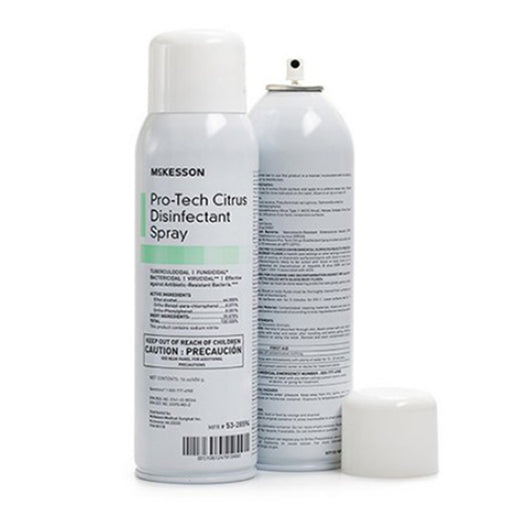
$ 9.95Pro-Tech Surface Disinfectant Cleaner Aerosol Spray with Citrus Scent 16 oz
McKessonNo reviewsPro-Tech Surface Disinfectant Cleaner Aerosol Spray with Citrus Scent. Note: NOT to be sold in California McKesson Pro-Tech Citrus Disinfectant Sp...
View full details -
 Sale 29%
Original price $ 13.95Current price $ 9.95
Sale 29%
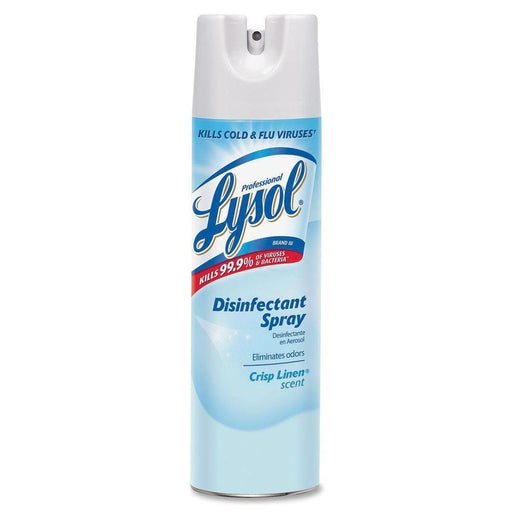
Original price $ 13.95Current price $ 9.95Lysol Disinfecting Spray with Crisp Linen Scent 12.5 oz Spray
Reckitt Benckiser6 reviewsLysol Disinfecting Spray with Crisp Linen Scent is a disinfectant that not only kills 99.9% of viruses and bacteria but also leaves a refreshing sc...
View full details -
 Sale 20%
Original price $ 14.95Current price $ 11.95
Sale 20%
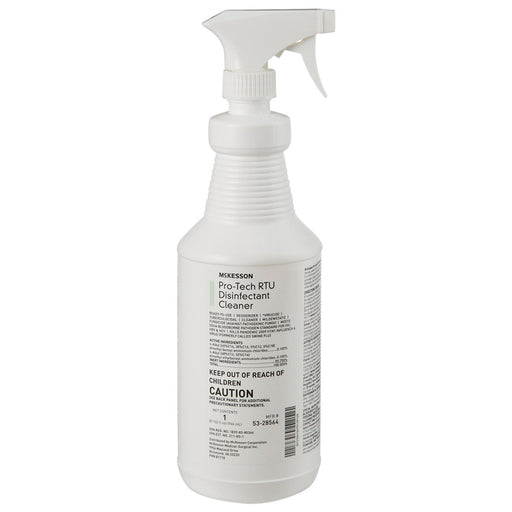
Original price $ 14.95Current price $ 11.95Pro-Tech Surface Disinfectant Cleaner Ammoniated J-Fill Dispensing Systems Liquid 32 oz. Floral Scent
McKessonNo reviewsMcKesson Pro-Tech Surface Disinfectant Cleaner Ammoniated J-Fill Dispensing Systems Liquid with Floral Scent. McKesson Pro-Tech RTU (Ready to Us...
View full details -
 Sale 34%
Original price $ 12.95Current price $ 8.55
Sale 34%
Original price $ 12.95Current price $ 8.55Clorox Disinfecting Spray - Kills Bacteria, Viruses and Mold Aerosol Spray Liquid 19 oz Fresh Scent
Clorox Healthcare3 reviewsClorox Disinfecting Spray is used to effectively kill germs and bacteria on various surfaces, making it a vital tool for maintaining hygiene and pr...
View full details -
 Sale 29%
Original price $ 17.95Current price $ 12.80
Sale 29%
Original price $ 17.95Current price $ 12.80Germicidal Cleaner Surface Disinfectant Spray Alcohol-Based Liquid 24 oz
McKessonNo reviewsSurface Disinfectant Cleaner Pump Spray is a cleaning and disinfecting product that comes in a 24 oz bottle with a pump spray. It is an alcohol-bas...
View full details -
 Sale 37%
Original price $ 69.95Current price $ 44.10
Sale 37%
Original price $ 69.95Current price $ 44.10Cavicide Surface Disinfectant Gallon, 128 Ounces
MetrexNo reviewsCavicide Surface Disinfectant effectively kills a broad spectrum of bacteria, including the TB and HIV viruses, as well as fungi and mold. It is a ...
View full details -
 Sale 30%
Original price $ 19.95Current price $ 13.95
Sale 30%
Original price $ 19.95Current price $ 13.95Pro-Tech Surface Disinfectant Cleaner Quaternary Bactericide, Fungicide, Virucide 32 oz. Bottle with Floral Scent
McKessonNo reviewsUltimate Hospital-Grade Disinfectant for Total Surface Protection – Safe for Homes, Medical, and Commercial Use Pro-Tech Surface Disinfectant Clean...
View full details -
 Sale 39%
Original price $ 16.95Current price $ 10.35
Sale 39%
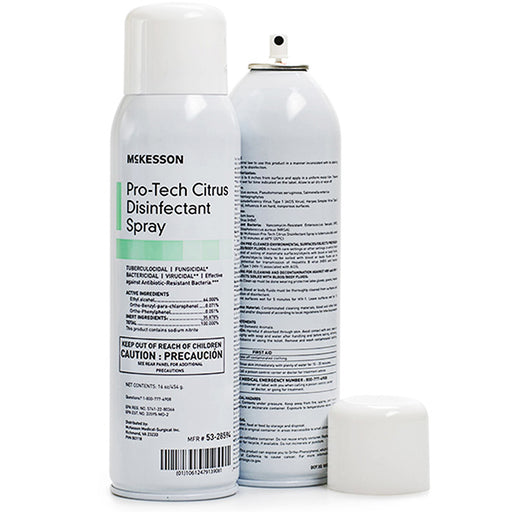
Original price $ 16.95Current price $ 10.35Pro-Tech Citrus Surface Disinfectant Cleaner and Deodorant Spray with Citrus Scent 16 oz can
McKessonNo reviewsPro-Tech Surface Disinfectant Cleaner and Deodorant Spray with Citrus Scent is a multi-purpose disinfectant and cleaner that is designed to kill 99...
View full details -
 Sale 50%
Original price $ 9.99Current price $ 4.95
Sale 50%
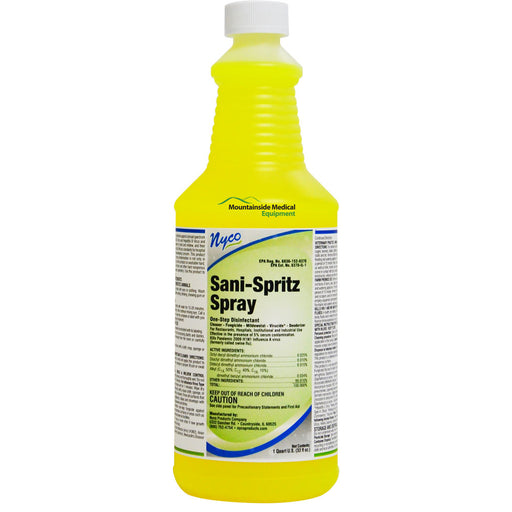
Original price $ 9.99Current price $ 4.95Surface Disinfectant Spray Deodorizer Cleaner One-Step, 32 oz (Fungicide, Mildewstat, Virucide)
Nyco3 reviewsApproved for use against SARS-CoV-2 in just 3 minutes! Kills SARS-CoV-2 (COVID-19) in just 3 minutes Kills Influenza Type A and Human Coronavirus...
View full details -
 Sold out
Original price $ 12.98Current price $ 9.90
Sold out
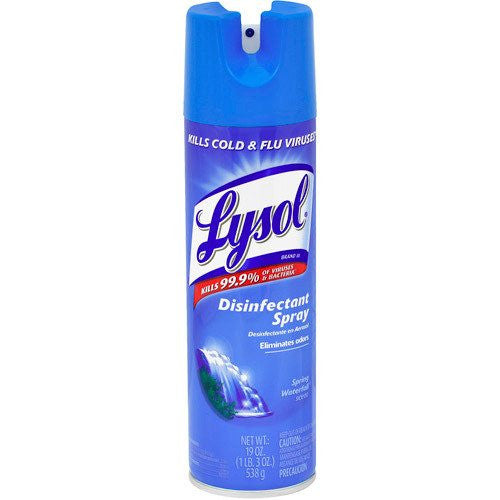
Original price $ 12.98Current price $ 9.90Lysol Disinfecting Spray with Spring Waterfall Scent 12.5 oz
Reckitt BenckiserNo reviewsLysol Disinfecting Spray in Spring Waterfall Scent provides effective disinfection to non-porous surfaces in the home, office, or anywhere. This di...
View full details -
 Sold out
Original price $ 12.79Current price $ 9.75
Sold out
Original price $ 12.79Current price $ 9.75Diversey Oxivir TB One-Step Surface Disinfectant Cleaner, Peroxide Based, Cherry Almond Scent 32 oz
LagasseNo reviewsDiversey Oxivir TB One-Step Surface Disinfectant Cleaner is a cleaning and disinfection product that is designed to kill viruses, bacteria, and fun...
View full details -
 Sale 18%
Original price $ 15.80Current price $ 12.89
Sale 18%
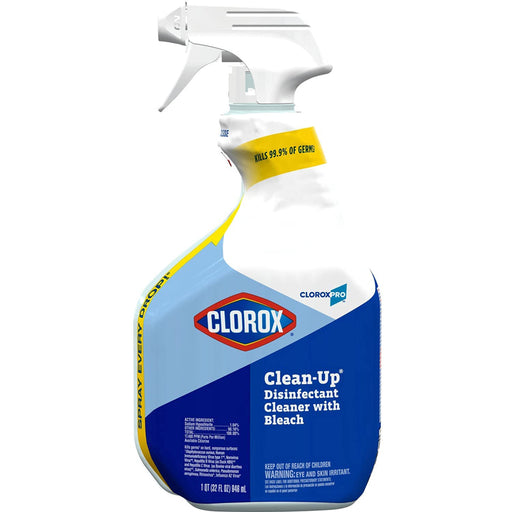
Original price $ 15.80Current price $ 12.89CloroxPro Clorox Clean-Up with Bleach Surface Disinfectant Cleaner Germicidal Pump Spray Liquid 32 oz
The Clorox CompanyNo reviewsCloroxPro™ Clorox® Clean-Up® with Bleach Surface Disinfectant Cleaner Germicidal Pump Spray Liquid 32 oz. Bottle Chlorine Scent Non-Sterile. Featur...
View full details -
 Sale 27%
Original price $ 19.95Current price $ 14.50
Sale 27%
Original price $ 19.95Current price $ 14.50Clorox Healthcare Hydrogen Peroxide Surface Disinfectant Spray Cleaner & Sanitizer 32 oz
Clorox HealthcareNo reviews#1 Fast-Acting Hospital-Grade Disinfectant Spray for Home & Healthcare! Supercharge your cleaning with Clorox Healthcare Hydrogen Peroxide Surf...
View full details -
 Sold out
Original price $ 19.95Current price $ 16.95
Sold out
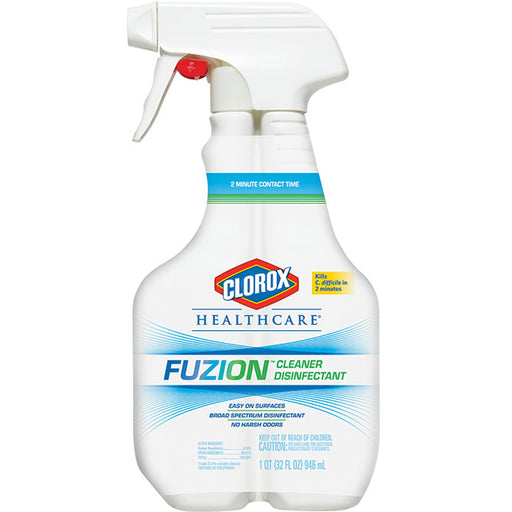
Original price $ 19.95Current price $ 16.95Clorox Healthcare Fuzion Spray Cleaner 32 oz
Clorox Healthcare4 reviewsClorox Healthcare Fuzion disinfectant cleaner spray delivers fast kill times with a neutralizer that breaks down the bleach to minimize residue and...
View full details -
 Sale 21%
Original price $ 24.95Current price $ 19.75
Sale 21%
Original price $ 24.95Current price $ 19.75Clorox Healthcare Bleach Germicidal Surface Disinfectant Spray Cleaner 32 oz
Clorox HealthcareNo reviewsBest Hospital-Grade Disinfectant for Infection Control, Norovirus, Mold, & More Experience the ultimate defense against harmful pathogens with ...
View full details -
 Sale 23%
Original price $ 3.89Current price $ 2.99
Sale 23%
Original price $ 3.89Current price $ 2.99Lysol Disinfectant Spray, On the Go with Crisp Linen Scent 1.5 oz
Reckitt BenckiserNo reviewsLysol Disinfectant Spray, On the Go with Crisp Linen Scent, is your portable solution for disinfecting surfaces anytime, anywhere. This compact, 1....
View full details -
 Sale 15%
Original price $ 219.90Current price $ 187.00
Sale 15%
Original price $ 219.90Current price $ 187.00Sterile MedStream IPA Alcohol-Based Surface Cleaner Spray 16 oz x 12/Case
McKessonNo reviewsSterile MedStream IPA Alcohol-Based Surface Cleaner Spray 16 oz is a disinfectant spray that is used to clean and sanitize surfaces in medical sett...
View full details


People Also Searched For
Disinfectant Sprays
Disinfectant sprays are chemical solutions designed to kill germs — such as bacteria, viruses, and fungi — on surfaces, delivered in a spray form. In general, a disinfectant is defined as “a chemical liquid that destroys bacteria,” and it’s meant to be applied on non-living objects to eliminate harmful microorganisms that can cause infection and disease. A disinfectant spray specifically refers to that germ-killing liquid packaged in a bottle or can with a spray mechanism (trigger pump or aerosol). This allows you to spray the disinfectant evenly onto surfaces that need to be sanitized making it convenient to quickly cover areas like countertops, doorknobs, or bathroom fixtures with the germicidal solution.
How Disinfectant Sprays Work
Disinfectant sprays contain active ingredients that destroy or deactivate pathogens. Common active ingredients include alcohols (such as ethanol or isopropanol), bleach (sodium hypochlorite), hydrogen peroxide, or quaternary ammonium compounds (e.g., benzalkonium chloride). For example, many Lysol® disinfectant spray products use a combination of ethanol (around 58%) and a small amount of a quaternary ammonium compound as the germ-killing agents. Other spray formulas might use benzalkonium chloride as the primary disinfectant, while some “botanical” or eco-friendly sprays use ingredients like thymol (a thyme oil extract) as the antimicrobial component. Regardless of the specific chemical used, the purpose is the same: to reduce the number of germs on a surface, preventing them from multiplying and spreading illness.
When you spray a disinfectant on a surface, the solution coats the surface and begins to kill microorganisms on contact. However, most disinfectant sprays need a certain “dwell time” to work effectively. This means the surface should remain wet with the spray for a specific period (often a few minutes) as listed on the product label, so that the chemicals have time to destroy the germs. Simply spraying and immediately wiping it dry may not allow enough time for full disinfection. As an example, a product might instruct: “Spray until surface is thoroughly wet. Allow to remain wet for 5 minutes before wiping.” Following these directions ensures the spray kills 99.9% of the bacteria and viruses as claimed. In fact, to be legally sold as a “disinfectant” in the U.S., a spray must contain EPA-approved antimicrobial ingredients and is classified as an antimicrobial pesticide, meaning it has proven ability to kill germs on surfaces. Always read the label to know what pathogens a particular spray is effective against (e.g., some kill cold and flu viruses, SARS-CoV-2 (COVID-19 virus), norovirus, etc.) and the required usage instructions.
Disinfectant sprays are handy tools for quick and effective surface sanitization. They provide a convenient way to apply germ-killing solutions across a broad area. By spraying and properly allowing the disinfectant to do its job, you can significantly reduce the presence of harmful microbes on surfaces, helping to prevent infections. Whether it’s a can of Lysol used at home or a commercial spray used in a hospital, these products are a key part of maintaining clean, hygienic environments. Remember to follow the instructions on the label for safe and effective use, and disinfectant sprays will serve as a powerful ally in your fight against germs.
Uses of Disinfectant Sprays
Proper Usage and Safety Tips
Uses of Disinfectant Sprays
You can find disinfectant sprays in homes, workplaces, healthcare settings, and public facilities – anywhere there’s a need to quickly sanitize high-touch surfaces. Some common uses include:
- Household Cleaning: Consumers often use disinfectant sprays in kitchens and bathrooms. For instance, after preparing raw meat on a countertop, you might spray a kitchen disinfectant to kill bacteria like Salmonella or E. coli. Products like Lysol or Clorox disinfectant sprays are advertised to kill 99.9% of viruses and bacteria on surfaces people frequently touch. You can spray doorknobs, light switches, toilet seats, faucets, trash can lids, and even soft surfaces (some sprays are formulated to sanitize fabrics like couches or mattresses). Using a disinfectant spray during cold and flu season or when someone at home is ill can help reduce the chance of germs spreading to others.
- Healthcare Settings: Hospitals and clinics use professional-grade disinfectant sprays (among other disinfecting methods) as part of infection control. Staff might use sprays on exam tables, bed rails, or medical equipment that’s not electronics (for electronics, alcohol-based wipes are more common to avoid excess moisture). There are hospital disinfectant sprays that are effective against tough organisms like MRSA, TB, or fungal spores. Often, these sprays are used in conjunction with wiping – i.e., spray on a surface and then wipe with a disposable cloth after the required contact time. This spray-and-wipe method both cleans (removes soil) and disinfects the surface.
- Public and Commercial Spaces: In offices, schools, gyms, and stores, cleaning staff may use disinfectant spray to quickly sanitize areas. A gym might provide a disinfectant spray bottle and paper towels for members to wipe down equipment after use. Cleaning crews in offices might spray and disinfect desks, keyboards, and phones each evening. During the COVID-19 pandemic, the use of disinfectant sprays in public spaces (on counters, credit card keypads, shopping carts, etc.) became especially prevalent to kill the coronavirus on surfaces. Sprays are useful for covering larger surface areas or irregular surfaces where using wipes would be less practical.
Proper Usage and Safety Tips
While disinfectant sprays are easy to use, it’s important to use them correctly and safely:
- Pre-Clean if Necessary: Dirt, grease, or grime can shield germs. If a surface is visibly dirty, clean it with soap and water or a general cleaner first, then apply the disinfectant spray. Some products are labeled “cleaner/disinfectant” and can do both, but disinfectants work best on pre-cleaned surfaces.
- Spray Enough and Wait: Use the spray liberally enough to coat the surface so it stays wet for the recommended dwell time. As mentioned, check the product label for how long the surface should remain wet (it could range from 30 seconds up to 10 minutes, depending on the formula and target germs). Do not rush to wipe it off or dry it before this time passes, or the spray might not fully kill all pathogens. Conversely, don’t let it just evaporate too quickly either – if it’s drying faster than the contact time, you may need to apply a bit more to keep it wet.
- Ventilation: When spraying, especially over large areas or in enclosed spaces, ensure there is good ventilation (open a window or run a fan). Many disinfectant sprays have strong chemical fumes (for example, bleach-based or high-alcohol sprays) that can irritate your eyes, nose, or throat if inhaled in a confined space. Avoid breathing in the spray mist directly. If using an aerosol disinfectant, keep it away from your face and spray at arm’s length.
- Target Appropriate Surfaces: Disinfectant sprays are intended for hard, non-porous surfaces (like metal, plastic, glazed tiles). Some sprays also list usage on “soft surfaces” like upholstery or curtains, but generally they sanitize rather than fully disinfect fabric (soft surfaces are harder to disinfect completely). Do not use surface disinfectant sprays on your skin, eyes, or on food. They are for inanimate surfaces only. If you need to disinfect items that touch food (cutting boards, dining tables), check if the spray is food-contact safe or if you need to rinse the surface with water after it dries.
- Safety Precautions: Keep disinfectant sprays out of reach of children and pets. Most are safe when used as directed, but the chemicals can be harmful if ingested or used improperly. For example, never mix a bleach-based spray with other cleaners or chemicals – this can create dangerous fumes. Also, alcohol-based aerosols are flammable, so avoid spraying near open flames or while smoking. After using the spray, you might want to wipe the surface with a clean cloth if it’s a high-touch area (this can remove any chemical residue, though many sprays are designed to evaporate without leaving residue). Always wash your hands after extensive cleaning/disinfecting tasks.
Uses of Disinfectant Sprays
Uses of Disinfectant Sprays
You can find disinfectant sprays in homes, workplaces, healthcare settings, and public facilities – anywhere there’s a need to quickly sanitize high-touch surfaces. Some common uses include:
- Household Cleaning: Consumers often use disinfectant sprays in kitchens and bathrooms. For instance, after preparing raw meat on a countertop, you might spray a kitchen disinfectant to kill bacteria like Salmonella or E. coli. Products like Lysol or Clorox disinfectant sprays are advertised to kill 99.9% of viruses and bacteria on surfaces people frequently touch. You can spray doorknobs, light switches, toilet seats, faucets, trash can lids, and even soft surfaces (some sprays are formulated to sanitize fabrics like couches or mattresses). Using a disinfectant spray during cold and flu season or when someone at home is ill can help reduce the chance of germs spreading to others.
- Healthcare Settings: Hospitals and clinics use professional-grade disinfectant sprays (among other disinfecting methods) as part of infection control. Staff might use sprays on exam tables, bed rails, or medical equipment that’s not electronics (for electronics, alcohol-based wipes are more common to avoid excess moisture). There are hospital disinfectant sprays that are effective against tough organisms like MRSA, TB, or fungal spores. Often, these sprays are used in conjunction with wiping – i.e., spray on a surface and then wipe with a disposable cloth after the required contact time. This spray-and-wipe method both cleans (removes soil) and disinfects the surface.
- Public and Commercial Spaces: In offices, schools, gyms, and stores, cleaning staff may use disinfectant spray to quickly sanitize areas. A gym might provide a disinfectant spray bottle and paper towels for members to wipe down equipment after use. Cleaning crews in offices might spray and disinfect desks, keyboards, and phones each evening. During the COVID-19 pandemic, the use of disinfectant sprays in public spaces (on counters, credit card keypads, shopping carts, etc.) became especially prevalent to kill the coronavirus on surfaces. Sprays are useful for covering larger surface areas or irregular surfaces where using wipes would be less practical.
Proper Usage and Safety Tips
Proper Usage and Safety Tips
While disinfectant sprays are easy to use, it’s important to use them correctly and safely:
- Pre-Clean if Necessary: Dirt, grease, or grime can shield germs. If a surface is visibly dirty, clean it with soap and water or a general cleaner first, then apply the disinfectant spray. Some products are labeled “cleaner/disinfectant” and can do both, but disinfectants work best on pre-cleaned surfaces.
- Spray Enough and Wait: Use the spray liberally enough to coat the surface so it stays wet for the recommended dwell time. As mentioned, check the product label for how long the surface should remain wet (it could range from 30 seconds up to 10 minutes, depending on the formula and target germs). Do not rush to wipe it off or dry it before this time passes, or the spray might not fully kill all pathogens. Conversely, don’t let it just evaporate too quickly either – if it’s drying faster than the contact time, you may need to apply a bit more to keep it wet.
- Ventilation: When spraying, especially over large areas or in enclosed spaces, ensure there is good ventilation (open a window or run a fan). Many disinfectant sprays have strong chemical fumes (for example, bleach-based or high-alcohol sprays) that can irritate your eyes, nose, or throat if inhaled in a confined space. Avoid breathing in the spray mist directly. If using an aerosol disinfectant, keep it away from your face and spray at arm’s length.
- Target Appropriate Surfaces: Disinfectant sprays are intended for hard, non-porous surfaces (like metal, plastic, glazed tiles). Some sprays also list usage on “soft surfaces” like upholstery or curtains, but generally they sanitize rather than fully disinfect fabric (soft surfaces are harder to disinfect completely). Do not use surface disinfectant sprays on your skin, eyes, or on food. They are for inanimate surfaces only. If you need to disinfect items that touch food (cutting boards, dining tables), check if the spray is food-contact safe or if you need to rinse the surface with water after it dries.
- Safety Precautions: Keep disinfectant sprays out of reach of children and pets. Most are safe when used as directed, but the chemicals can be harmful if ingested or used improperly. For example, never mix a bleach-based spray with other cleaners or chemicals – this can create dangerous fumes. Also, alcohol-based aerosols are flammable, so avoid spraying near open flames or while smoking. After using the spray, you might want to wipe the surface with a clean cloth if it’s a high-touch area (this can remove any chemical residue, though many sprays are designed to evaporate without leaving residue). Always wash your hands after extensive cleaning/disinfecting tasks.