Insulin Lispro Injection (U-100) – 10 mL Multi-Dose Vial
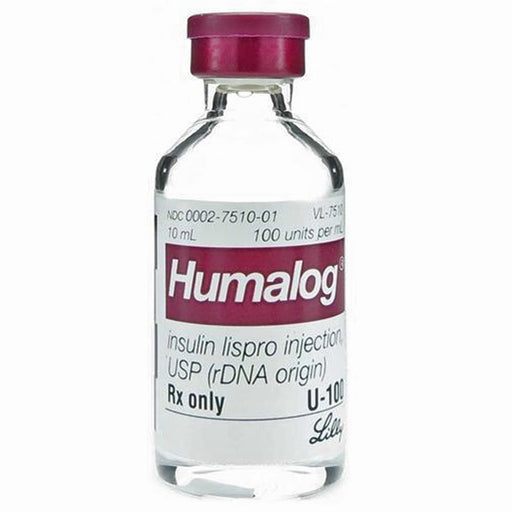
Insulin lispro is a rapid-acting human insulin analog used to control blood sugar in diabetes. It is sold as a clear, colorless injectable solution. Brand names include Humalog and Admelog. The concentration is 100 units/mL (U-100) – thus a 10 mL vial contains 1,000 units of insulin. It is manufactured by Eli Lilly (NDC 00002-7737-01). Indication: It is prescribed for adults and children with type 1 or type 2 diabetes to improve glycemic control. (It is not used to treat active hypoglycemia – do not inject during a low-blood-sugar episode.) As a prescription medicine, it requires physician supervision.
Dosage and Administration
The dose of insulin lispro is individualized. Key points in administration include:
- Route and Timing: Inject subcutaneously under the skin of the abdomen, thigh, upper arm, or buttocks. Administer within 15 minutes before or immediately after starting a meal. This matches its rapid onset of action.
- Injection Sites: Rotate injection sites (e.g. rotate among abdomen, thigh, etc.) each day to reduce the risk of lipodystrophy or tissue changes at the injection site.
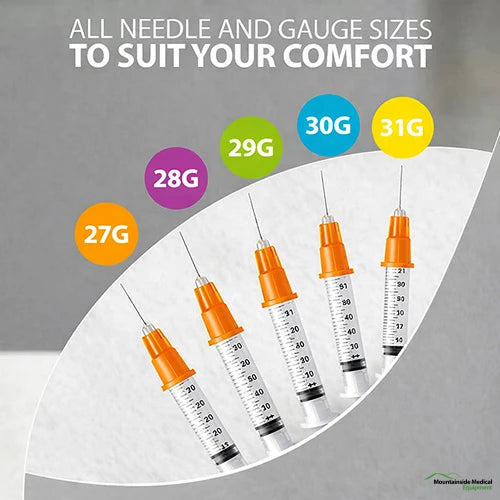
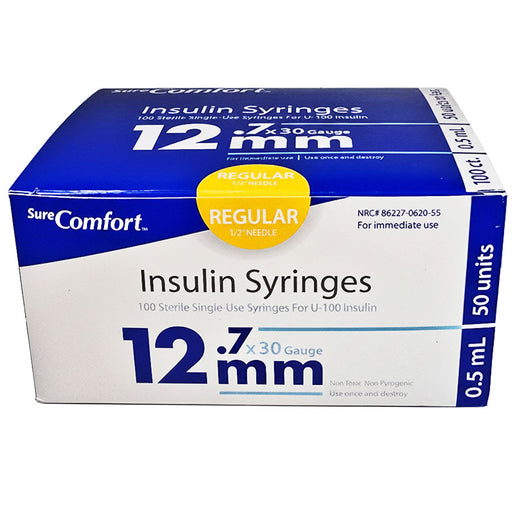
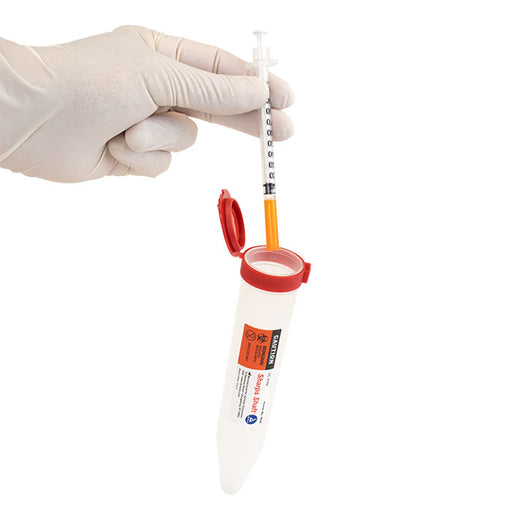
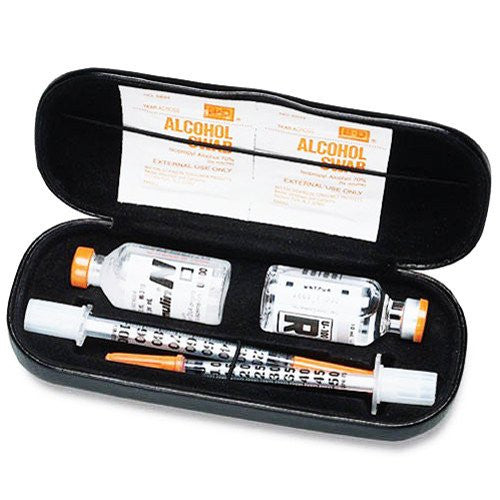
- Syringes: Use only U-100 insulin syringes (1 mL syringes calibrated for 100 units/mL) to draw up the dose. (One unit of U-100 insulin = 0.01 mL of solution.)
- Insulin Pumps and IV: Insulin lispro U-100 can be used in insulin pumps (continuous subcutaneous infusion) following the pump’s instructions. (Note: U-200 pens should not be used in pumps.) Intravenous use is only in hospitals: if given IV, it must be properly diluted and administered under medical supervision.
- No Sharing: Never share vials, syringes, or pens with another person. Each patient must use their own supplies to avoid cross-contamination and dosing errors .
- Dosing Note: The vial contains 100 units/mL, so 10 mL contains 1000 units. Do not confuse with U-500 or U-200 insulins. Always check the label and vial strength before injecting.
Storage and Handling
- Refrigeration: Store unopened vials in the refrigerator at 36–46°F (2–8°C). Do not freeze insulin. If a vial has been frozen, discard it. Protect from heat and direct sunlight.
- Opened Vials: Once opened, a vial can be used for up to 28 days. It may be kept refrigerated or at room temperature (up to 86°F/30°C), but after 28 days it must be discarded. Label the vial with the date first used.
- Expiry: Always check the expiration date. Discard any vial past its expiration, or any broken/contaminated vial.
- Transport: If transporting, keep insulin cool (dry ice or refrigerated pack) to maintain 2–8°C.
Side Effects and Precautions
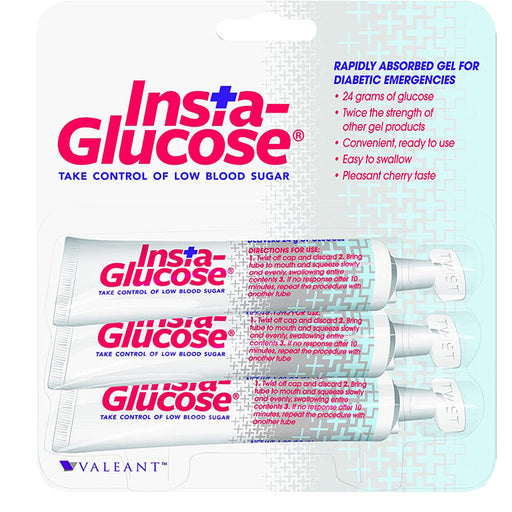
- Hypoglycemia: The most common and serious risk is low blood sugar (hypoglycemia). Symptoms include dizziness, sweating, shakiness, confusion, and if severe, seizures or unconsciousness. Always monitor blood glucose regularly. Carry fast-acting glucose (juice or tablets) in case levels drop too low.
- Injection Site Reactions: Patients may experience redness, itching, or irritation at the injection site. Repeated injection in the same spot can cause lipodystrophy (lost fat or fat buildup). Rotating sites helps prevent this.
- Allergic Reactions: Rarely, insulin lispro can cause allergic reactions. Contraindications include any known hypersensitivity to insulin lispro or its ingredients. If signs of an allergic reaction occur (rash, itching, swelling, shortness of breath), discontinue use and seek medical help immediately.
- Hypokalemia: Insulin can drive potassium into cells, lowering blood potassium levels. Severe hypoglycemia or high insulin doses can lead to hypokalemia (low K⁺). Patients at risk (e.g. taking diuretics) may need potassium monitoring.
- Other Warnings: Patients should be warned about the risk of misusing or mixing up insulin products. Herbal supplements or medications (like thiazolidinediones) can affect insulin requirements. Always discuss all medications with your doctor.
- General Precautions: Do not use insulin lispro in patients who are eating significantly less or who will miss meals, as this increases hypoglycemia risk. Alcohol can also increase hypoglycemia risk. Wear a medical ID that notes insulin use.
- Special Populations: Elderly patients may be more sensitive to insulin. Women who are pregnant or breastfeeding should consult their doctor, as insulin needs can change.
Insulin Lispro Injection (U-100) – 10 mL Multi-Dose Vial
Insulin lispro is a rapid-acting human insulin analog used to control blood sugar in diabetes. It is sold as a clear, colorless injectable solution. Brand names include Humalog and Admelog. The concentration is 100 units/mL (U-100) – thus a 10 mL vial contains 1,000 units of insulin. It is manufactured by Eli Lilly (NDC 00002-7737-01). Indication: It is prescribed for adults and children with type 1 or type 2 diabetes to improve glycemic control. (It is not used to treat active hypoglycemia – do not inject during a low-blood-sugar episode.) As a prescription medicine, it requires physician supervision.
Dosage and Administration
The dose of insulin lispro is individualized. Key points in administration include:
- Route and Timing: Inject subcutaneously under the skin of the abdomen, thigh, upper arm, or buttocks. Administer within 15 minutes before or immediately after starting a meal. This matches its rapid onset of action.
- Injection Sites: Rotate injection sites (e.g. rotate among abdomen, thigh, etc.) each day to reduce the risk of lipodystrophy or tissue changes at the injection site.
- Syringes: Use only U-100 insulin syringes (1 mL syringes calibrated for 100 units/mL) to draw up the dose. (One unit of U-100 insulin = 0.01 mL of solution.)
- Insulin Pumps and IV: Insulin lispro U-100 can be used in insulin pumps (continuous subcutaneous infusion) following the pump’s instructions. (Note: U-200 pens should not be used in pumps.) Intravenous use is only in hospitals: if given IV, it must be properly diluted and administered under medical supervision.
- No Sharing: Never share vials, syringes, or pens with another person. Each patient must use their own supplies to avoid cross-contamination and dosing errors .
- Dosing Note: The vial contains 100 units/mL, so 10 mL contains 1000 units. Do not confuse with U-500 or U-200 insulins. Always check the label and vial strength before injecting.
Storage and Handling
- Refrigeration: Store unopened vials in the refrigerator at 36–46°F (2–8°C). Do not freeze insulin. If a vial has been frozen, discard it. Protect from heat and direct sunlight.
- Opened Vials: Once opened, a vial can be used for up to 28 days. It may be kept refrigerated or at room temperature (up to 86°F/30°C), but after 28 days it must be discarded. Label the vial with the date first used.
- Expiry: Always check the expiration date. Discard any vial past its expiration, or any broken/contaminated vial.
- Transport: If transporting, keep insulin cool (dry ice or refrigerated pack) to maintain 2–8°C.
Side Effects and Precautions
- Hypoglycemia: The most common and serious risk is low blood sugar (hypoglycemia). Symptoms include dizziness, sweating, shakiness, confusion, and if severe, seizures or unconsciousness. Always monitor blood glucose regularly. Carry fast-acting glucose (juice or tablets) in case levels drop too low.
- Injection Site Reactions: Patients may experience redness, itching, or irritation at the injection site. Repeated injection in the same spot can cause lipodystrophy (lost fat or fat buildup). Rotating sites helps prevent this.
- Allergic Reactions: Rarely, insulin lispro can cause allergic reactions. Contraindications include any known hypersensitivity to insulin lispro or its ingredients. If signs of an allergic reaction occur (rash, itching, swelling, shortness of breath), discontinue use and seek medical help immediately.
- Hypokalemia: Insulin can drive potassium into cells, lowering blood potassium levels. Severe hypoglycemia or high insulin doses can lead to hypokalemia (low K⁺). Patients at risk (e.g. taking diuretics) may need potassium monitoring.
- Other Warnings: Patients should be warned about the risk of misusing or mixing up insulin products. Herbal supplements or medications (like thiazolidinediones) can affect insulin requirements. Always discuss all medications with your doctor.
- General Precautions: Do not use insulin lispro in patients who are eating significantly less or who will miss meals, as this increases hypoglycemia risk. Alcohol can also increase hypoglycemia risk. Wear a medical ID that notes insulin use.
- Special Populations: Elderly patients may be more sensitive to insulin. Women who are pregnant or breastfeeding should consult their doctor, as insulin needs can change.