Skip to content

Added to your cart:

Cart subtotal

Humulin-N Human Insulin Injection U-100 Multiple Dose Vial 10 mL *Refrigeration* (Rx)

by Lilly
SKU 00002-8315-01
Sale 31%
Original price $ 125.95
Current price $ 87.00
In stock
Non-Returnable
*Mountainside Medical does not fill personal prescriptions Medical Professional License Required to Unlock Account

How to Order:

Send an email request to: sales@mountainside-medical.com

You will receive instructions on how to create an account along with Rx Ordering Details.

(Note: Acceptable licenses must have Prescriptive Authority in the license issuing state.)
Fast Delivery
Fast Delivery
24/7 Support
24/7 Support
No Returns
No Returns
Hospital Grade
Hospital Grade
Free Shipping on orders above $100
Payment Secure transaction
Packaging Ships in product packaging
Service-Disabled Veteran-Owned Small Business
Located in Adirondack Mountains in NY
Family Owned Business 2002
Sale 31%
Original price $ 125.95
Current price $ 87.00
Free Shipping on orders above $100
Payment Secure transaction
Packaging Ships in product packaging
Humulin-N Human Insulin Injection U-100 Multiple Dose Vial 10 mL *Refrigeration* (Rx)
$ 125.95 $ 87.00
🔒 Medical License Required
Description

Humulin-N (Human Insulin NPH) 100 U/mL Injection, 10 mL Vial

Humulin-N is a recombinant human insulin (NPH – neutral protamine Hagedorn suspension) used to lower blood glucose in diabetes. Each milliliter contains 100 USP Units of human insulin (≈3.5 mg) combined with protamine sulfate and zinc; this forms cloudy crystals that prolong absorption. The amino acid sequence of Humulin-N insulin is identical to natural human insulin. By delaying absorption, Humulin-N is an intermediate-acting insulin: onset ≈1–2 hours, peak ≈4–12 hours, and duration about 18–24 hours (some sources give 18–26 hours).

Indications

Humulin-N is indicated for improving glycemic control in adults and children with diabetes mellitus. It is prescribed for type 1 diabetics (who lack insulin) and for type 2 diabetics when diet, exercise, or oral drugs are insufficient. It may also be used in gestational diabetes if needed (under medical supervision). Patients use Humulin-N as part of their long-term insulin regimen to help stabilize blood sugar levels. It supplements or replaces the insulin normally produced by the pancreas.

Dosage Forms and Administration

  • Concentration and Packaging: Humulin-N is a multi-dose vial containing 10 mL at 100 units/mL (total 1000 units per vial). (Also available in 3 mL cartridges and pens.) Each vial requires refrigeration before use.
  • Administration Route: This insulin must be given by subcutaneous (SC) injection only, never intravenously or intramuscularly. Recommended injection sites are the fatty tissue of the abdomen, thigh, buttocks, or upper arm. To reduce complications, rotate injection sites (e.g. by moving around a general area) with each dose.
  • Mixing Before Use: Humulin-N is a suspension so mixing is essential. Before each use:
    • Gently invert and roll the vial at least 10–20 times to resuspend the insulin; the liquid should become uniformly cloudy/opaque-white.
    • Do not shake harshly (to avoid frothing) and do not use if the insulin appears clear or has particles/clumps. Inspect for particulate matter; discard the vial if the solution is abnormal.
  • Dosing: Dosage is individualized. A healthcare provider will adjust dose based on age, weight, diet, activity, blood glucose monitoring, HbA1c goals, and concurrent medications. Humulin-N is often given once or twice daily (for example, morning and/or evening). Some patients take Humulin-N in combination with fast-acting insulin around mealtimes for better control. Always follow the prescribing provider’s instructions.

Mixing with Other Insulins

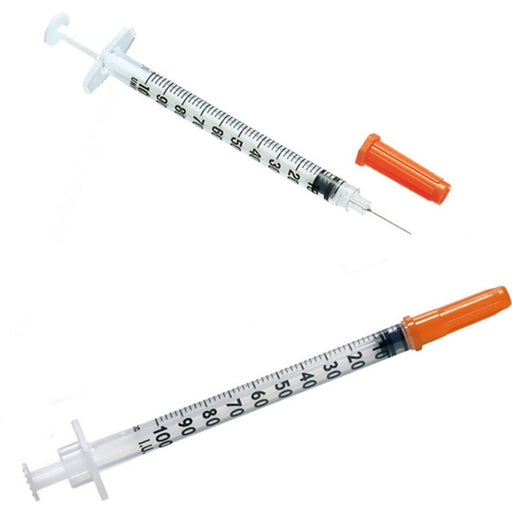
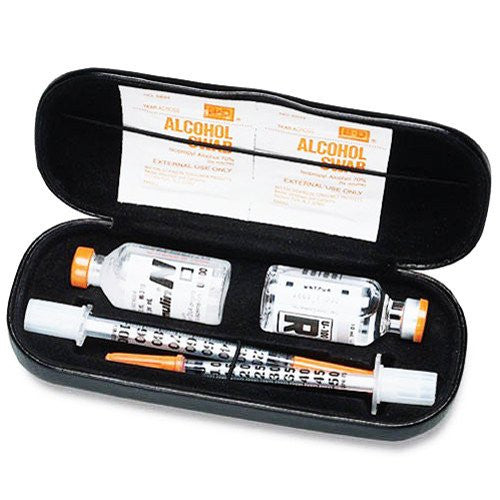
If a regimen uses both Humulin-N and a rapid/short-acting insulin (such as Humulin R or Humalog) in one syringe, draw and inject as follows:

  • First, draw the clear (fast-acting) insulin into the syringe.
  • Then, draw the Humulin-N (cloudy, protamine) insulin.
  • Inject immediately after mixing to ensure proper action.

Separate needles or syringes must be used if other insulin formulations (apart from the allowed mixes above) are administered.

Precautions and Contraindications

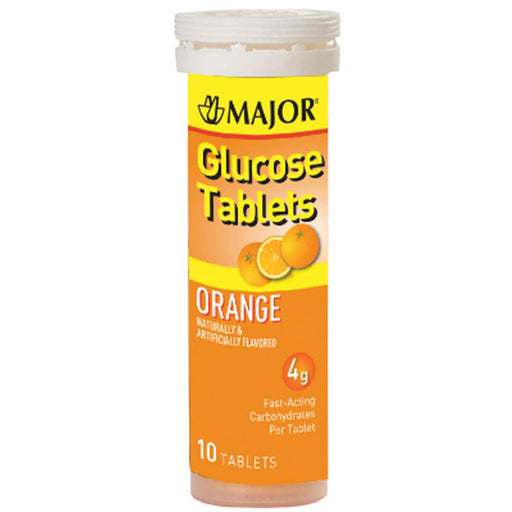
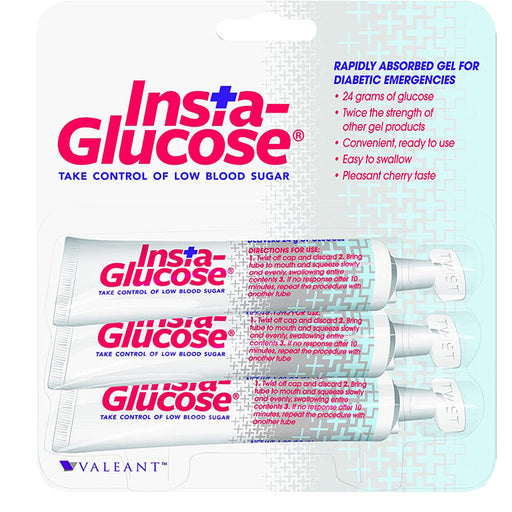
  • Hypoglycemia (Low Blood Sugar): The most common and serious risk is hypoglycemia. Overdose, missed meals, or increased activity can all cause blood sugar to drop. Patients must recognize and treat hypoglycemia promptly (e.g. with glucose tablets or juice). Never give Humulin-N during an episode of confirmed hypoglycemia. Blood glucose should be checked regularly.
  • Allergic Reactions: Rarely, injection can cause local allergy (redness, swelling) or systemic allergic reactions. If signs of hypersensitivity (rash, itching, anaphylaxis) occur, the drug must be stopped. (Humulin-N is contraindicated in patients with known hypersensitivity to insulin or any vial component.)
  • Injection Site Changes: Repeated injection at the same site can cause lipodystrophy (fat atrophy or lipohypertrophy). Rotate sites to minimize this risk. Minor reactions (pain, redness, itching) can occur at the injection site.
  • Weight Gain & Edema: Insulin therapy can promote weight gain and fluid retention. Inform the provider if significant swelling or weight increase occurs.
  • Other Medications: Some drugs alter insulin needs. For example, beta-blockers or clonidine can mask low-sugar symptoms. Diuretics, steroids, or thyroid hormones can raise glucose needs, while alcohol, ACE inhibitors or sulfonylureas can increase hypoglycemia risk. Any medication changes should be managed with close glucose monitoring.
  • Hypokalemia: High doses of insulin drive potassium into cells. Overdoses of any insulin (including Humulin-N) can cause low blood potassium (hypokalemia), which requires monitoring if severe.
  • Contraindications: Aside from hypoglycemia and insulin allergy, there are no absolute contraindications listed. However, use cautiously in renal or hepatic impairment and in pregnancy (adjust dosing under doctor’s care).

Side Effects and Monitoring

The most common side effects stem from insulin’s glucose-lowering action. As noted, hypoglycemia is the main concern. Other reported effects include:

  • Allergic reactions (see above).
  • Injection site reactions (redness, swelling, itching) or lipodystrophy.
  • Generalized edema or weight gain.
  • Never share syringes or pen devices. Sharing injection equipment must be avoided to prevent infection (blood-borne pathogens). Always use a new sterile needle/syringe for each injection.

Patients are advised to monitor blood sugar closely and to inform clinicians of any unusual reactions or if they plan significant changes in exercise or diet.

Storage and Handling

  • Refrigeration: Unopened Humulin-N vials should be stored in a refrigerator (36–46°F or 2–8°C). Do not freeze the insulin or expose to heat.
  • After Opening: Once a vial is first punctured/used, it may be kept at room temperature (usually up to 77–86°F/25–30°C) or refrigerated. According to the manufacturer’s guidelines, an opened Humulin-N vial remains valid for about 28 days. After this period, any unused insulin should be discarded even if the expiration date has not passed. (This 28-day rule is typical for many insulin products.)
  • Protection: Keep the vial in its packaging to protect from light. Always check the expiration date. Inspect before use – the insulin should look evenly cloudy and free of clumps or discoloration. Discard if it appears abnormal.

Summary

Humulin-N (insulin isophane) is an intermediate-acting human insulin used to manage blood glucose in diabetes It is dosed by injection, usually once or twice daily, and always under medical supervision. Proper mixing, injection technique (SC in recommended sites), and adherence to storage guidelines are essential for safety and efficacy. Patients must be vigilant for hypoglycemia and carry out routine glucose monitoring. This information is a general overview – individual treatment plans and instructions will come from a healthcare provider.


Brand: Eli Lilly and Company
Size: 10 mL Vial
Strength: U-100
NDC: 00002-8315-01
UPC: 300028315019

Description

Humulin-N (Human Insulin NPH) 100 U/mL Injection, 10 mL Vial

Humulin-N is a recombinant human insulin (NPH – neutral protamine Hagedorn suspension) used to lower blood glucose in diabetes. Each milliliter contains 100 USP Units of human insulin (≈3.5 mg) combined with protamine sulfate and zinc; this forms cloudy crystals that prolong absorption. The amino acid sequence of Humulin-N insulin is identical to natural human insulin. By delaying absorption, Humulin-N is an intermediate-acting insulin: onset ≈1–2 hours, peak ≈4–12 hours, and duration about 18–24 hours (some sources give 18–26 hours).

Indications

Humulin-N is indicated for improving glycemic control in adults and children with diabetes mellitus. It is prescribed for type 1 diabetics (who lack insulin) and for type 2 diabetics when diet, exercise, or oral drugs are insufficient. It may also be used in gestational diabetes if needed (under medical supervision). Patients use Humulin-N as part of their long-term insulin regimen to help stabilize blood sugar levels. It supplements or replaces the insulin normally produced by the pancreas.

Dosage Forms and Administration

  • Concentration and Packaging: Humulin-N is a multi-dose vial containing 10 mL at 100 units/mL (total 1000 units per vial). (Also available in 3 mL cartridges and pens.) Each vial requires refrigeration before use.
  • Administration Route: This insulin must be given by subcutaneous (SC) injection only, never intravenously or intramuscularly. Recommended injection sites are the fatty tissue of the abdomen, thigh, buttocks, or upper arm. To reduce complications, rotate injection sites (e.g. by moving around a general area) with each dose.
  • Mixing Before Use: Humulin-N is a suspension so mixing is essential. Before each use:
    • Gently invert and roll the vial at least 10–20 times to resuspend the insulin; the liquid should become uniformly cloudy/opaque-white.
    • Do not shake harshly (to avoid frothing) and do not use if the insulin appears clear or has particles/clumps. Inspect for particulate matter; discard the vial if the solution is abnormal.
  • Dosing: Dosage is individualized. A healthcare provider will adjust dose based on age, weight, diet, activity, blood glucose monitoring, HbA1c goals, and concurrent medications. Humulin-N is often given once or twice daily (for example, morning and/or evening). Some patients take Humulin-N in combination with fast-acting insulin around mealtimes for better control. Always follow the prescribing provider’s instructions.
Mixing with Other Insulins

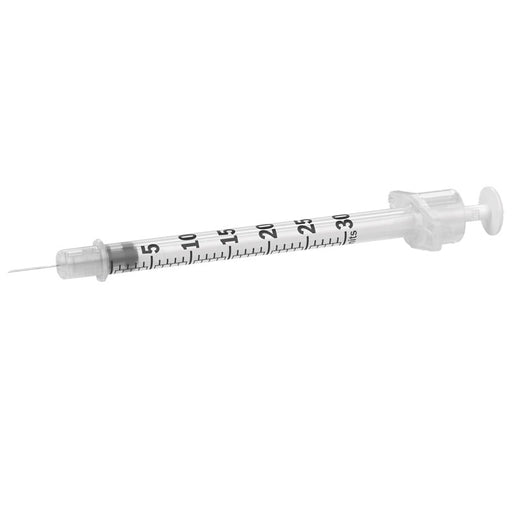
If a regimen uses both Humulin-N and a rapid/short-acting insulin (such as Humulin R or Humalog) in one syringe, draw and inject as follows:

  • First, draw the clear (fast-acting) insulin into the syringe.
  • Then, draw the Humulin-N (cloudy, protamine) insulin.
  • Inject immediately after mixing to ensure proper action.

Separate needles or syringes must be used if other insulin formulations (apart from the allowed mixes above) are administered.

Precautions and Contraindications

  • Hypoglycemia (Low Blood Sugar): The most common and serious risk is hypoglycemia. Overdose, missed meals, or increased activity can all cause blood sugar to drop. Patients must recognize and treat hypoglycemia promptly (e.g. with glucose tablets or juice). Never give Humulin-N during an episode of confirmed hypoglycemia. Blood glucose should be checked regularly.
  • Allergic Reactions: Rarely, injection can cause local allergy (redness, swelling) or systemic allergic reactions. If signs of hypersensitivity (rash, itching, anaphylaxis) occur, the drug must be stopped. (Humulin-N is contraindicated in patients with known hypersensitivity to insulin or any vial component.)
  • Injection Site Changes: Repeated injection at the same site can cause lipodystrophy (fat atrophy or lipohypertrophy). Rotate sites to minimize this risk. Minor reactions (pain, redness, itching) can occur at the injection site.
  • Weight Gain & Edema: Insulin therapy can promote weight gain and fluid retention. Inform the provider if significant swelling or weight increase occurs.
  • Other Medications: Some drugs alter insulin needs. For example, beta-blockers or clonidine can mask low-sugar symptoms. Diuretics, steroids, or thyroid hormones can raise glucose needs, while alcohol, ACE inhibitors or sulfonylureas can increase hypoglycemia risk. Any medication changes should be managed with close glucose monitoring.
  • Hypokalemia: High doses of insulin drive potassium into cells. Overdoses of any insulin (including Humulin-N) can cause low blood potassium (hypokalemia), which requires monitoring if severe.
  • Contraindications: Aside from hypoglycemia and insulin allergy, there are no absolute contraindications listed. However, use cautiously in renal or hepatic impairment and in pregnancy (adjust dosing under doctor’s care).

Side Effects and Monitoring

The most common side effects stem from insulin’s glucose-lowering action. As noted, hypoglycemia is the main concern. Other reported effects include:

  • Allergic reactions (see above).
  • Injection site reactions (redness, swelling, itching) or lipodystrophy.
  • Generalized edema or weight gain.
  • Never share syringes or pen devices. Sharing injection equipment must be avoided to prevent infection (blood-borne pathogens). Always use a new sterile needle/syringe for each injection.

Patients are advised to monitor blood sugar closely and to inform clinicians of any unusual reactions or if they plan significant changes in exercise or diet.

Storage and Handling

  • Refrigeration: Unopened Humulin-N vials should be stored in a refrigerator (36–46°F or 2–8°C). Do not freeze the insulin or expose to heat.
  • After Opening: Once a vial is first punctured/used, it may be kept at room temperature (usually up to 77–86°F/25–30°C) or refrigerated. According to the manufacturer’s guidelines, an opened Humulin-N vial remains valid for about 28 days. After this period, any unused insulin should be discarded even if the expiration date has not passed. (This 28-day rule is typical for many insulin products.)
  • Protection: Keep the vial in its packaging to protect from light. Always check the expiration date. Inspect before use – the insulin should look evenly cloudy and free of clumps or discoloration. Discard if it appears abnormal.

Summary

Humulin-N (insulin isophane) is an intermediate-acting human insulin used to manage blood glucose in diabetes It is dosed by injection, usually once or twice daily, and always under medical supervision. Proper mixing, injection technique (SC in recommended sites), and adherence to storage guidelines are essential for safety and efficacy. Patients must be vigilant for hypoglycemia and carry out routine glucose monitoring. This information is a general overview – individual treatment plans and instructions will come from a healthcare provider.


Brand: Eli Lilly and Company
Size: 10 mL Vial
Strength: U-100
NDC: 00002-8315-01
UPC: 300028315019

Get Notified When Back in Stock